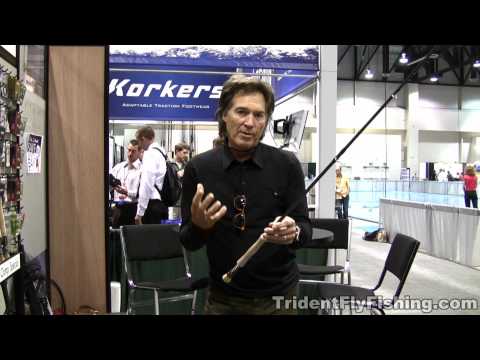


Hardy Marksman Fly Rod Review | Hardy's Best 5wt?
Hardy Fly Rods Quick Picks
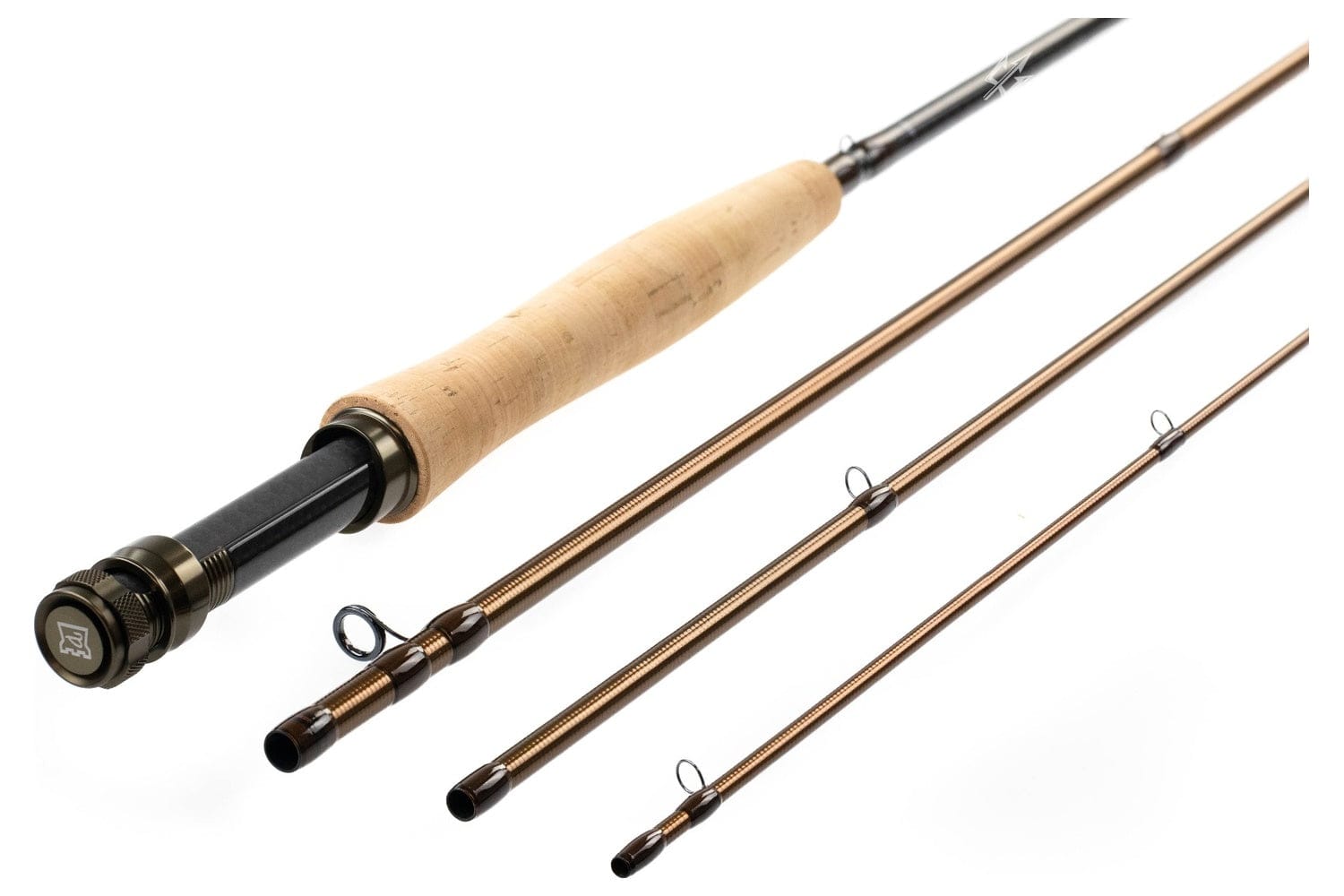
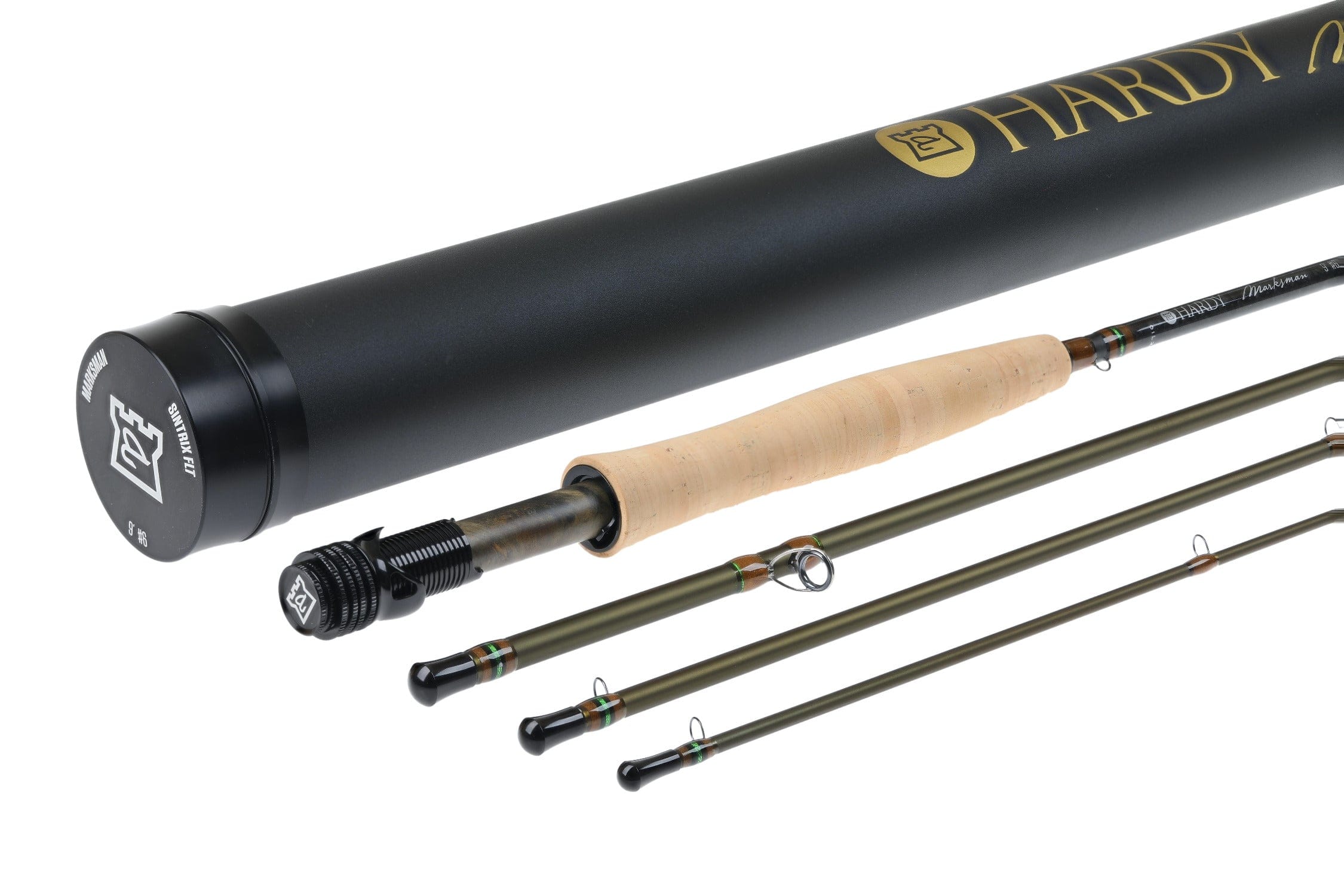
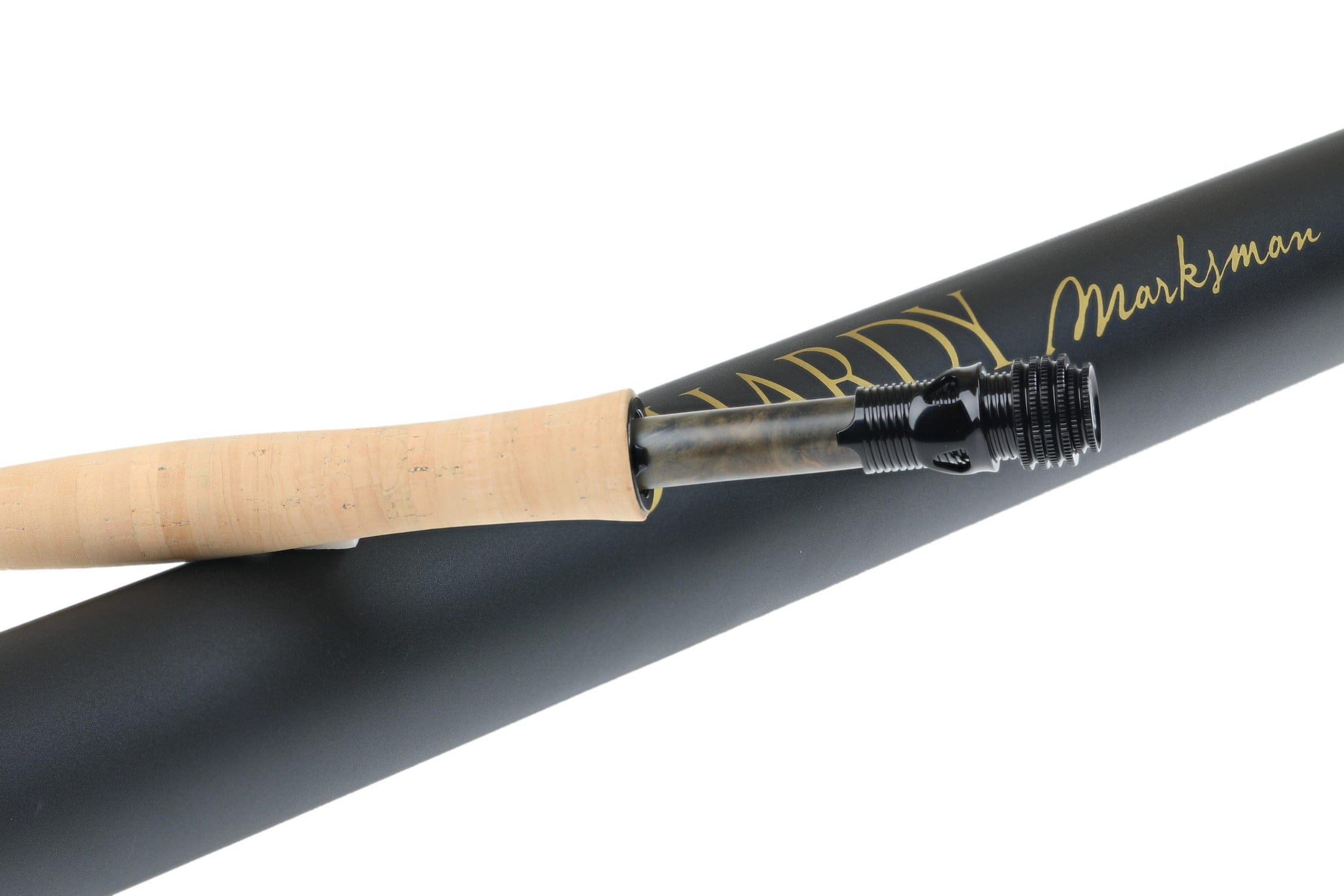
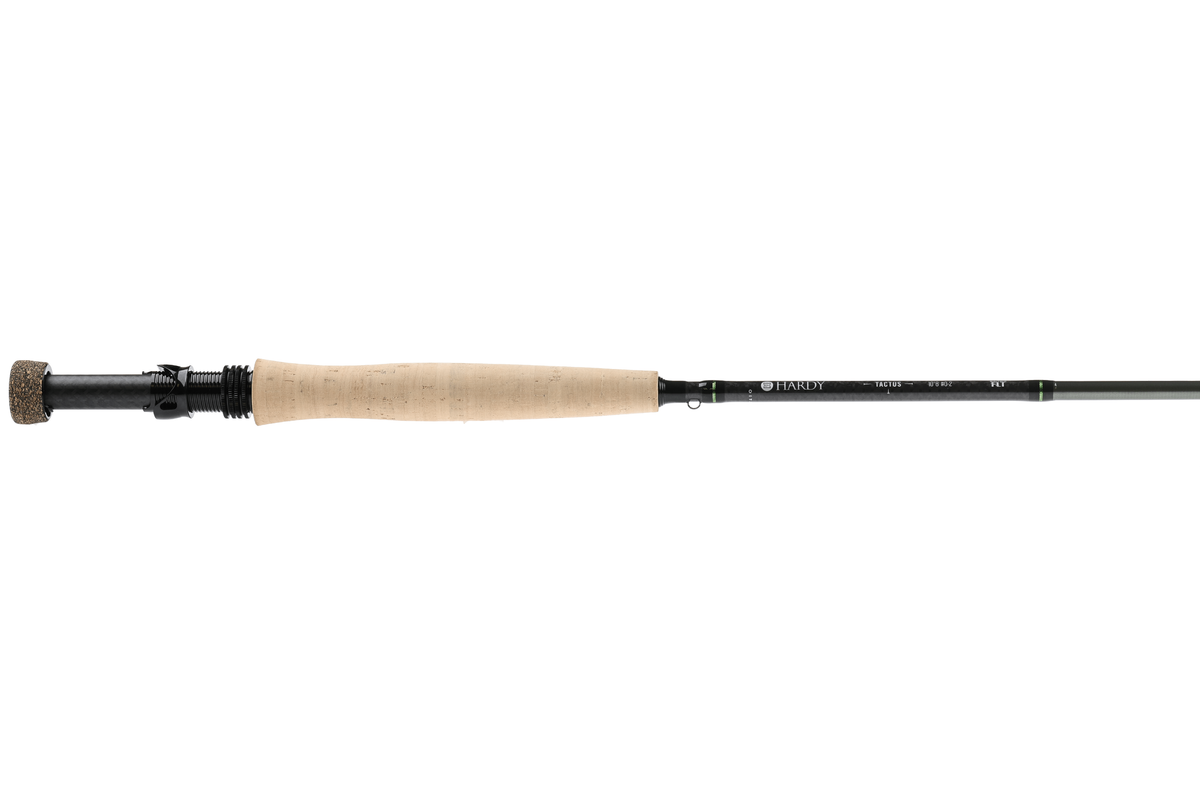
- Best All-Around: Hardy Marksman Fly Rod - Built for anglers who want a lightweight, accurate freshwater tool for dries, terrestrials, and lighter rigs. Its medium-fast feel is tuned more for precision and feedback than pure distance power.
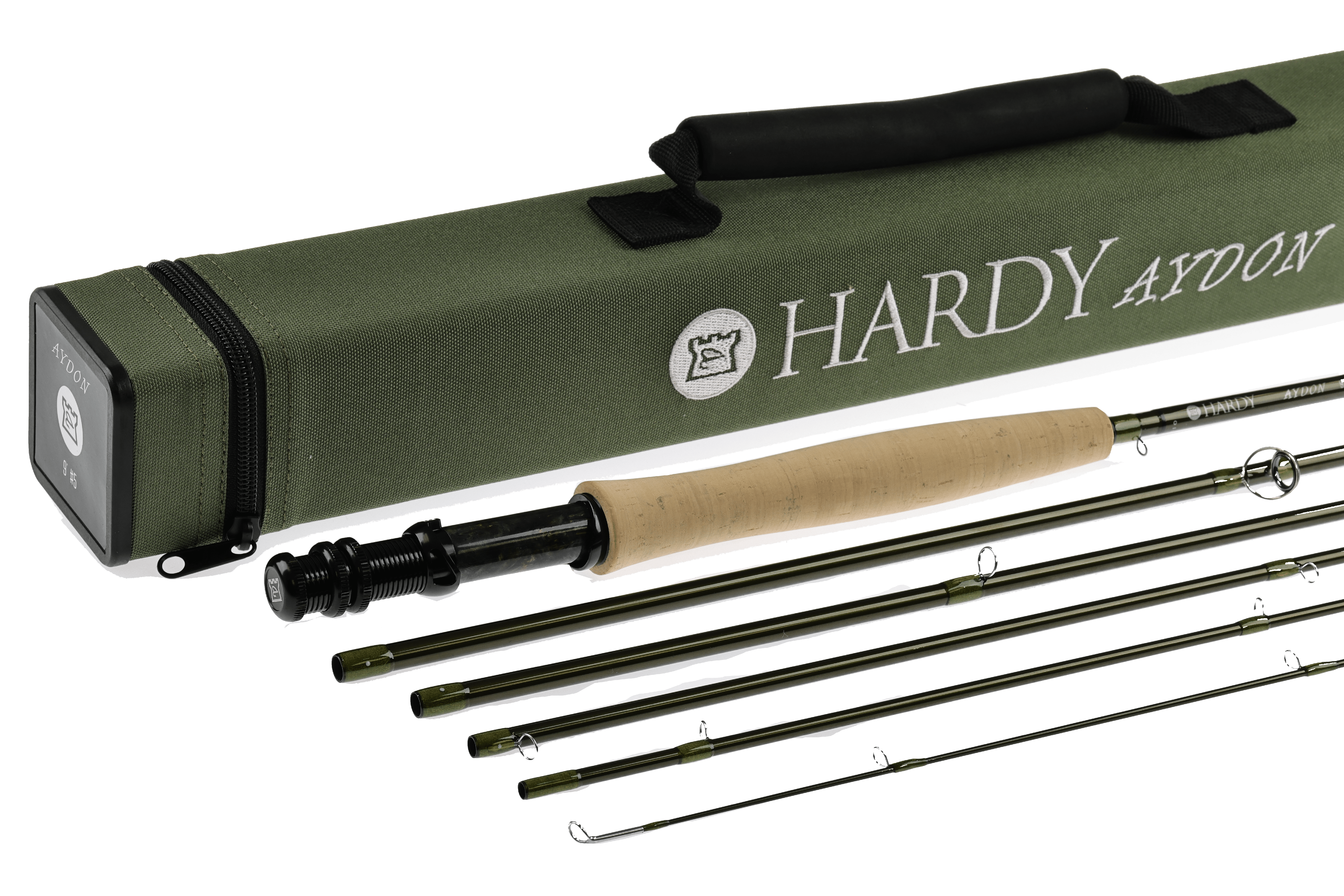
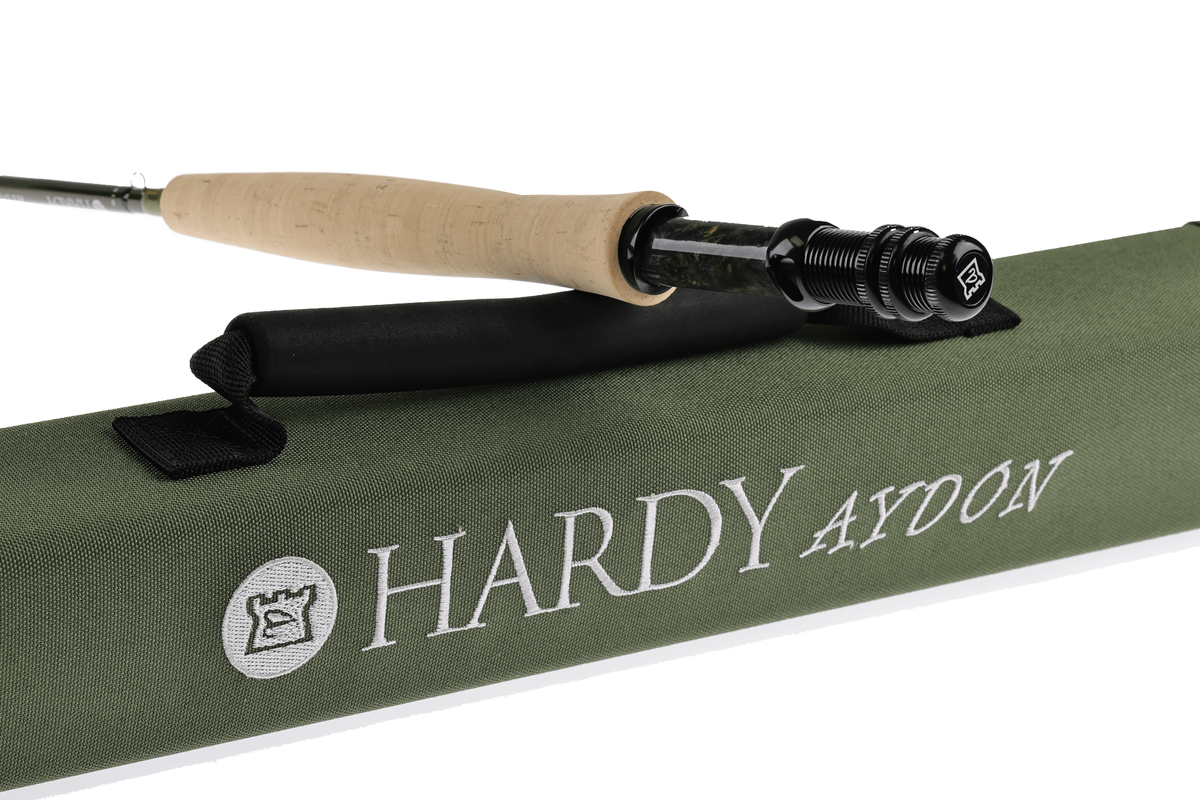
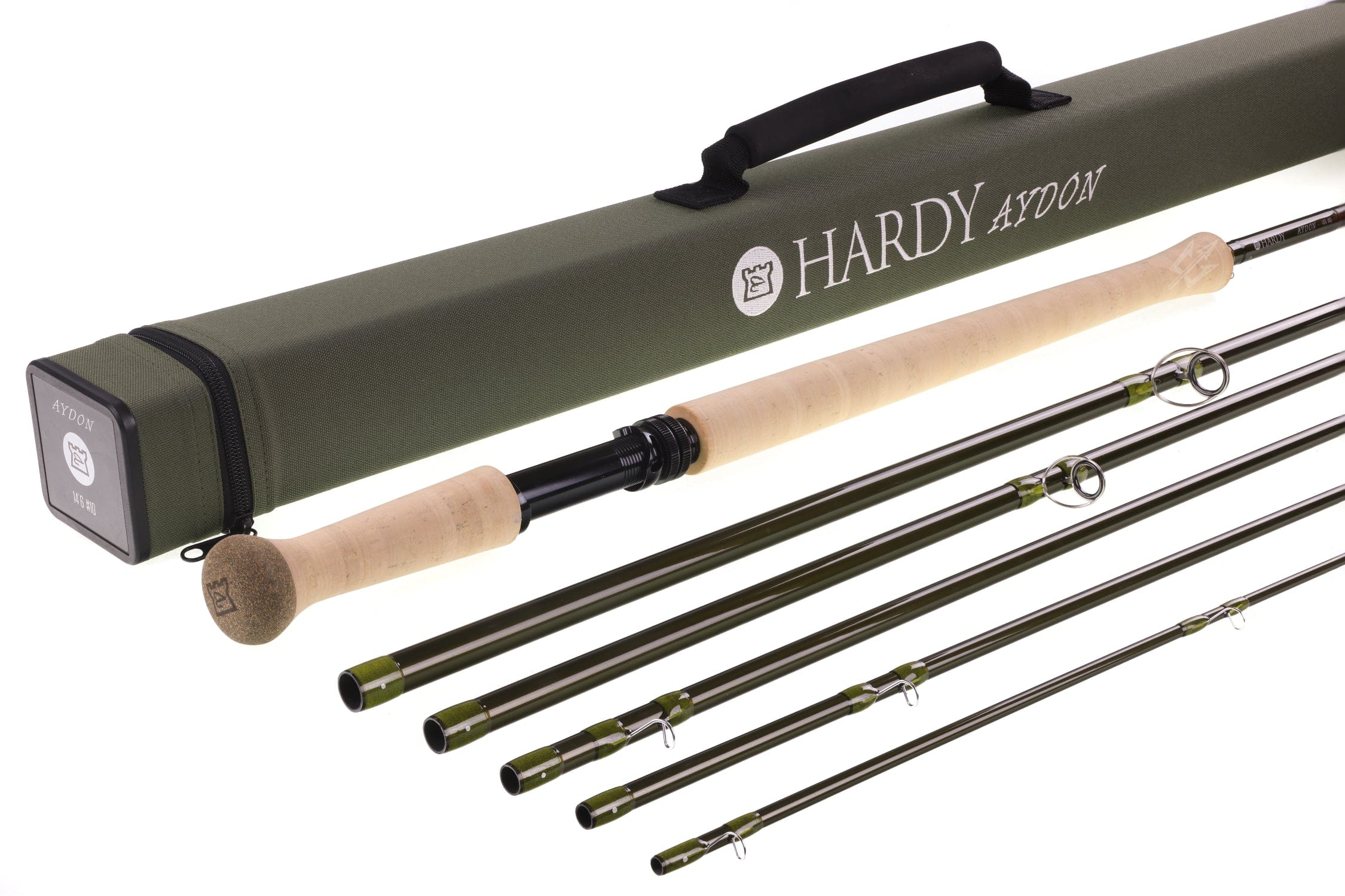
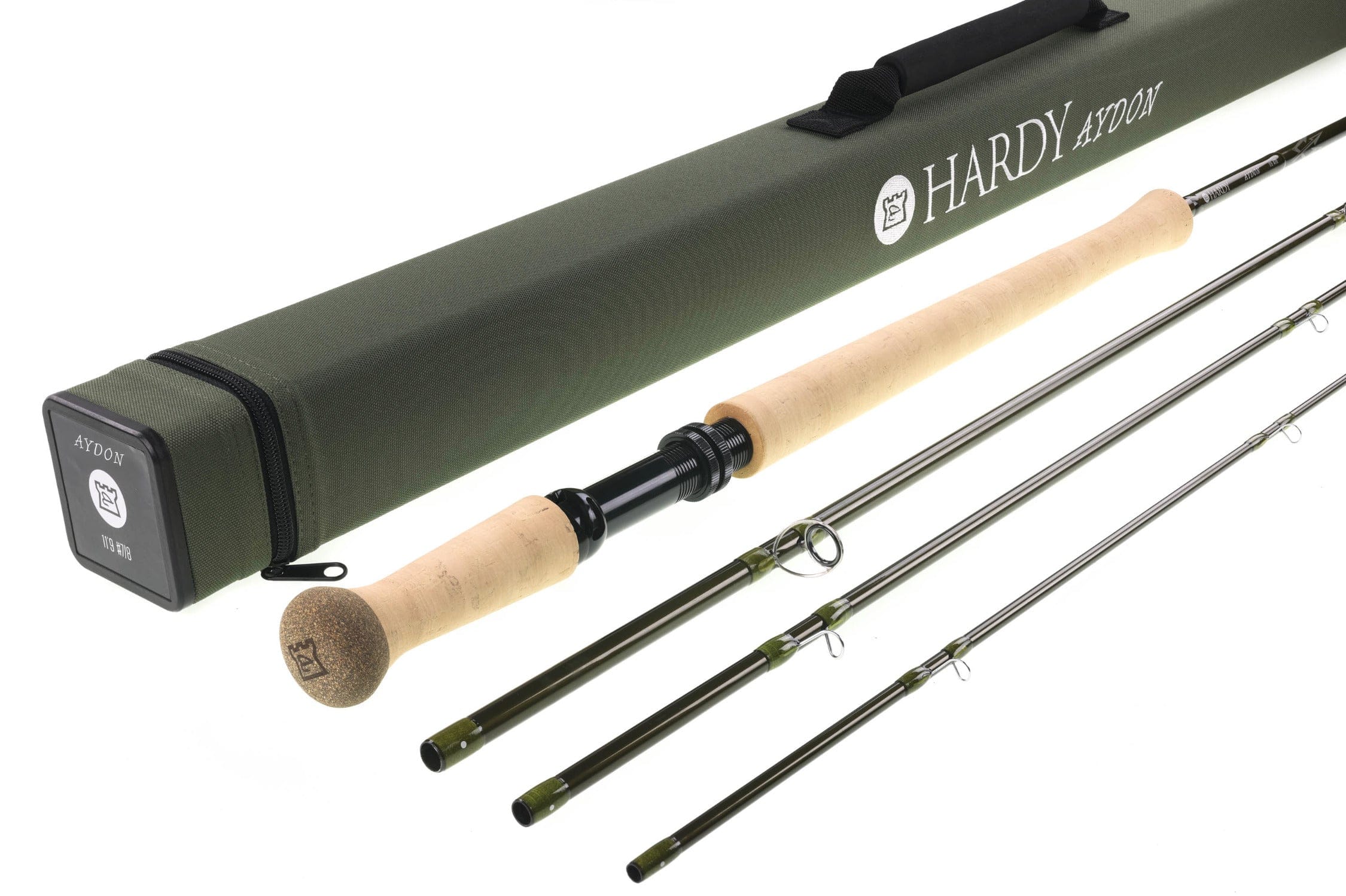
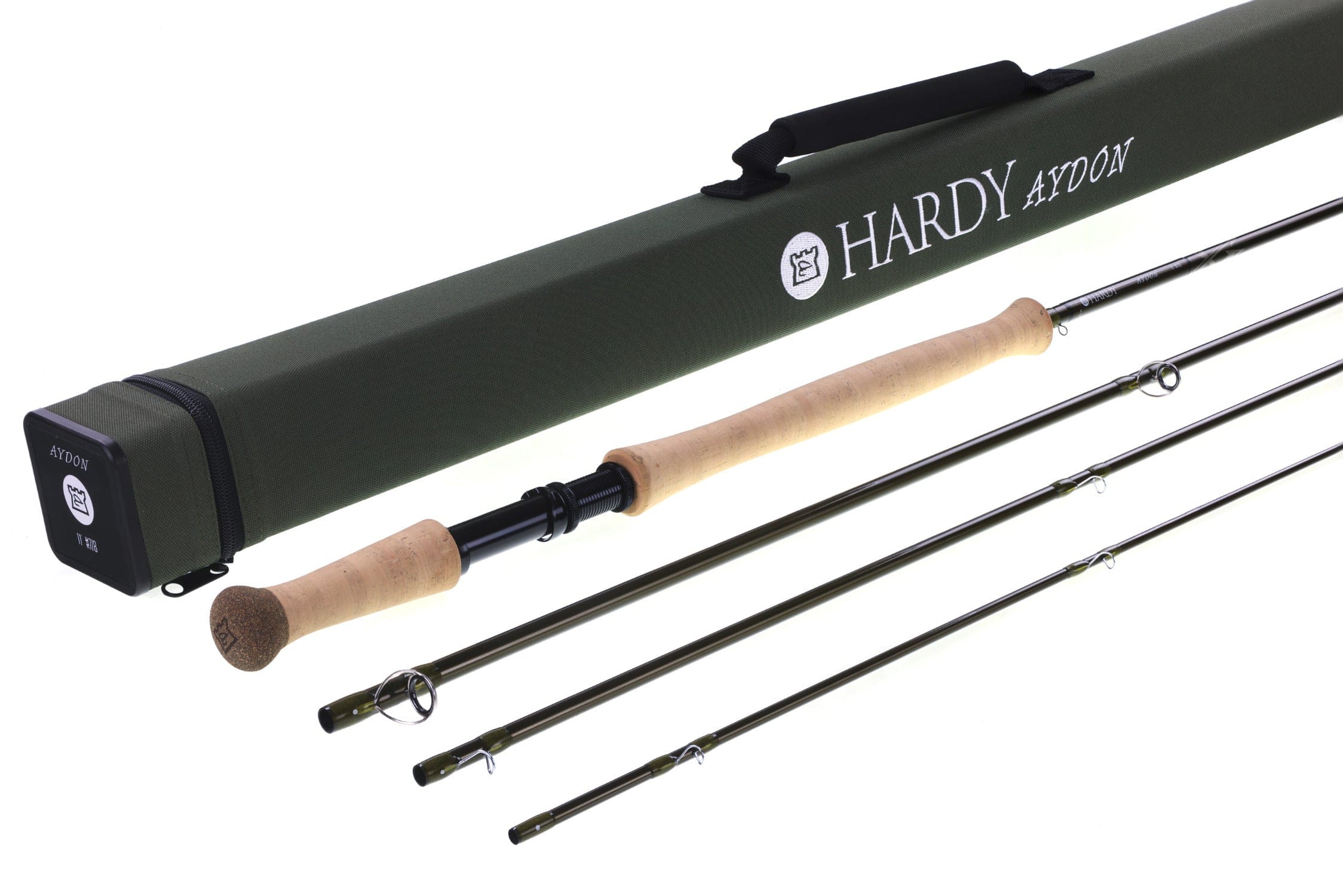
- Best Value: Hardy Aydon Fly Rod - A strong pick for anglers who want Hardy feel and clean fit-and-finish without jumping to flagship pricing. The lineup covers a wide range of trout-to-warmwater use, with a taper that rewards a smoother casting stroke.
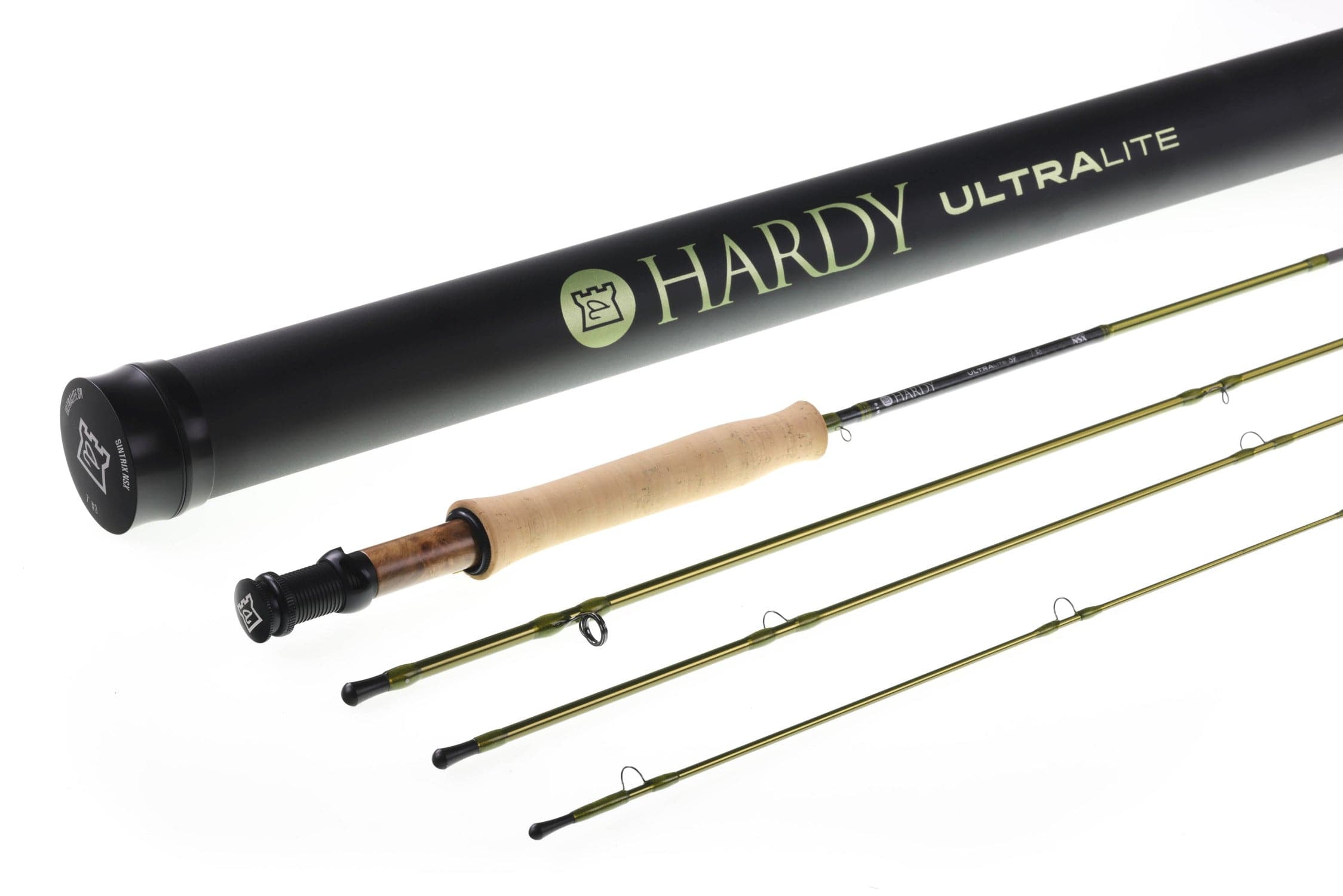
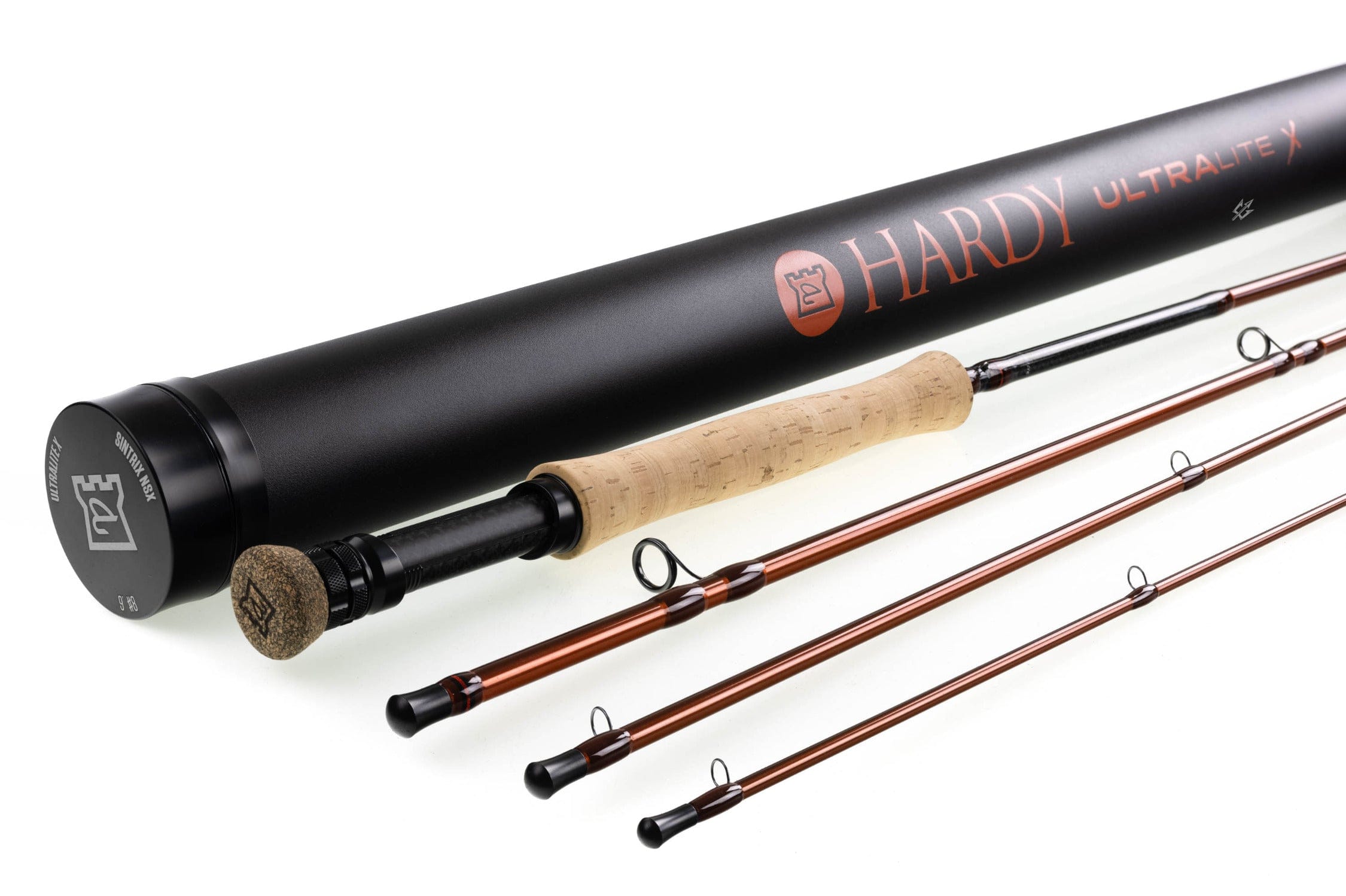
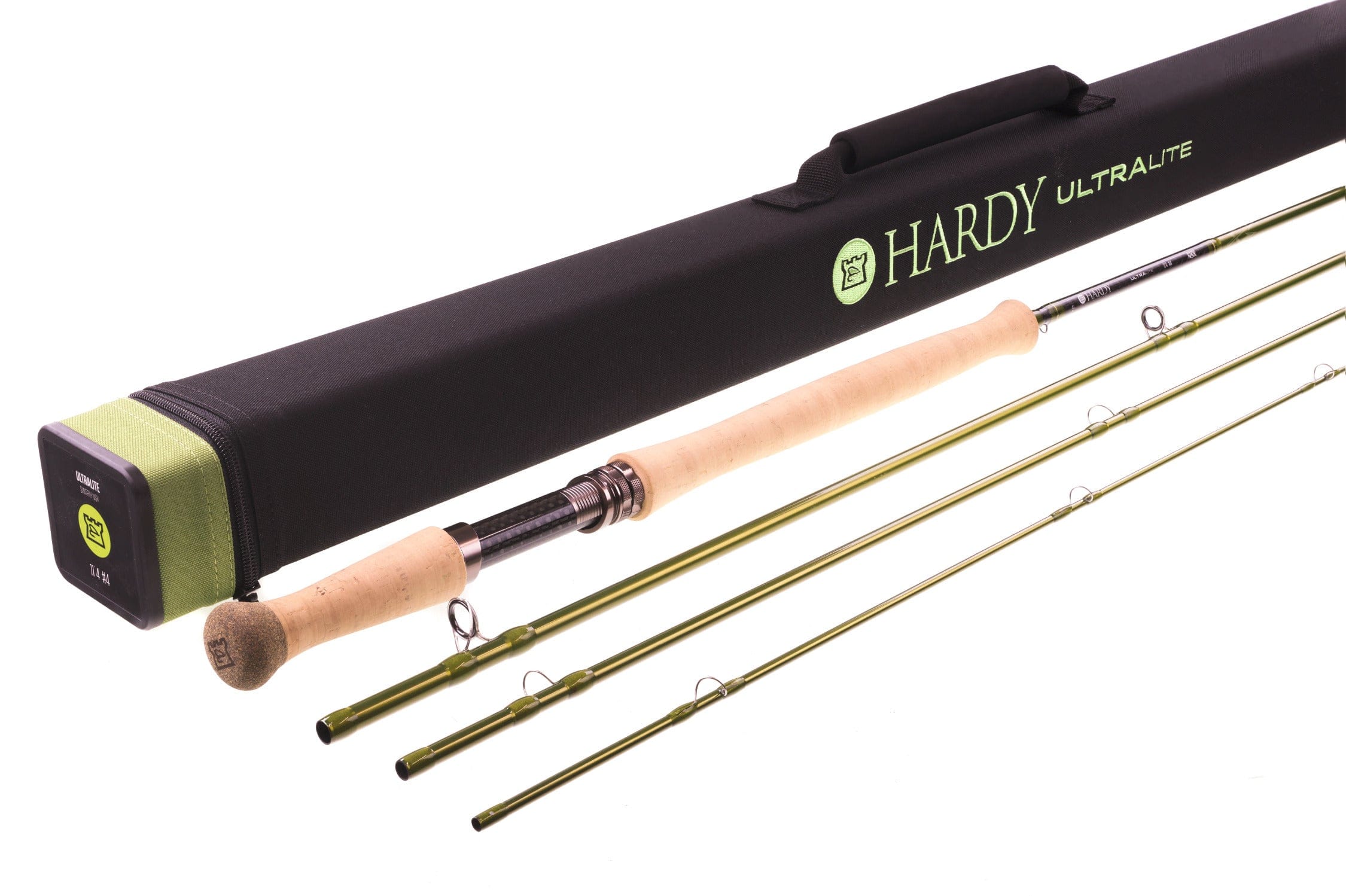
- Best for Wind & Big Rigs: Hardy Ultralite X Fly Rod - Designed for anglers who fish tougher conditions, heavier nymph rigs, and bigger flies. The faster, more powerful taper helps drive tight loops and maintain control when the weather turns.
- Best for Small Streams: Hardy Ultralite NSX SR Fly Rod - A purpose-built small-water stick for tight quarters, shorter casts, and technical creek presentations. Offered in compact lengths and pack-friendly configurations for anglers who hike into blue lines.
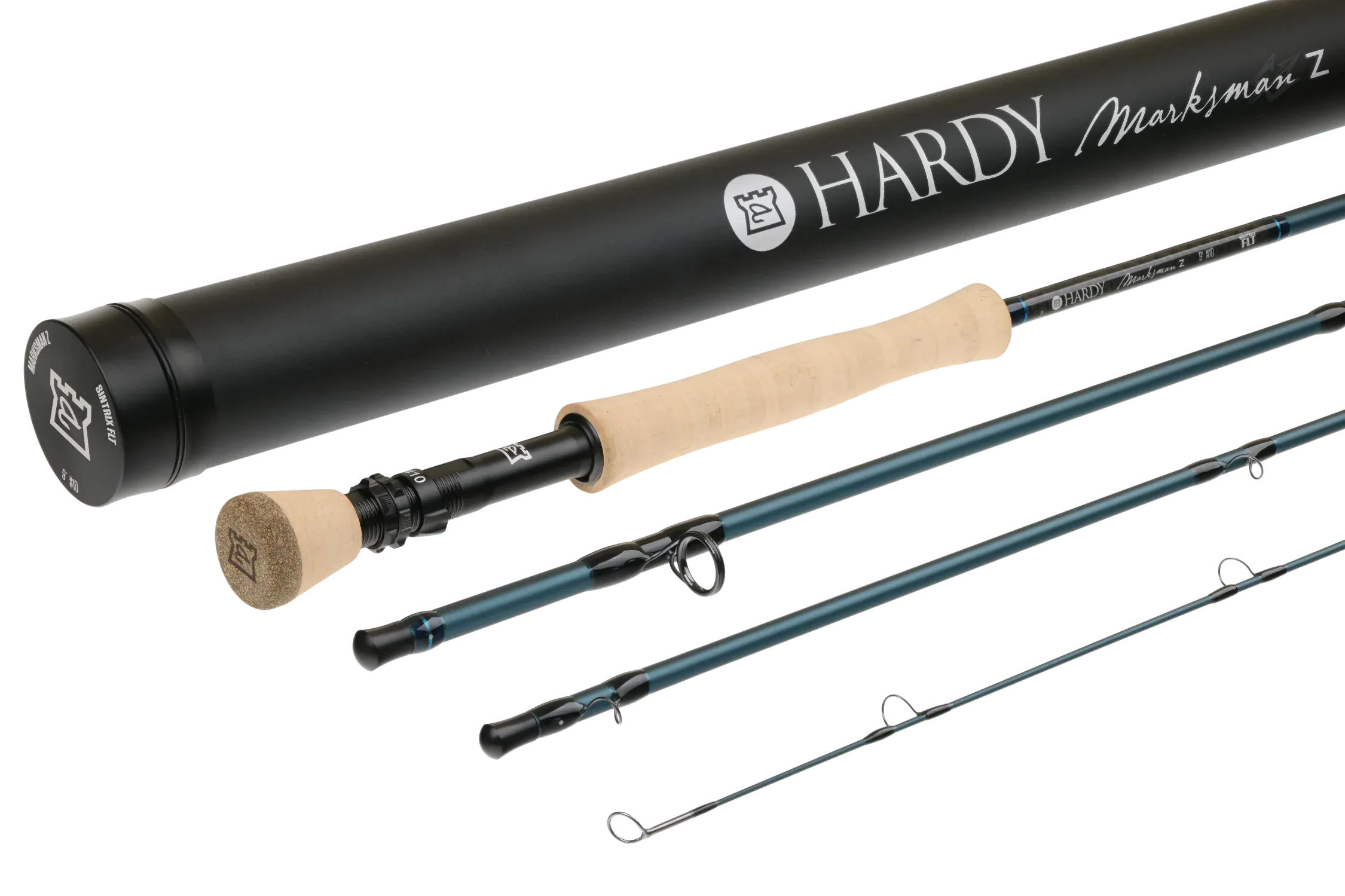
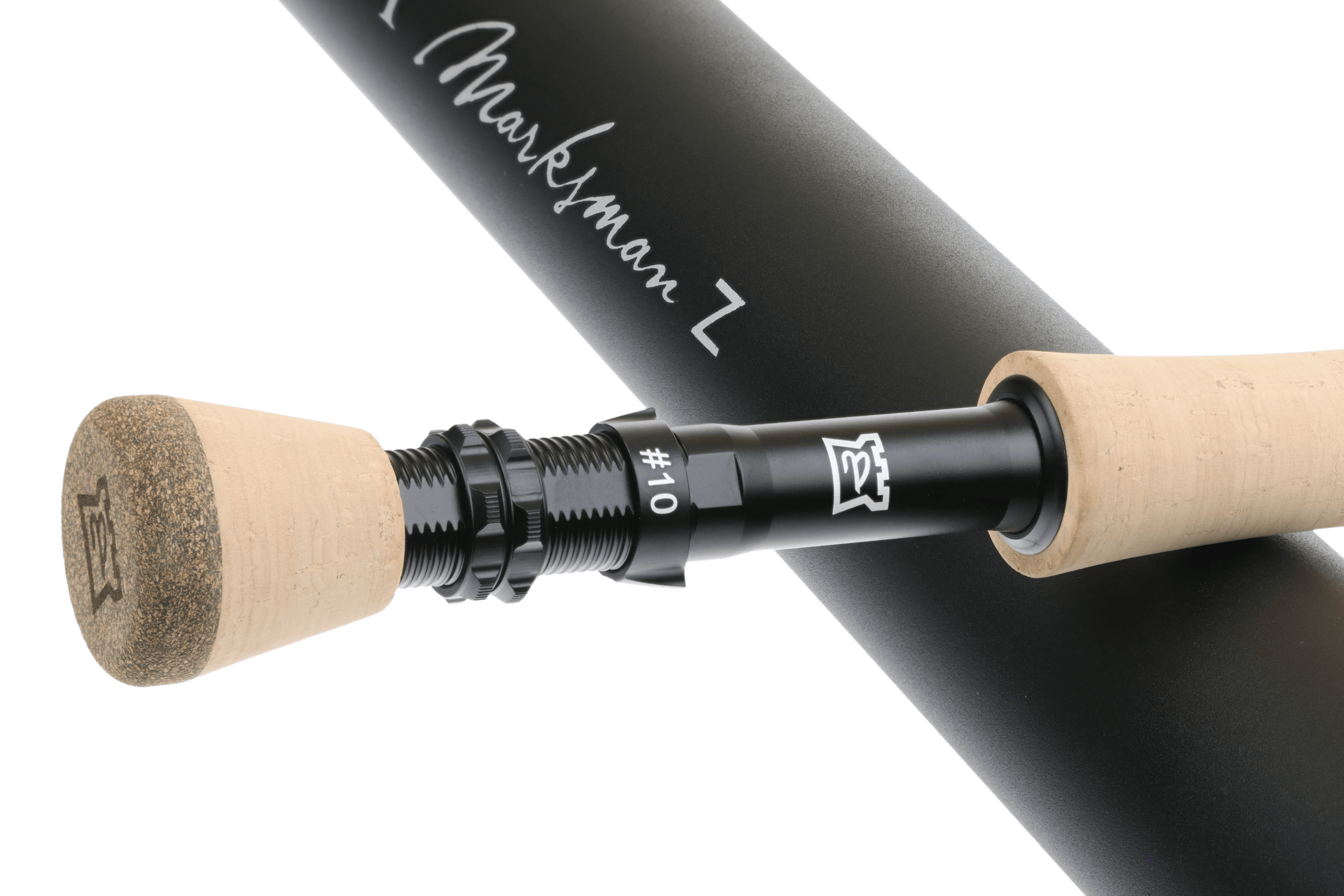
- Best for Saltwater Flats: Hardy Marksman Z Fly Rod - A saltwater-focused series for anglers chasing bonefish, permit, tarpon, and inshore species. Built to generate line speed and handle wind, with models covering common flats line weights.
How to Choose Hardy Fly Rods
Pick your “job” first (trout finesse, all-around, wind, or salt)
Action: Hardy’s lineup on this page spans medium-fast to fast actions, and that choice matters more than most people think. Medium-fast rods tend to be easier to time, nicer with longer leaders, and better for controlled presentations. Faster rods help when you need to cut wind, carry more line, or turn over bulkier rigs.
Best for: Dry flies and technical leaders (medium-fast), mixed trout tactics (medium-fast/fast), big flies and windy days (fast), and saltwater (fast, corrosion-resistant components).
Match rod length to your water (and your rig)
Small streams: Shorter rods are easier under brush and in tight corridors, and they make roll casts and flicks more natural on tiny water. That’s where the small-stream-focused options shine.
Rivers and lakes: A 9' class rod is still the most versatile format for drift control, mending, and general trout fishing. If you routinely fish indicators, long leaders, or need extra reach for line control, longer lengths can help.
Don’t overbuy “fast” if you mostly fish close
Avoid if: You’re typically fishing 20, 40 feet with small dries and light tippet, and you want the rod to do some of the work. Super-fast rods can feel stiff up close and demand cleaner timing.
Action: If you want one Hardy rod to cover the most water, start in the middle of the action range, then go faster only if your fishing (or your local wind) demands it.
Two-handed options: Spey vs Trout Spey
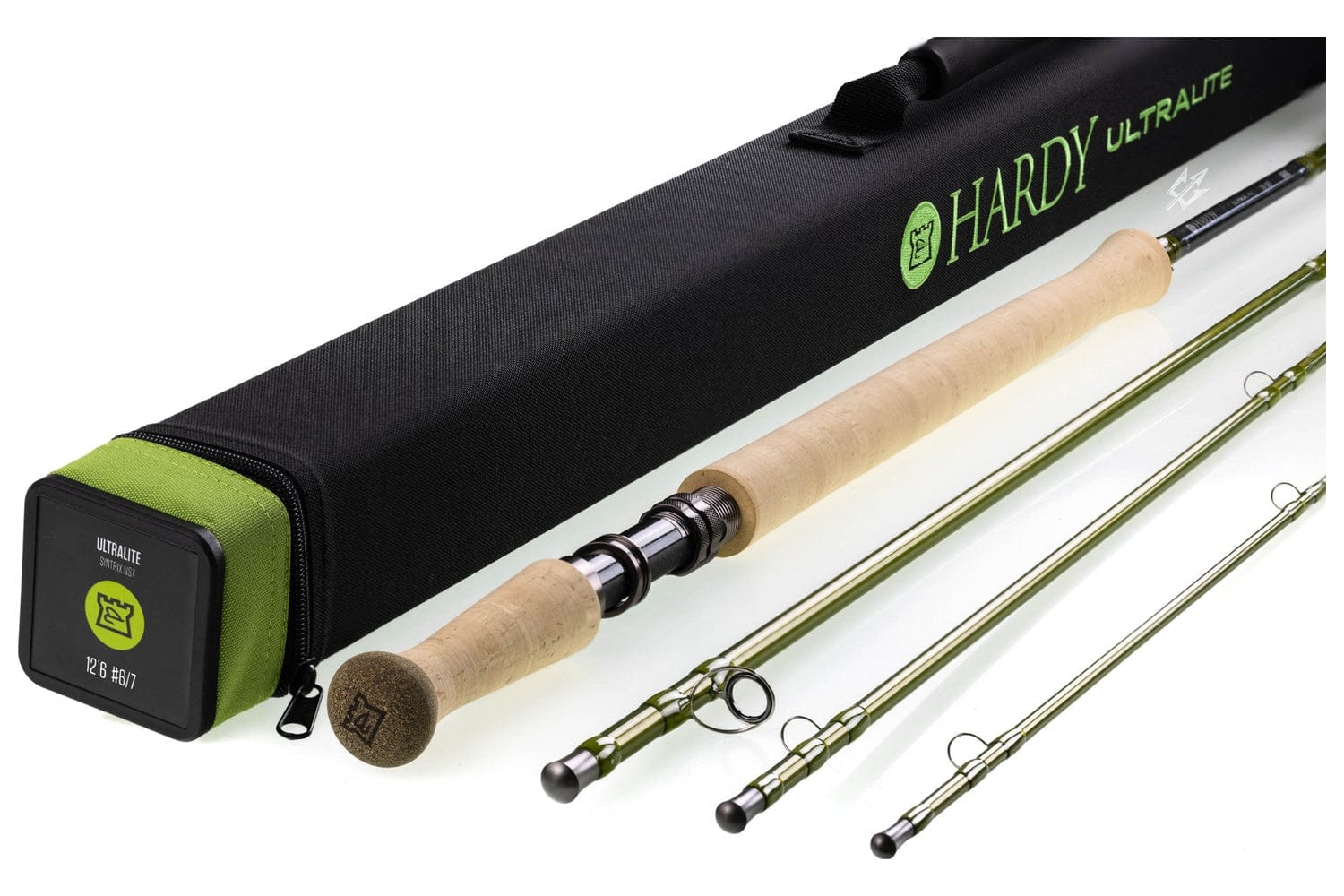
Trout Spey: Lighter two-handers for swinging soft hackles and small streamers, mending at distance, and fishing larger rivers with less effort than a single-hand rod.
Spey: Built for bigger flows, heavier tips, and more demanding steelhead/salmon-style systems.
Why Trident Carries Hardy
Hardy has a long-standing reputation for modern graphite design paired with classic, clean finishing. This collection keeps things practical: a few distinct families that cover technical trout fishing, travel, true big-rig/wind performance, and dedicated saltwater tools.
Care & Maintenance
- After each use: Wipe the blank and cork to remove grit, sunscreen, and fish slime (especially important after saltwater).
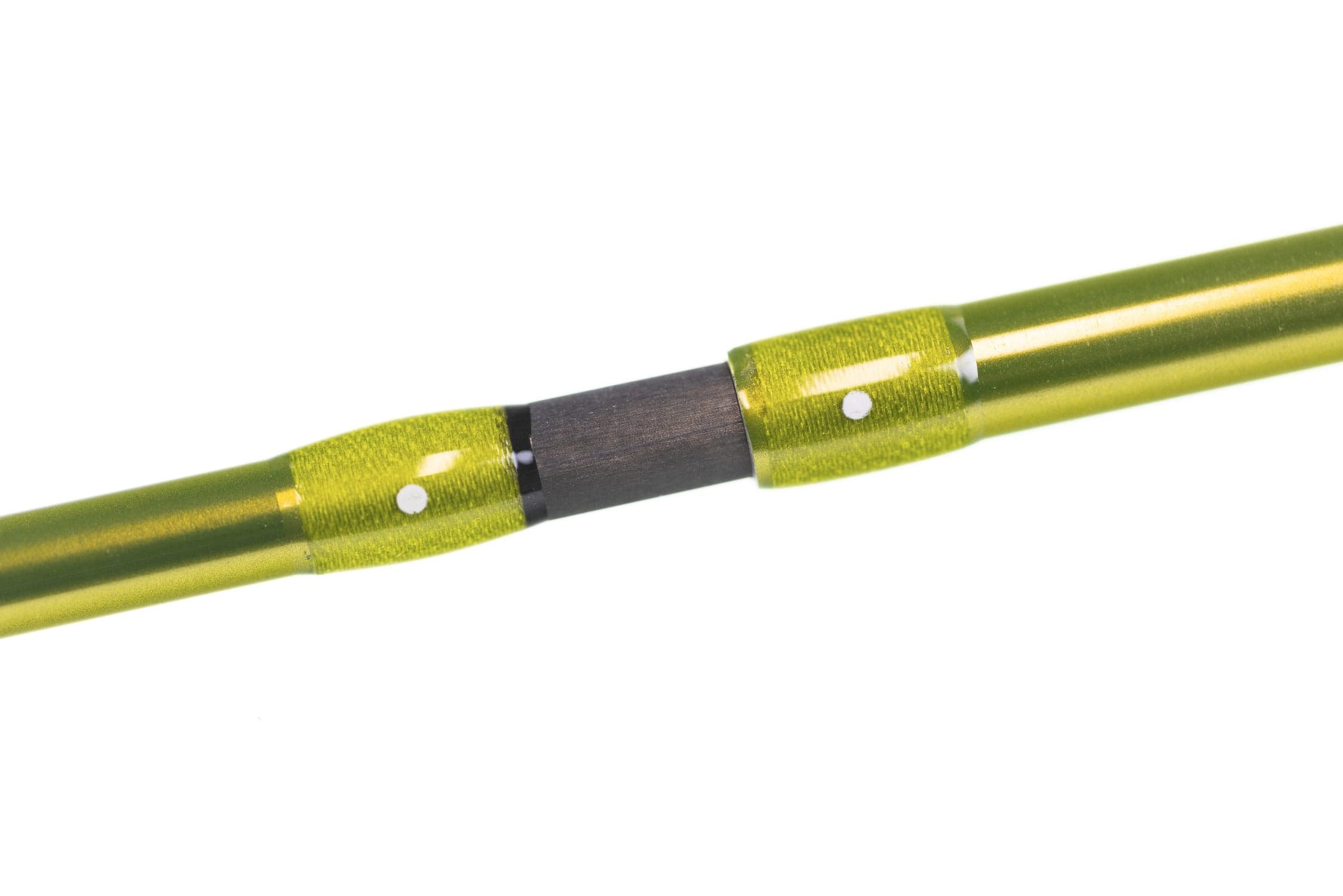
- Ferrules: Keep ferrules clean and fully seated; if they loosen during fishing, stop and re-seat them before casting again.
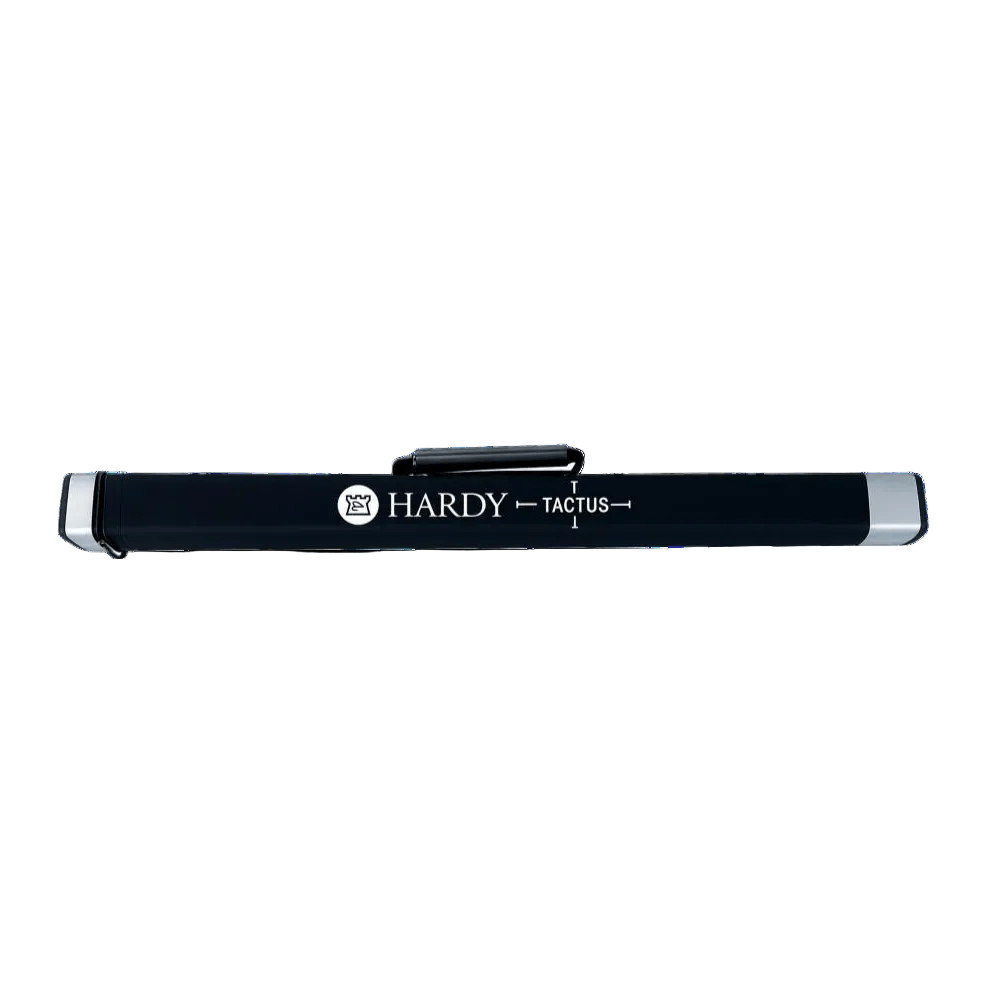
- Transport: Use the tube for travel and car rides; avoid leaning the rod against a vehicle or wall where it can slide and snap.
- Saltwater use: Rinse guides, seat hardware, and the grip area with fresh water, then dry before storing.
- Storage: Store dry, out of heat, and avoid long-term pressure on the tip section.
Complete Your Setup
Related Gear
- Floating Fly Lines - The go-to starting point for most trout and general-purpose setups.
- Fly Reels - Balance your rod correctly and choose a drag that matches your target species.
- Leaders - Dial in turnover and presentation for dries, nymphs, or streamers.
- Tippet - Fine-tune stealth, abrasion resistance, and break strength for your flies and water clarity.
Related Guides
- Hardy Marksman Fly Rod Review
- Hardy Ultralite X Fly Rod Review
- Hardy Ultralite SR Fly Rod Review
- Hardy Ultralite LL 9'9" 4wt Fly Rod Review
- How to Choose the Best Fly Rod for Beginners
Hardy Fly Rods FAQs
Q: What are Hardy fly rods known for?
A: Hardy fly rods are known for crisp tapers, clean fit-and-finish, and modern materials that prioritize recovery and durability. In this collection you’ll find options for technical trout fishing, travel, two-handed applications, and dedicated saltwater.
Q: How do I choose the right Hardy fly rod for trout?
A: Start with where you fish most: small streams vs bigger rivers. Then decide if you prioritize presentation and feel (medium-fast) or wind/bigger rigs (fast), and pick a line weight that matches the flies you throw most often.
Q: Are Hardy fly rods good for beginners?
A: They can be, but most beginners do best with a rod that isn’t overly fast or specialized. If you’re new, lean toward a more forgiving action and a versatile length/line weight so the rod is easier to time at normal trout distances.
Q: What’s the difference between a freshwater Hardy rod and a saltwater Hardy rod?
A: Saltwater models are typically built with faster actions and components intended to handle corrosion and wind. Freshwater models often prioritize lighter presentations, shorter-to-midrange accuracy, and better feedback with longer leaders.
Q: When should I choose a fast-action Hardy fly rod?
A: Choose fast action when you routinely deal with wind, longer casts, or bulky rigs like heavier nymph setups and larger streamers. Fast rods can help maintain tighter loops and better turnover in tougher conditions.
Q: What’s a Trout Spey rod used for?
A: Trout Spey rods are lighter two-hand rods designed for swinging flies, mending at distance, and covering water efficiently with less fatigue than single-hand casting. They’re especially useful on larger rivers and when you want more line control.
Q: Do I need a special fly line for a travel (multi-piece) rod?
A: No, piece count is about packability, not line matching. Choose your fly line based on your rod’s line weight, the flies you fish, and whether you’re fishing cold freshwater or warm/tropical saltwater.
Hardy Warranty & Resources
Warranty terms can vary by region and product type, so it’s smart to keep your proof of purchase and register when applicable. Hardy’s warranty information page outlines registration timing, claim requirements, and contact details.
Learn More from Hardy