

How to Choose The Best Fly Rod | Saltwater & Freshwater (Part 1/5)
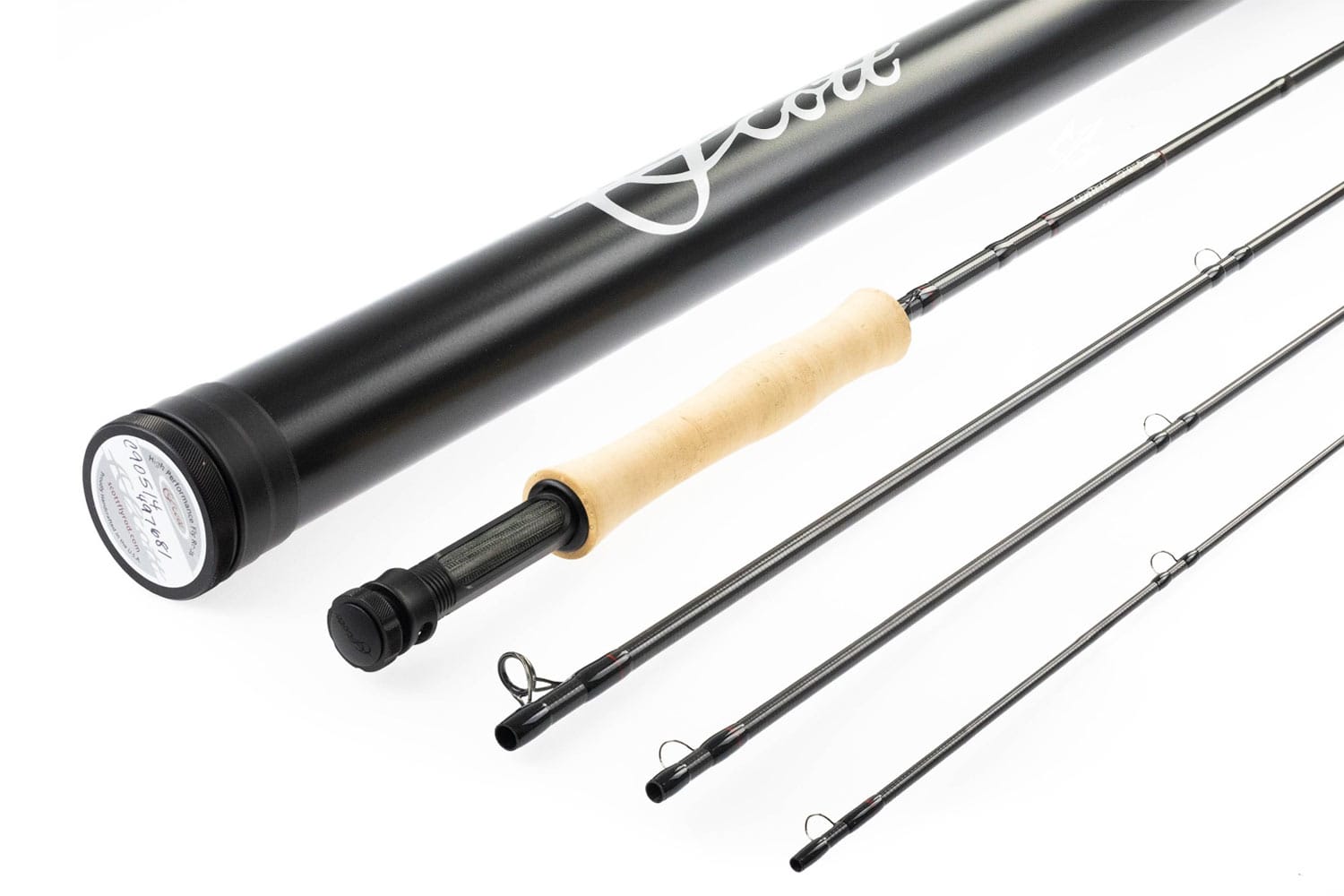
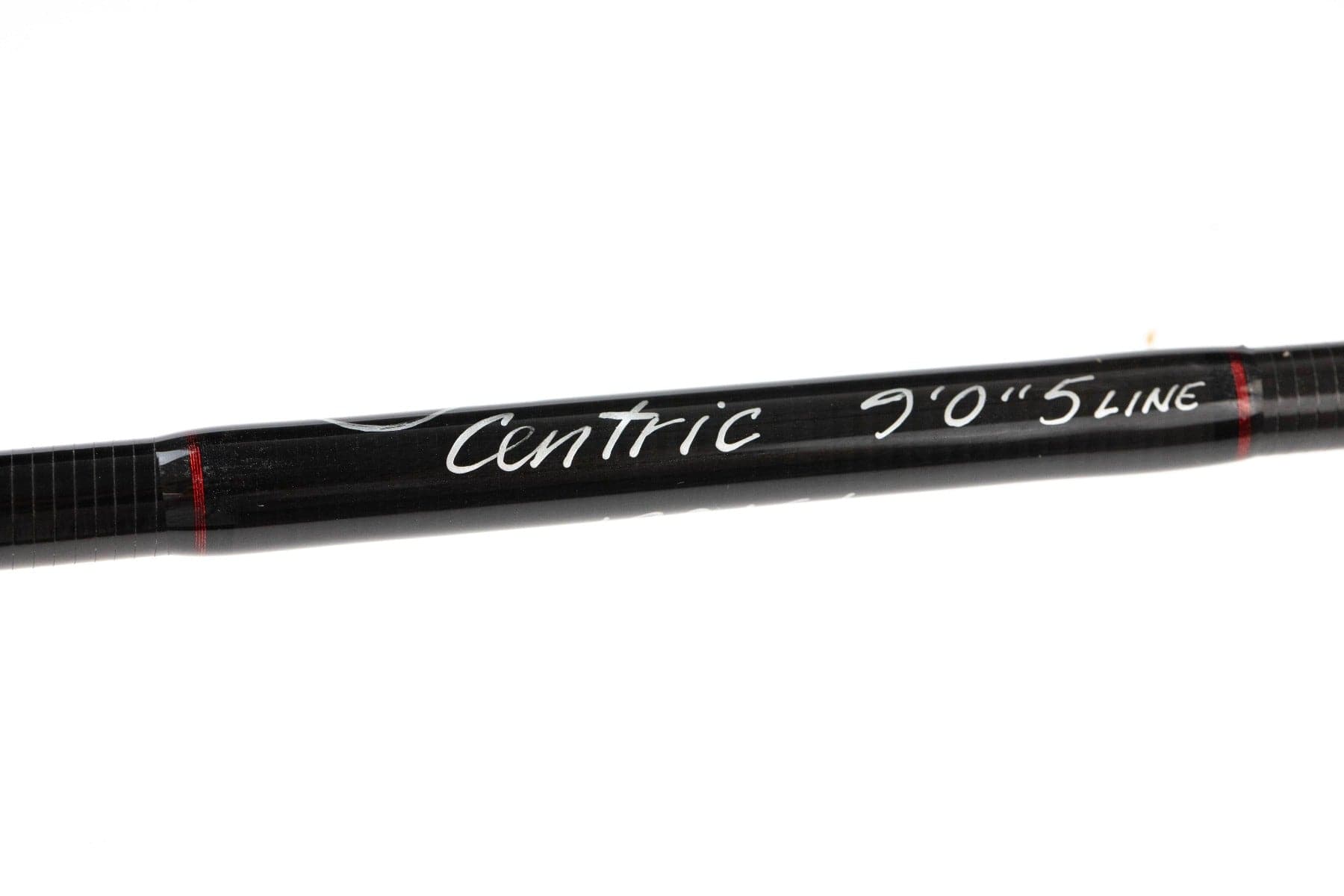
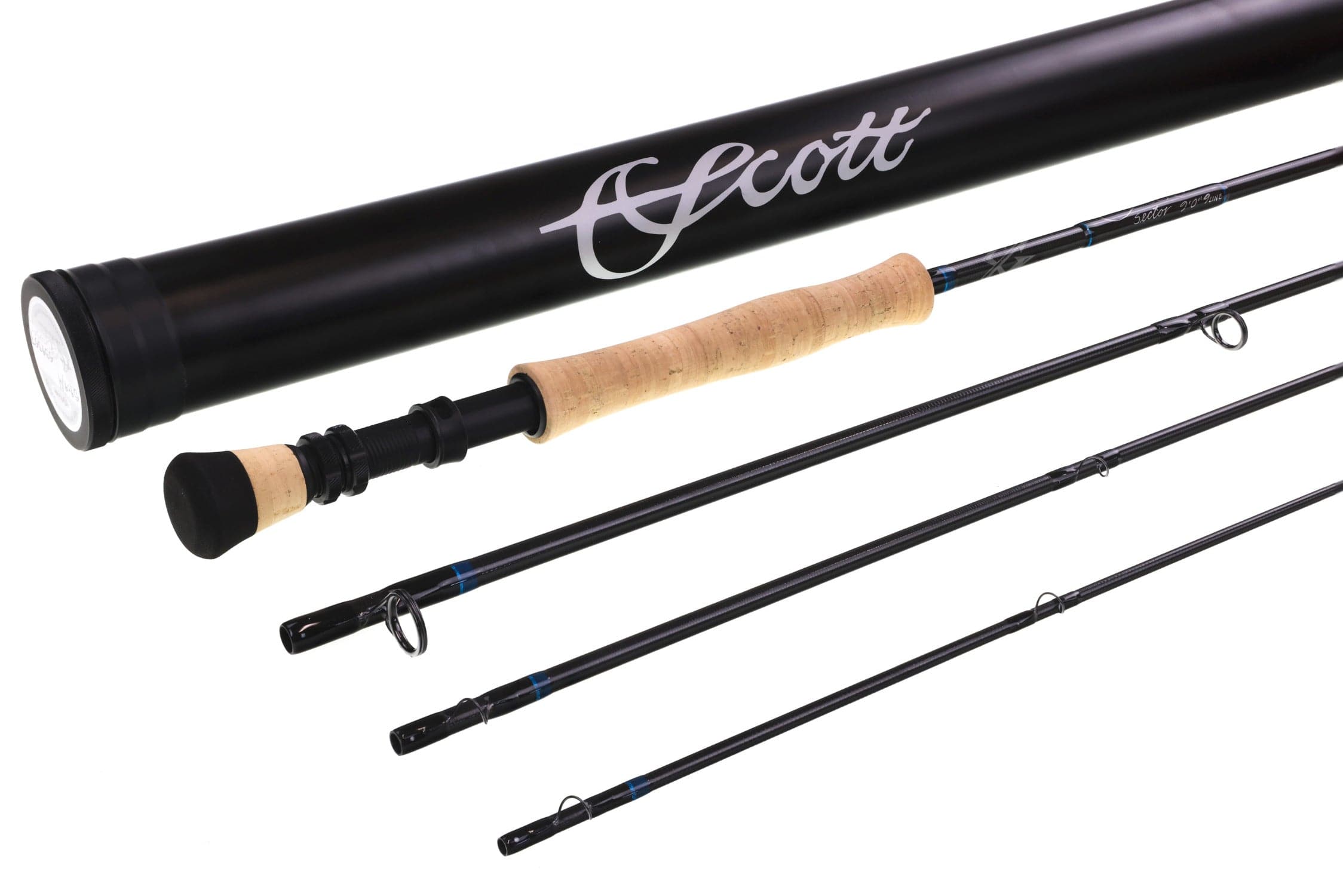
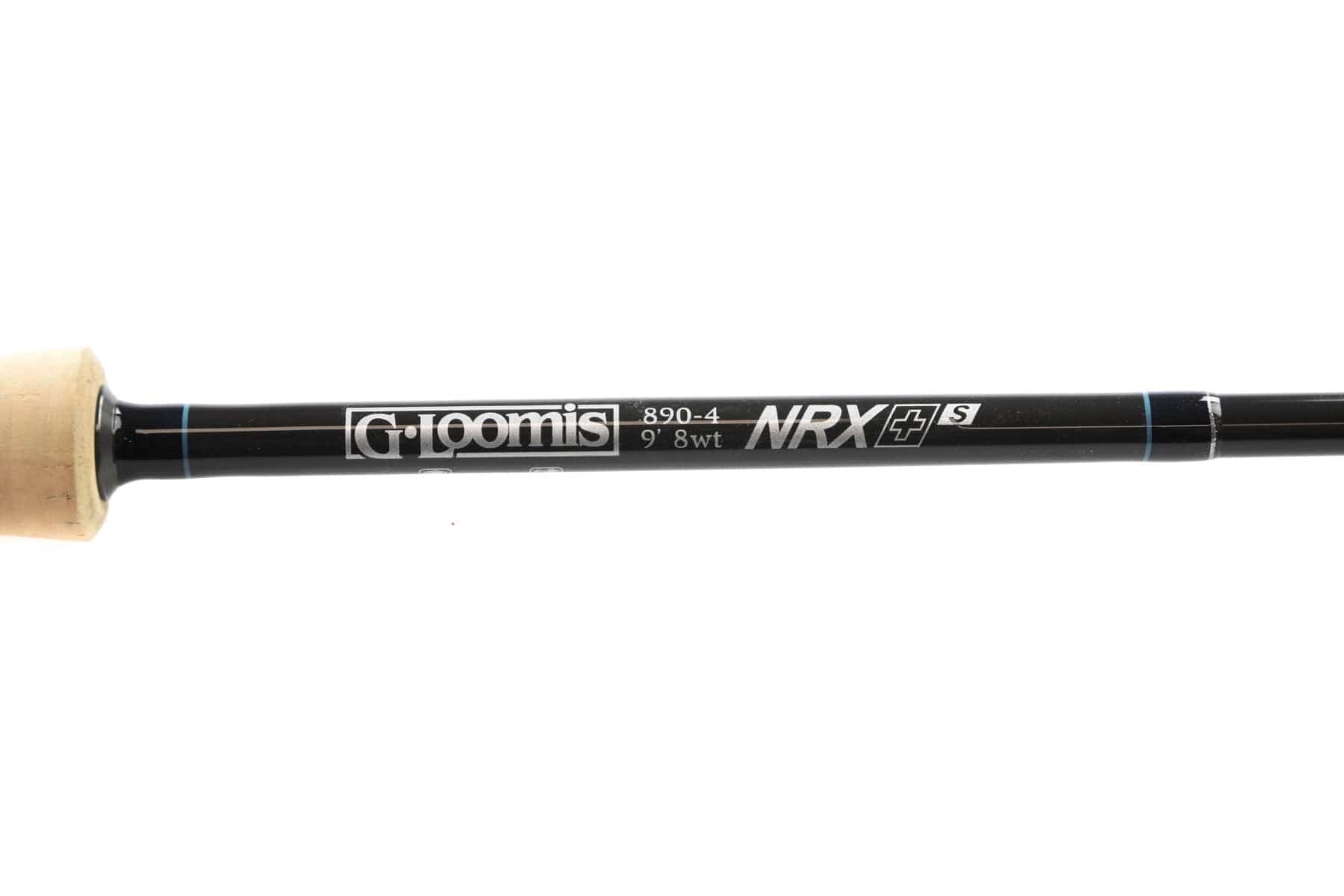
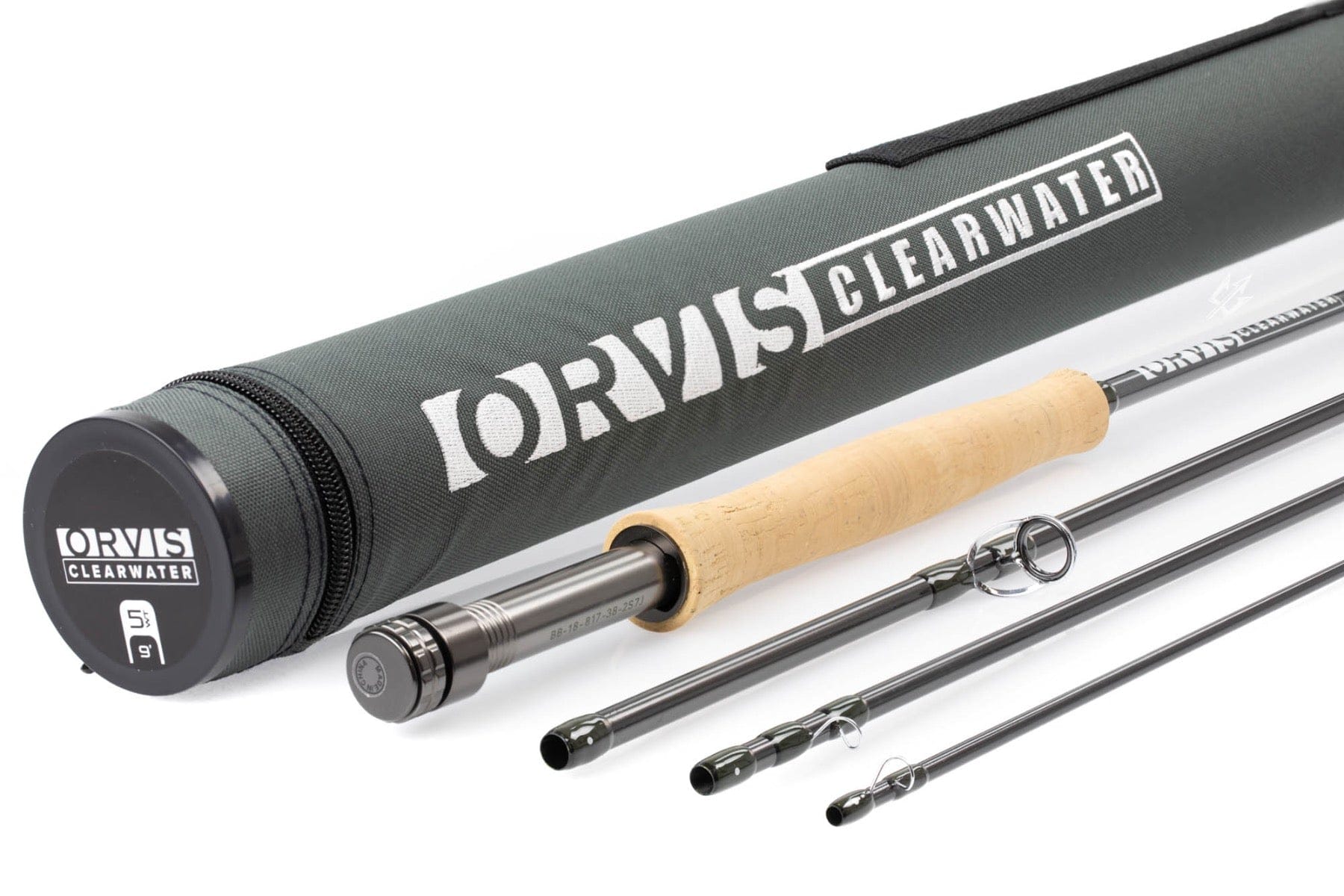
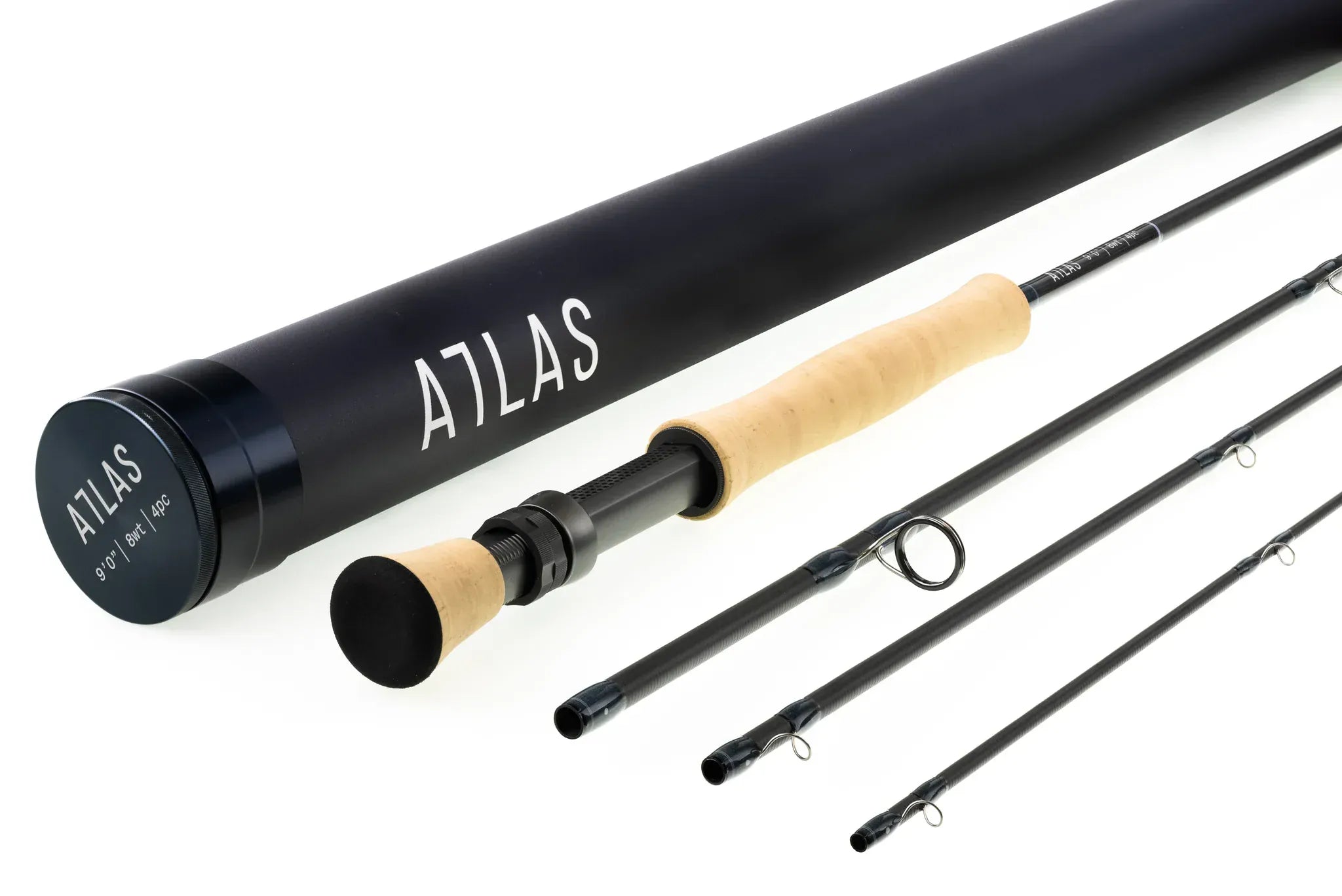
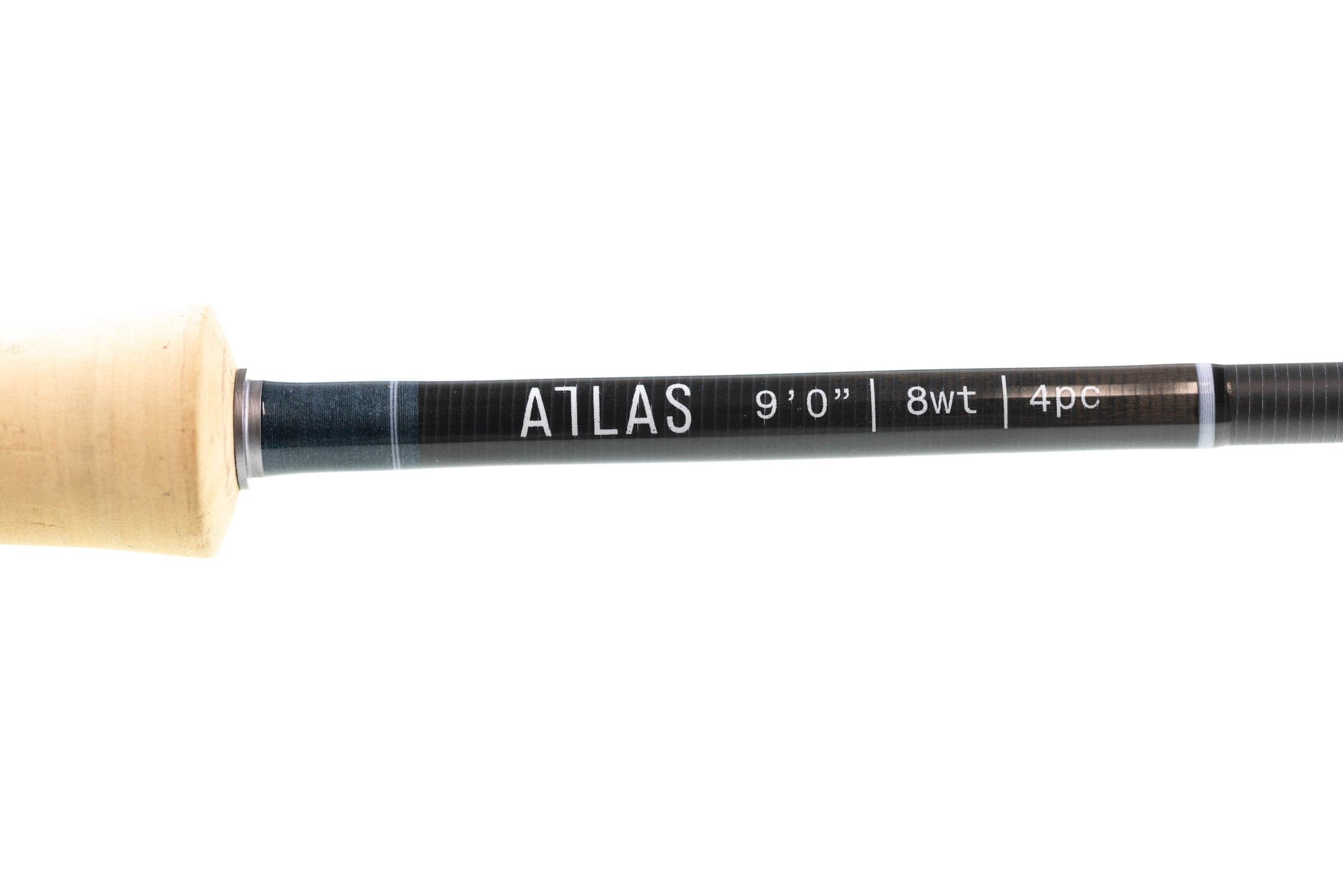
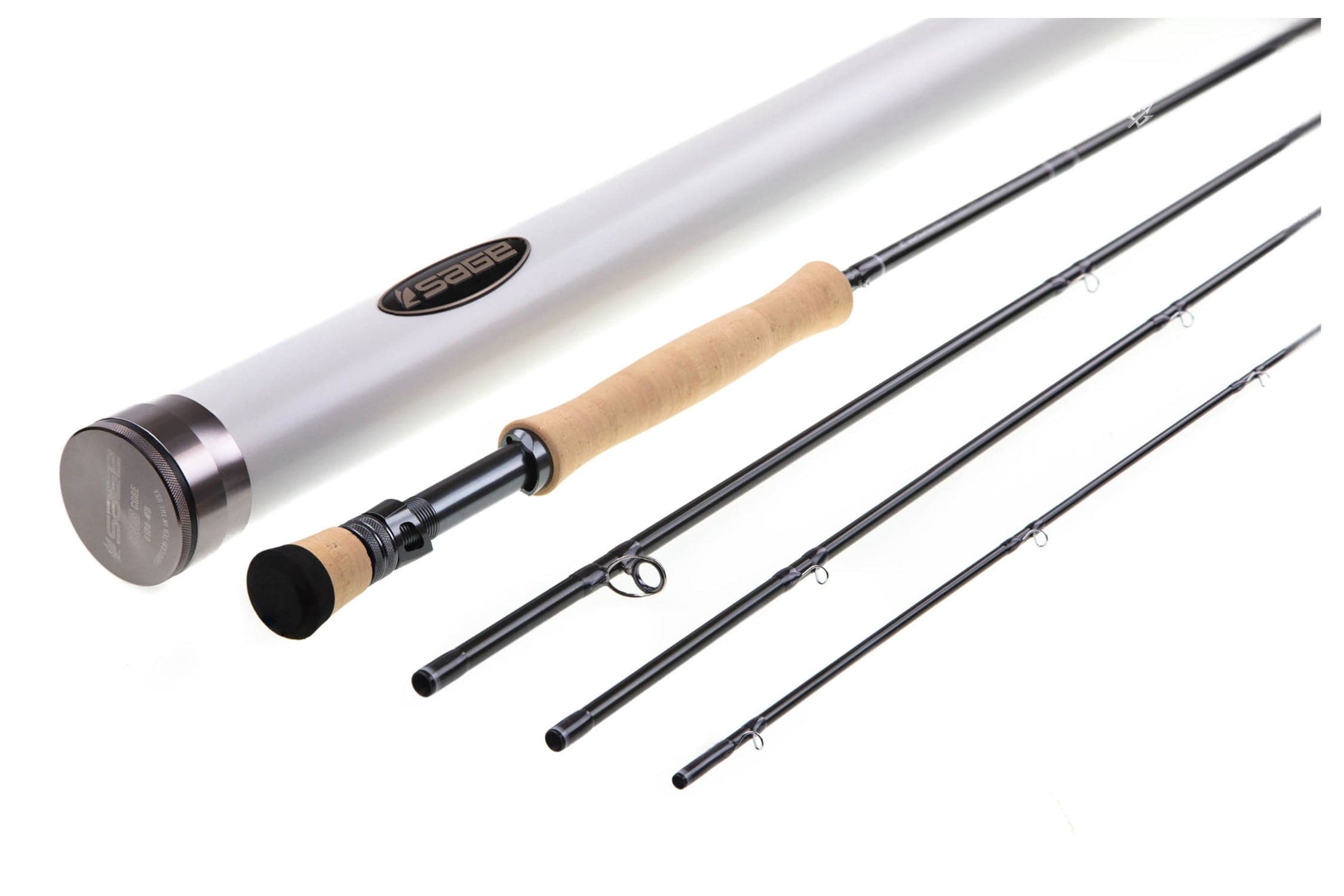
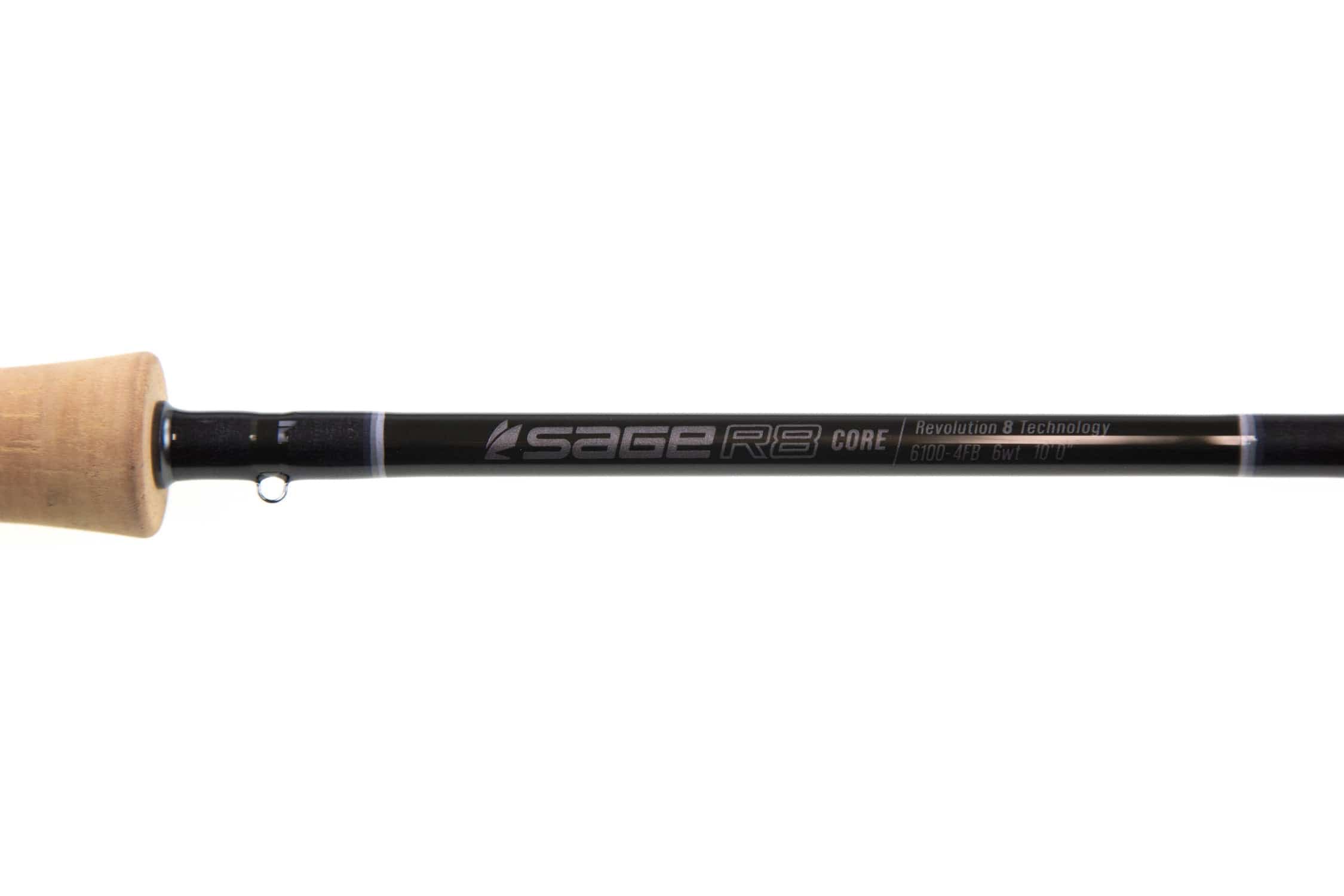
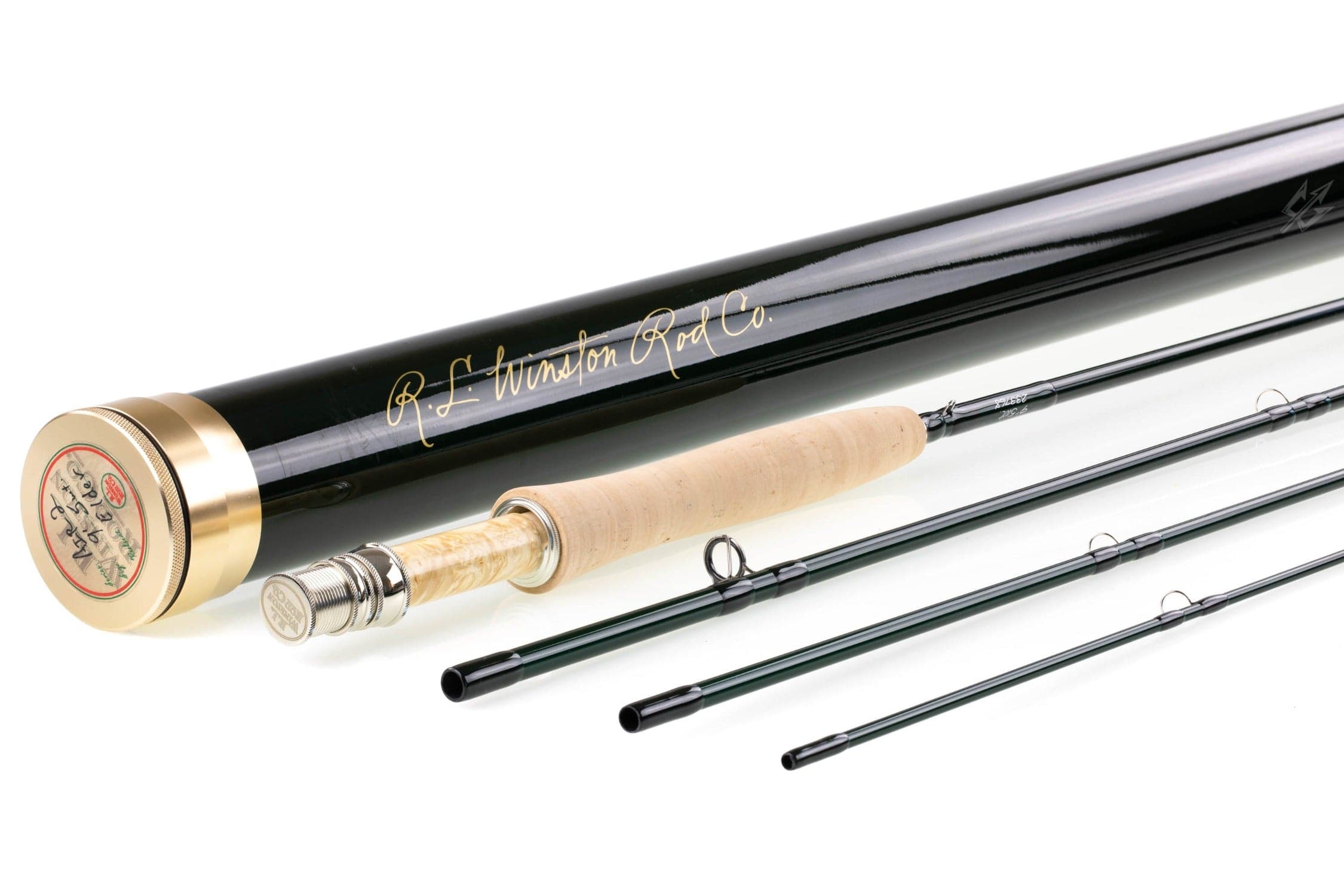
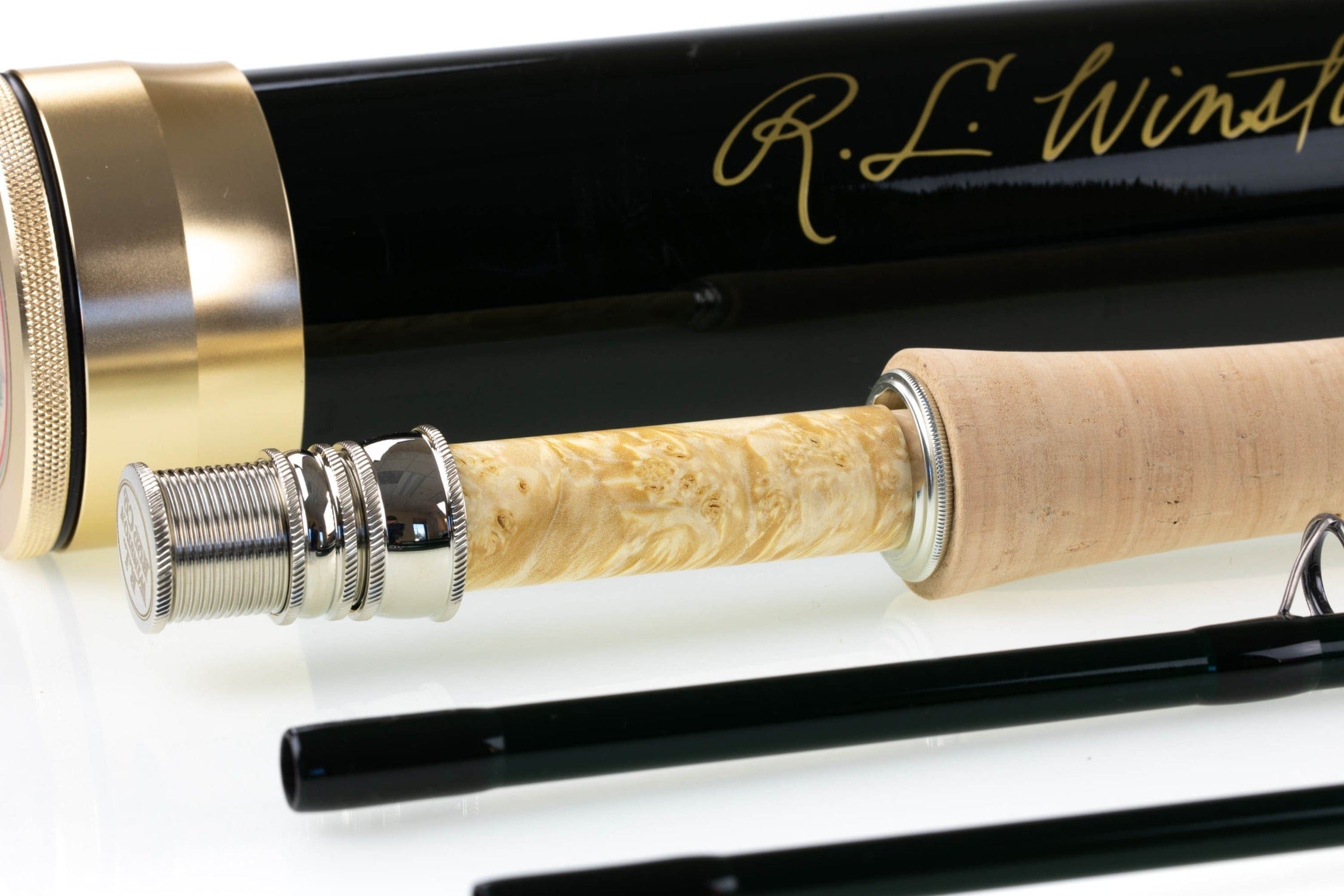
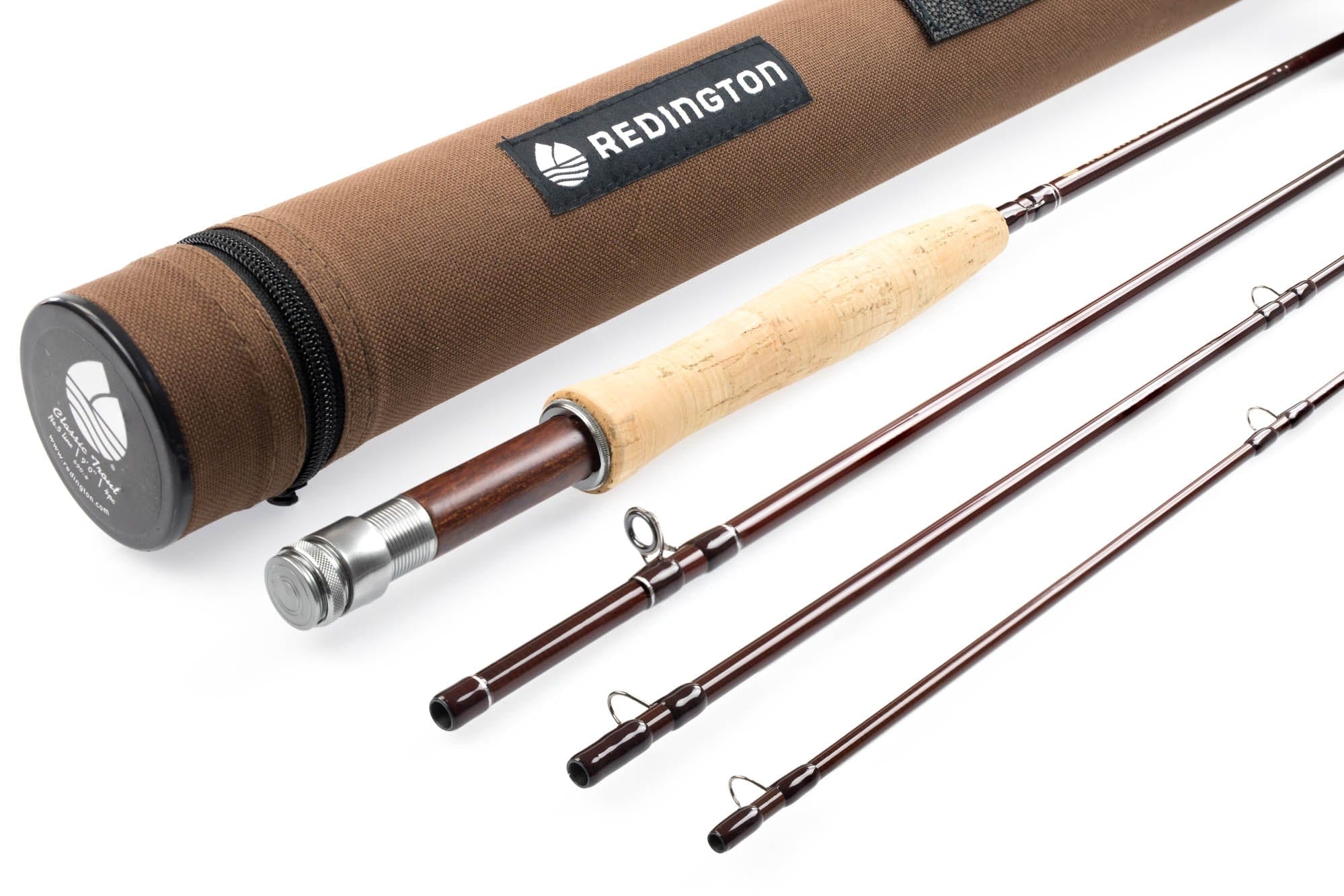
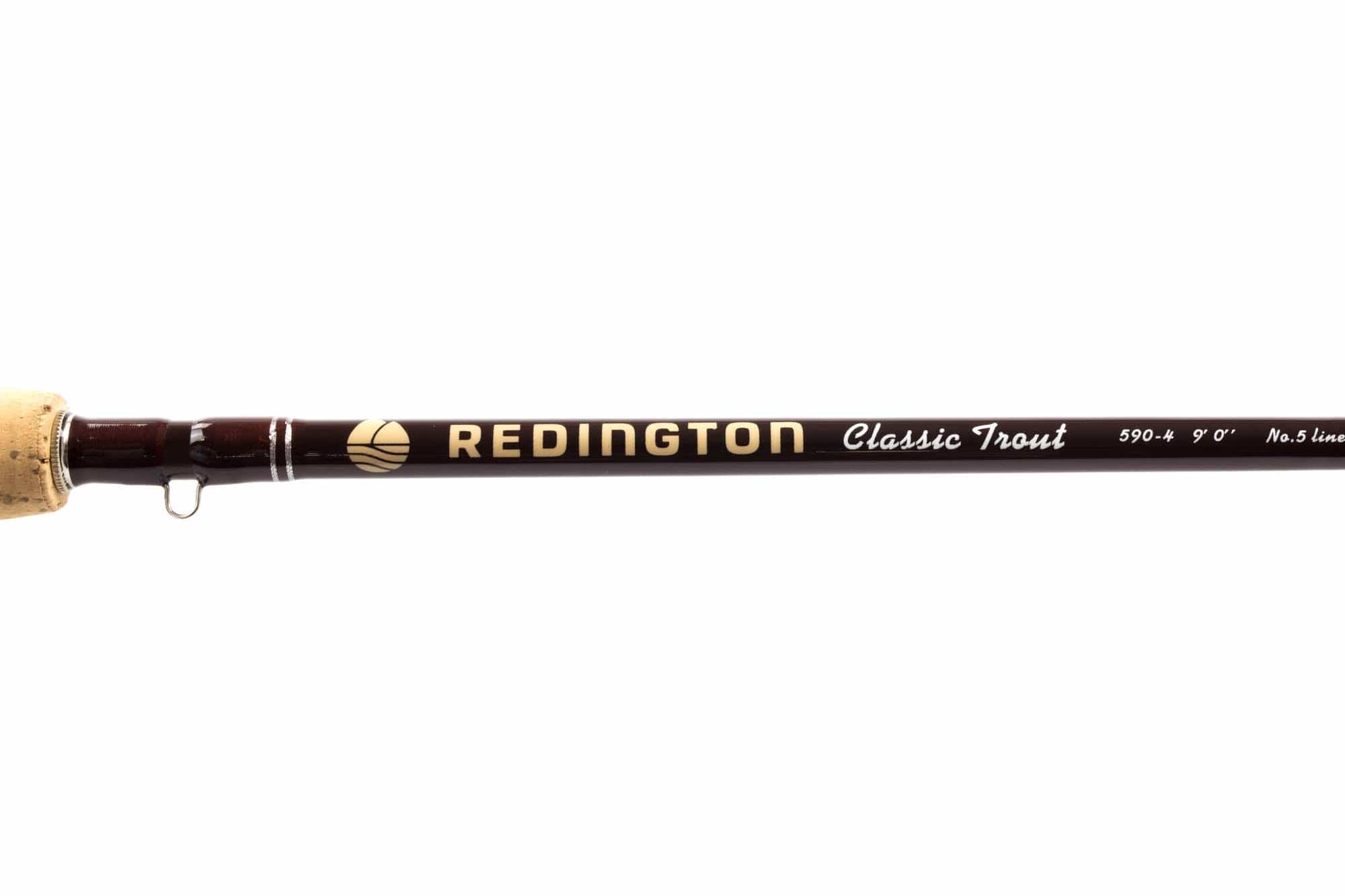
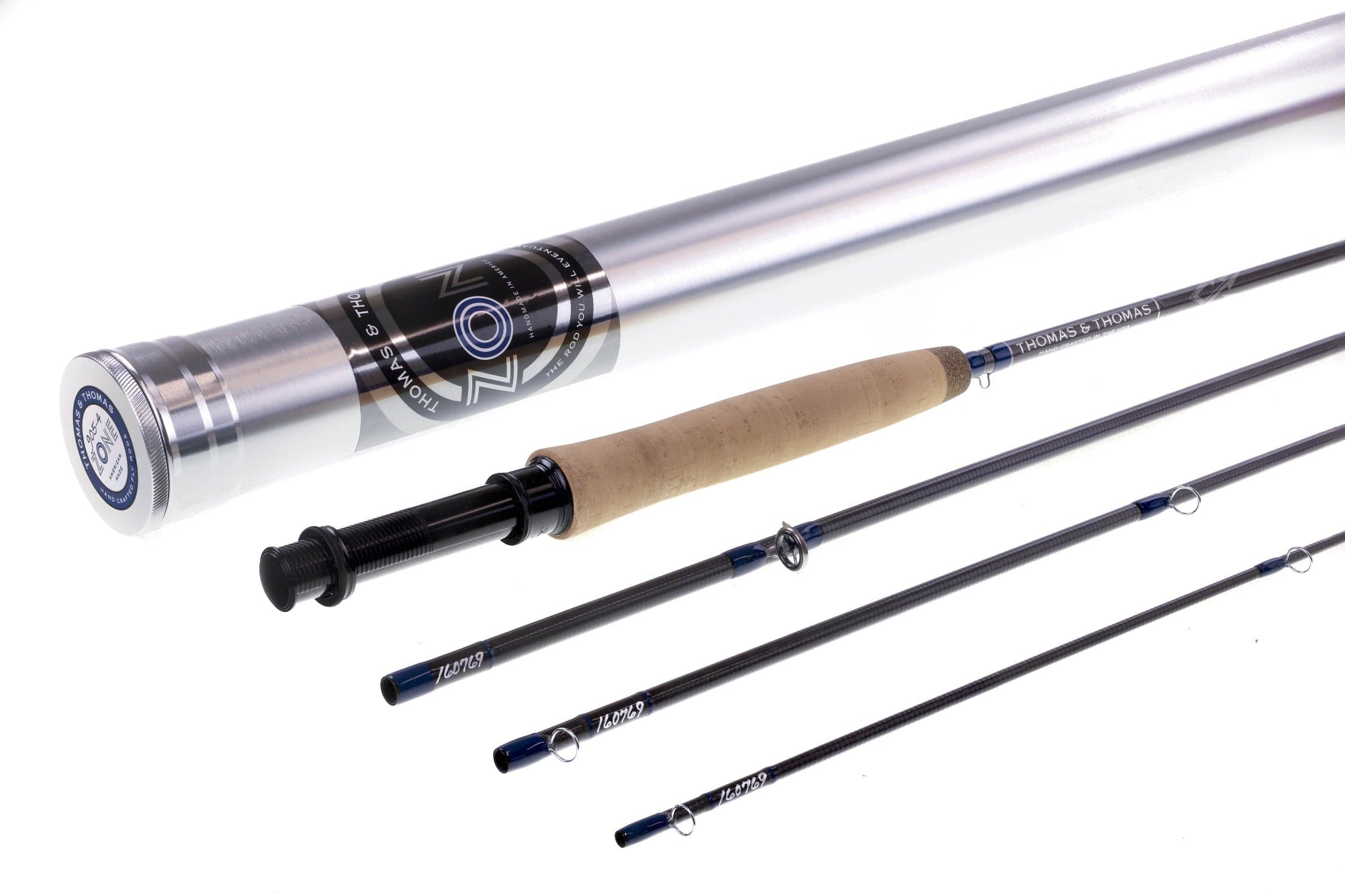
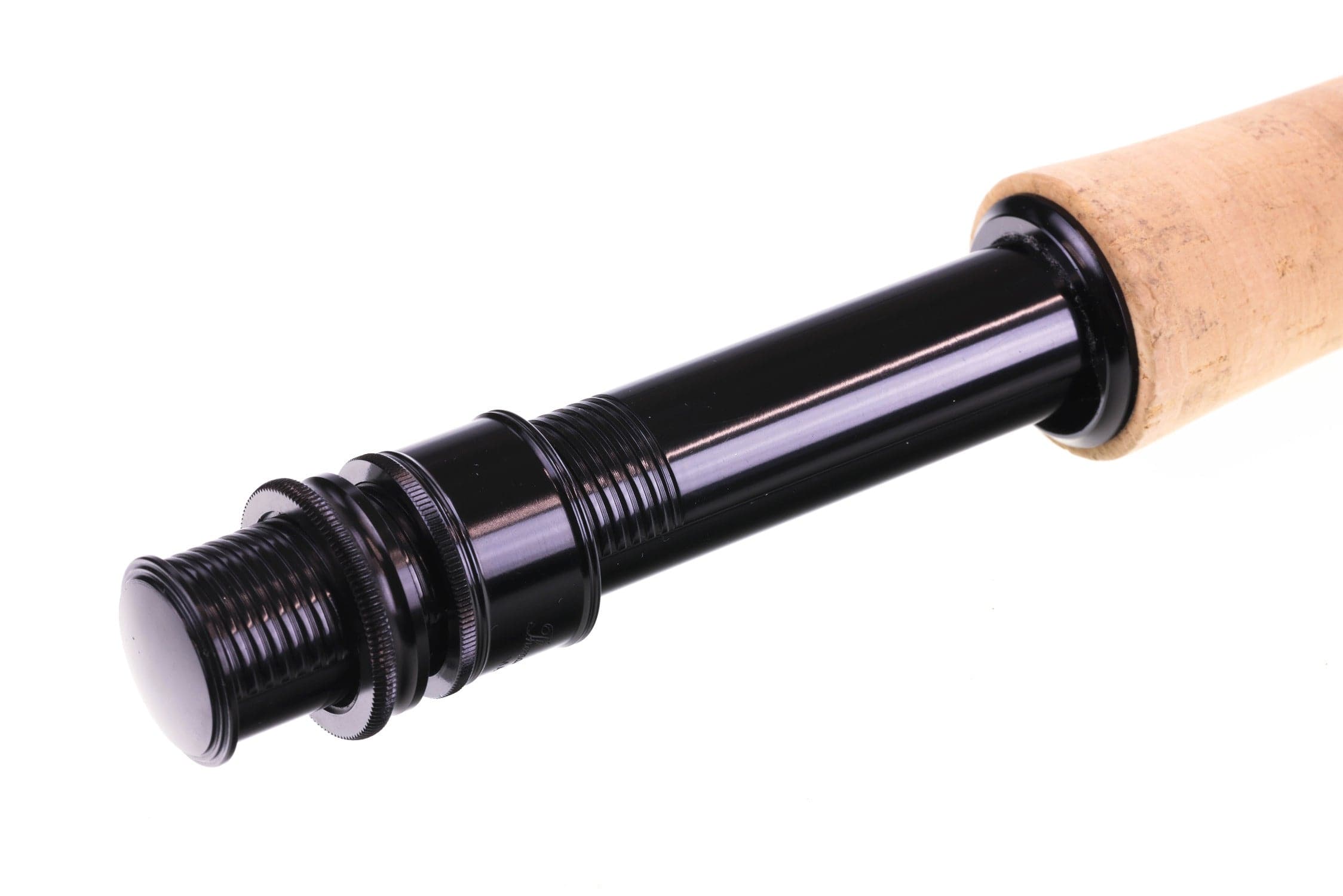


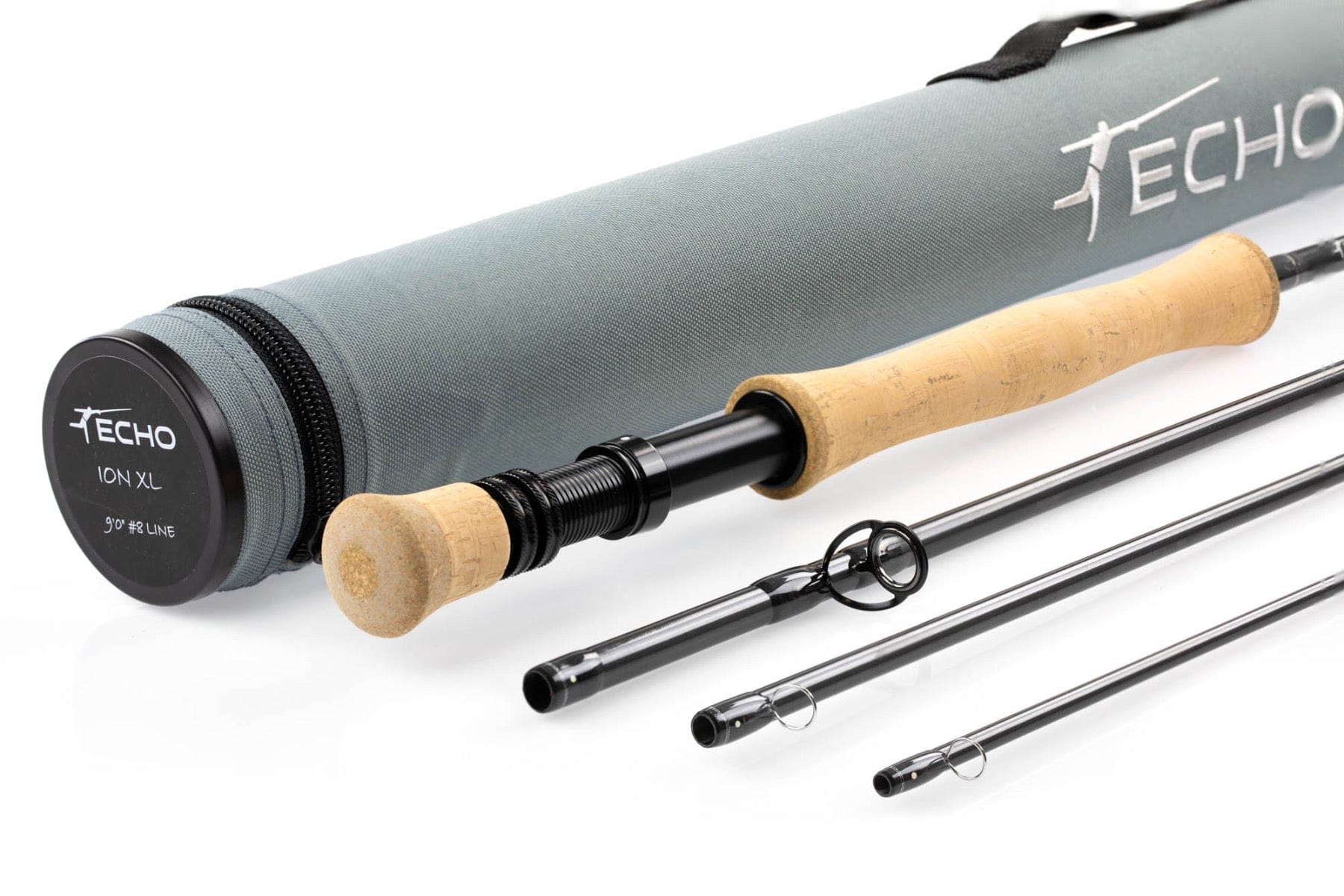
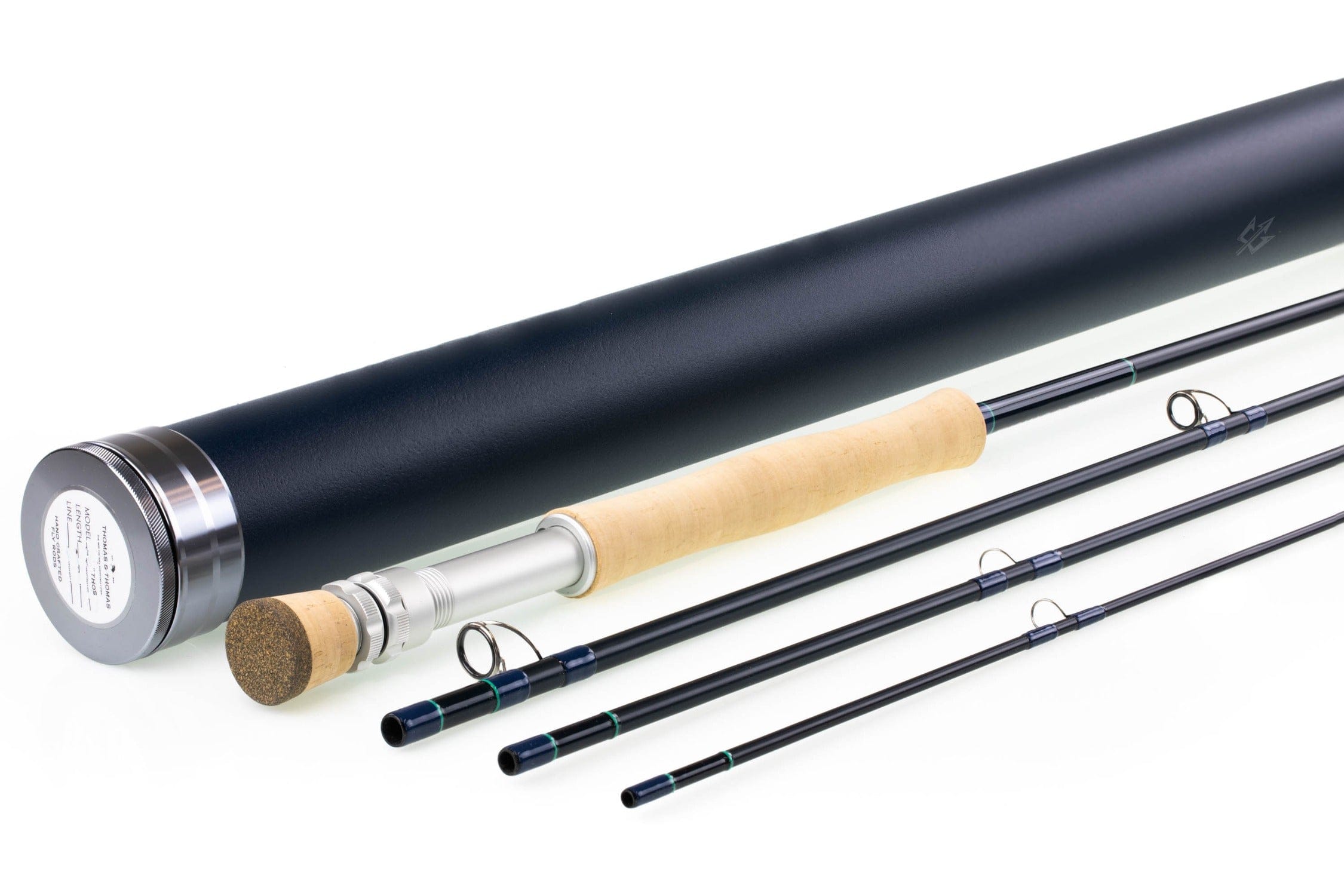



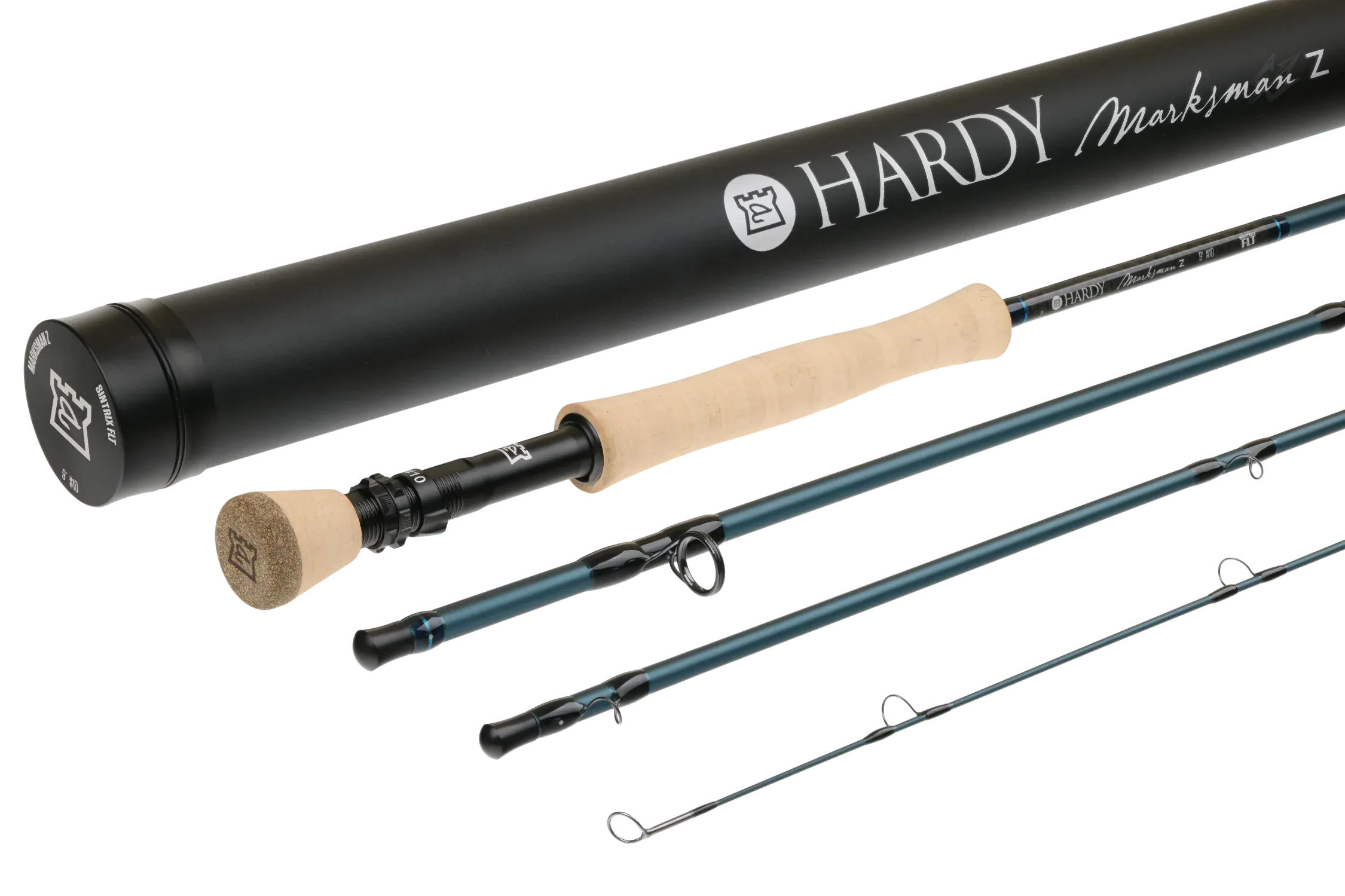
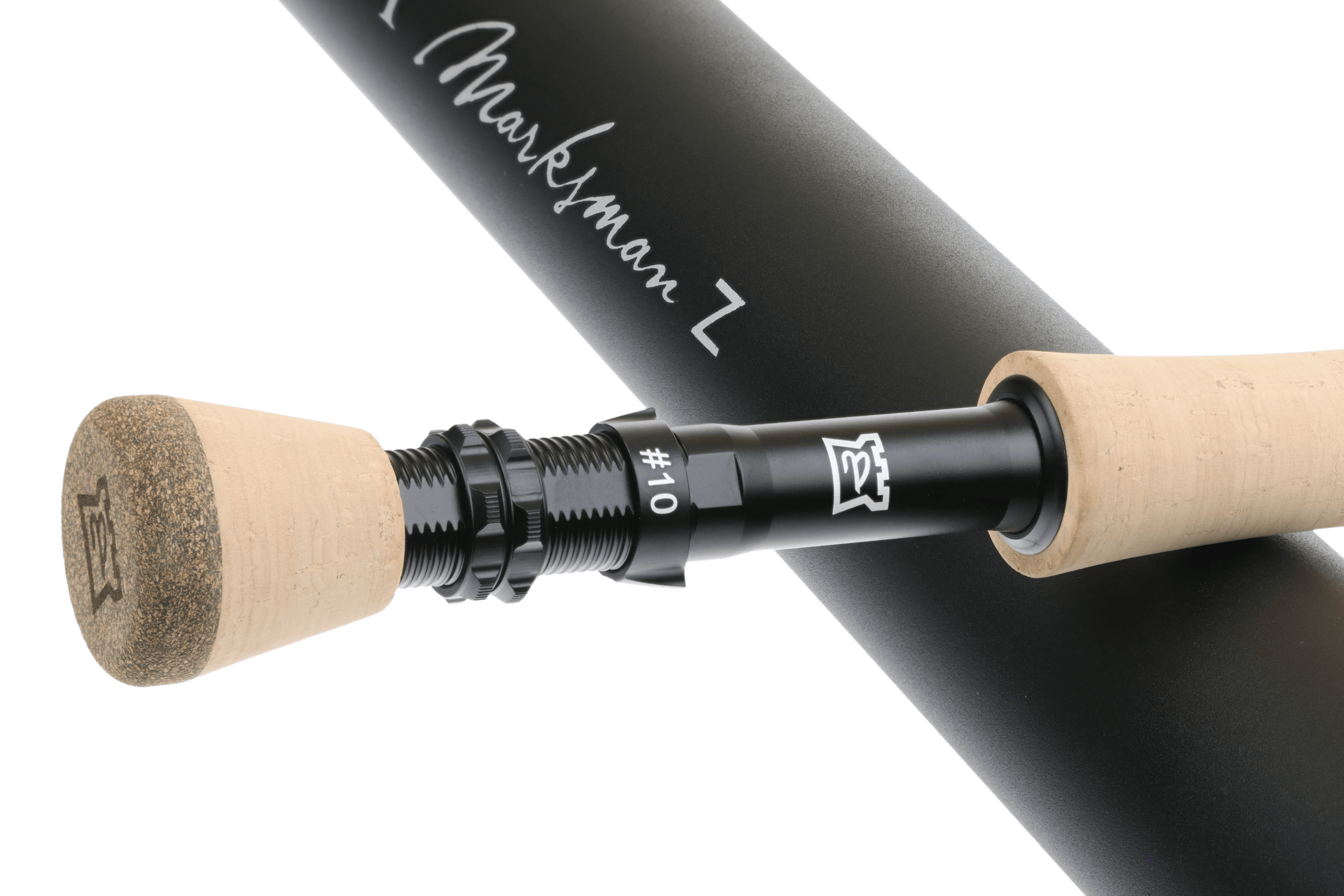
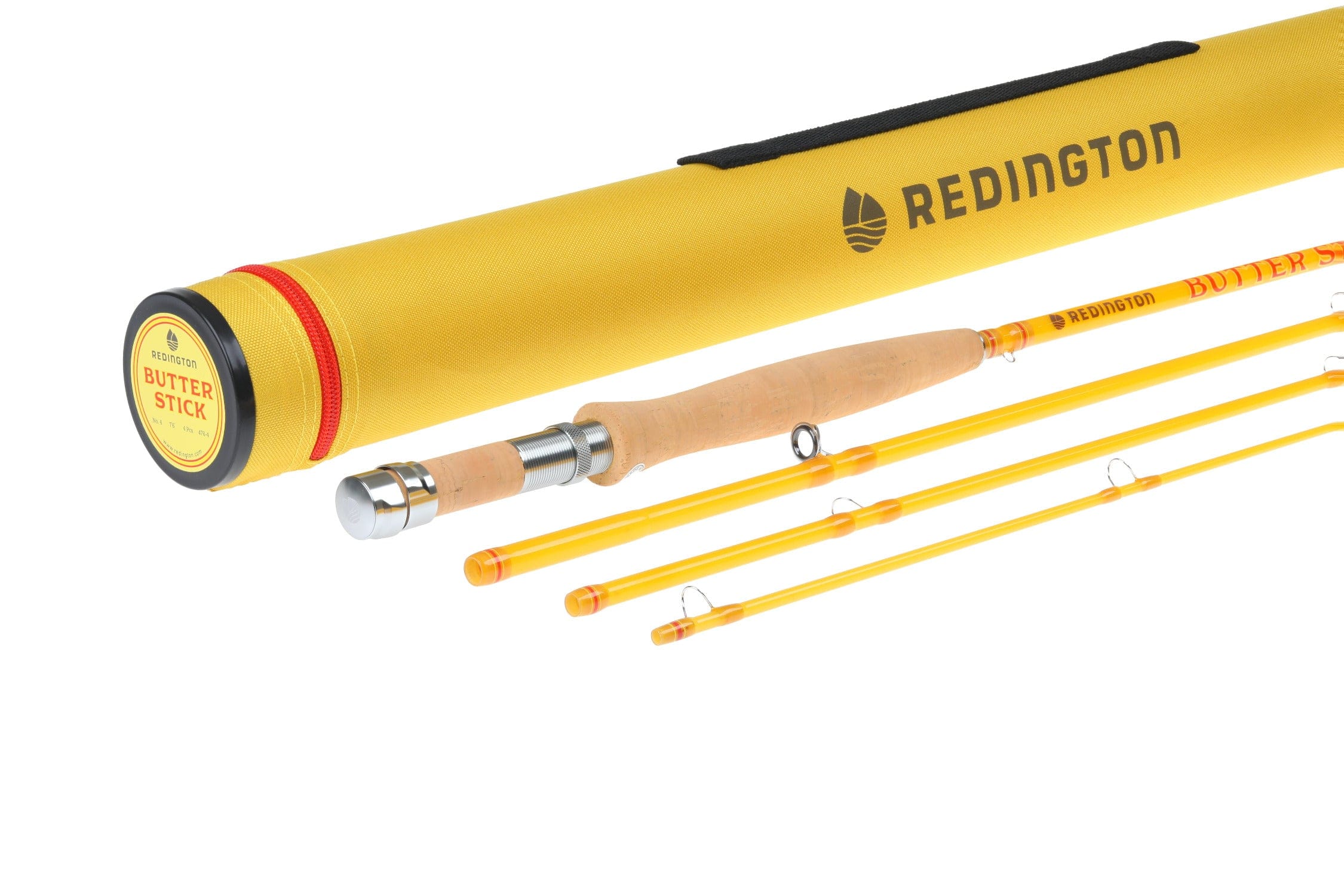
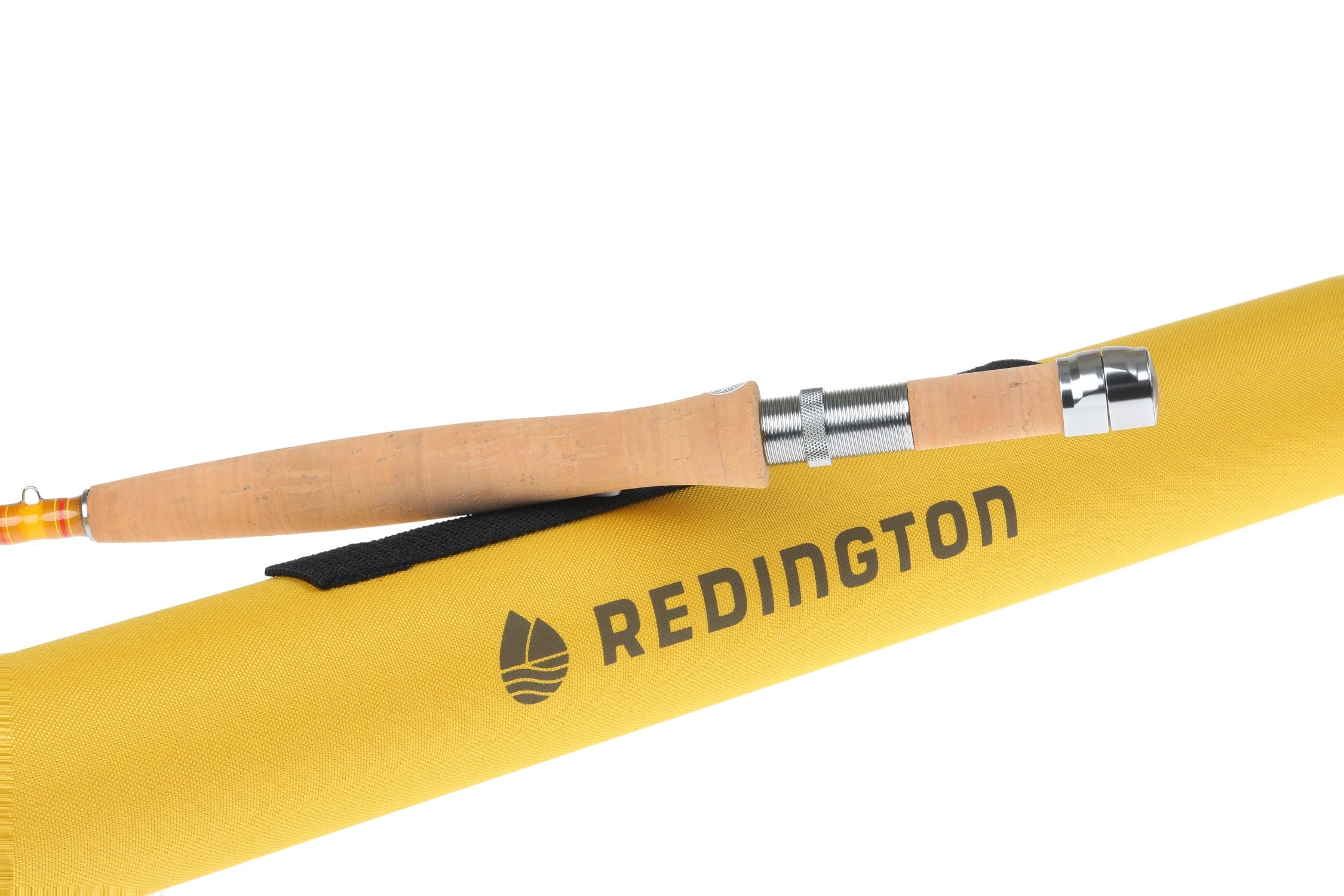
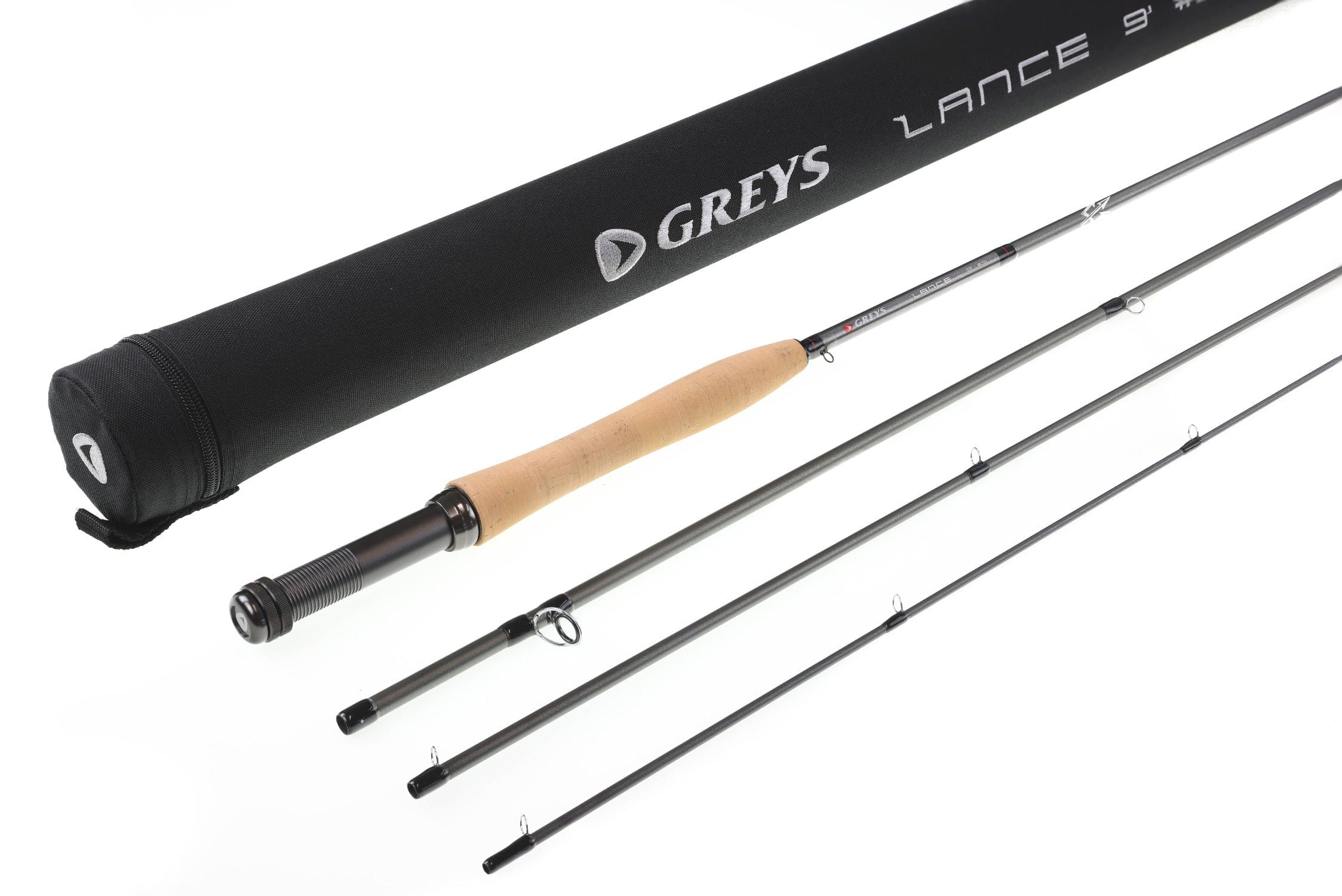
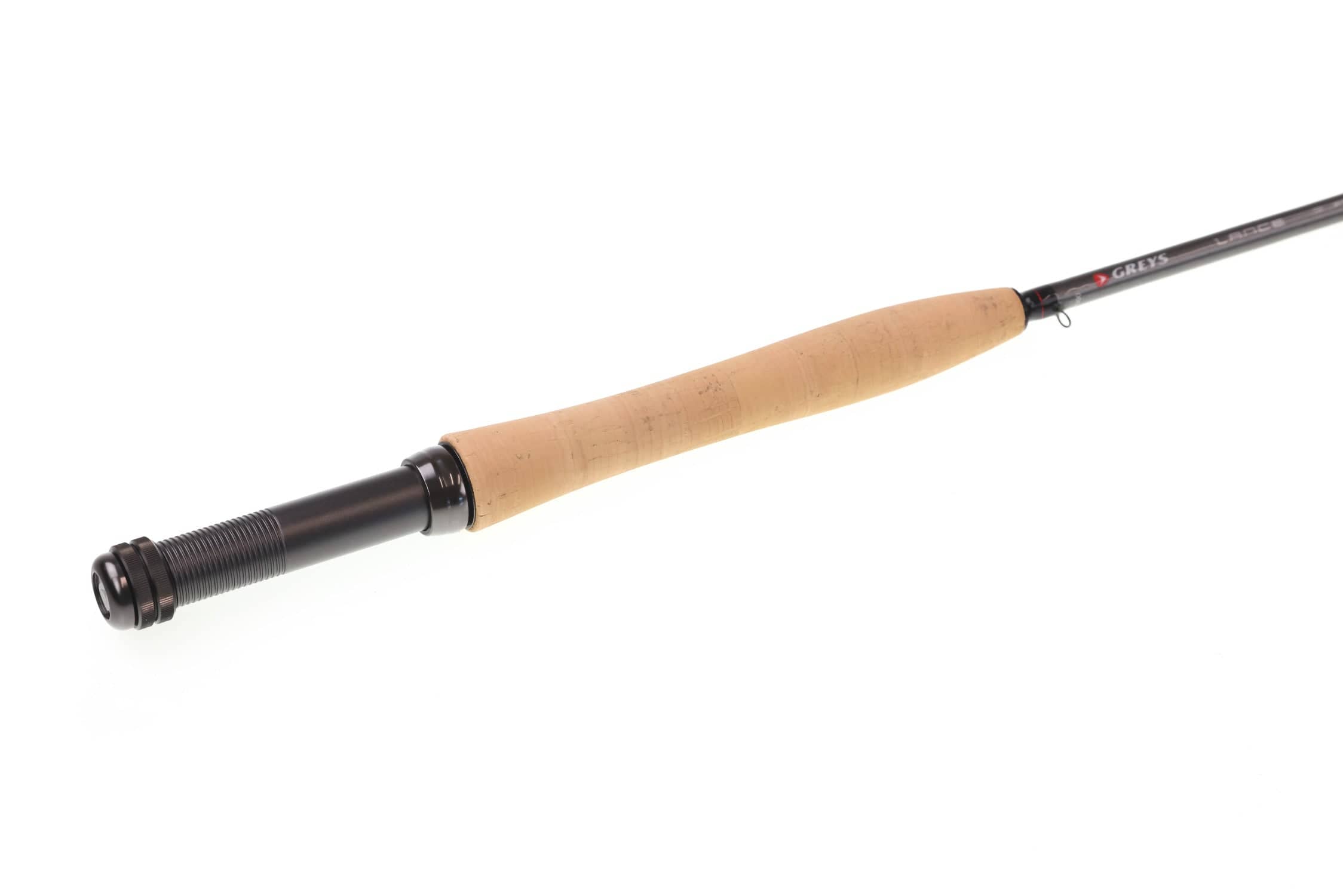
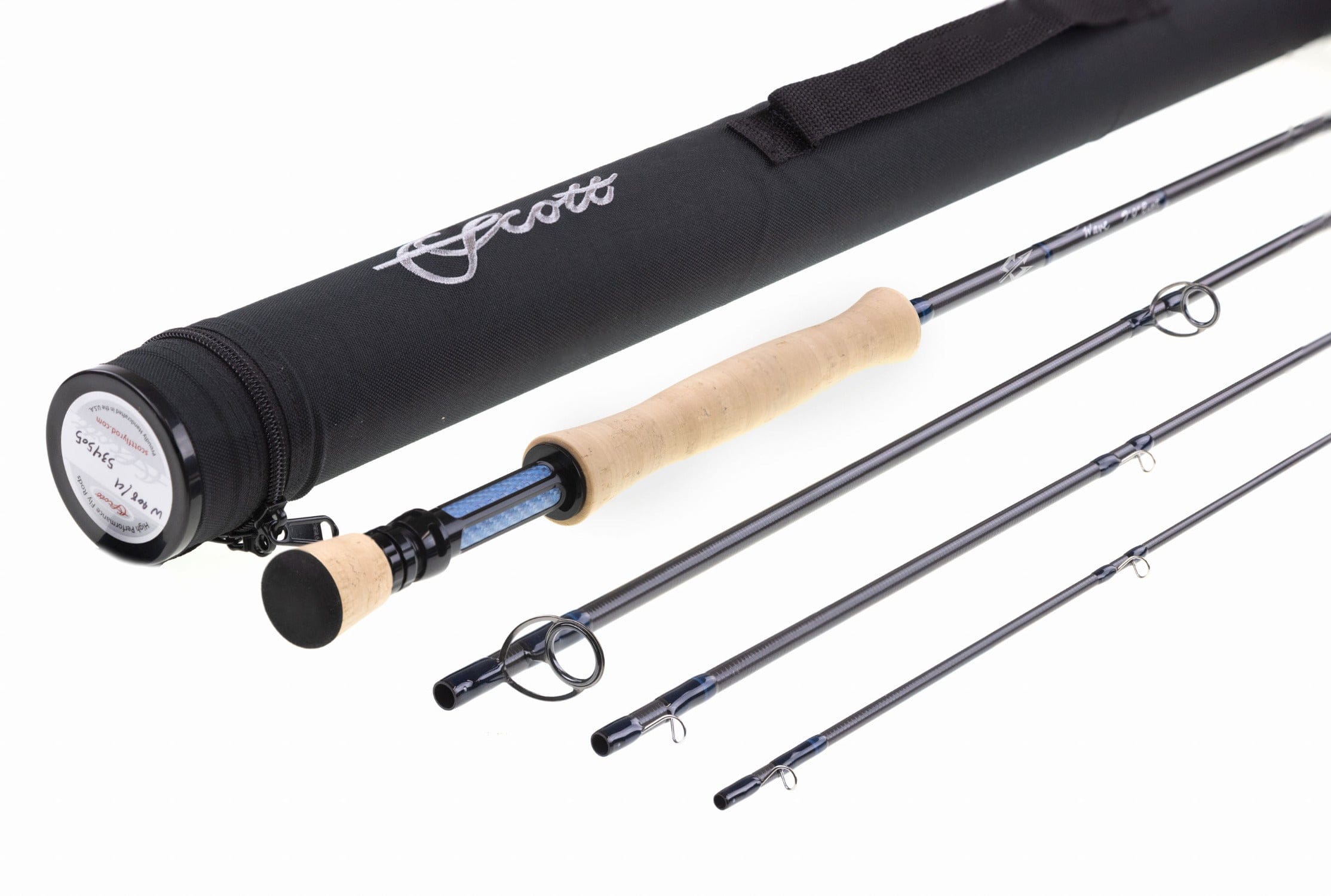
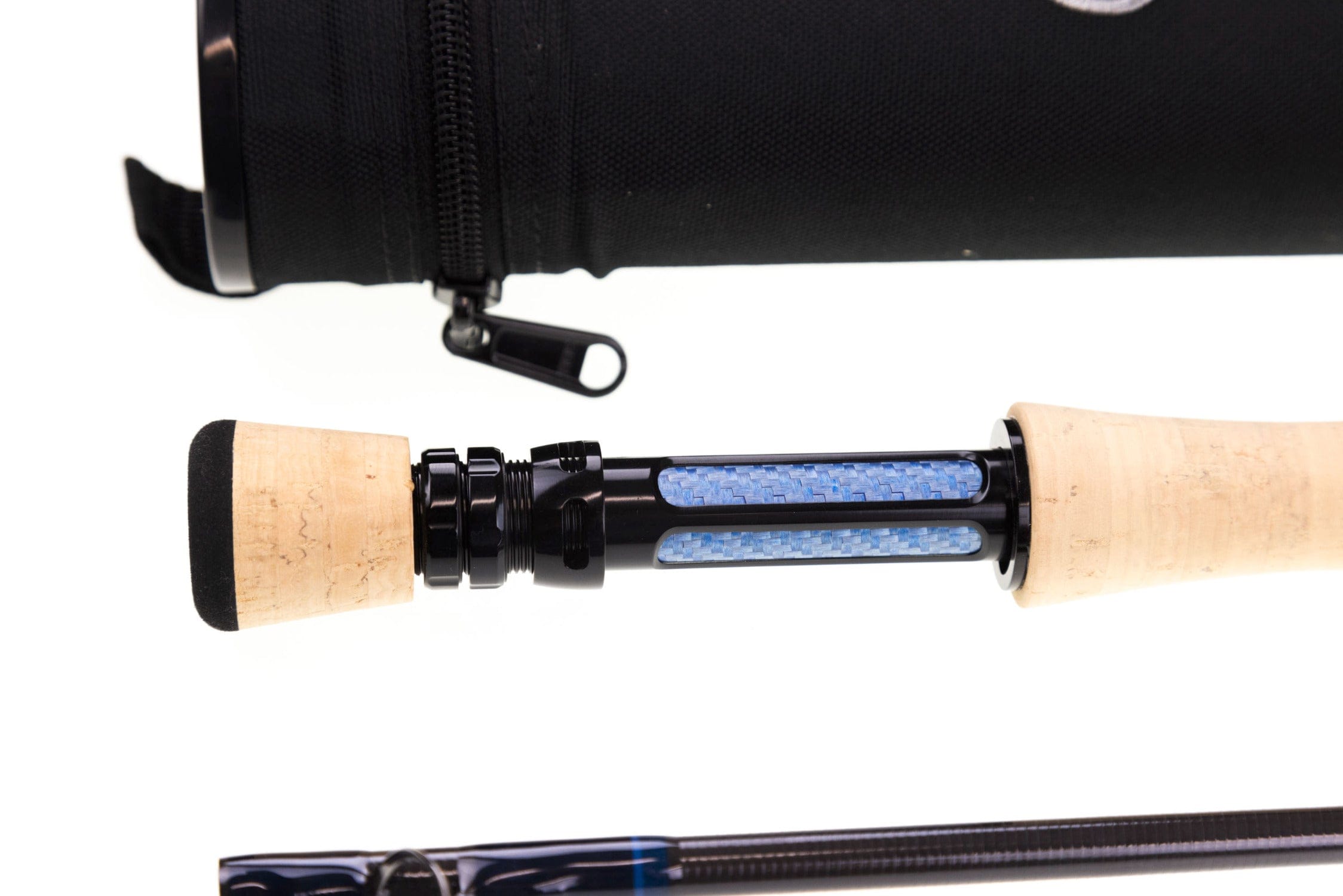
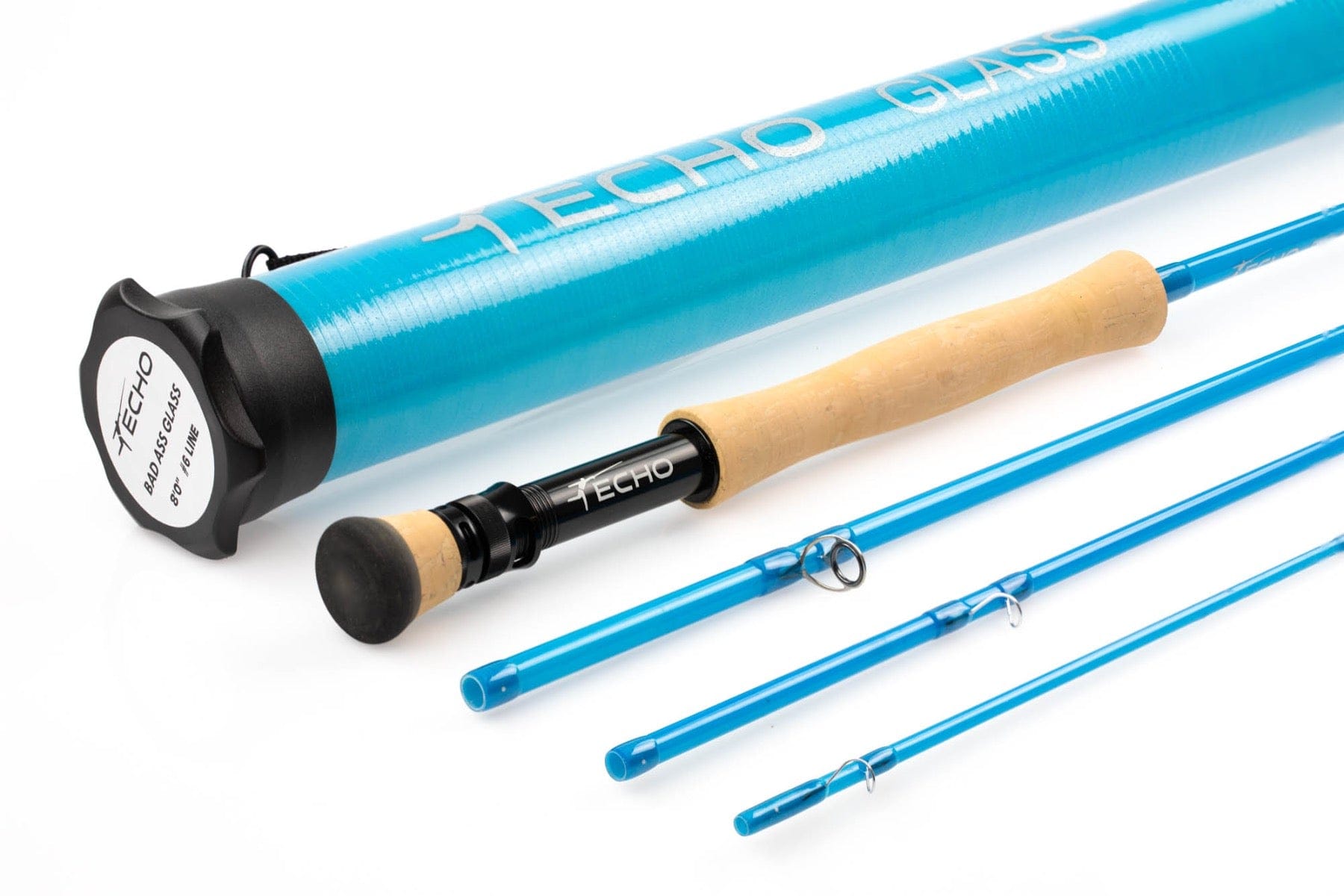
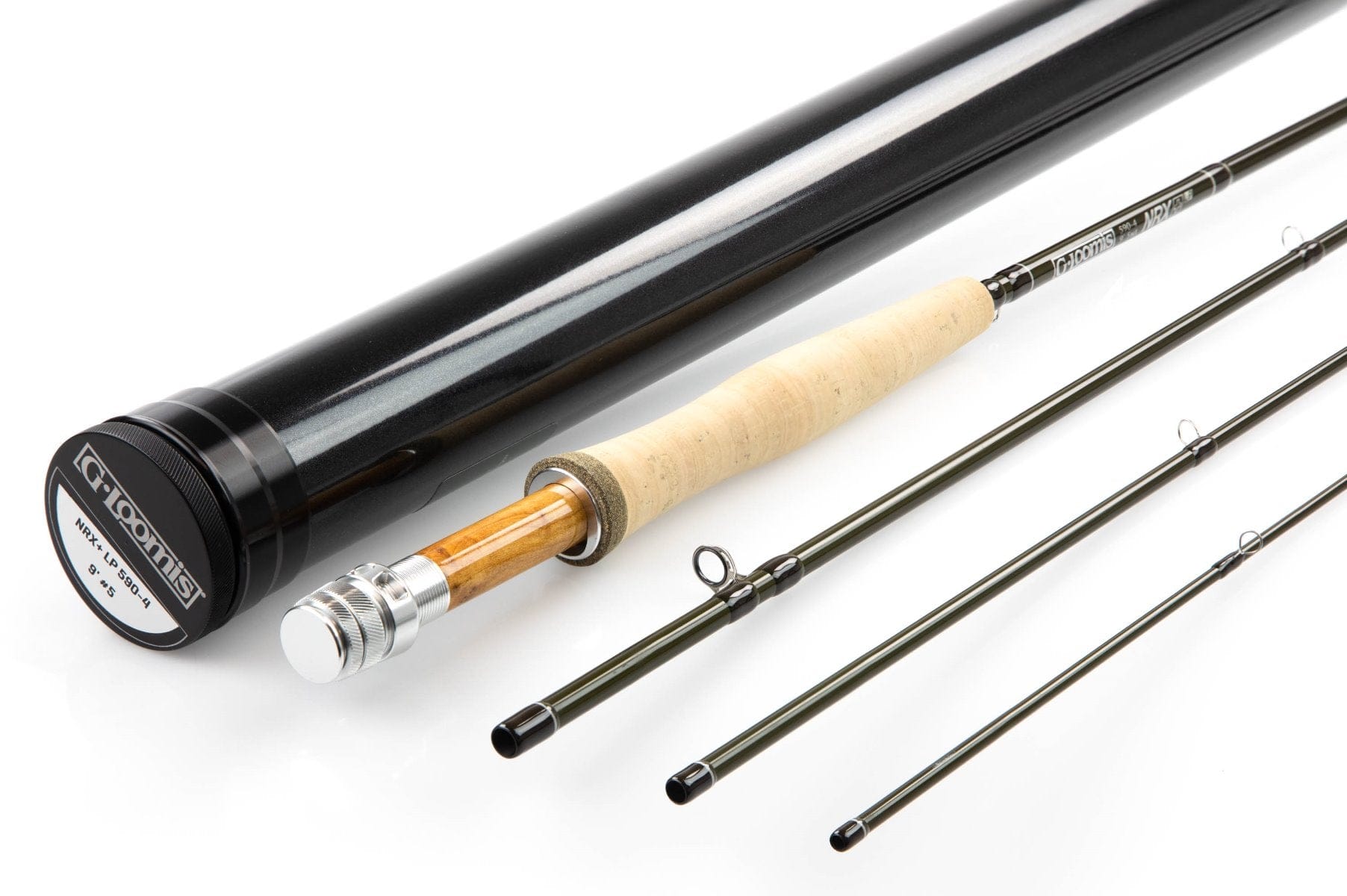
Fly Rods Quick Picks
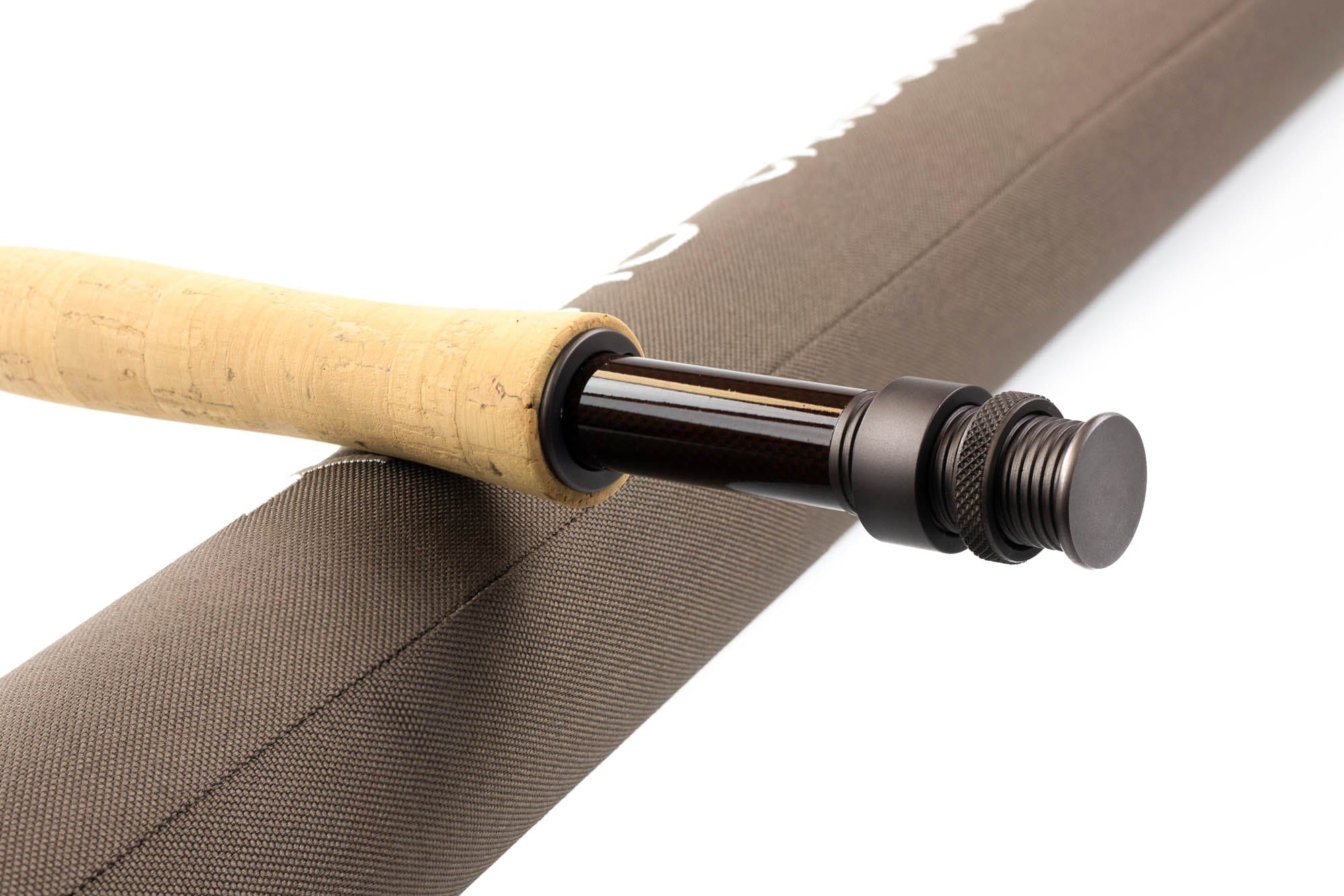
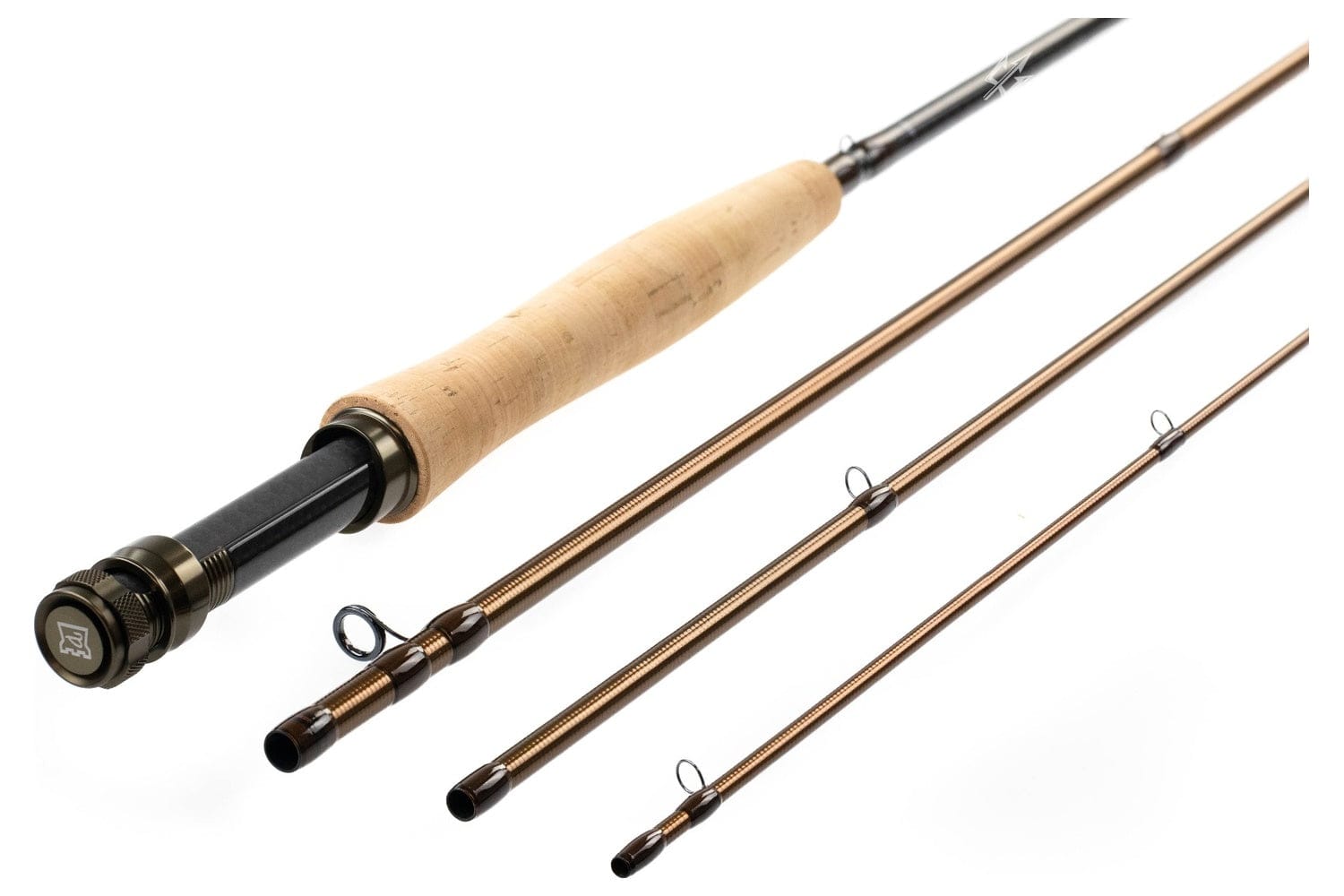
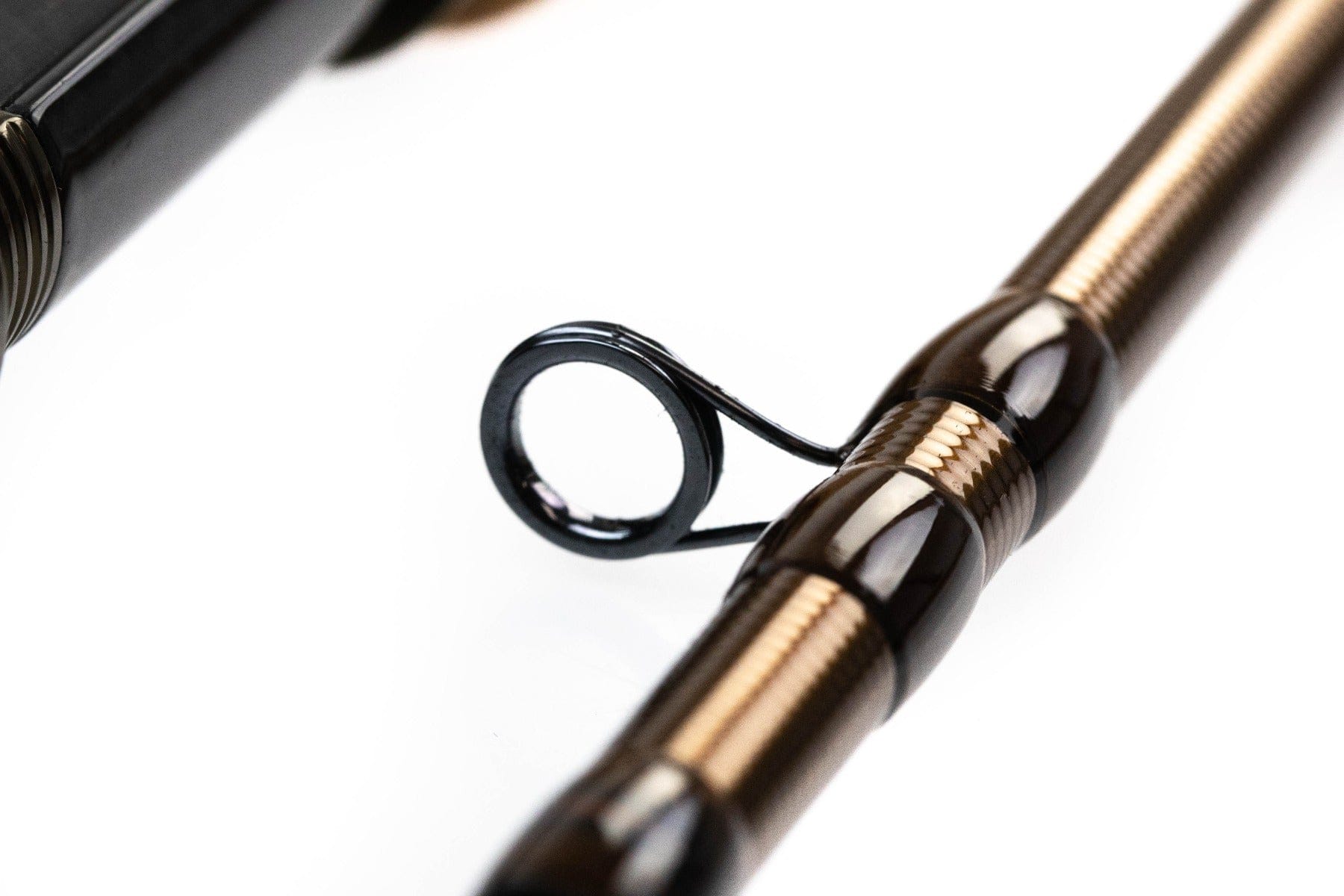
Best Premium All-Around: Sage R8 Core Fly Rod - Designed for complete control and versatility, this rod is the ultimate tool for trout anglers who need one rod to do it all. Its revolutionary graphite technology delivers unmatched feel and casting precision.
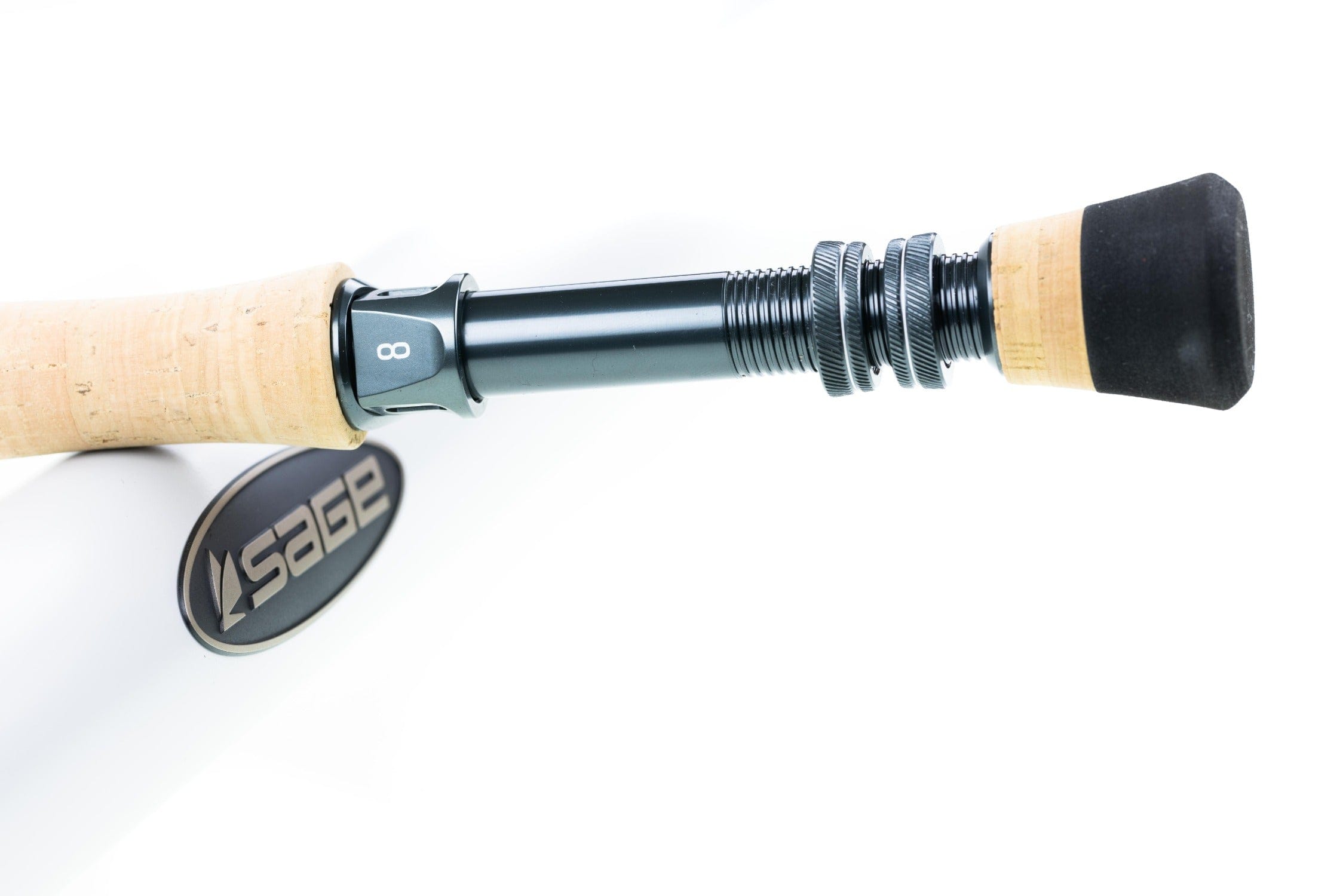
Best Saltwater Rod: Sage Salt R8 Fly Rod - Built to withstand the harsh saltwater environment while providing the power to punch through wind. This rod offers the lifting strength needed for tarpon and the touch required for spooky bonefish.
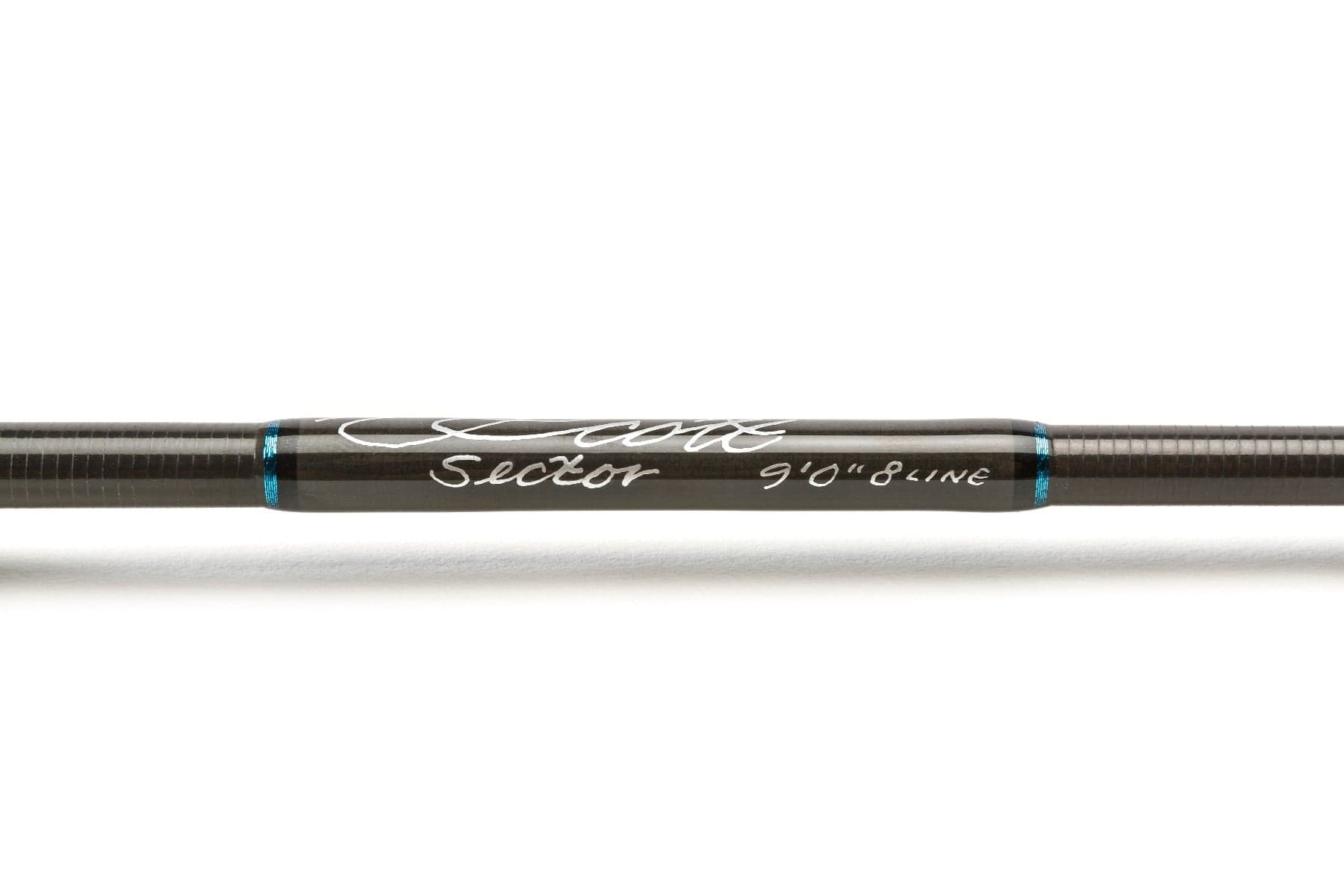
Best for Small Streams: Scott G Series Fly Rod - A legend in the medium-action category, this rod protects light tippets and delivers delicate dry fly presentations perfectly. It is the ideal choice for technical spring creeks and small mountain streams.
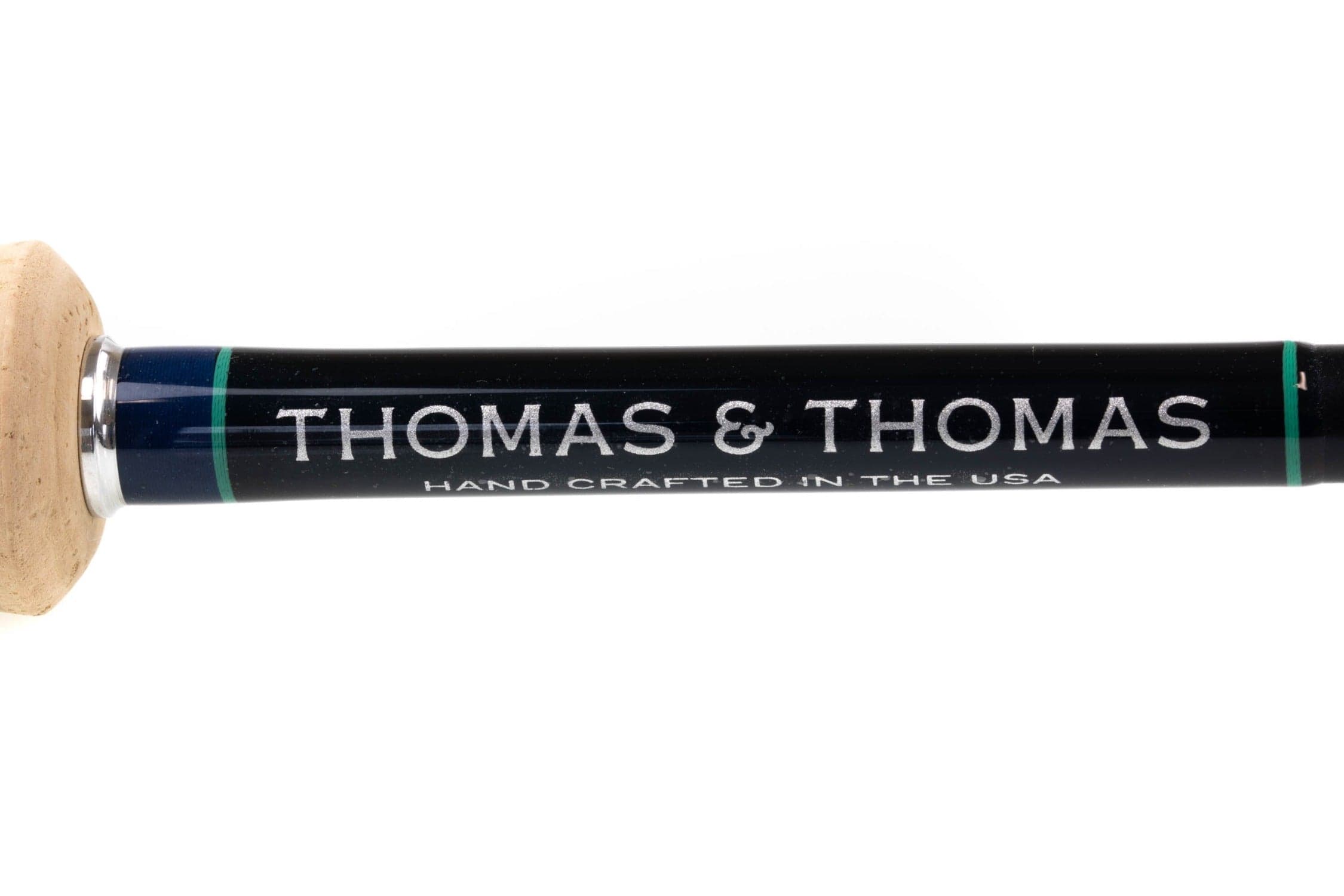
Best Euro Nymphing: Thomas & Thomas Contact II Fly Rod - Engineered specifically for tight-line techniques, this rod features superior sensitivity to detect the subtlest strikes. Its specialized taper allows for precise fly placement and improved hook sets.
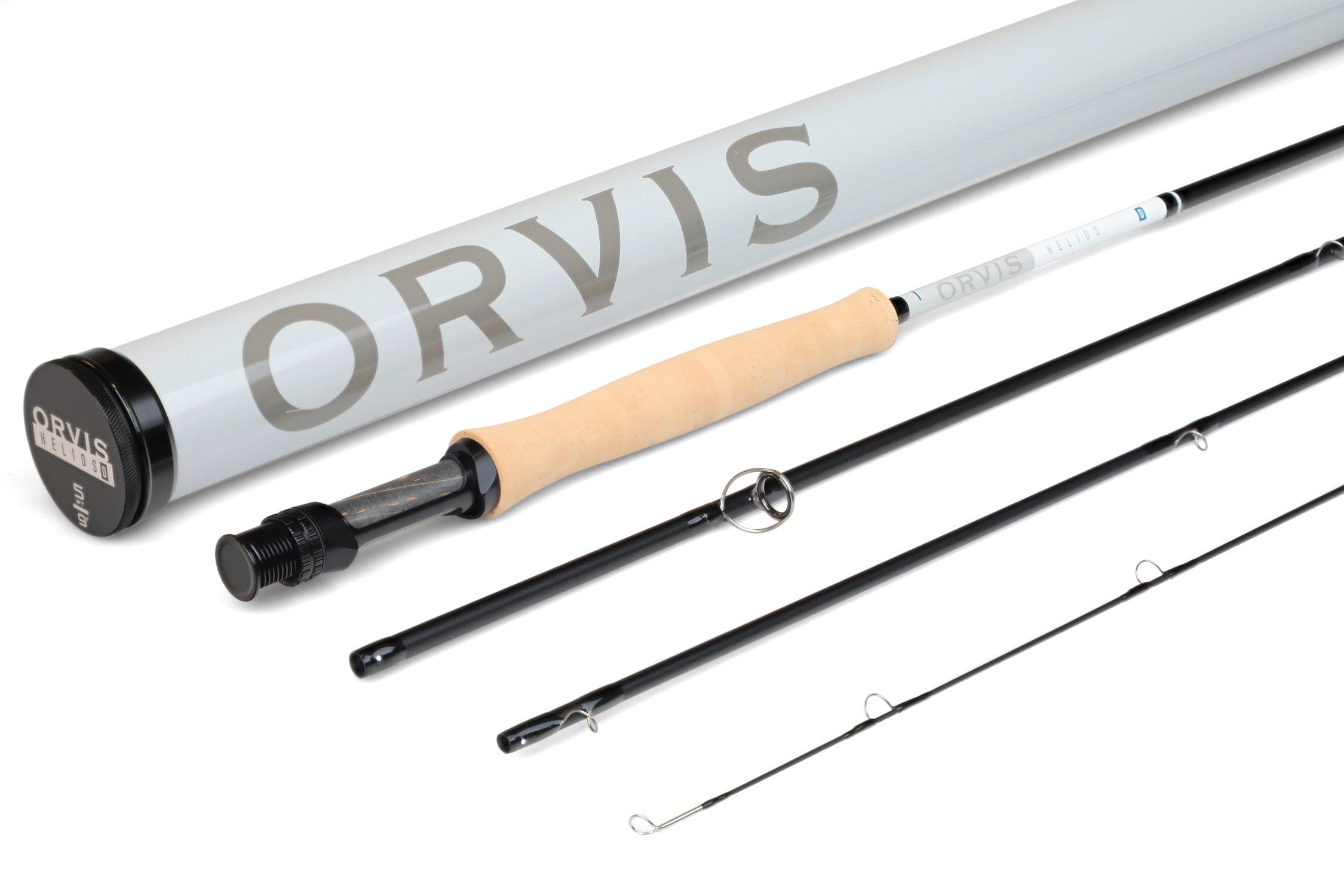
Best Value: Orvis Clearwater Fly Rod - Widely considered the best rod for the money, the Clearwater offers performance that rivals much more expensive models. It is a forgiving yet powerful option perfect for beginners and intermediate anglers alike.
Explore by Type
How to Choose Fly Rods
Line Weight
The most critical factor in choosing a fly rod is the line weight, which determines the size of the flies you can cast and the fish you can target. For small trout and panfish in creeks, a 1-3 weight rod offers delicacy and fun. The 5-weight is the gold standard for general trout fishing, capable of handling dry flies, nymphs, and small streamers. For bass, large trout, and light saltwater use, a 6-8 weight provides the necessary power. Heavy saltwater species like tarpon and GT require 10-12 weight rods to cast large flies and fight powerful fish.
Rod Action
Fast Action: These rods flex primarily near the tip. They generate high line speeds, making them ideal for windy conditions, long casts, and heavy flies. They are the standard for saltwater and streamer fishing.
Medium Action: Flexing down to the middle of the blank, these rods offer more "feel" and are more forgiving for beginners. They excel at delicate dry fly presentations and protecting light tippets.
Slow Action: Often found in fiberglass and bamboo rods, slow action rods flex deep into the butt section. They are perfect for a relaxed casting stroke and close-range fishing on small streams.
Length
The standard length for a versatile fly rod is 9 feet, offering a balance of casting distance and line control. Rods in the 7-8 foot range are excellent for small streams with overhanging brush. Conversely, rods 10 feet and longer are preferred for Euro nymphing and lake fishing, where extra reach helps manage line drift and keep flies in the strike zone.
Care & Maintenance
Rinse After Use: Always rinse your rod with fresh water after fishing in saltwater to prevent corrosion on the guides and reel seat.
Ferrule Wax: Periodically apply ferrule wax to the male ferrules to prevent them from sticking or coming loose during casting.
Storage: Always store your rod in its tube when not in use. Never leave a wet rod in a sealed tube for long periods; let it dry first.
Avoid Car Doors: The most common cause of rod breakage is car doors and windows. Break your rod down before walking back to the vehicle.
Complete Your Setup
Related Gear
Fly Reels - Balance your new rod with a reel that matches its weight and line capacity.
Fly Lines - The right line is essential for loading your rod properly; choose based on your target species and water temperature.
Related Guides
Fly Rods FAQs
Q: What is the best all-around fly rod weight for trout?
A: A 9-foot, 5-weight rod is universally considered the most versatile choice for trout. It is light enough for dry flies but has enough backbone to cast nymph rigs and small streamers.
Q: Can I use a freshwater rod in saltwater?
A: You can, but it is not recommended for long-term use unless the rod has anodized saltwater-safe components. Saltwater rods are built with corrosion-resistant guides and reel seats to withstand the harsh environment.
Q: What is the difference between graphite and fiberglass rods?
A: Graphite is lighter, faster, and more powerful, making it better for distance and wind. Fiberglass is heavier and slower, offering a deep flex that is fun for small fish and protects light tippets well.
Q: How many pieces should my fly rod be?
A: Most modern fly rods are 4-piece models. This configuration offers the best balance of portability and performance, fitting easily into travel cases without sacrificing casting ability.
Q: Do expensive fly rods catch more fish?
A: While a rod doesn't catch fish on its own, premium rods offer better accuracy, lighter weight, and less fatigue. This allows you to cast more efficiently and detect strikes better, which can lead to more success on the water.