


Fly Tying Materials for Beginners - Hackle Primer

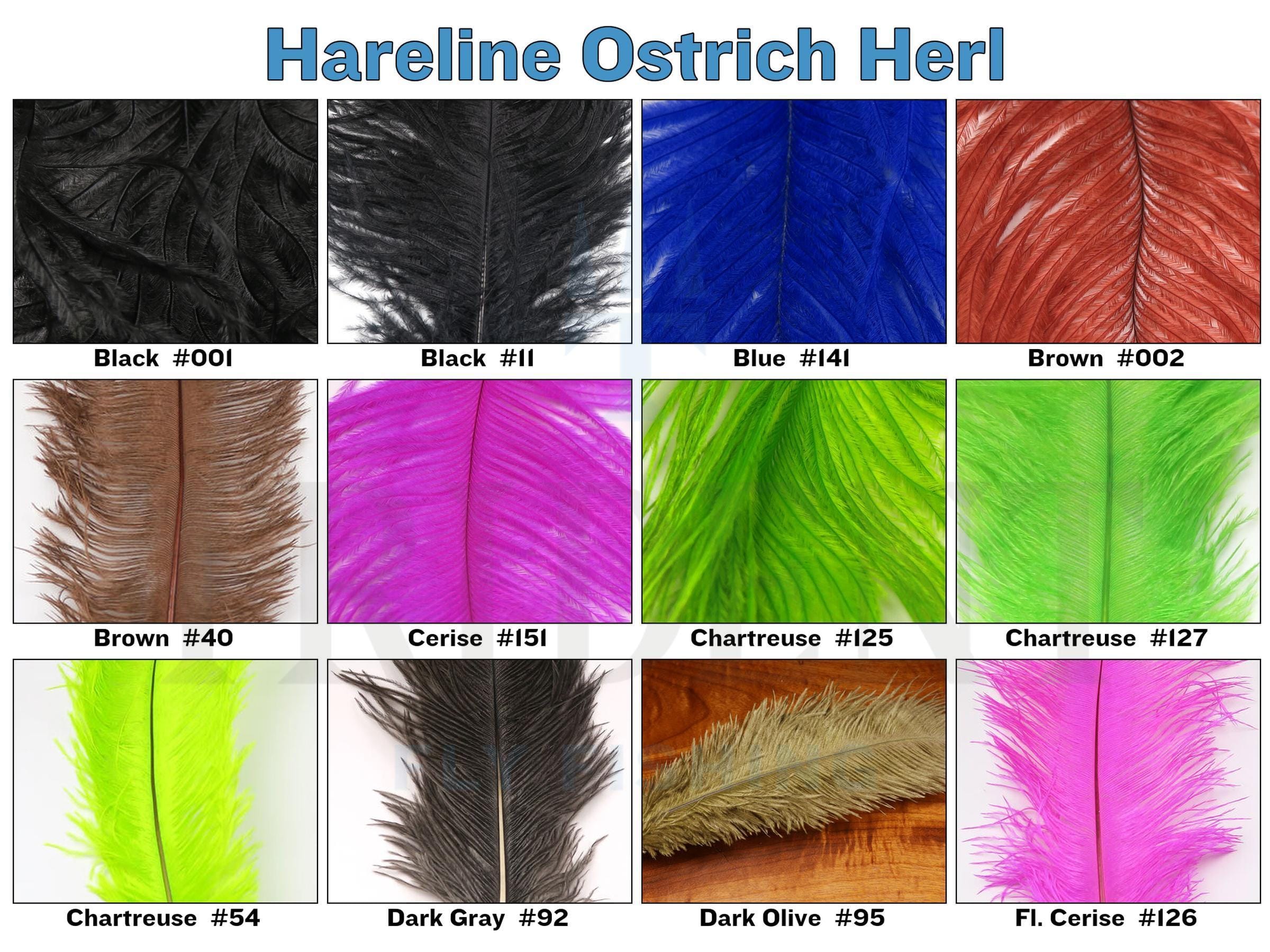
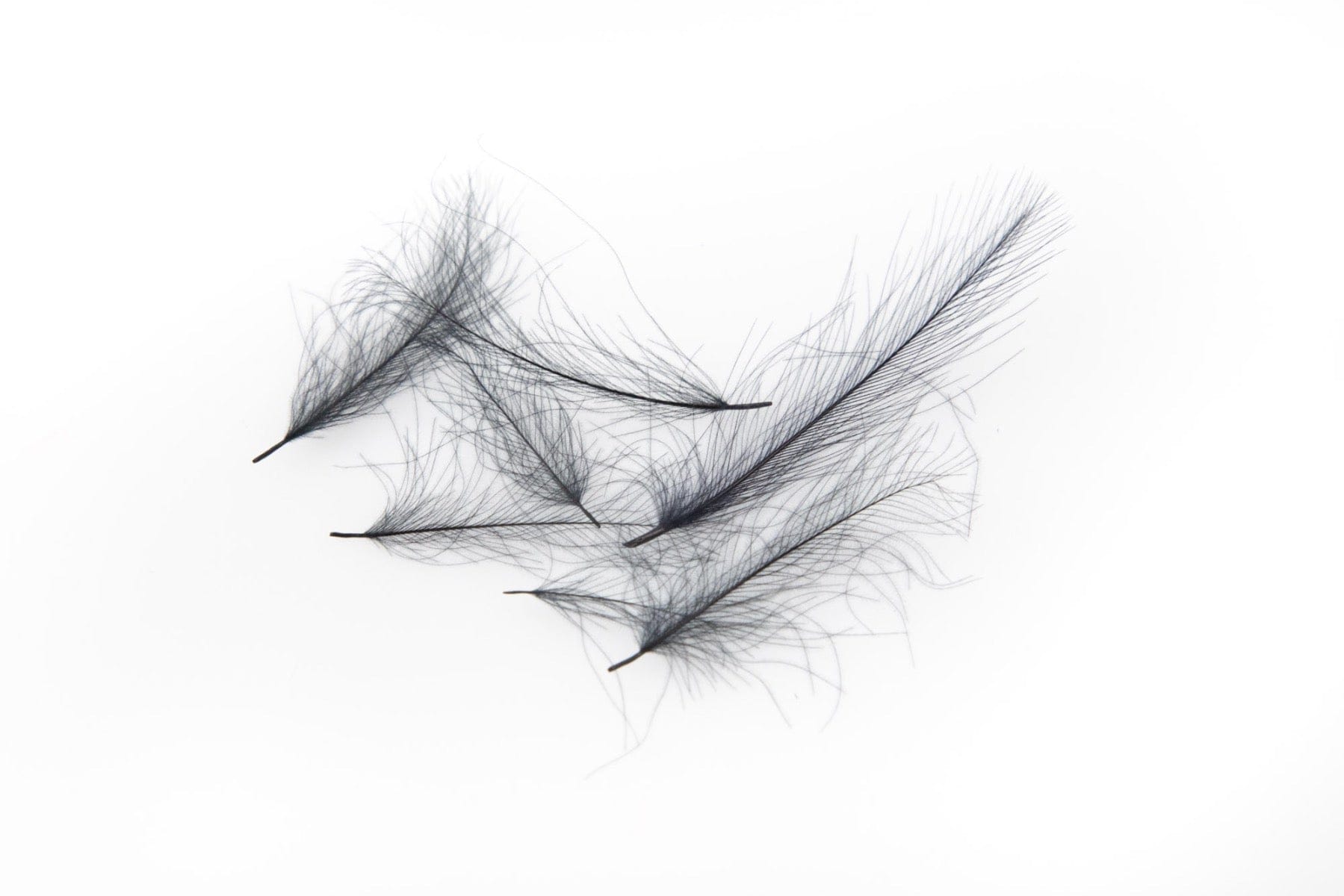
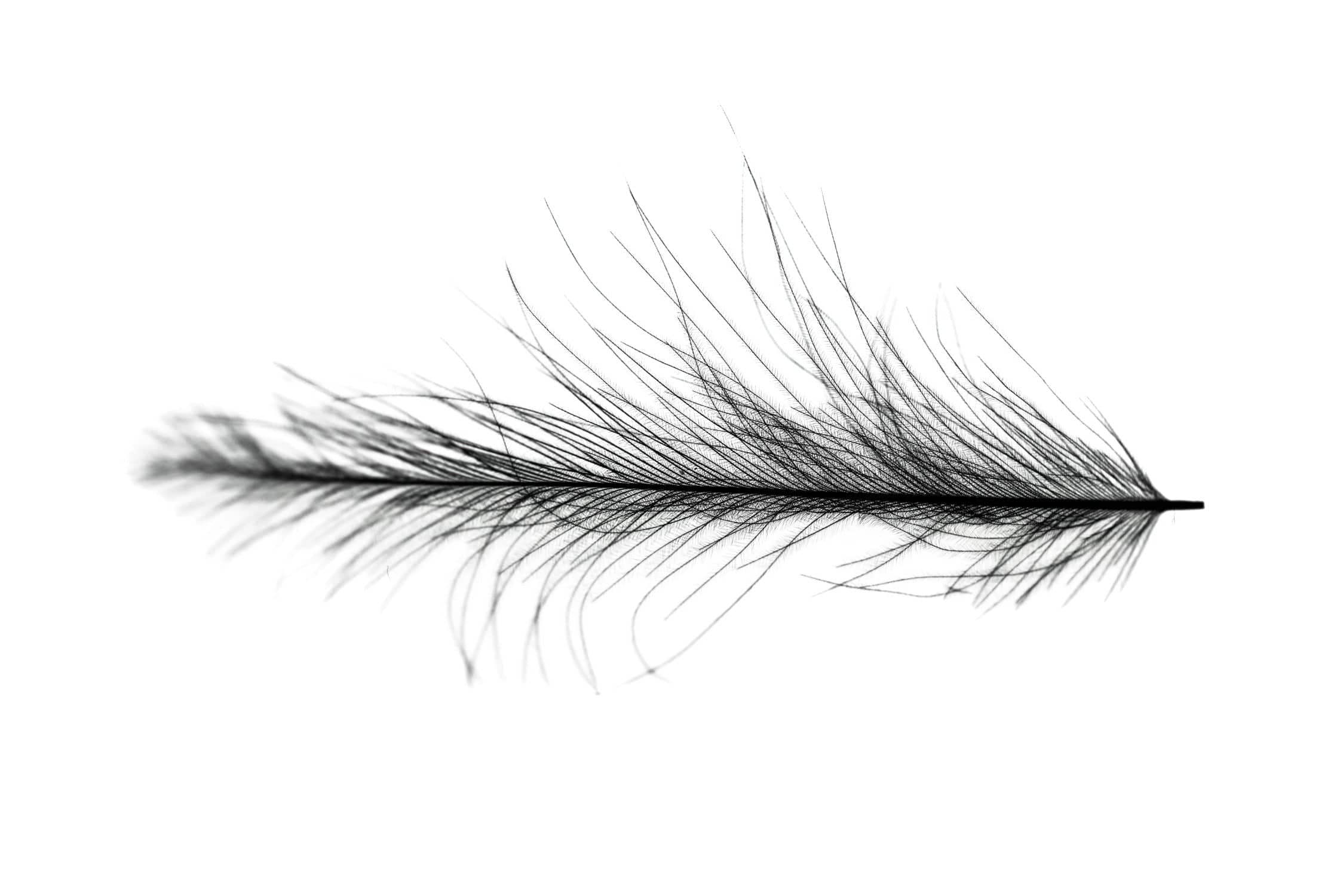
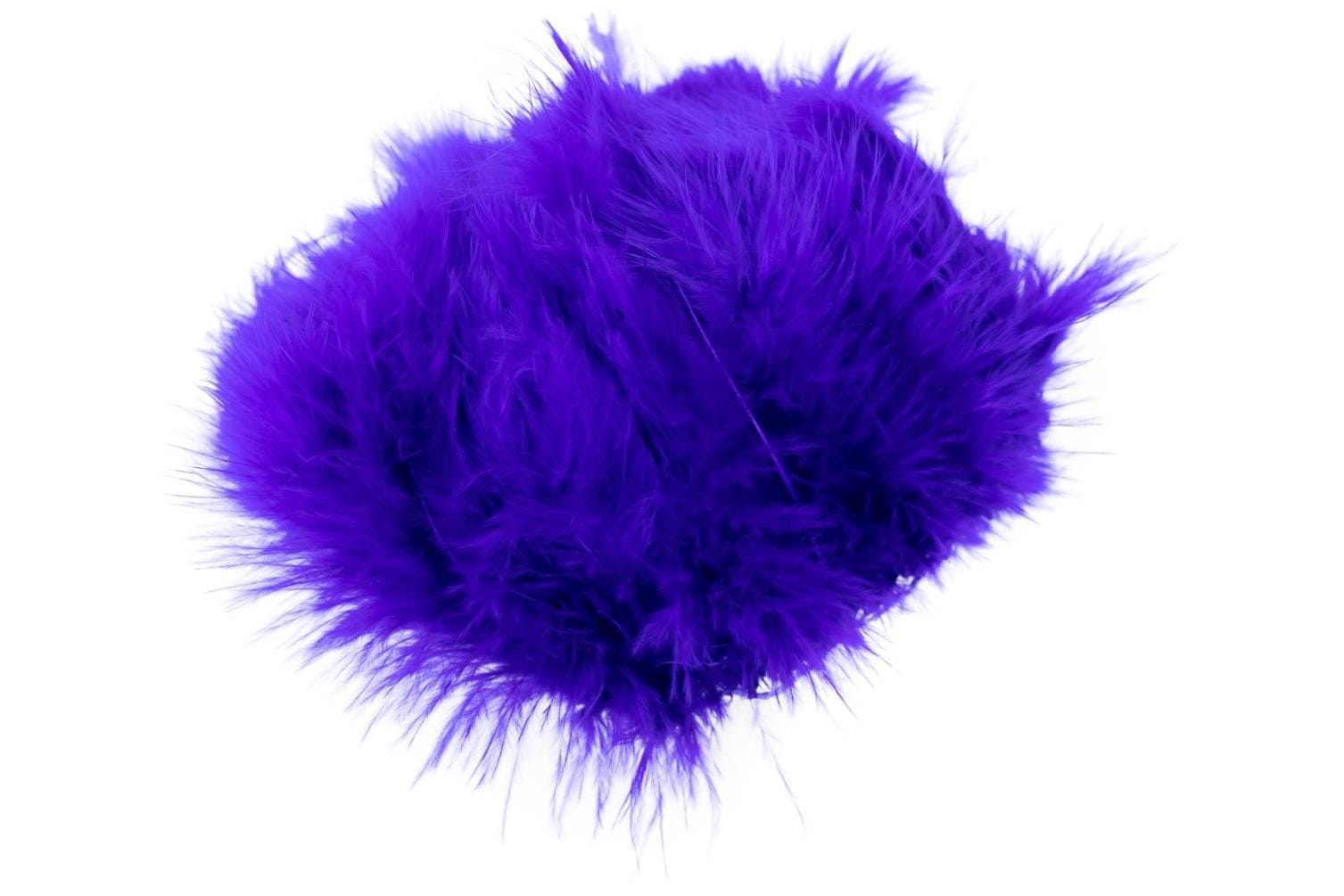




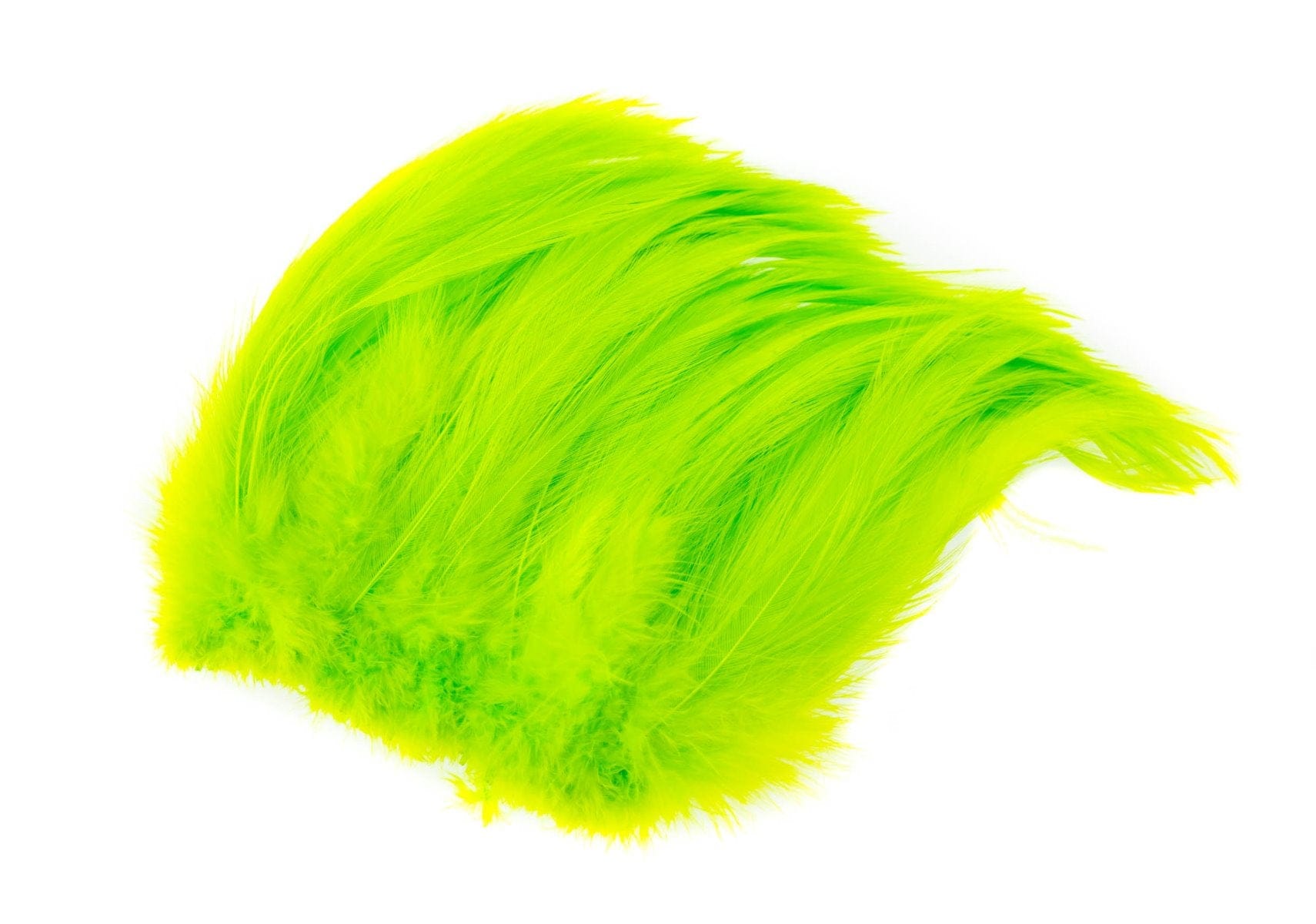
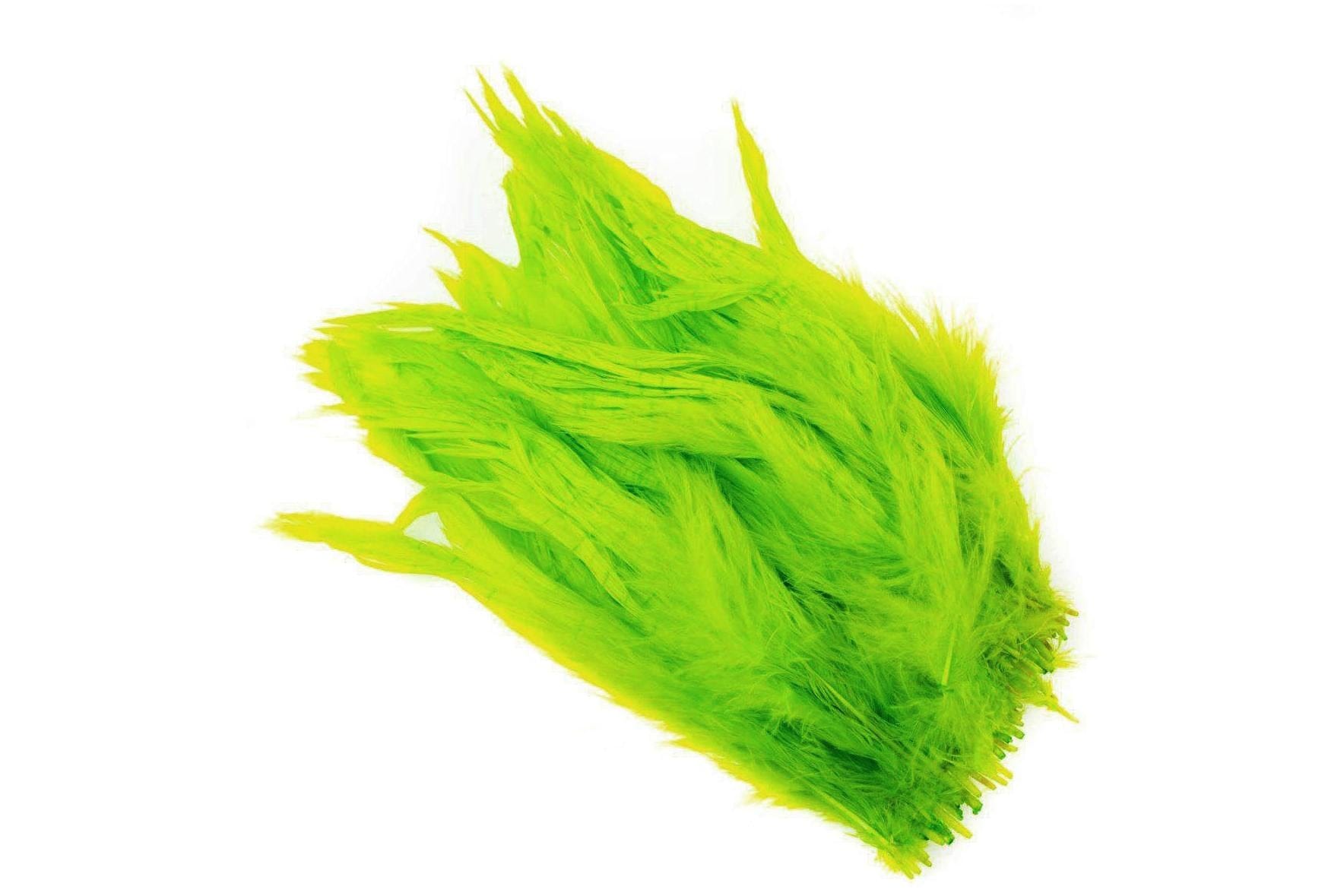
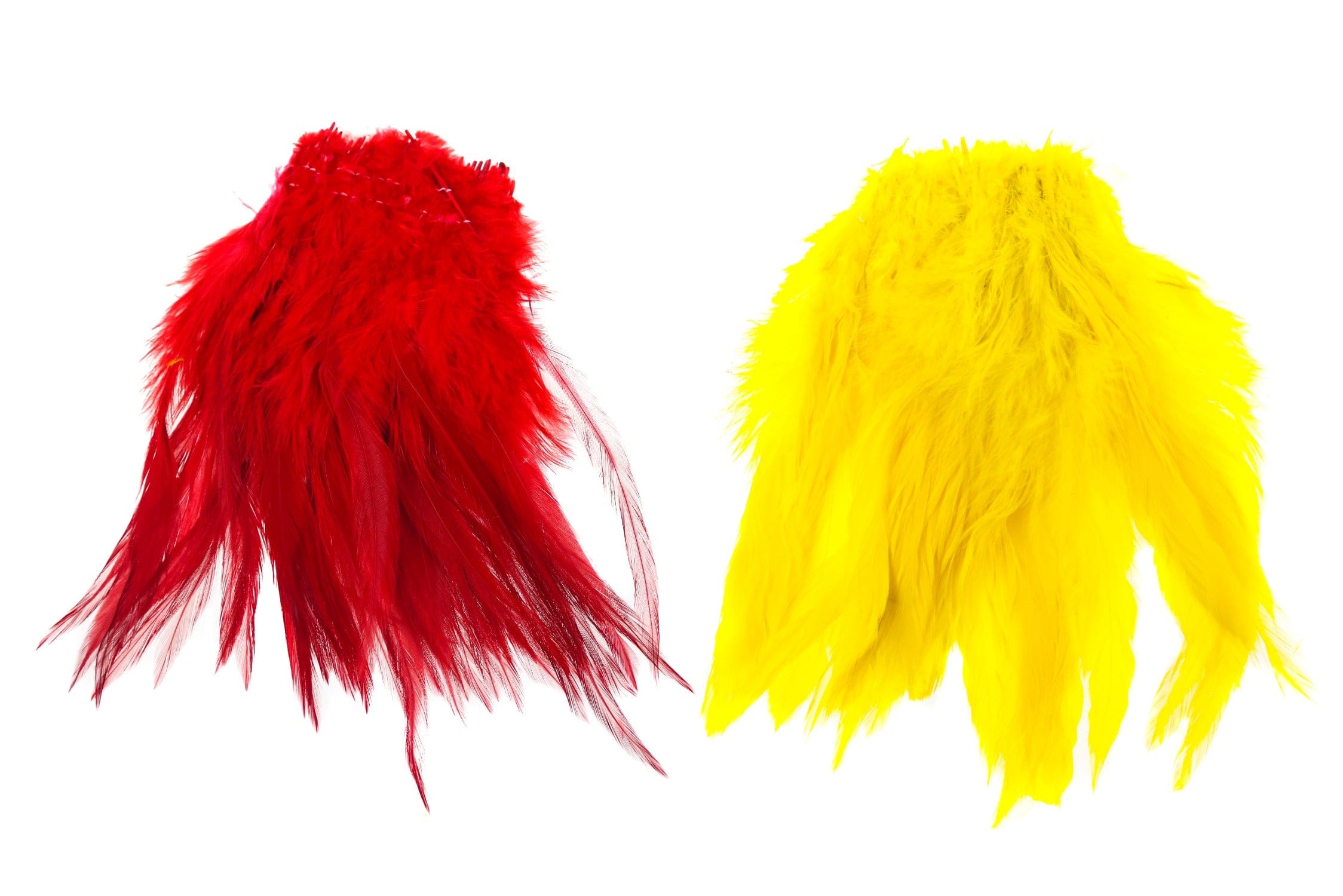
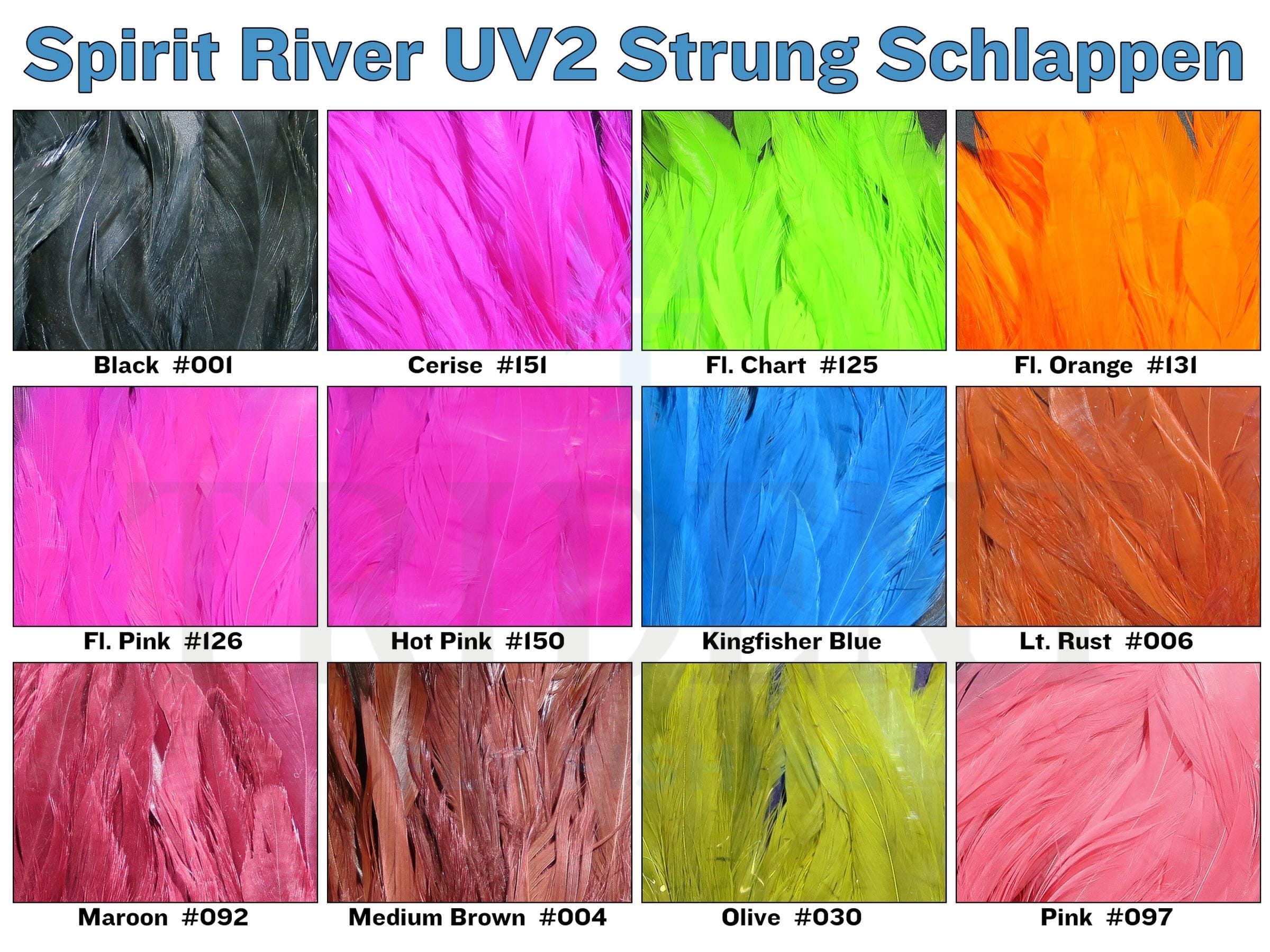

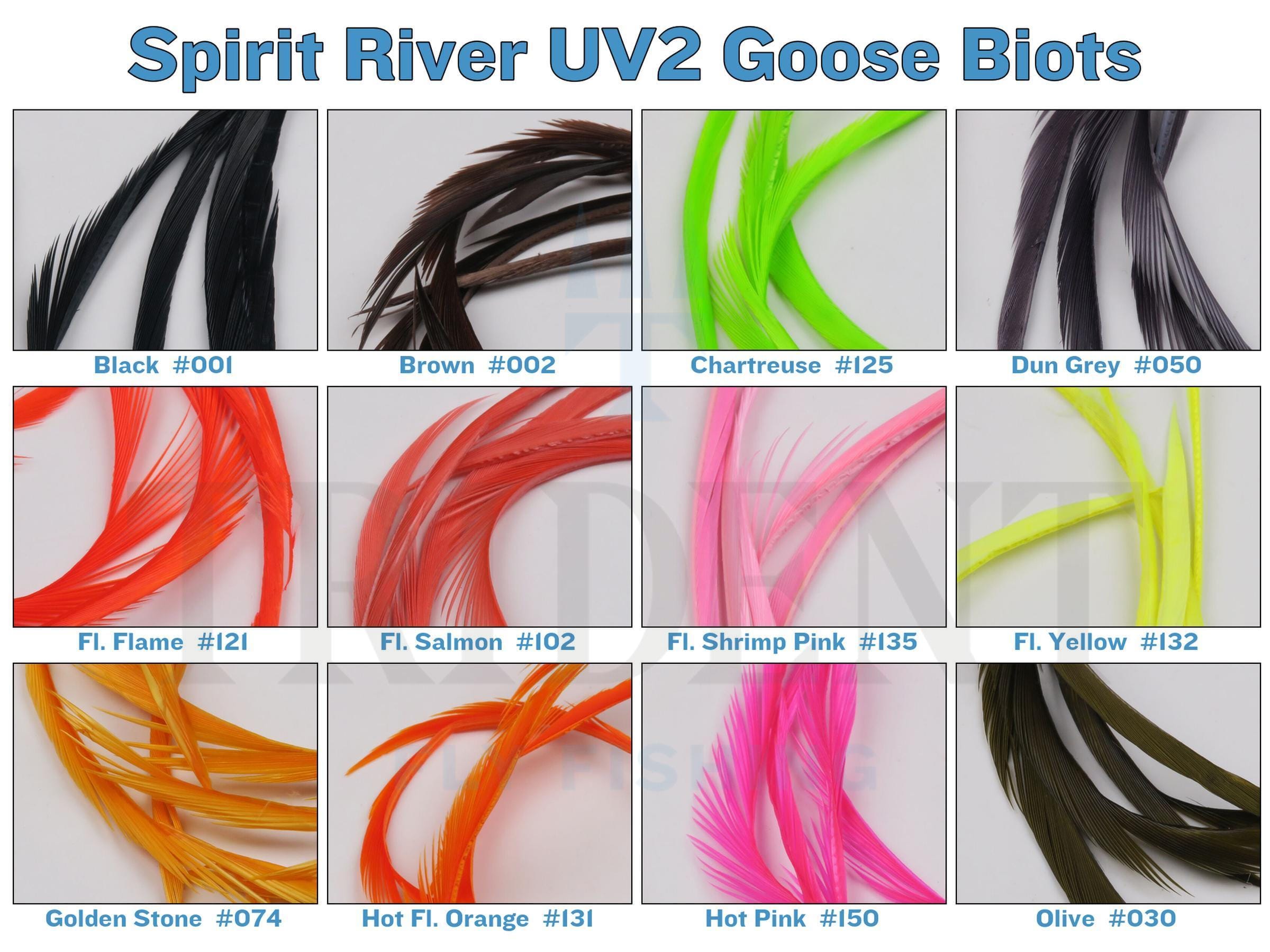

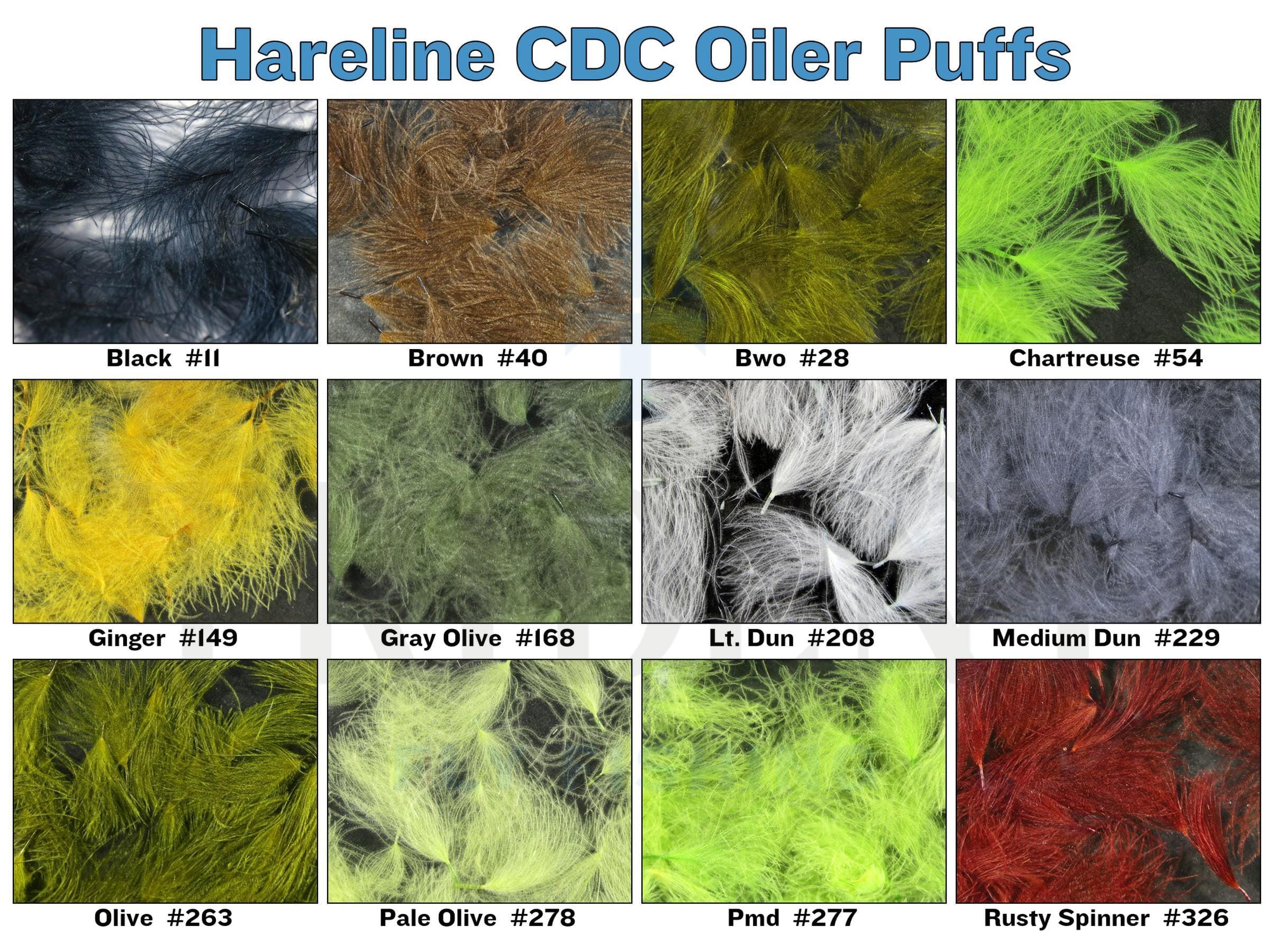


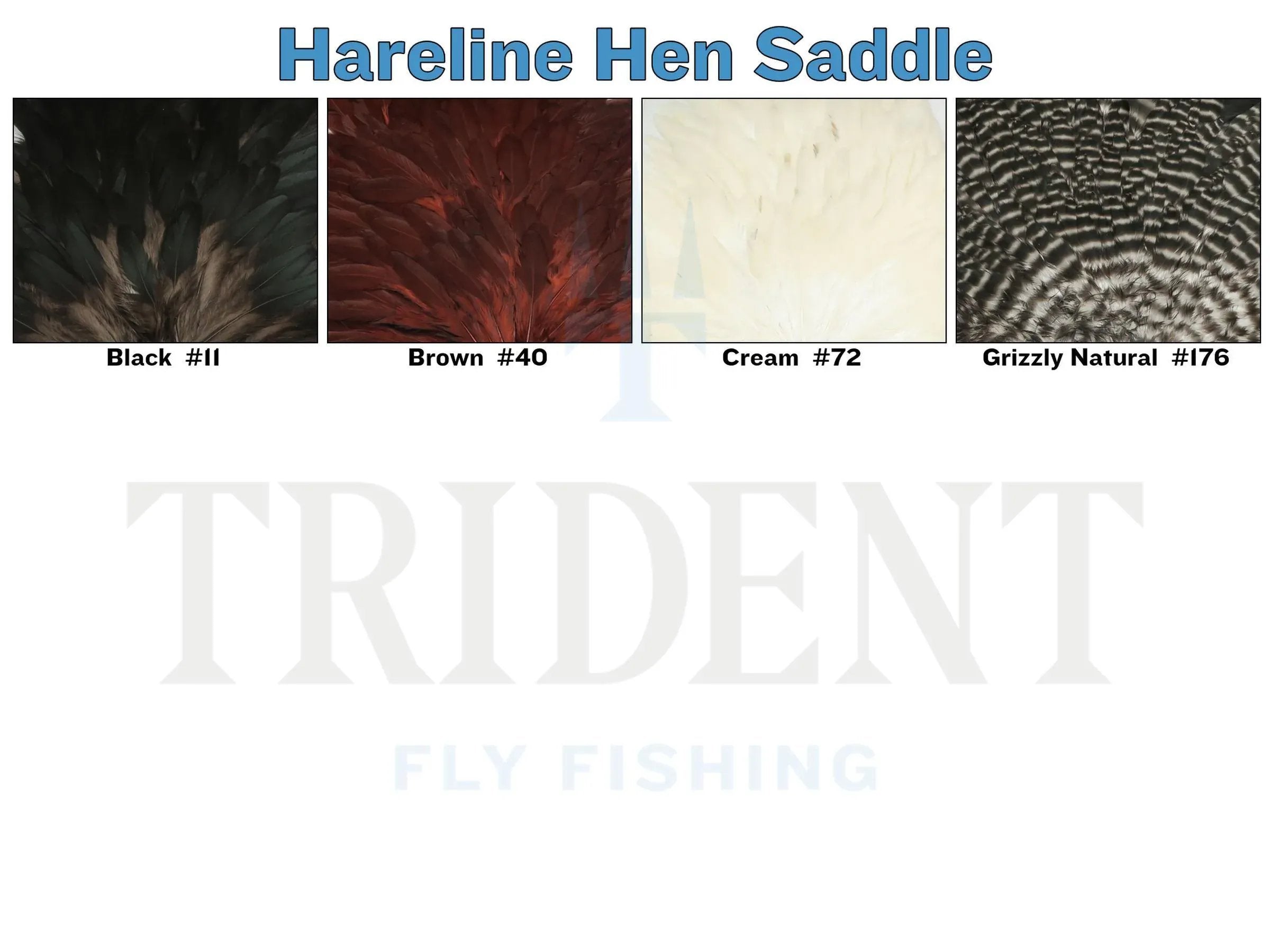


Feathers & Hackle Quick Picks
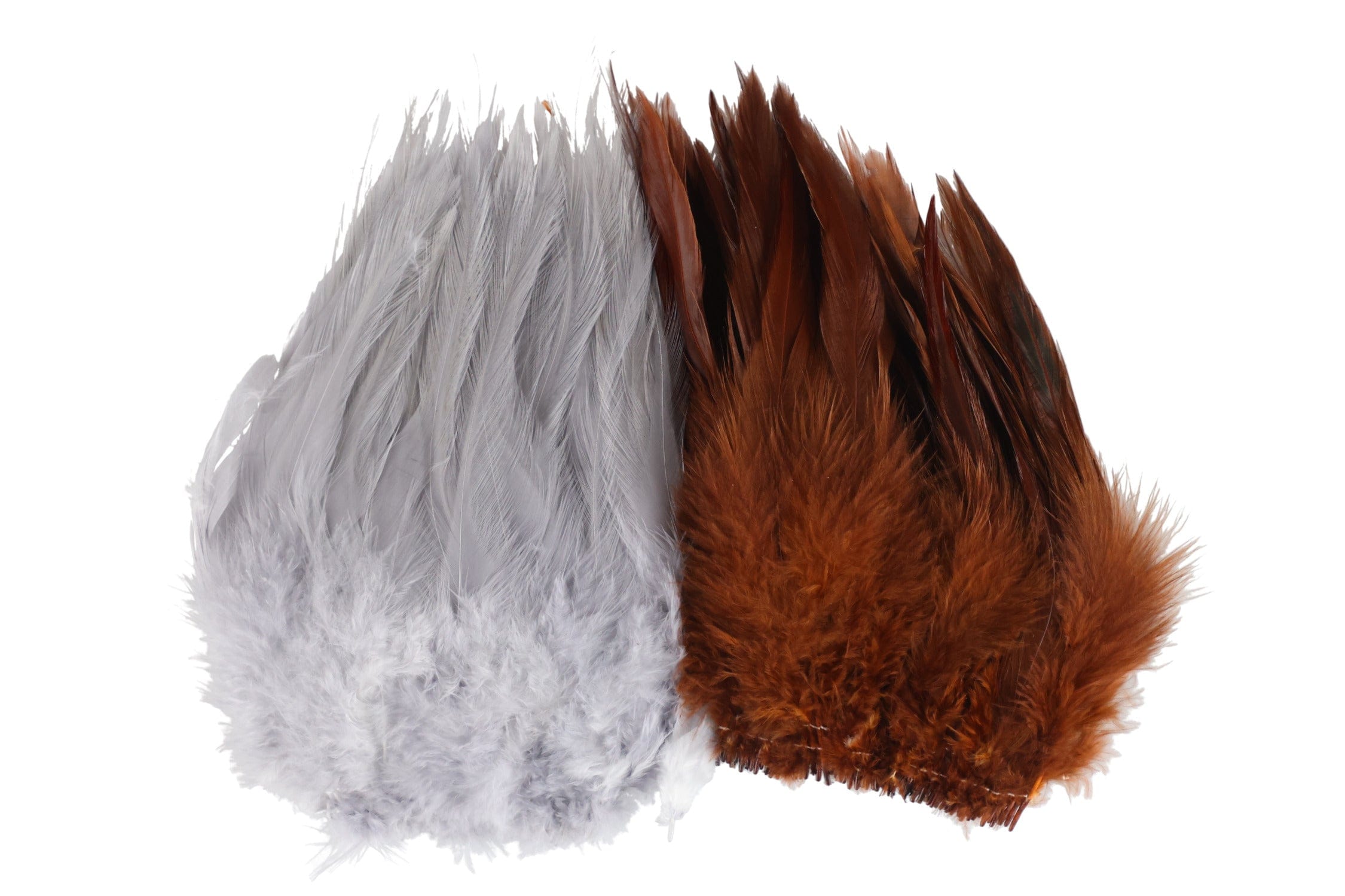
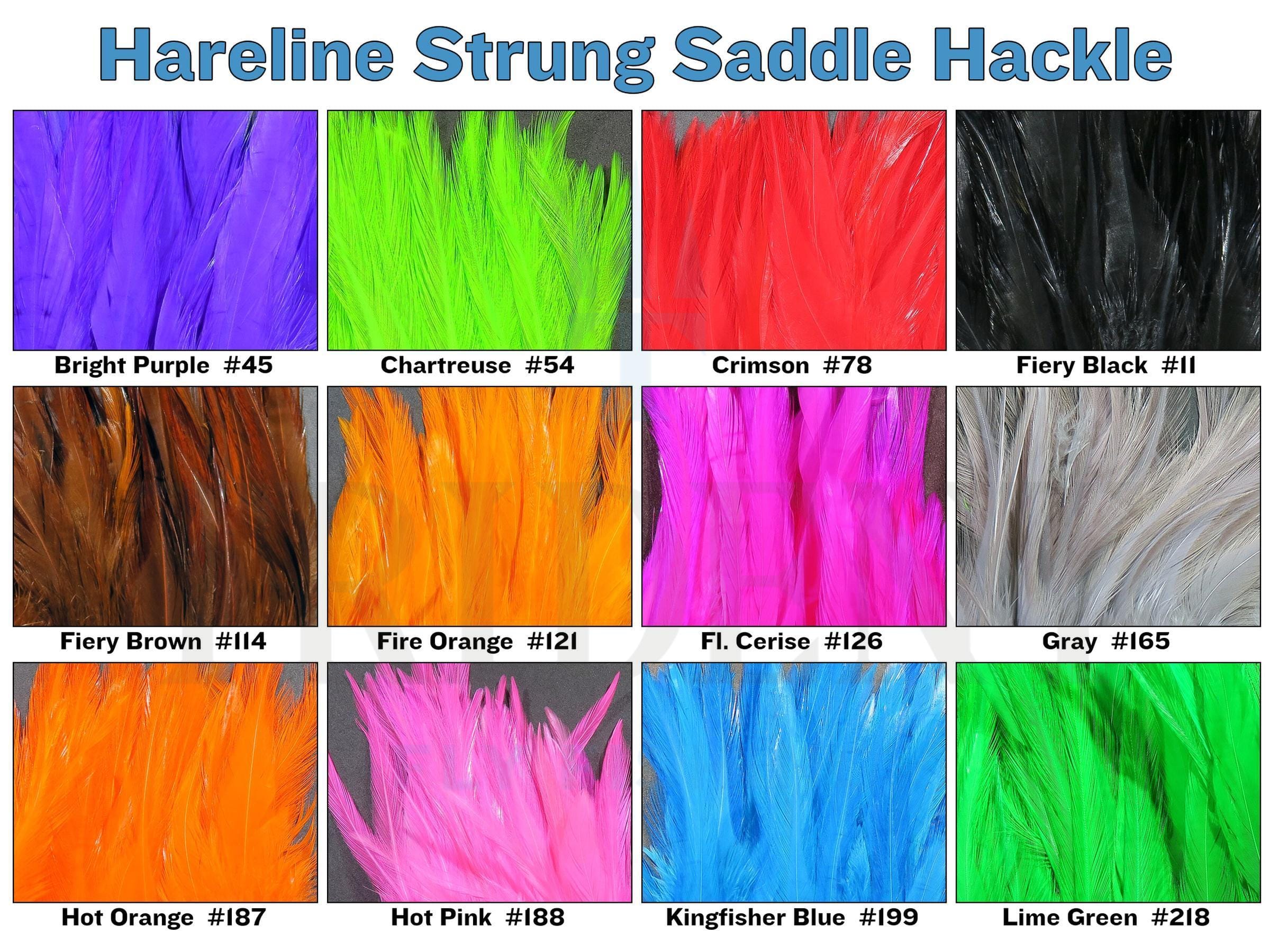
Best All-Around: Hareline Strung Saddle Hackle - A flexible, do-it-a-lot hackle option for tiers building everything from wet flies to smaller streamers. Strung packs are easy to sort by size and color so you can grab the right feather fast.
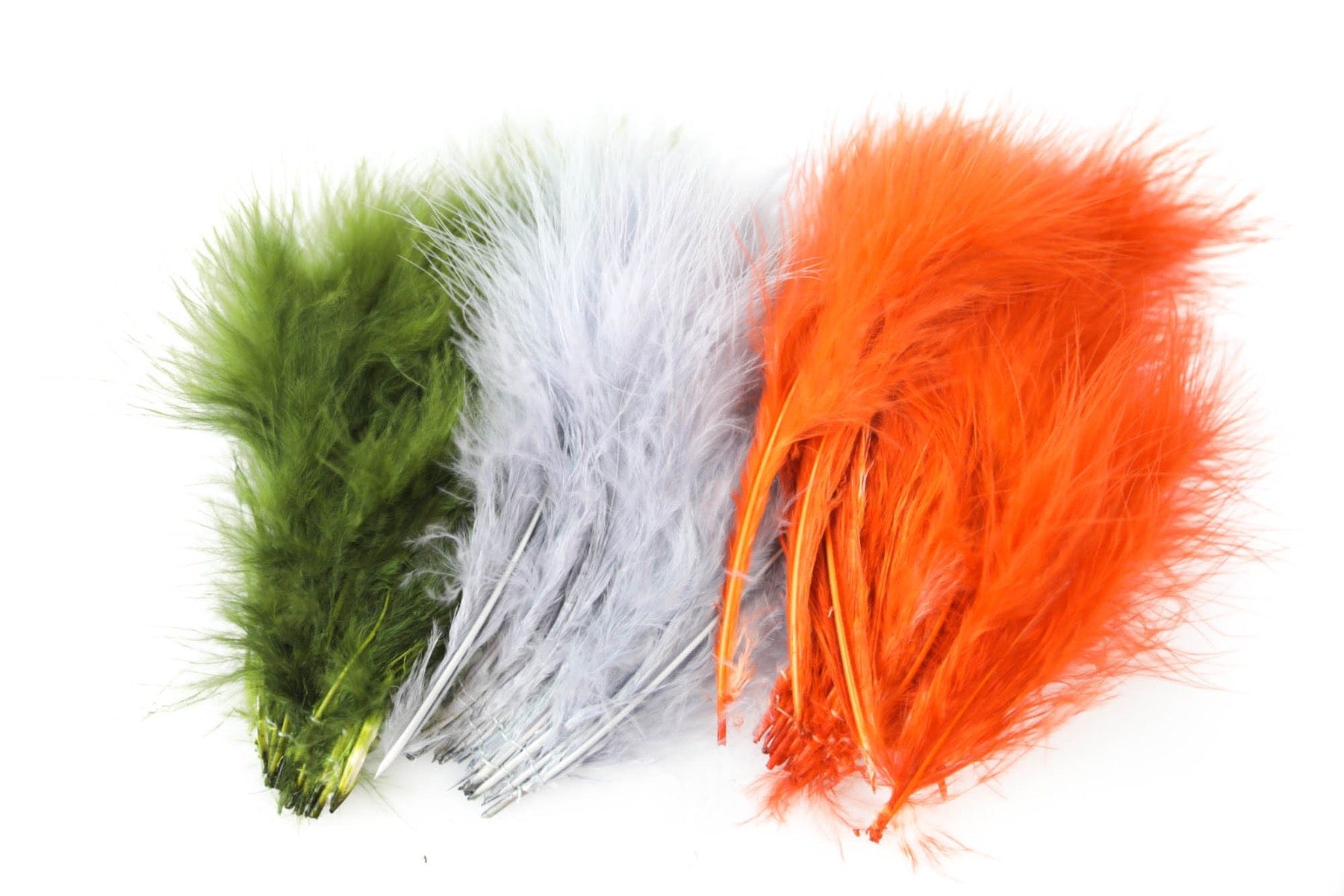
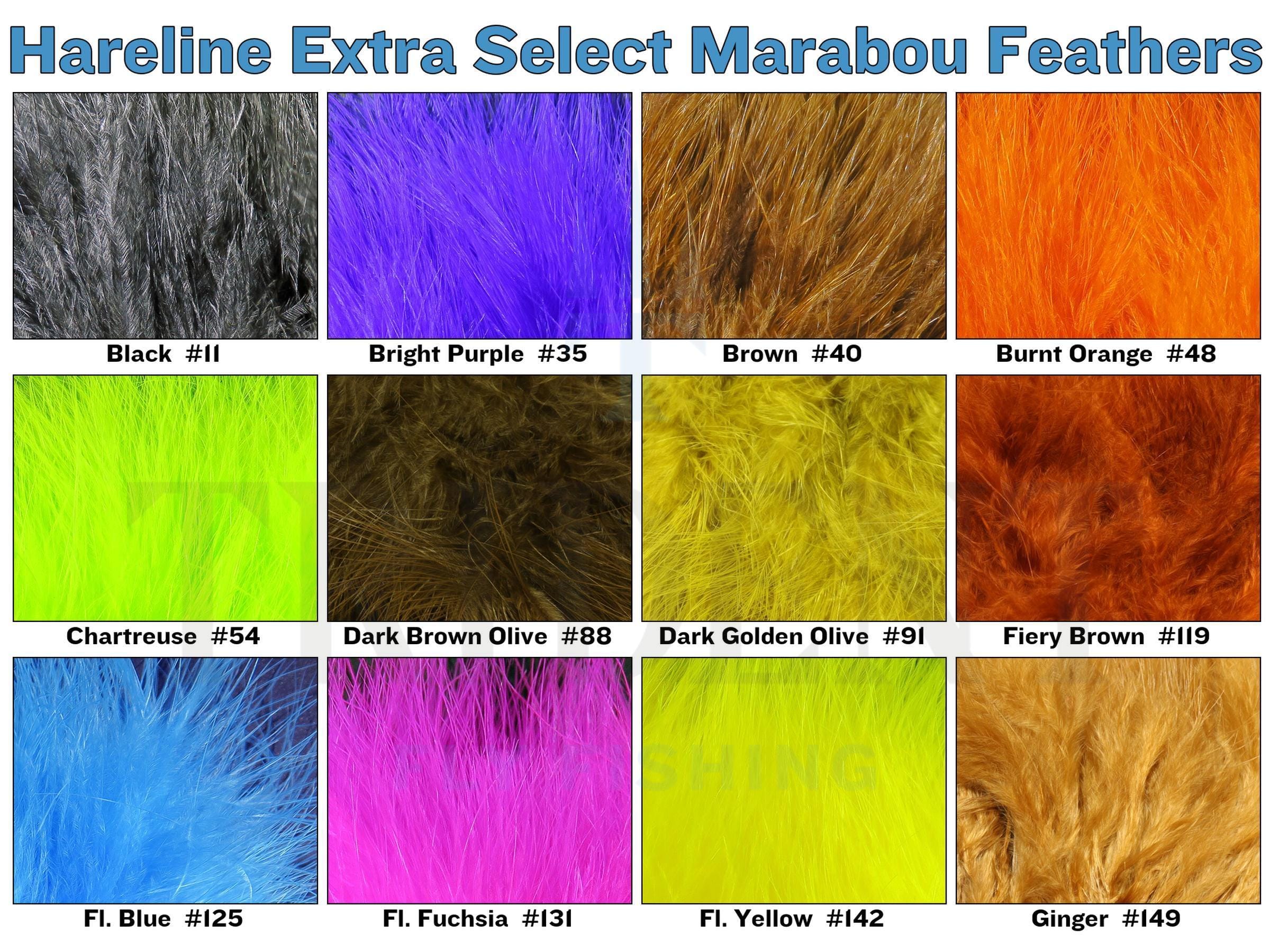
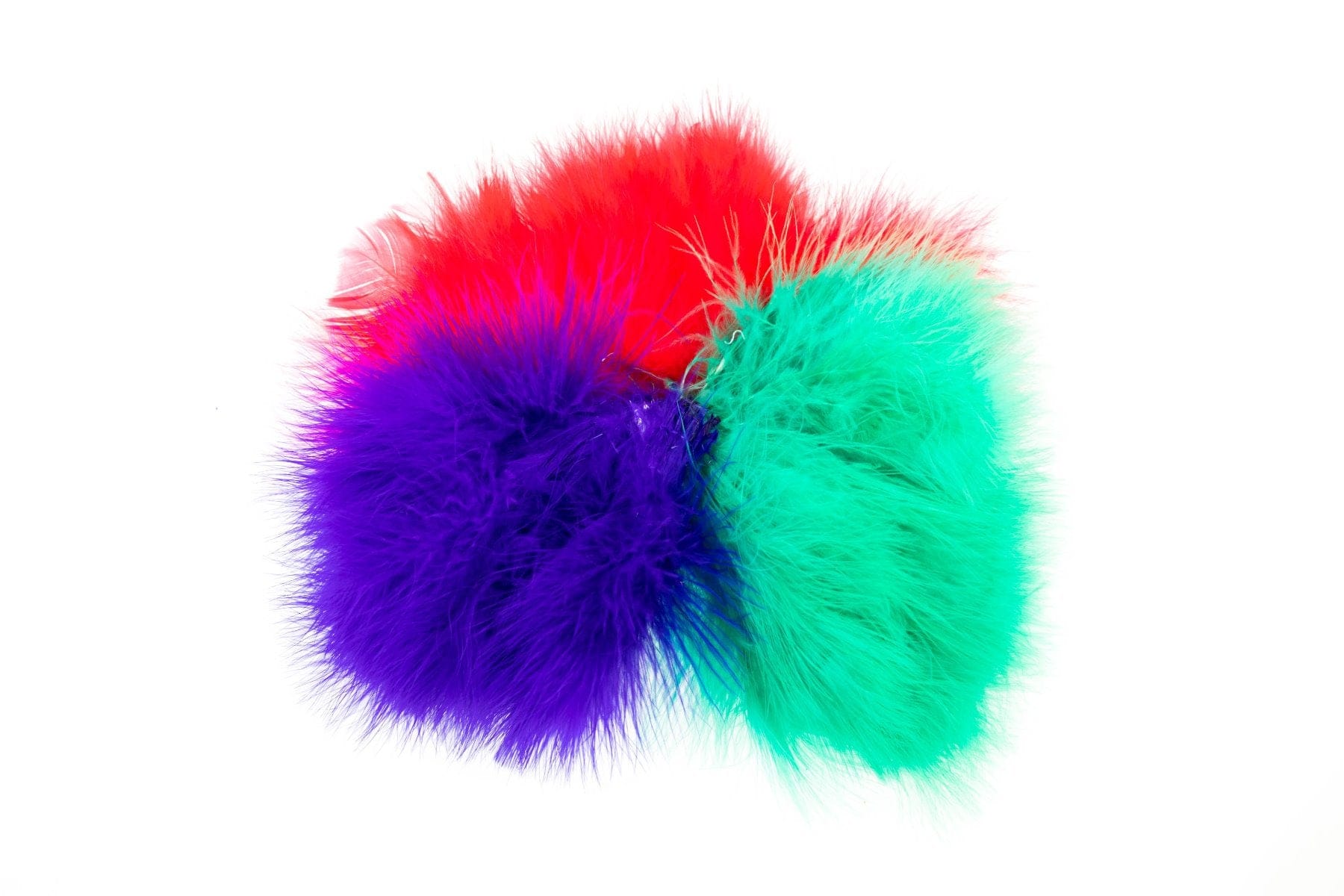
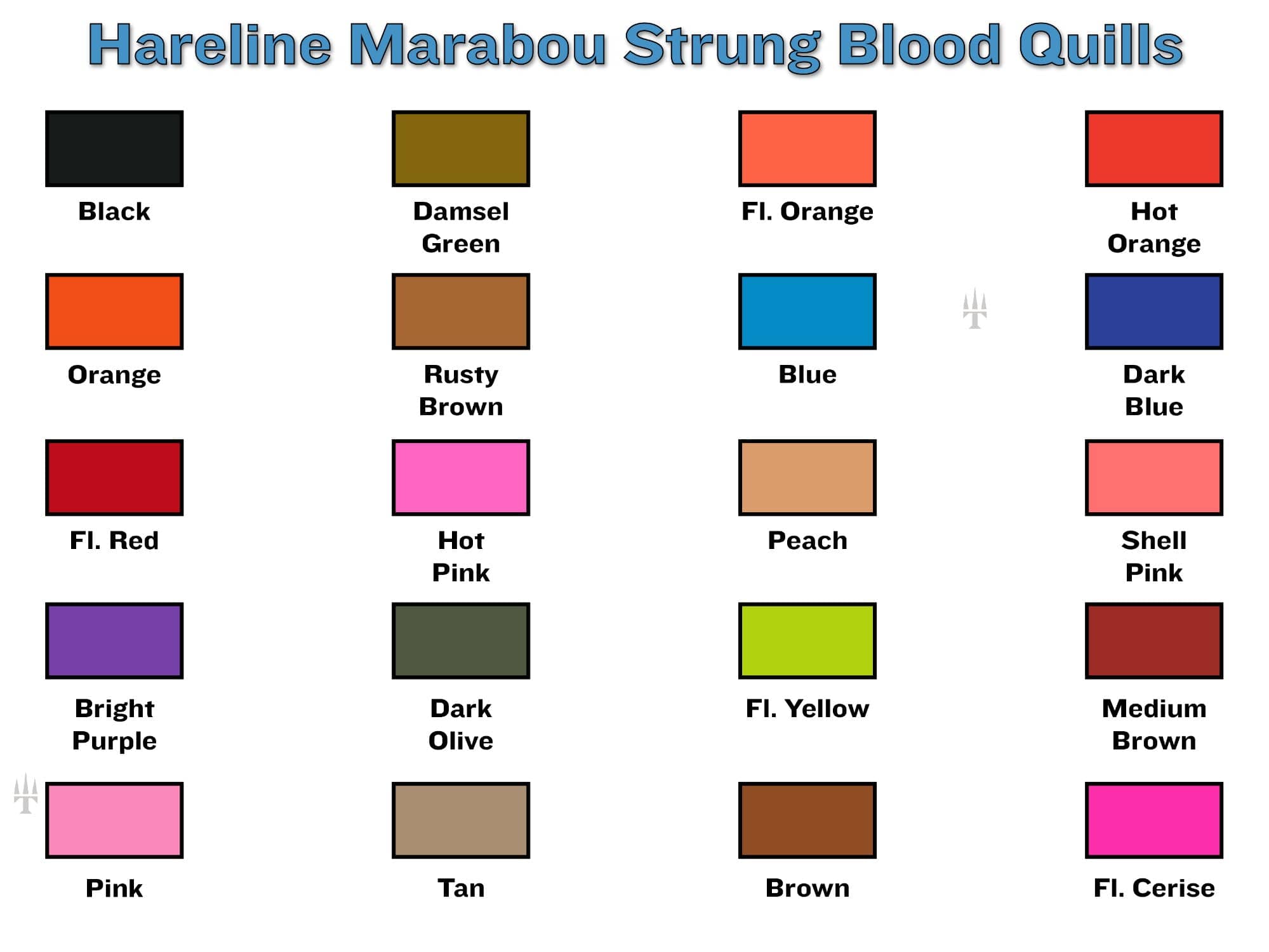
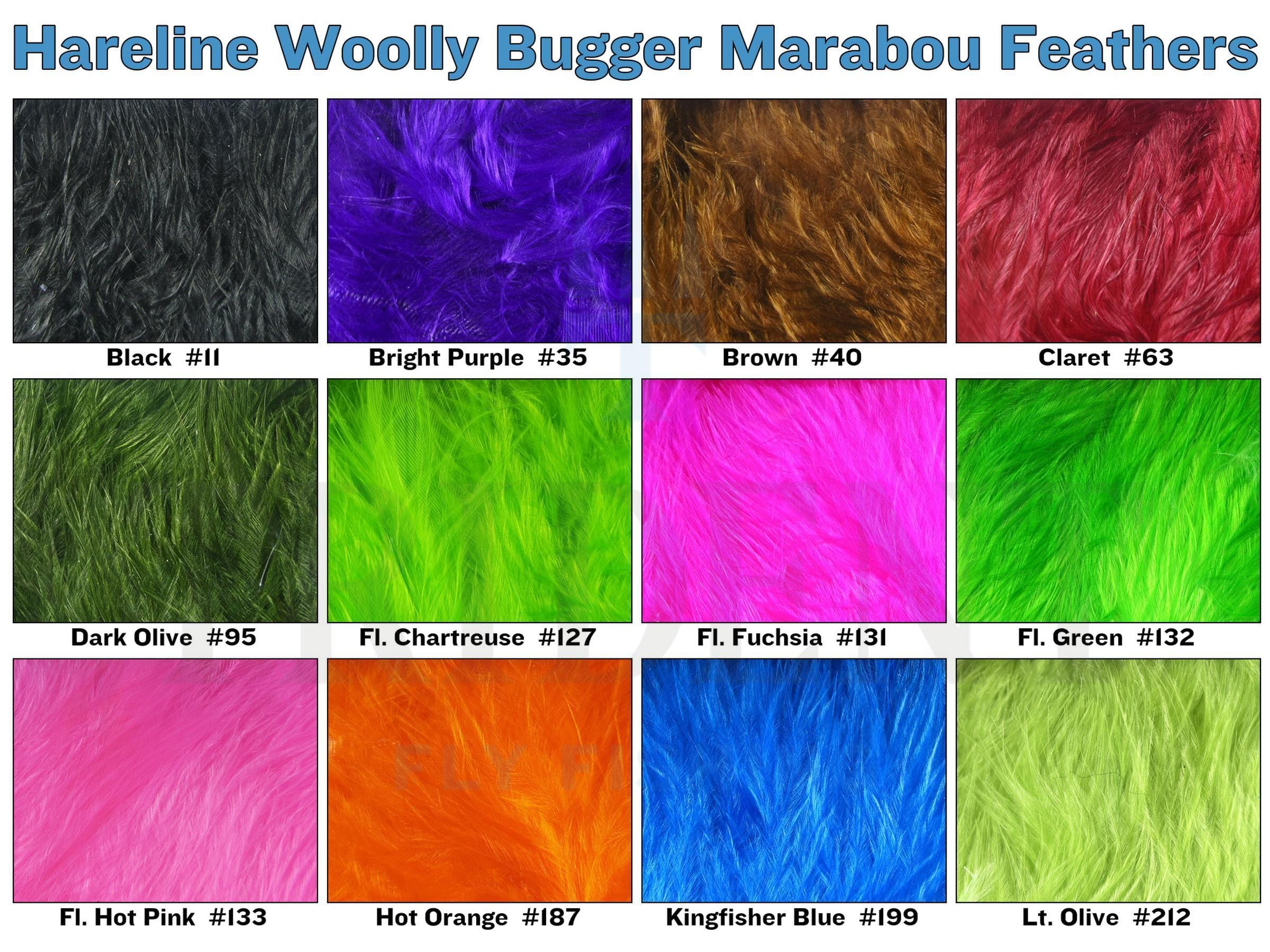
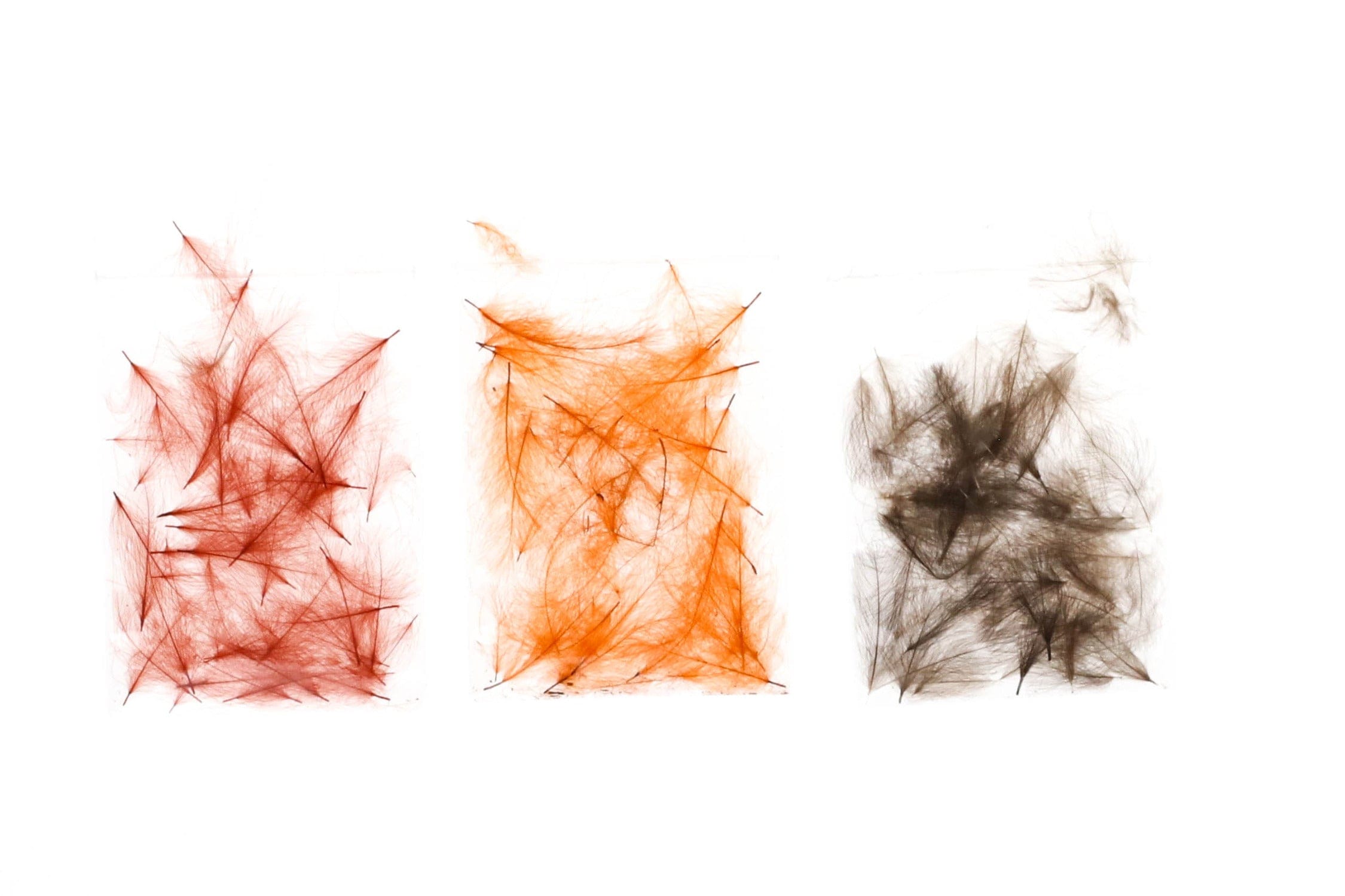
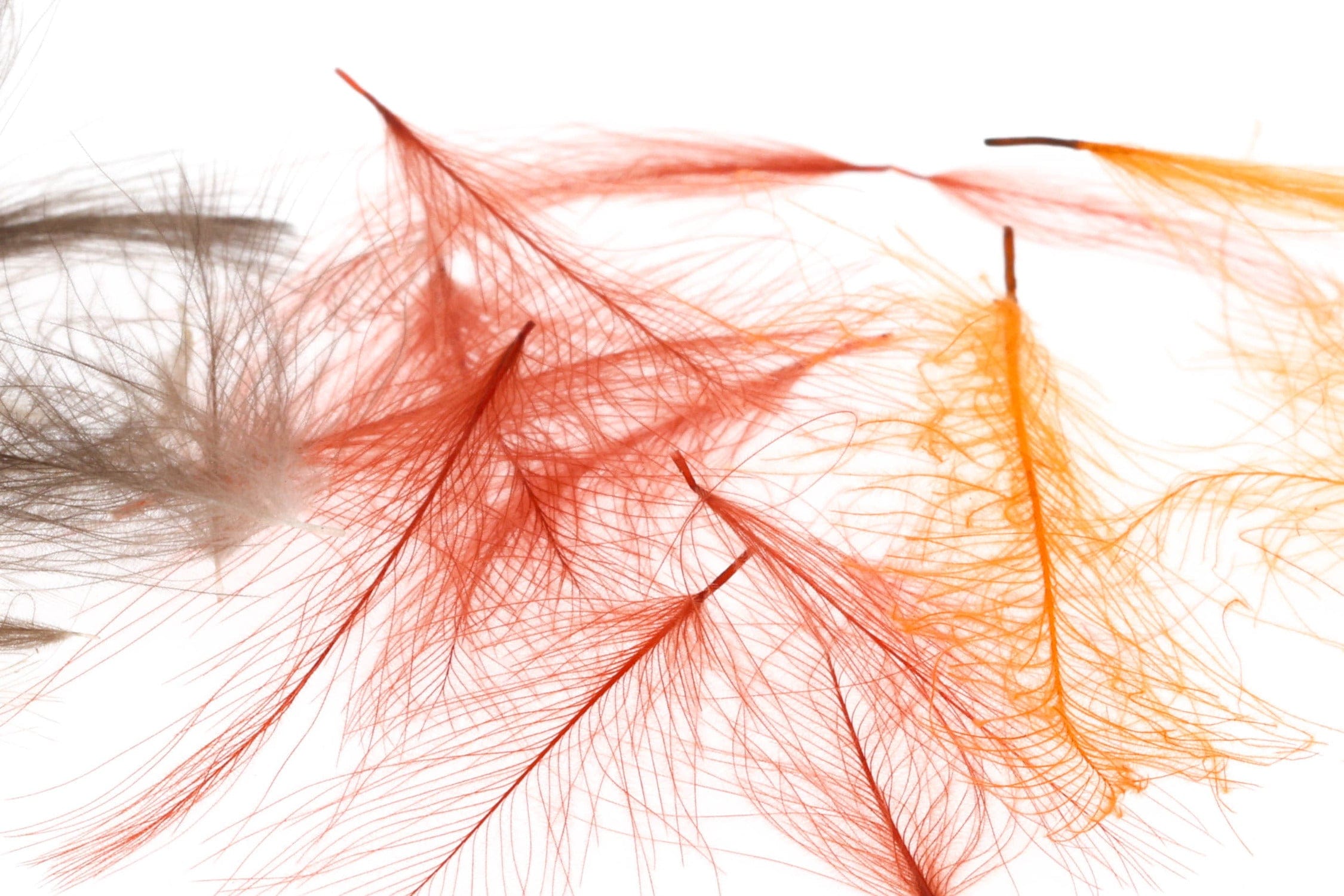
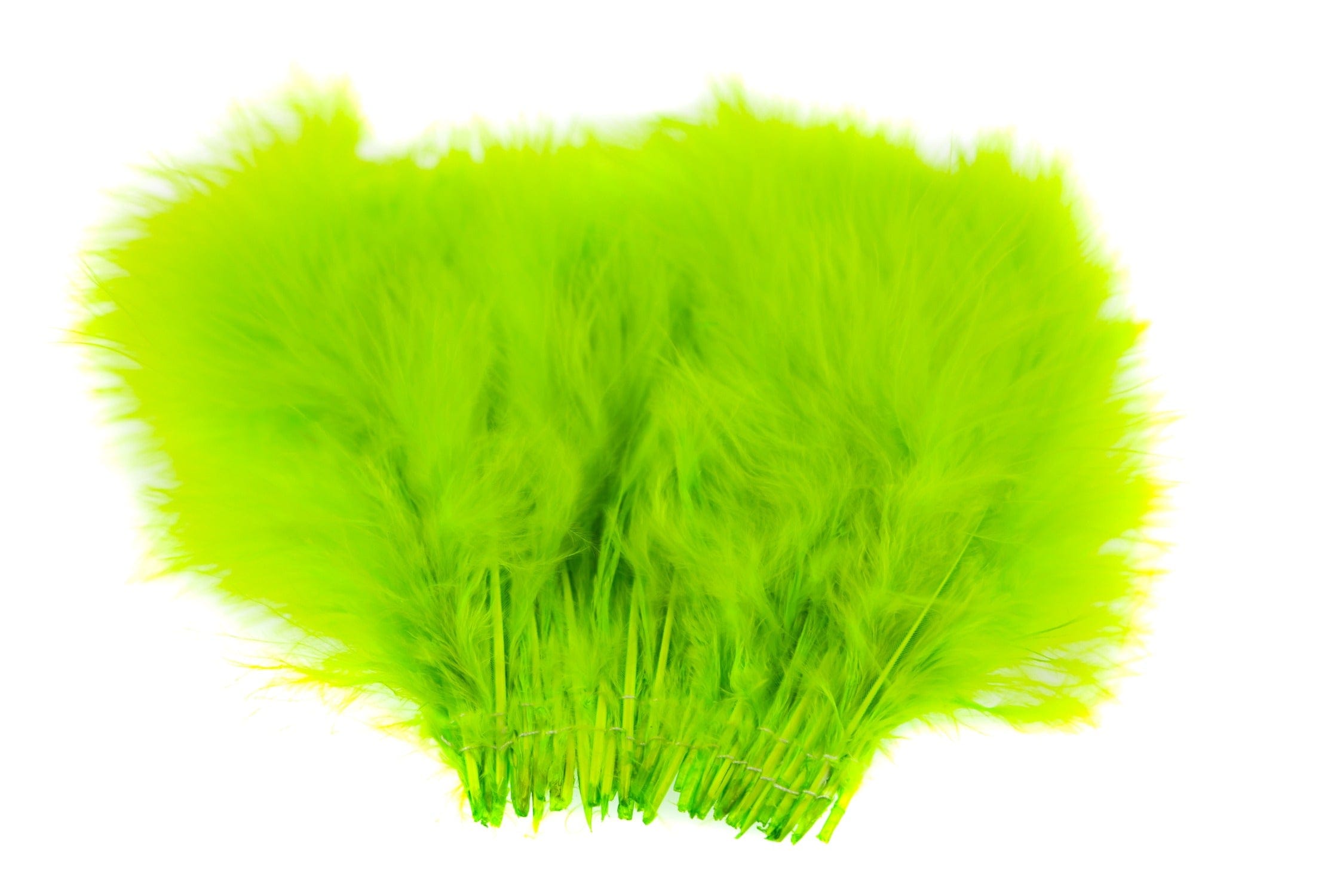
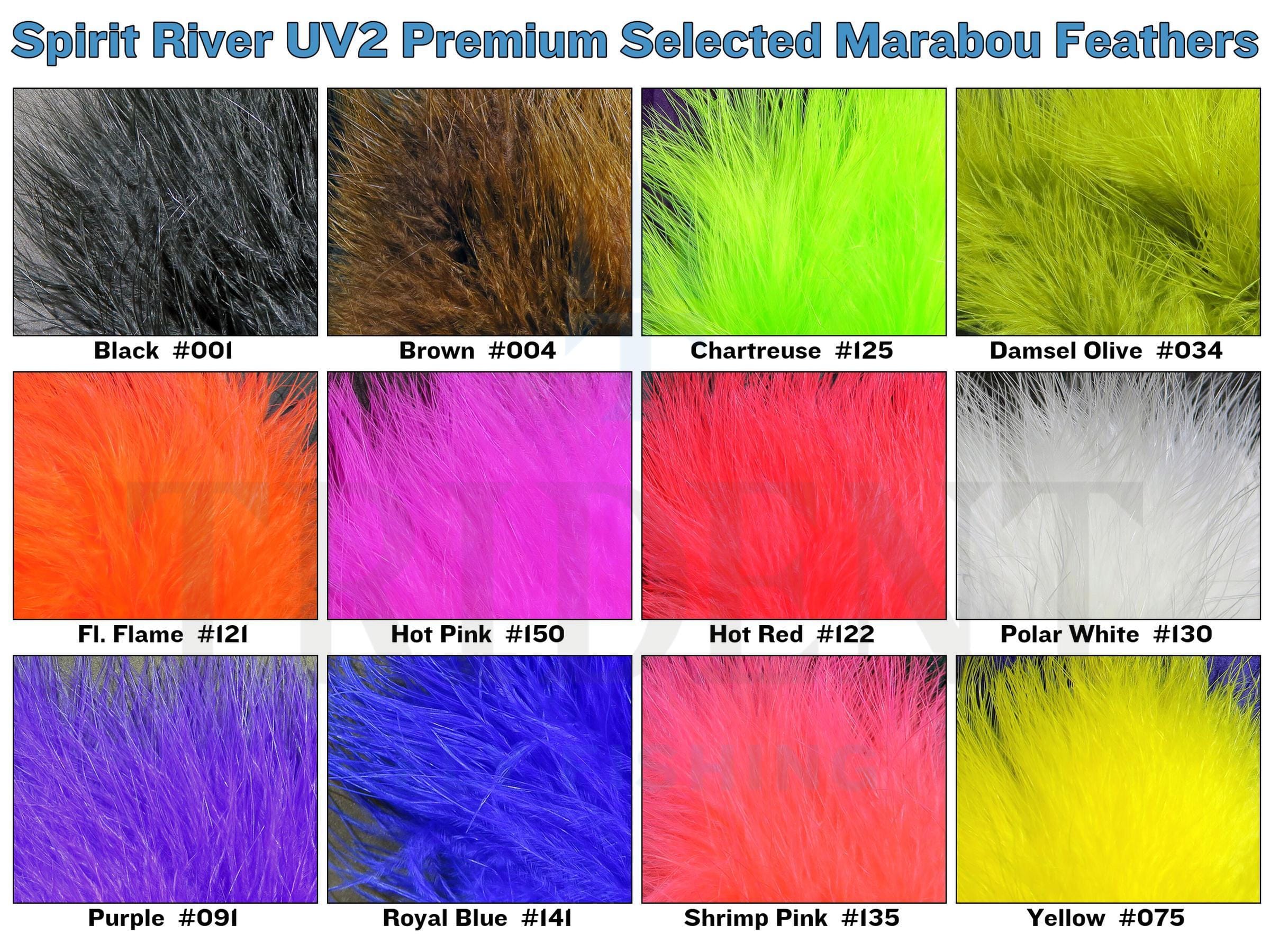
Best for Streamers: Hareline Extra Select Marabou Feathers - Built for anglers tying movement-first patterns like Woolly Buggers, leeches, and baitfish profiles. Marabou breathes in the water, giving your fly life even on slow retrieves.
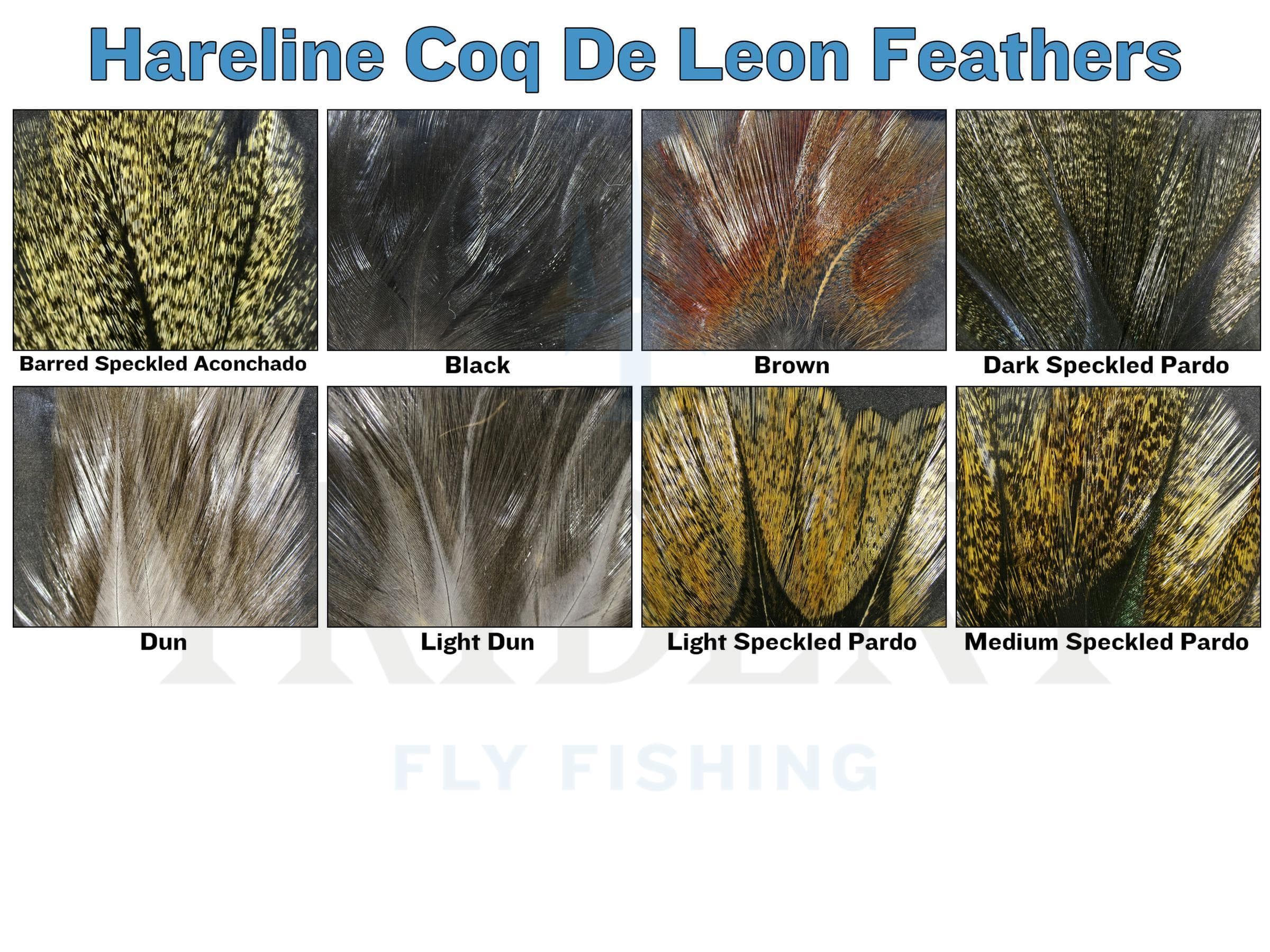
Best for Technical Dry Flies: Hareline Cul De Canard CDC Feathers - A go-to for CDC emergers and small dries where a sparse, natural look matters. CDC helps create a buggy silhouette without adding much bulk.
Best Premium: Whiting Feathers & Hackle - A strong choice when you want consistent sizing and clean, usable feathers for repeatable results. Great for stocking up on dry fly-capable hackle without guessing on quality.
Best Value: Spirit River UV2 Select CDC Feathers - A practical CDC option for tying through a lot of flies (especially if you lose plenty to trees and picky trout). UV2 options can add visibility while still keeping a natural feather look.
How to Choose Feathers & Hackle
Fly tying hackle feathers for dry flies: cape vs. saddle (and why it matters)
Action: If you tie mostly one or two sizes of dry flies, start with a saddle; if you tie a wide range of sizes, look at a cape.
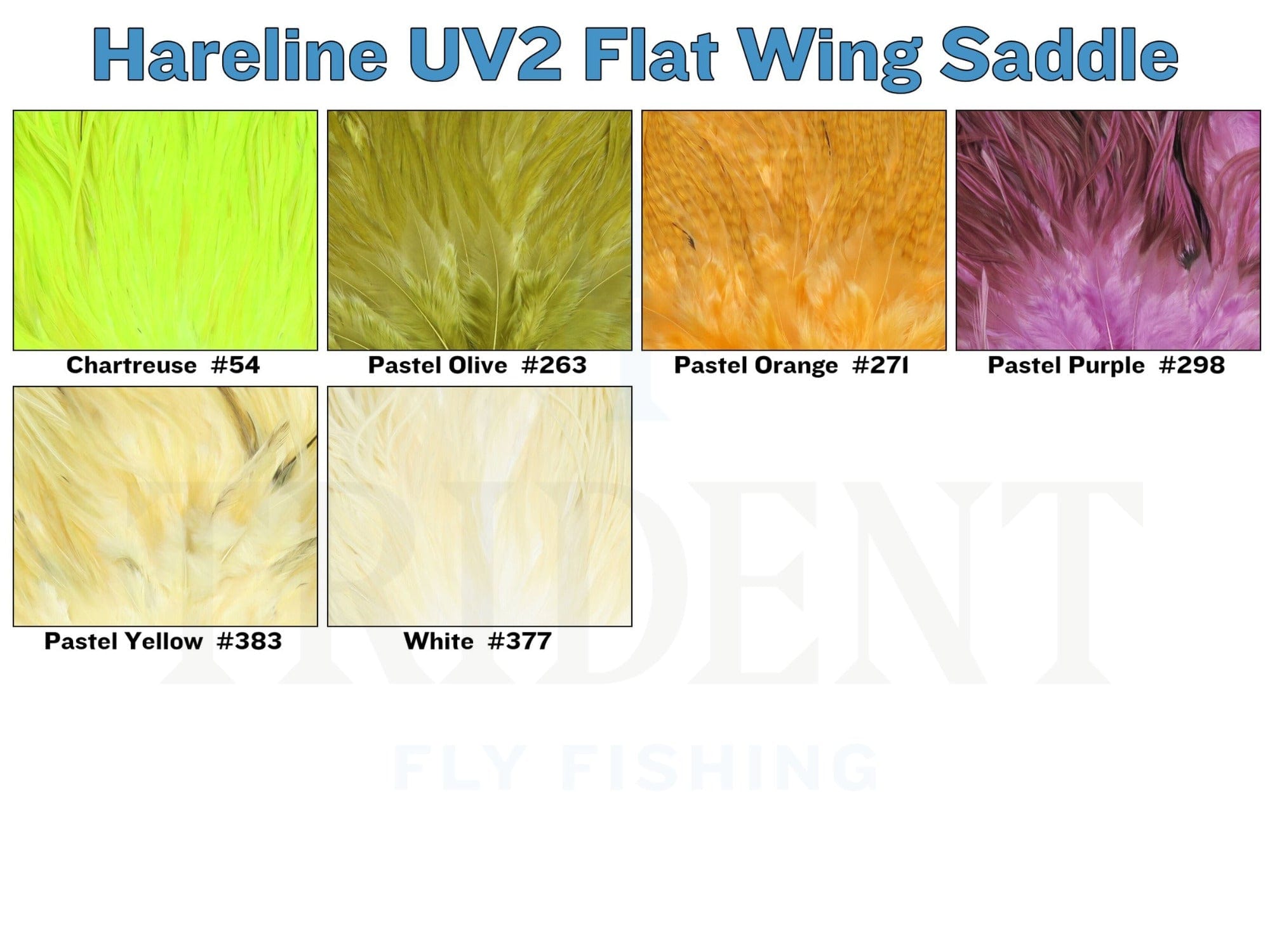
Fly tying hackle feathers are the building blocks behind realistic patterns— Saddles tend to offer lots of long, consistent feathers,handy when you’re tying piles of the same pattern. Capes commonly give you a broader size range, which is useful if you bounce between small parachutes, Catskill-style dries, and bigger attractors.
Soft hackle and wet flies: look for web and motion
Best for: Swinging wets, soft hackles, emergers, and collaring nymphs.
For soft hackle patterns, you generally want feathers with softer fibers and a bit of web. That “softer” feather pulses and collapses in current, which is a big part of why soft hackles fish so well.
Streamers: marabou, schlappen, and big profile feathers
Action: Match feather length and stiffness to your hook size and the profile you’re building.
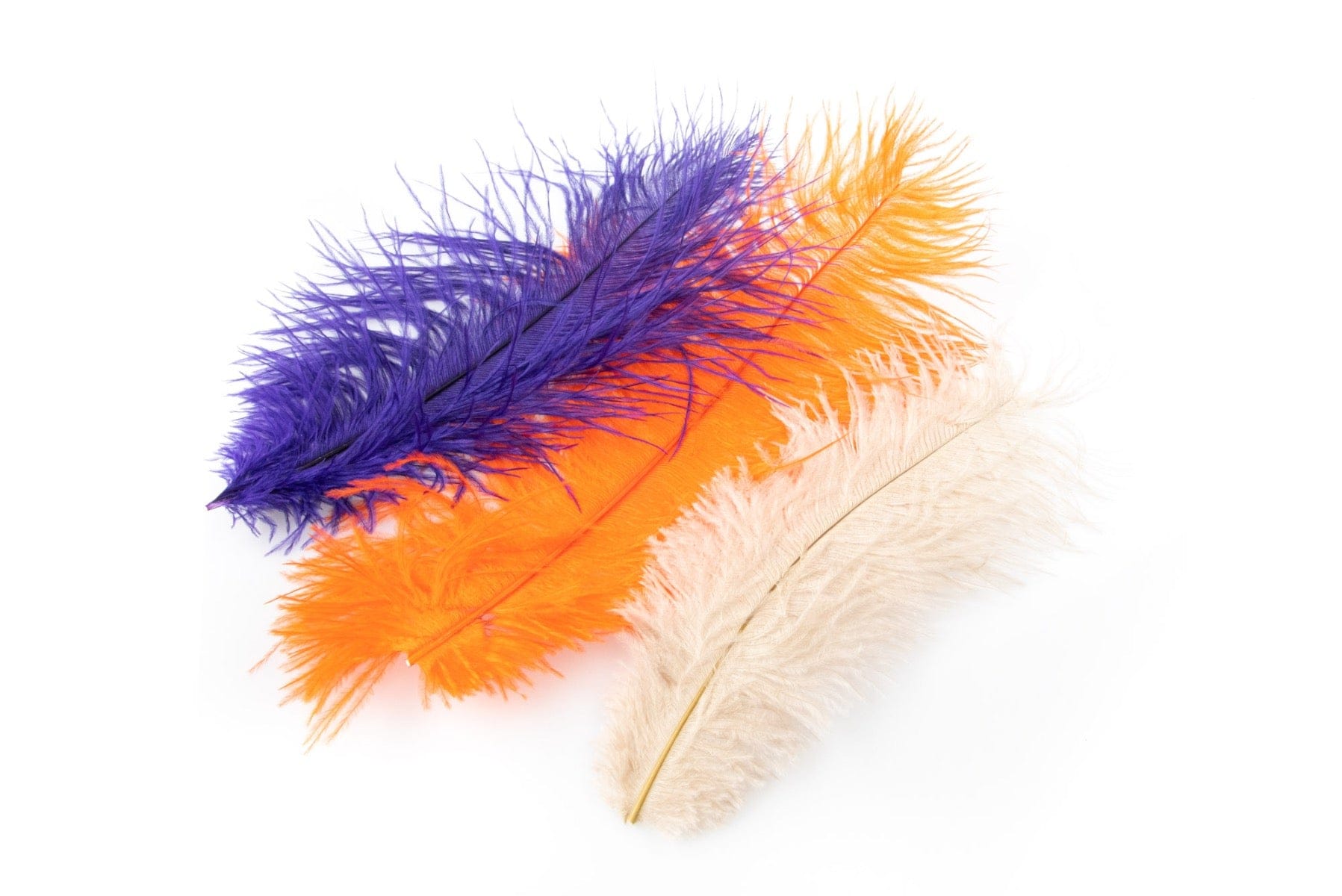
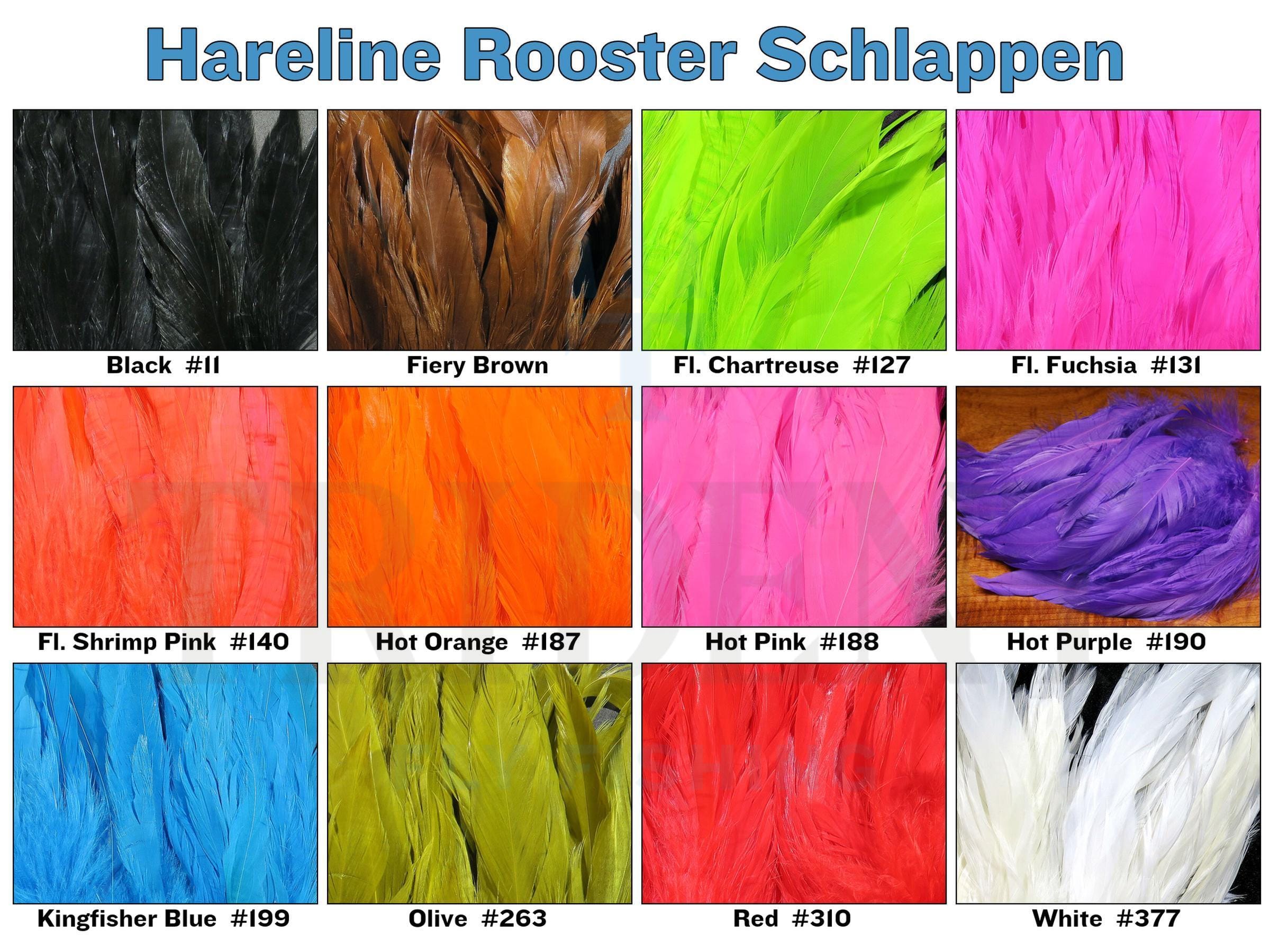
Marabou is the classic for tails because it moves with almost no effort. For larger collars and bulkier streamer builds, bigger feathers like schlappen are popular because they wrap cleanly and add a lot of motion without needing complicated techniques.
Body and accent feathers: pick the job first
Common uses: Tails, wingcases, legs, cheeks, and segmented bodies.
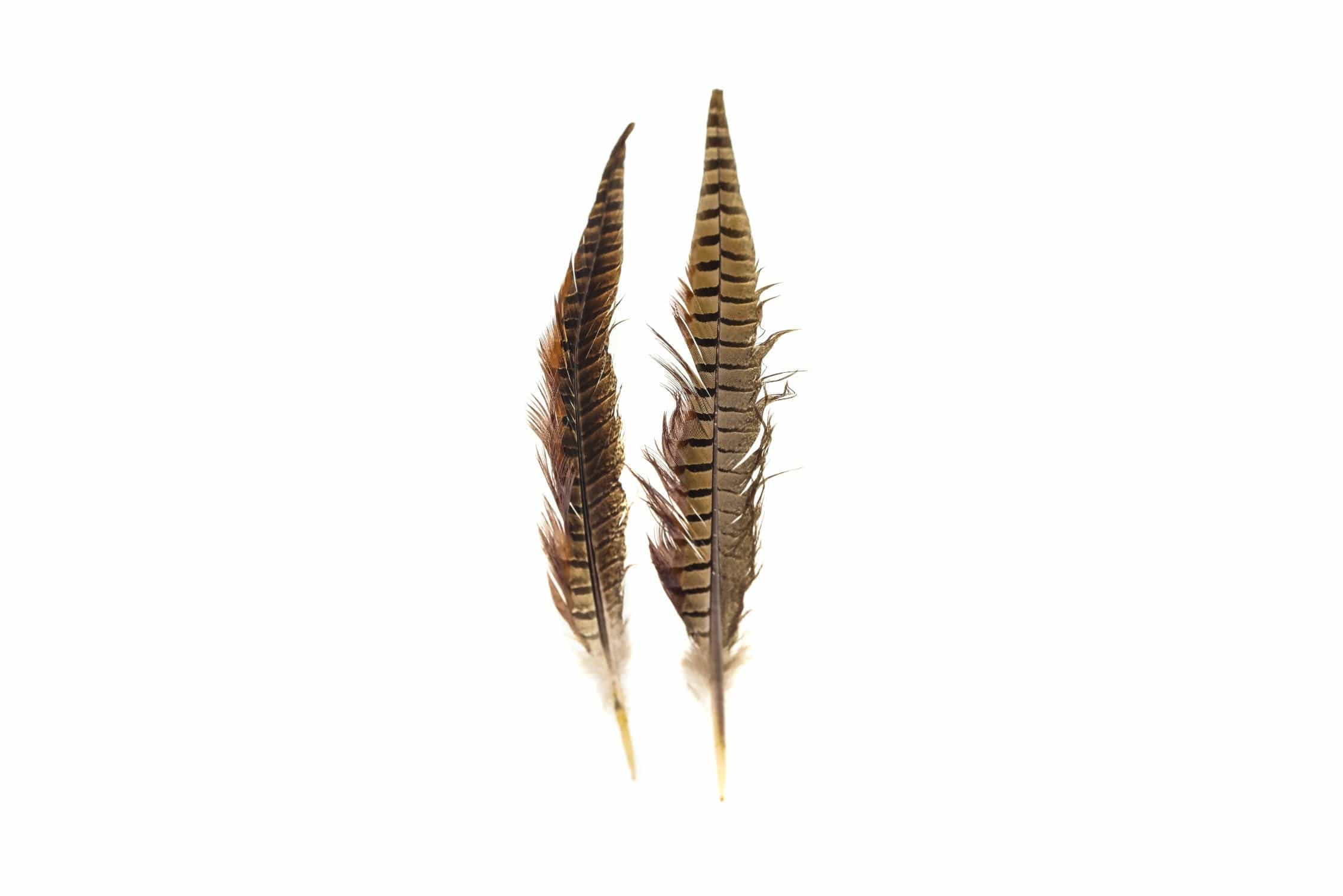
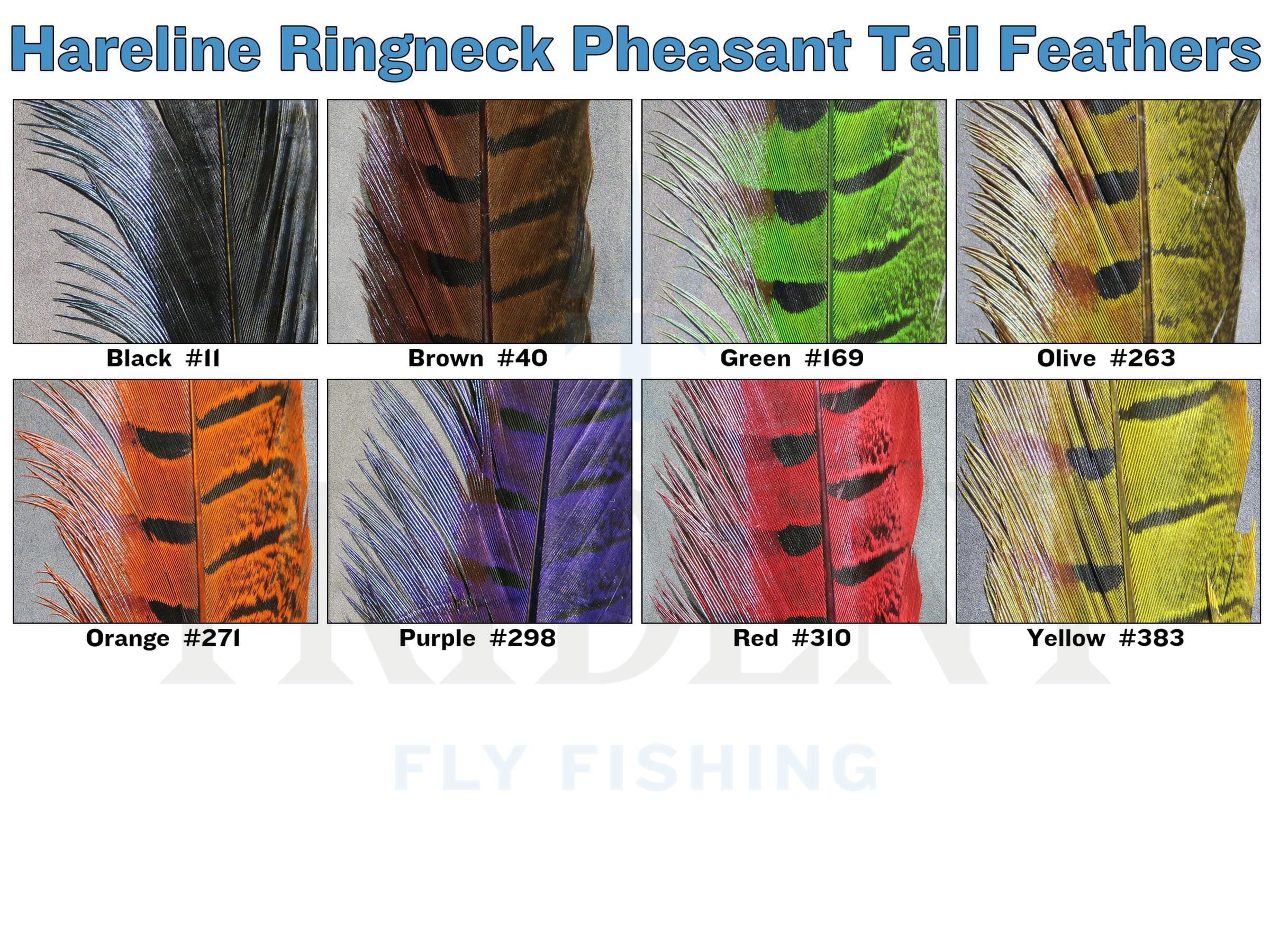
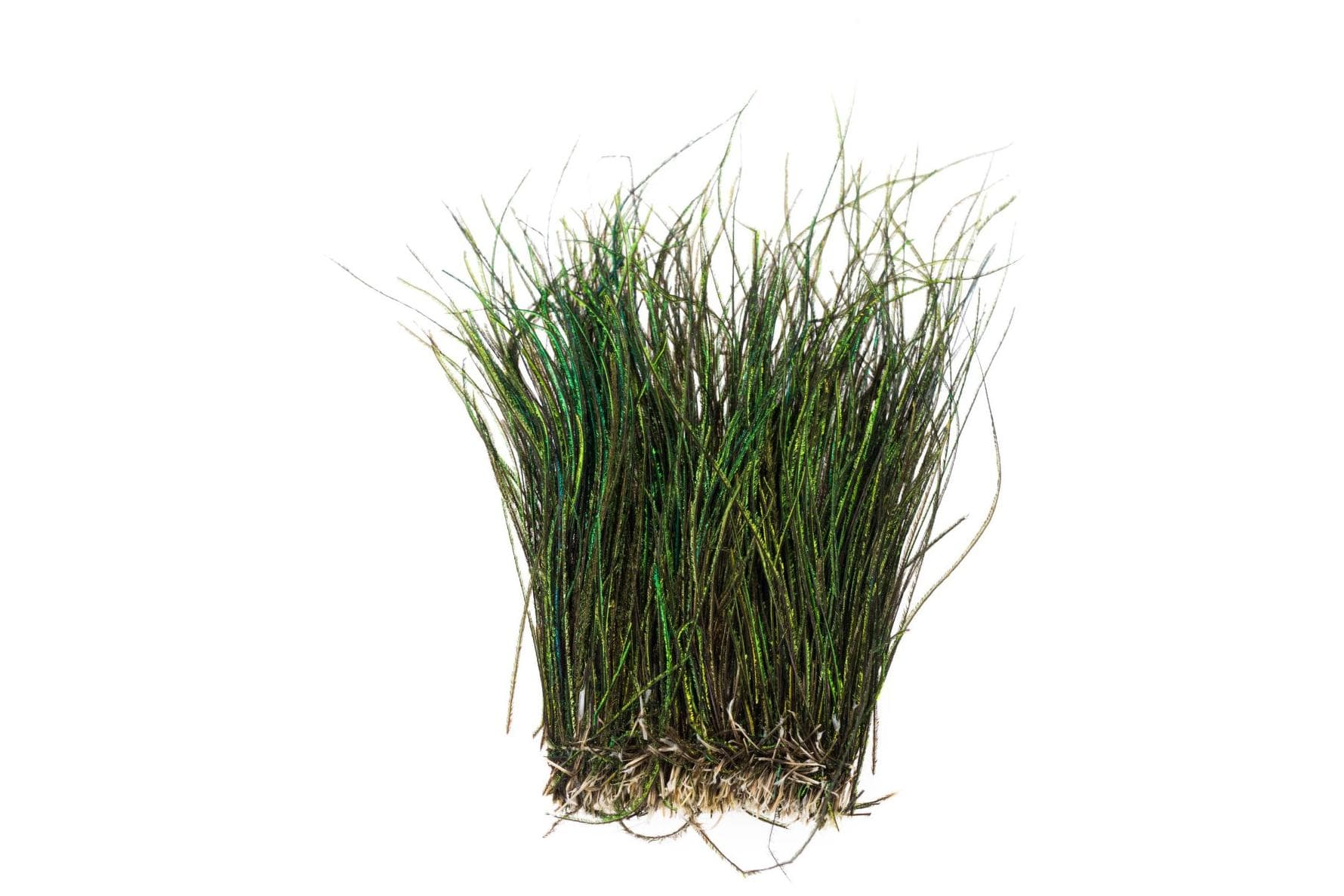
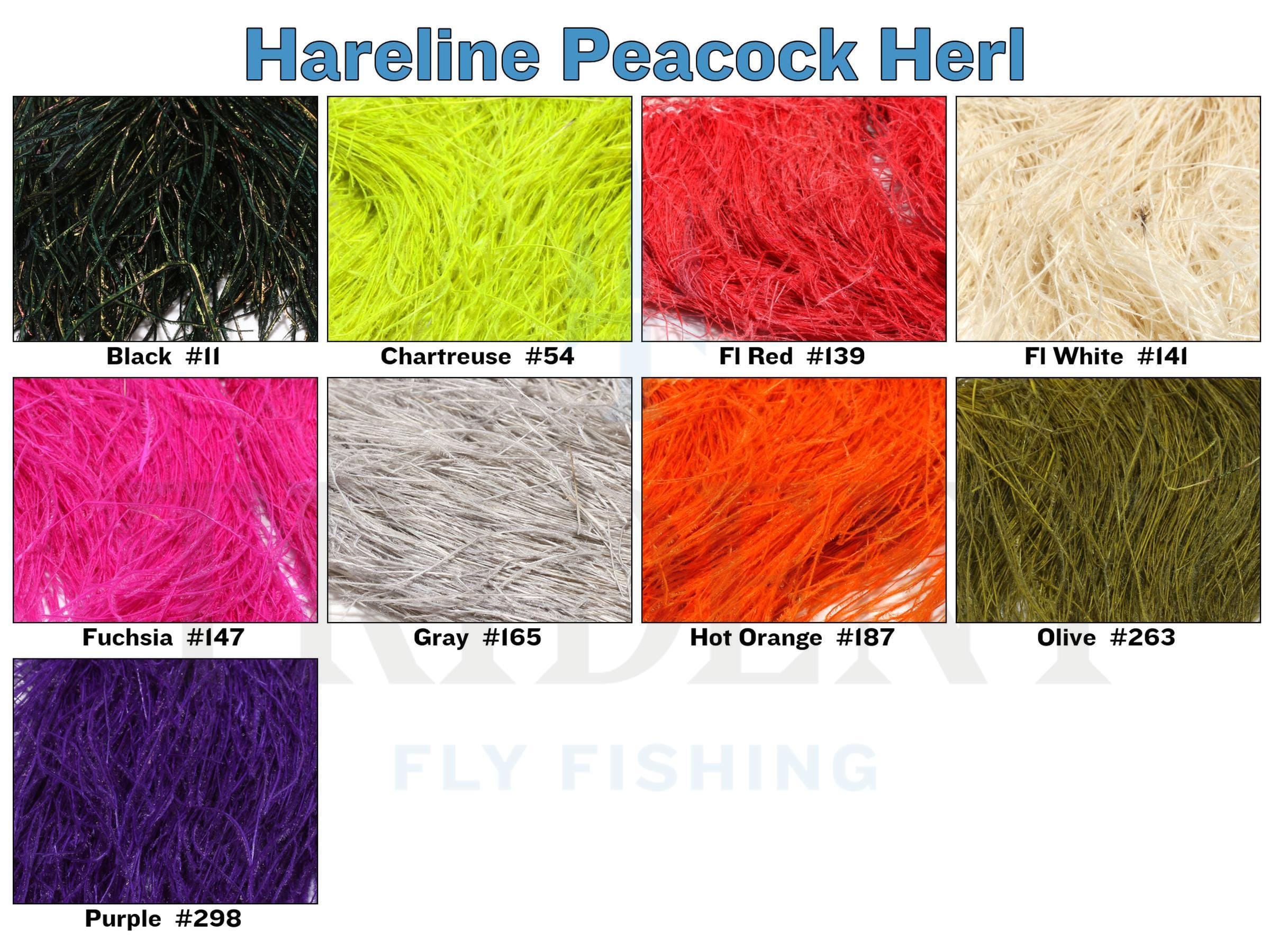
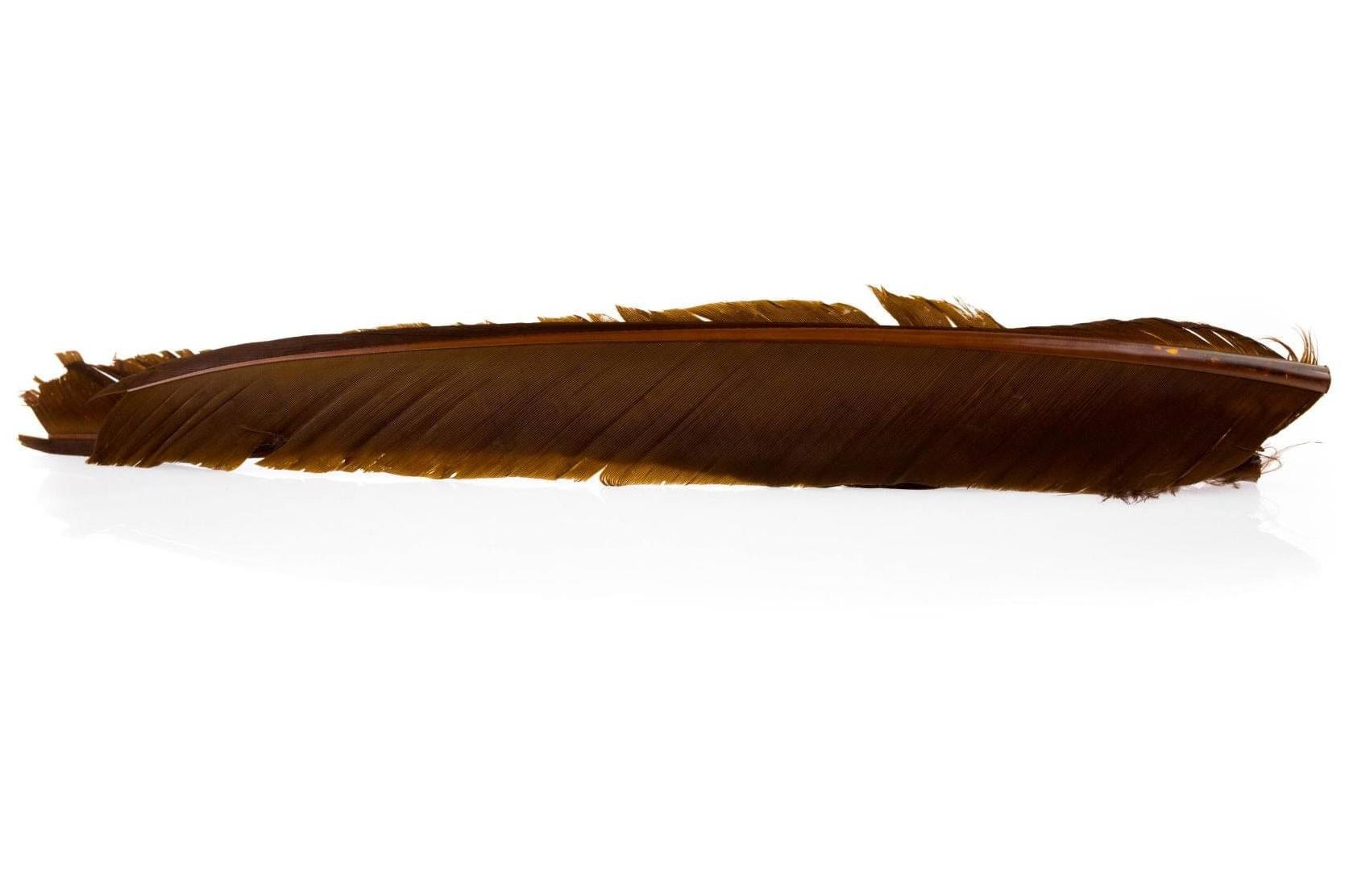
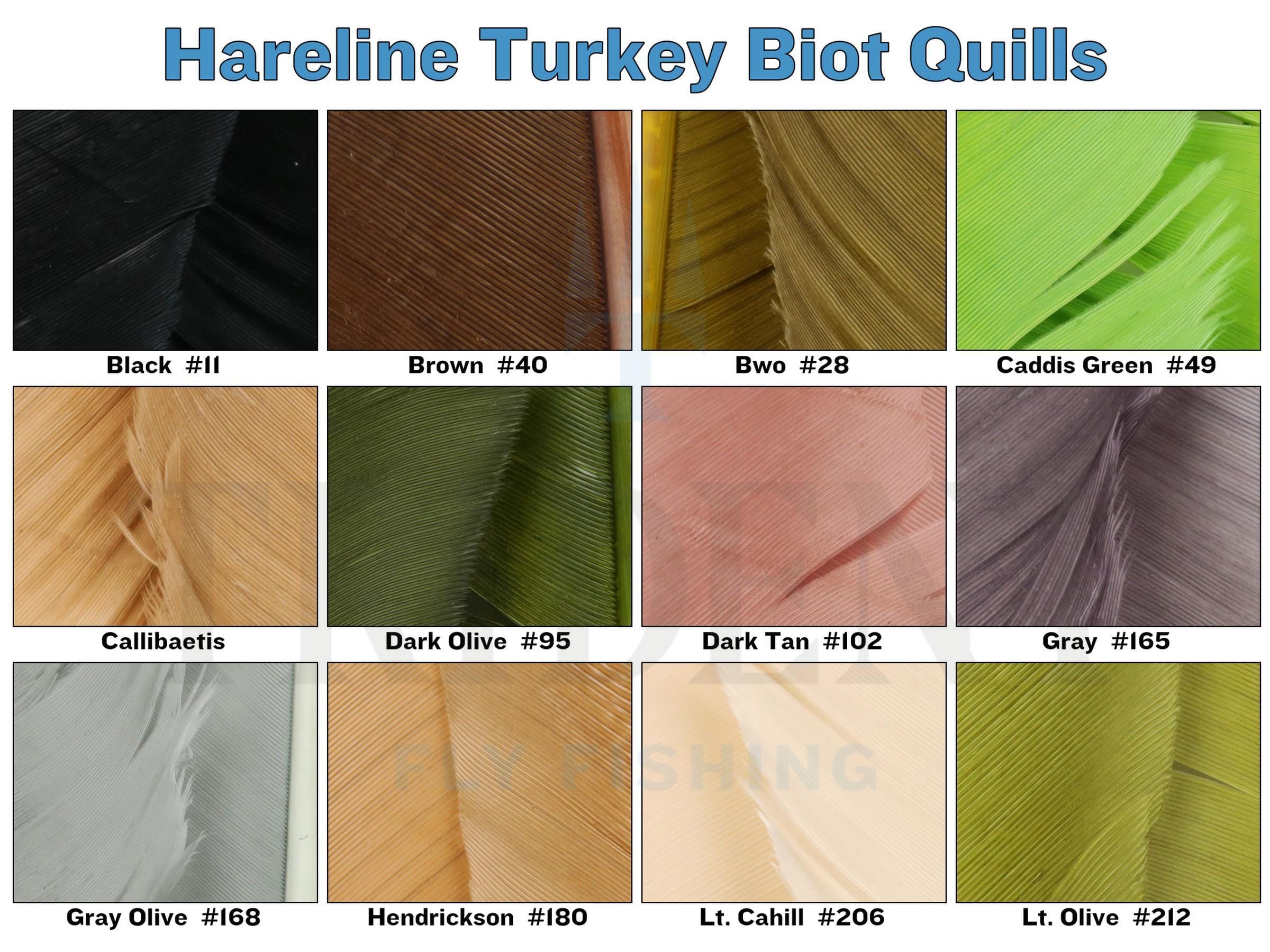
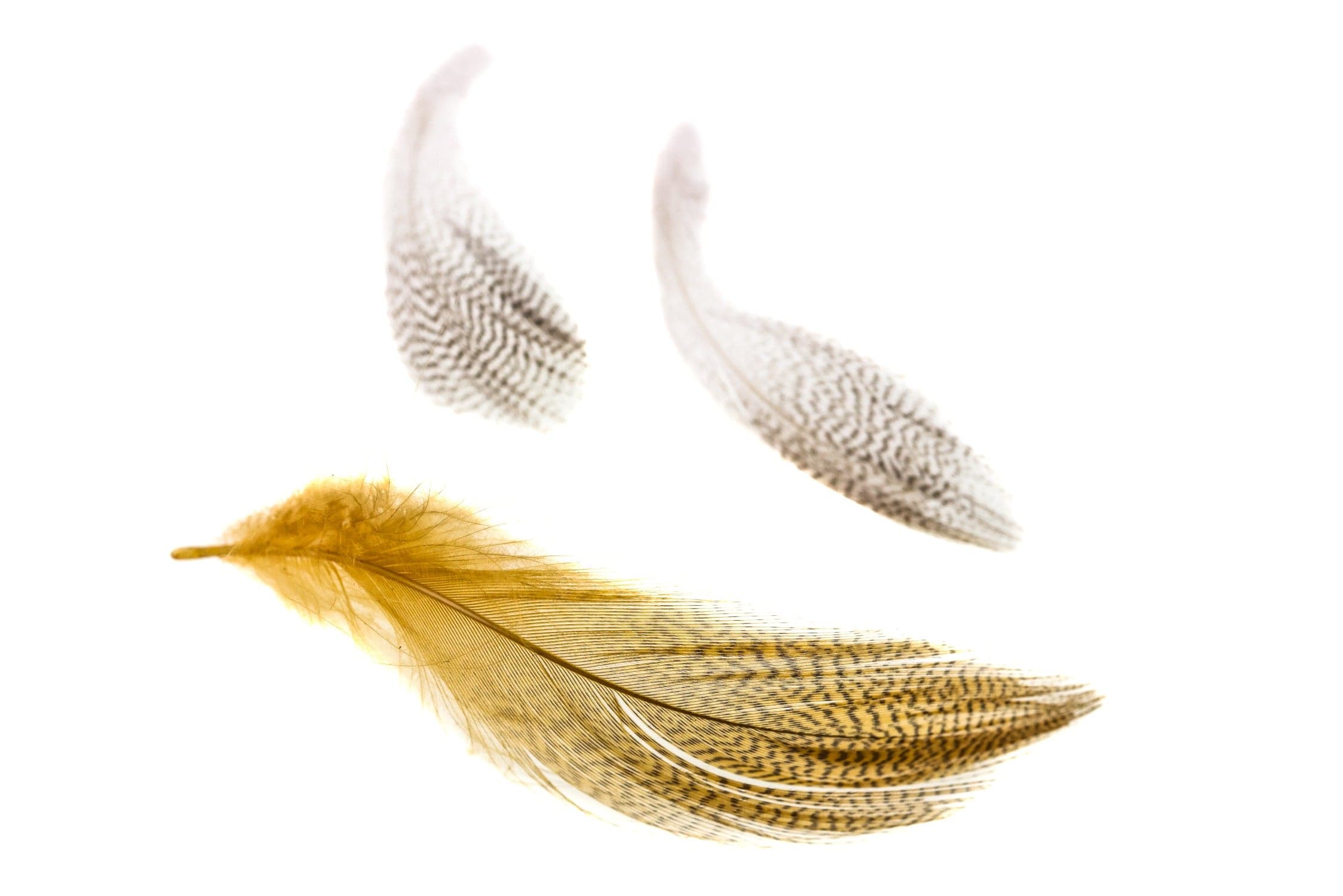
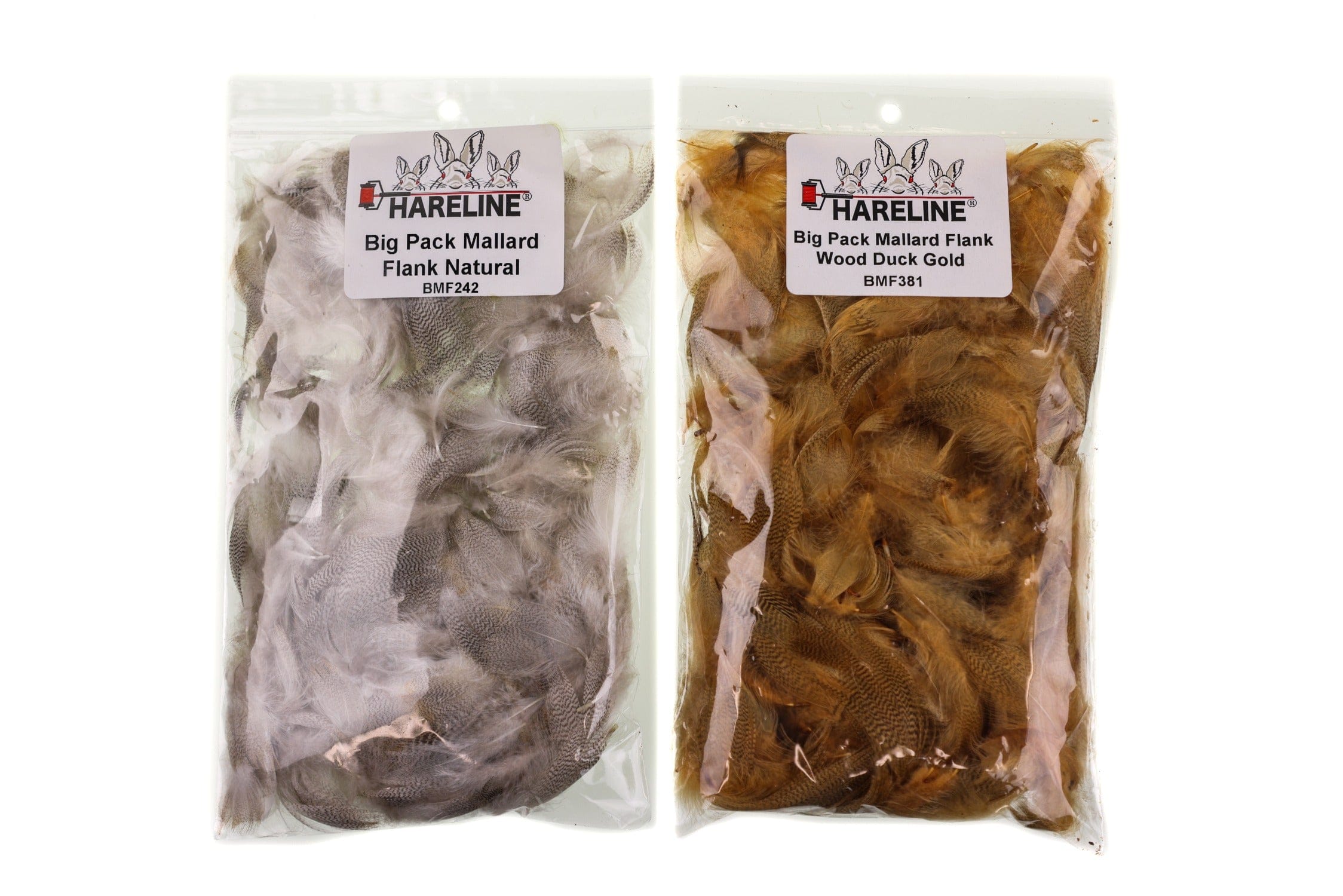
Materials like pheasant tail, peacock herl, mallard flank, and goose biots show up across proven nymphs and dries. Think in terms of function: mottling for realism, stiffness for tails/legs, or herl for buggy texture and a touch of natural sheen.
Materials & Durability
Keep them dry: Store feathers away from humidity and wet benches; damp materials can degrade and invite issues in storage.
Protect from pests: Use sealed bags/boxes and keep your tying area clean,natural materials can attract insects over time.
Sort by use: Separate dry-fly hackle, soft hackle, and streamer feathers so you don’t crush delicate pieces digging for materials.
Handle CDC gently: Avoid getting oils, head cement, or wax on CDC fibers unless the pattern calls for it.
Buy smart quantities: If you tie one pattern a lot, consider larger packs or more consistent lots to keep results uniform.
Complete Your Setup
Related Gear
Fly Tying Materials - One stop for the full bench build: feathers, dubbing, hooks, tools, and more.
Fly Tying Hooks - Match hook style and wire to the patterns your feathers are meant to fish.
Fly Tying Synthetics - Pair natural feathers with modern fibers and flash for durability and added attraction.
Fly Tying Hair & Fur - Round out your patterns with deer hair, bucktail, rabbit, and other staples.
Related Guides
Feathers & Hackle FAQs
Q: What are fly tying feathers and hackle used for?
A: They’re used to create key fly parts like collars, legs, tails, wings, and bodies. Different feather types add different things,flotation for dry flies, motion for streamers, and a buggy profile for nymphs and wets.
Q: What’s the difference between dry fly hackle and soft hackle?
A: Dry fly hackle is typically stiffer and helps support a fly on the surface. Soft hackle has softer fibers that move and collapse in current, which is ideal for wets, emergers, and swung flies.
Q: Should I buy a hackle cape or a saddle?
A: If you tie many sizes, a cape is often a better all-around starting point. If you tie a lot of the same size dry flies, a saddle can be a more efficient way to get long, consistent feathers.
Q: What feathers are best for Woolly Buggers and leeches?
A: Marabou is a classic for tails because it has a lot of natural movement. Many tiers add other feathers (like schlappen or soft hackle) for collars and extra bulk depending on the hook size.
Q: What is CDC in fly tying?
A: CDC (Cul de Canard) is a duck feather commonly used in dry flies and emergers. It helps create a subtle, lifelike look with minimal bulk, and it’s popular for technical trout patterns.
Q: How do I match hackle size to my hook?
A: A quick method is measuring hackle fiber length against the hook gap; many dry fly patterns call for fibers about 1,1.5x the gap. Exact proportions vary by style (Catskill, parachute, spent-wing) and the footprint you want.
Q: Is feathers & hackle a good place to start for beginner fly tiers?
A: Yes,if you focus on a short list of versatile materials. Starting with marabou, a basic dry-fly capable hackle option, and one or two classic body feathers can cover a surprising number of proven patterns.