


Essential Fly Fishing Gear for Beginners

Wading Accessories Quick Picks
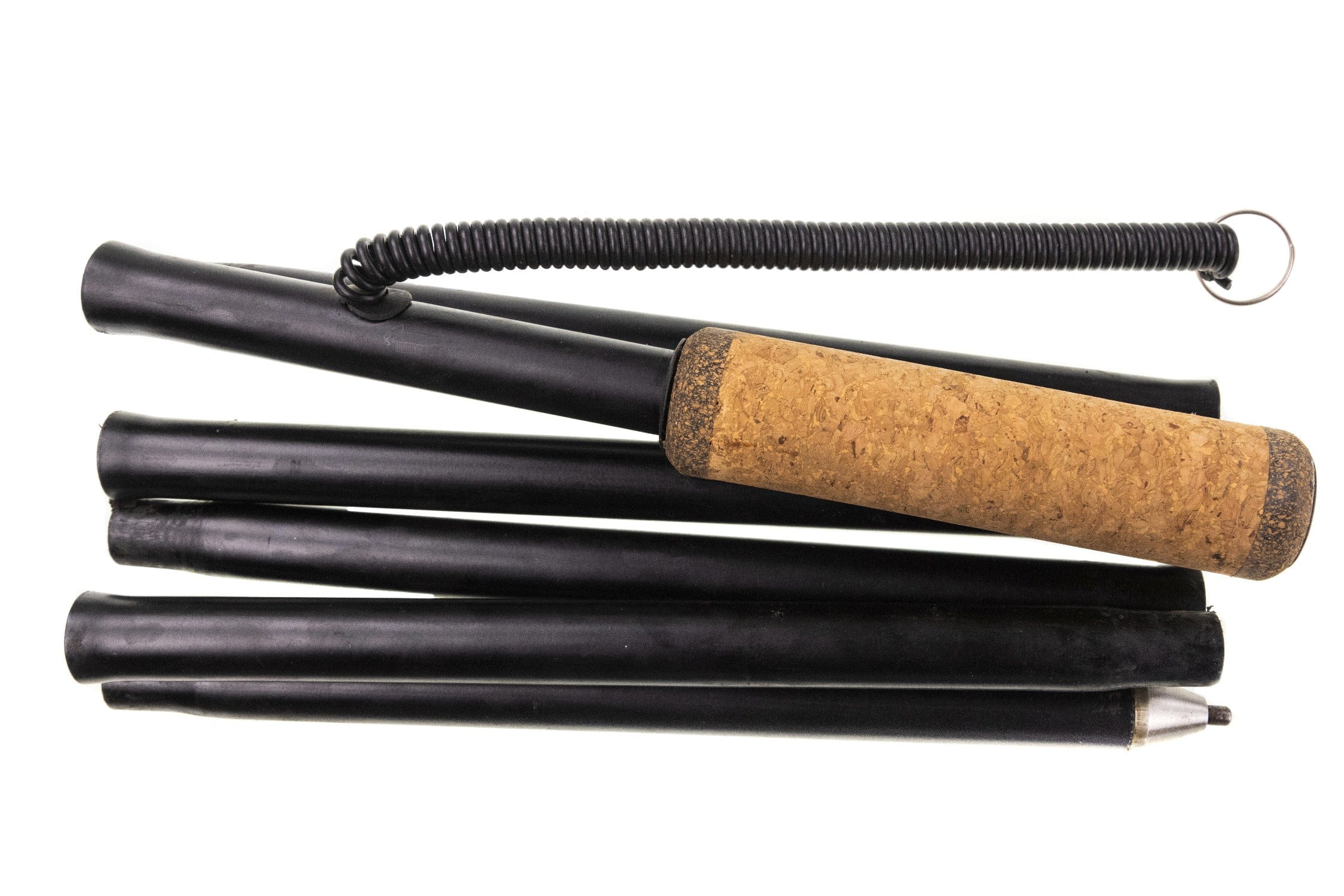
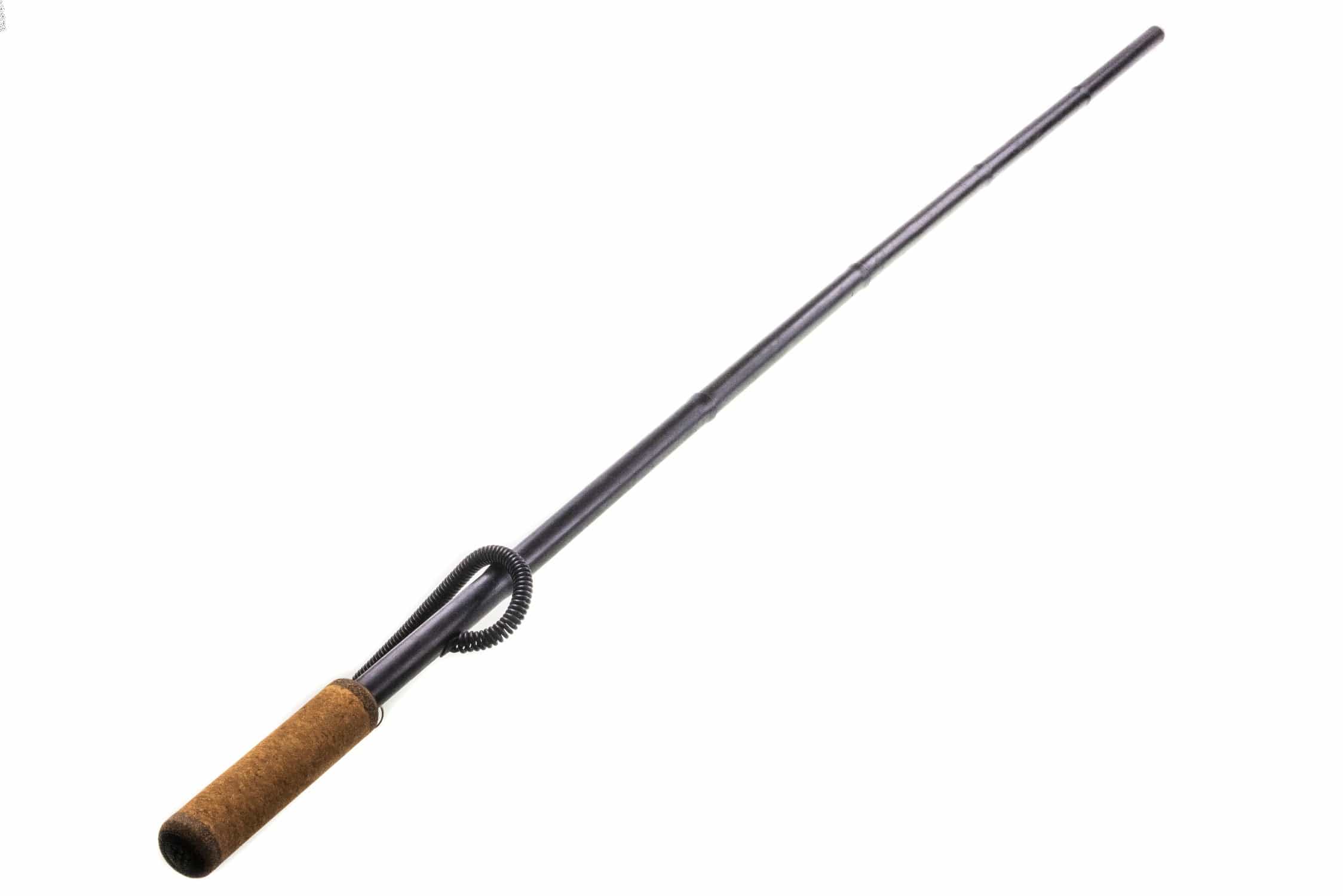
Best Wading Staff: Simms Pro Wading Staff - A lightweight, carbon-fiber staff that deploys instantly for stability in fast water. Its adjustable length and ergonomic grip make it a favorite for safety-conscious anglers.
Best Wading Belt: Simms Neoprene Wading Belt -5-mm Neoprene Wading Belt for comfort, new heavy-load buckle for added strength & safety.
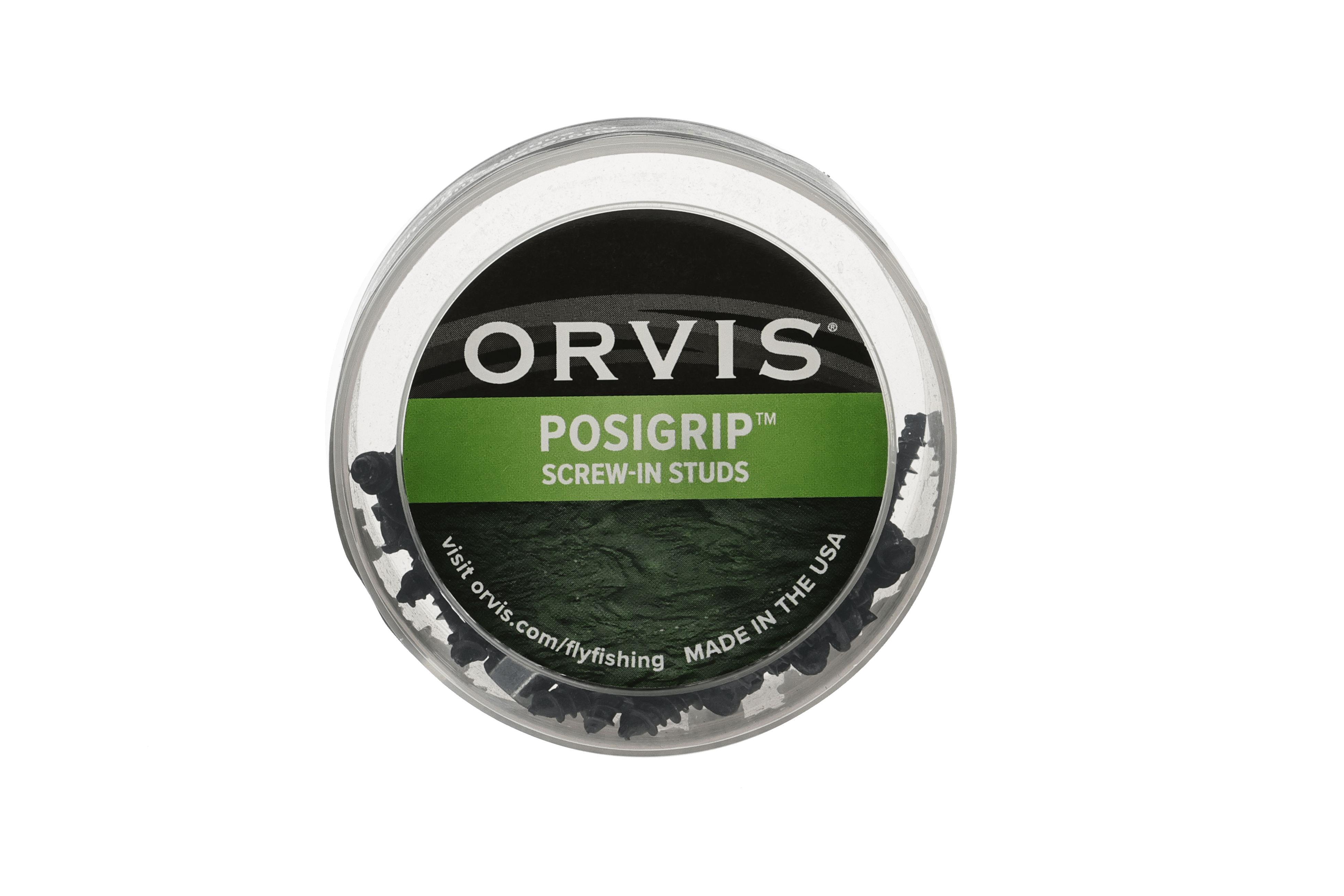
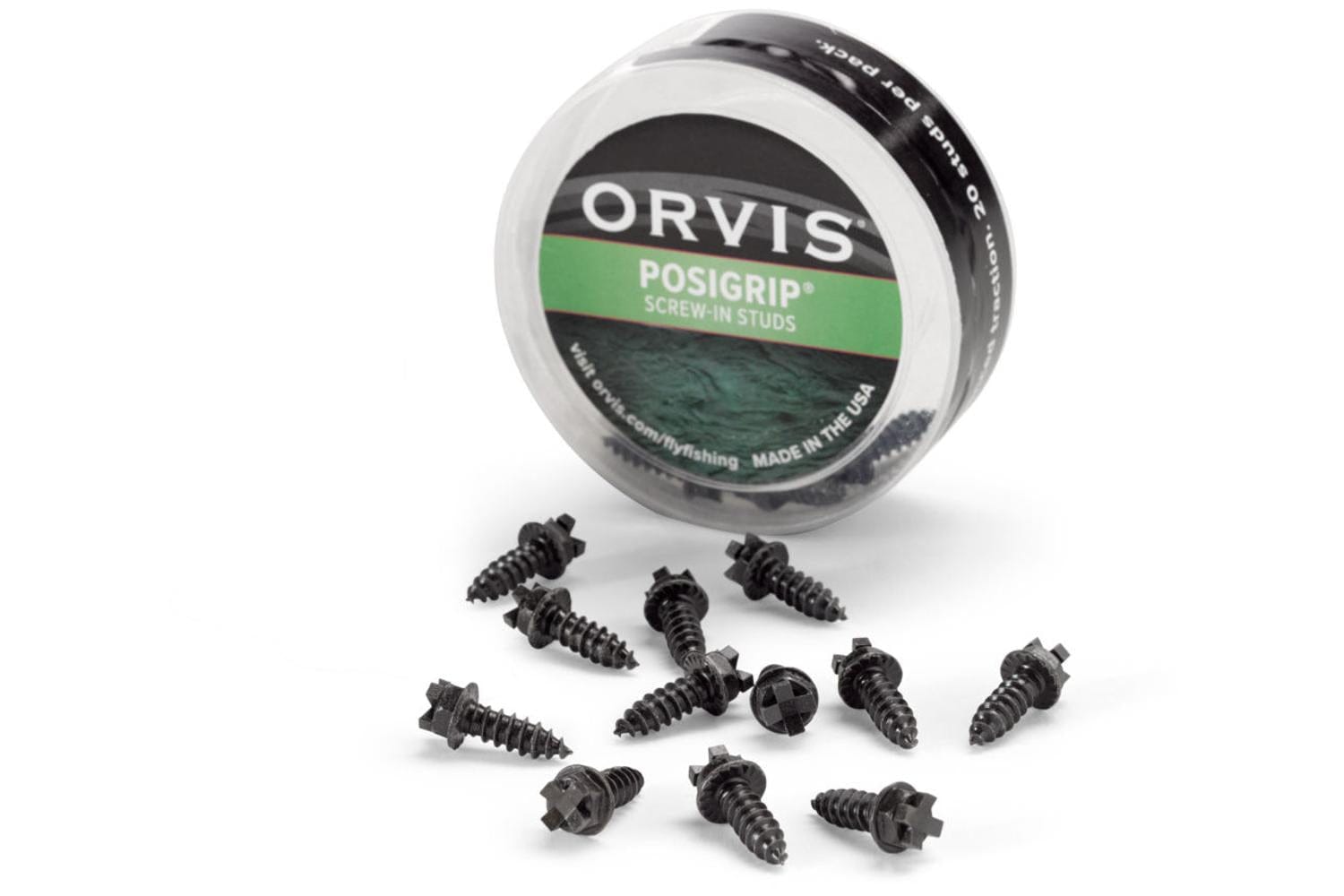
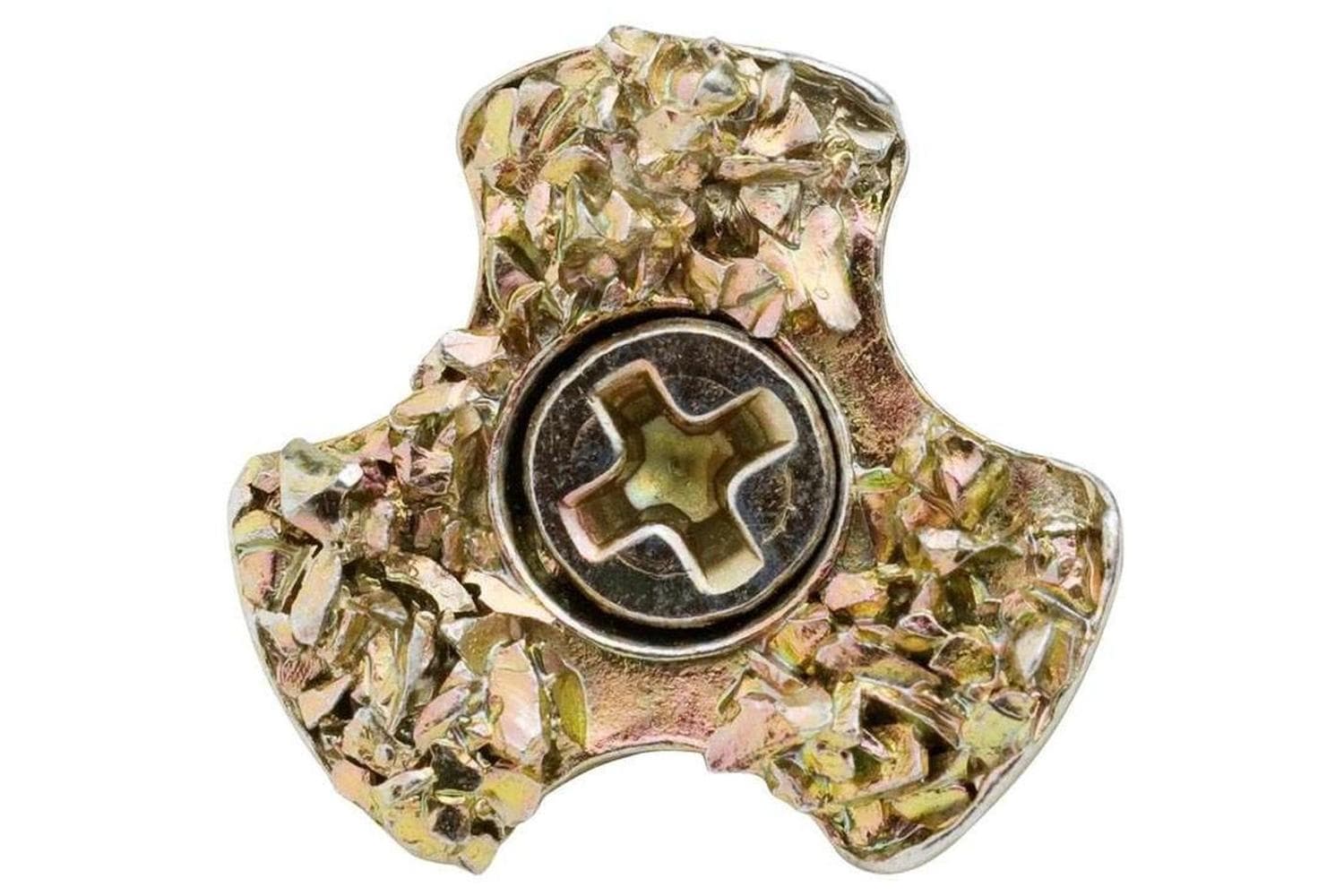
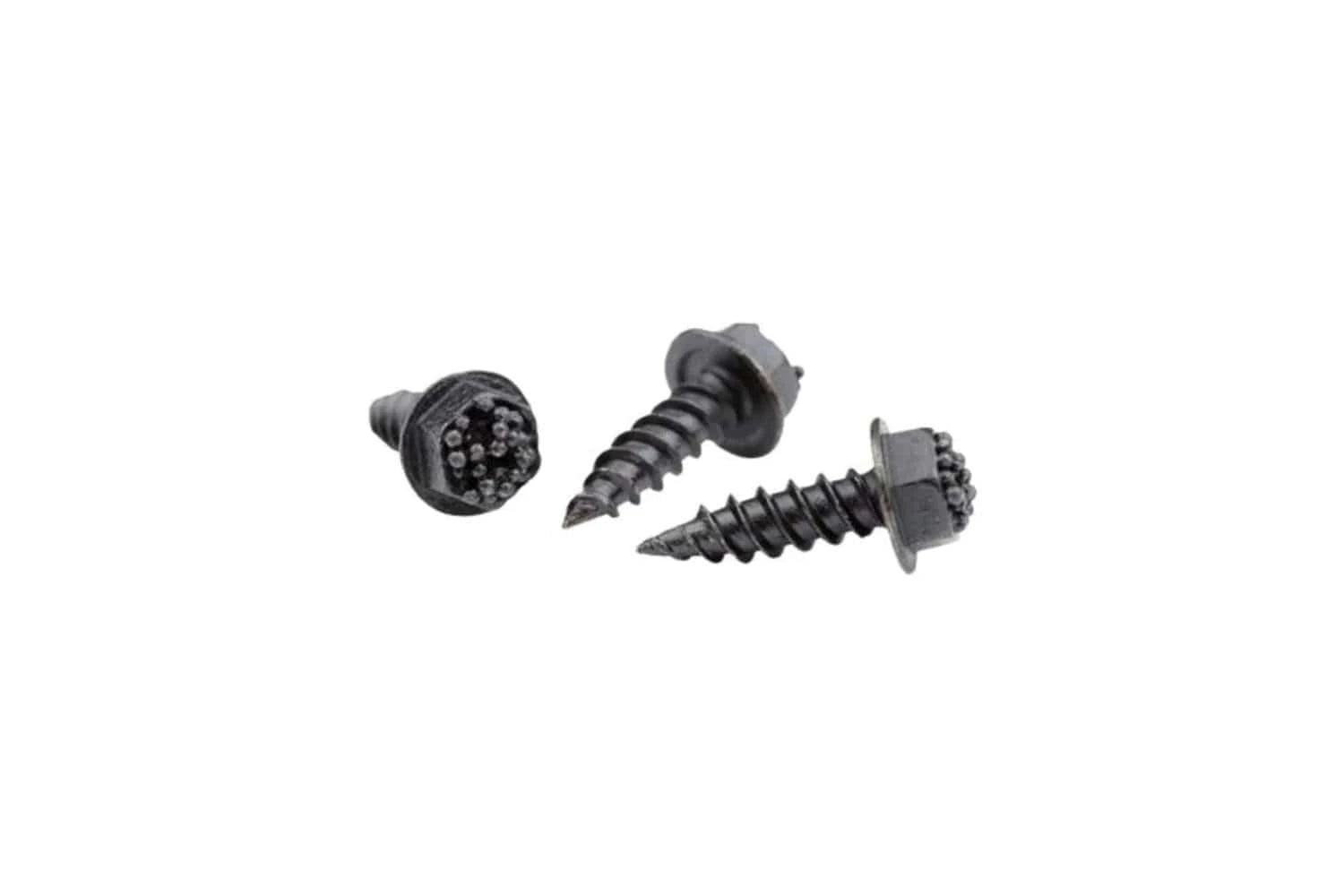
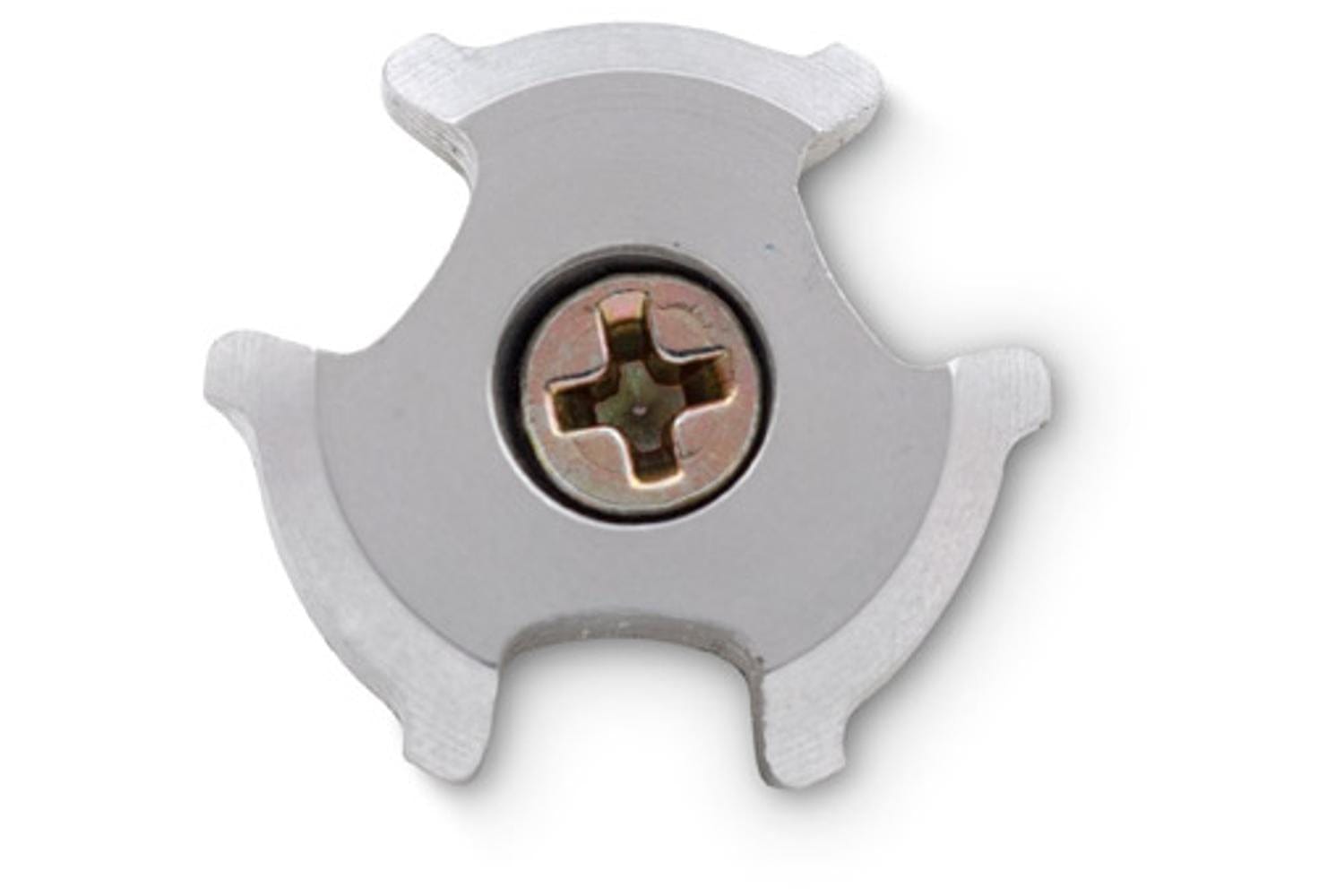
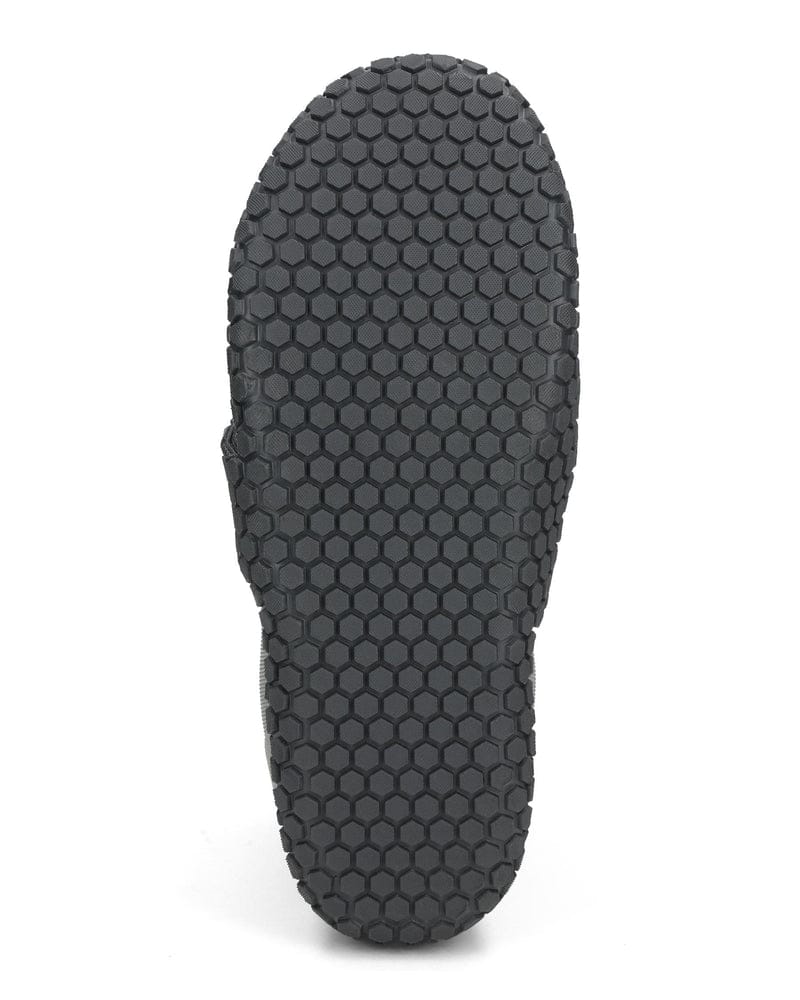
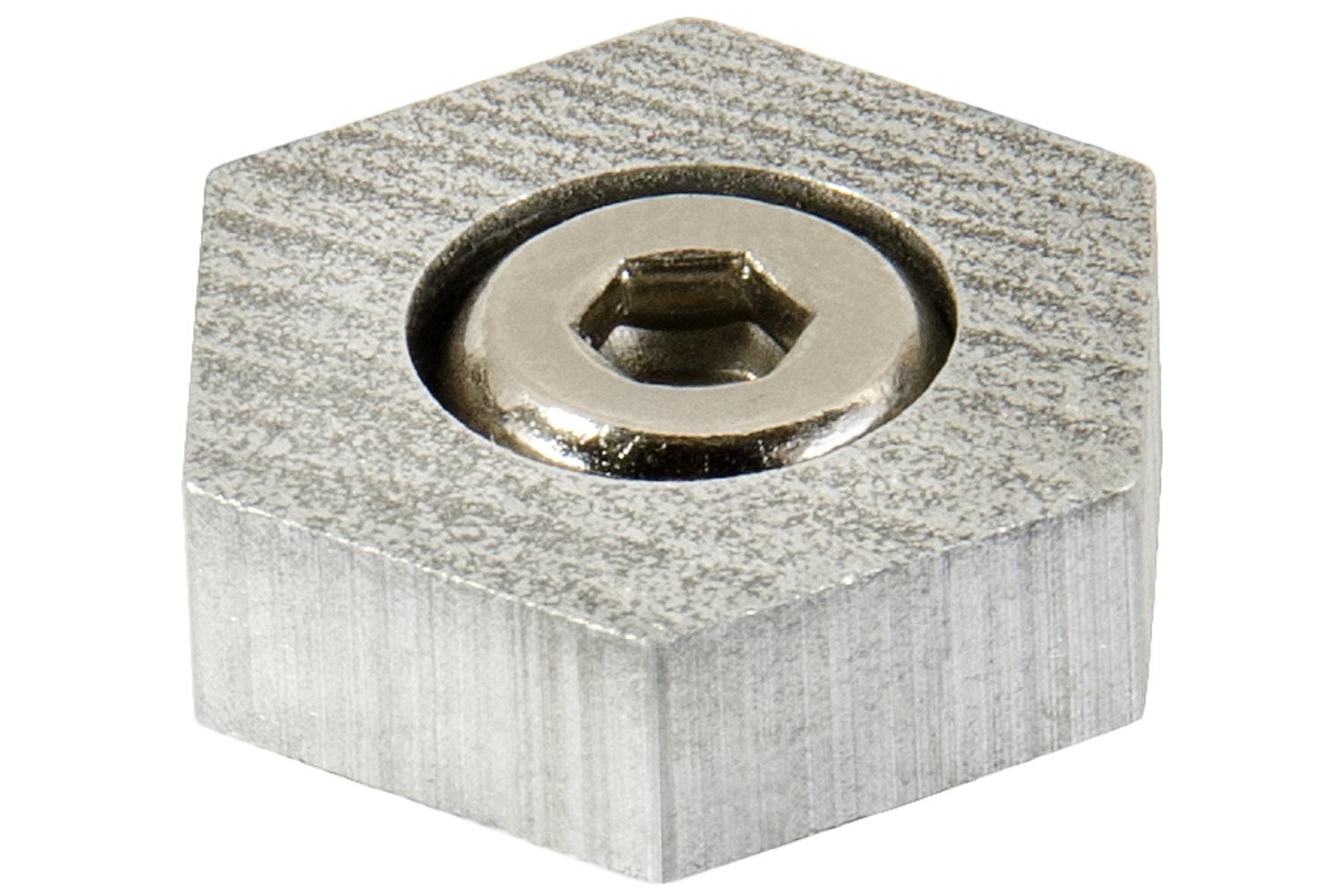
Best Traction Upgrade: Simms HardBite Boot Stud Vibram - Heavy-duty tungsten carbide studs that screw easily into rubber soles. These provide superior grip on slimy rocks and can be removed or replaced as needed.
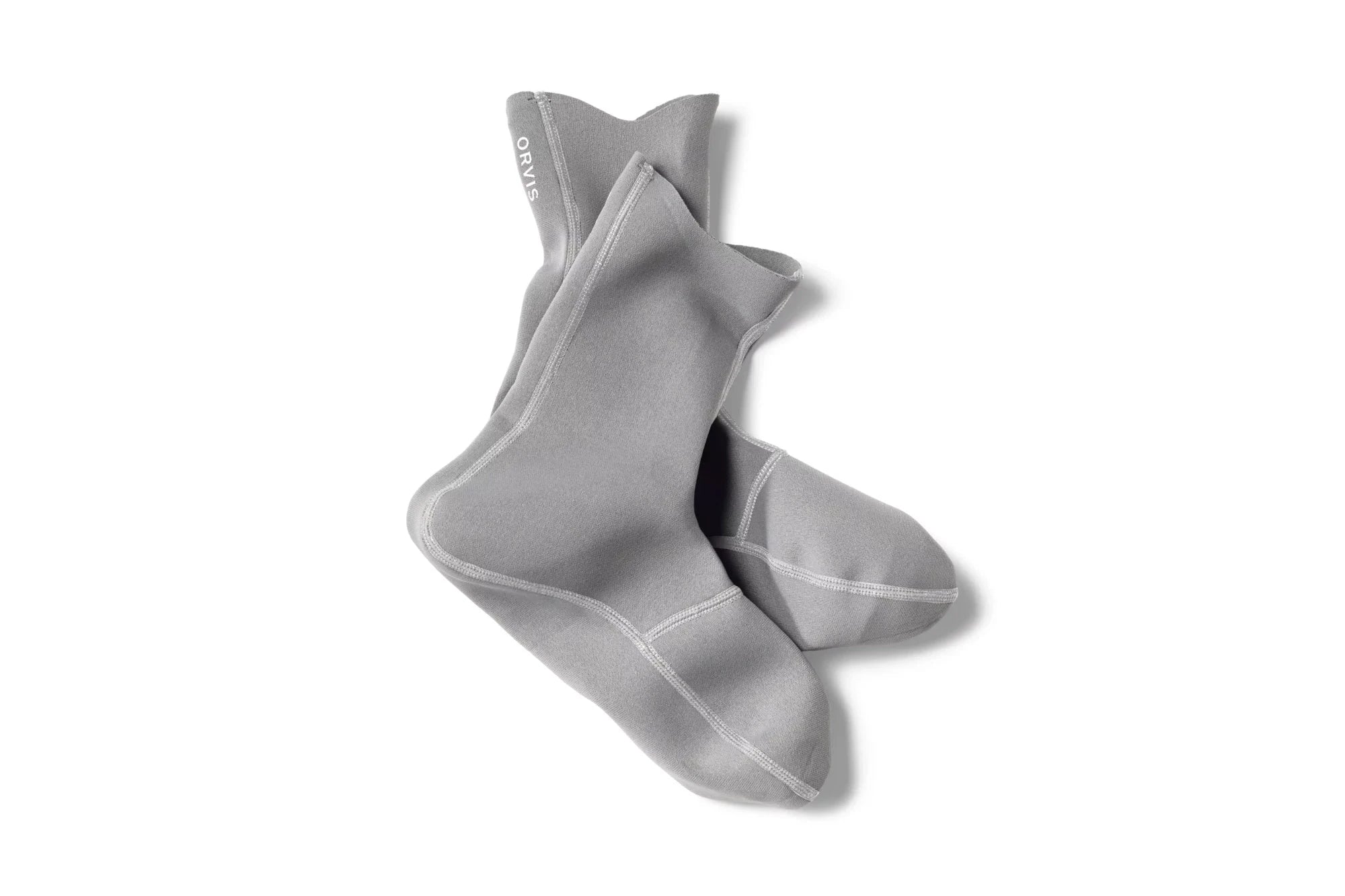
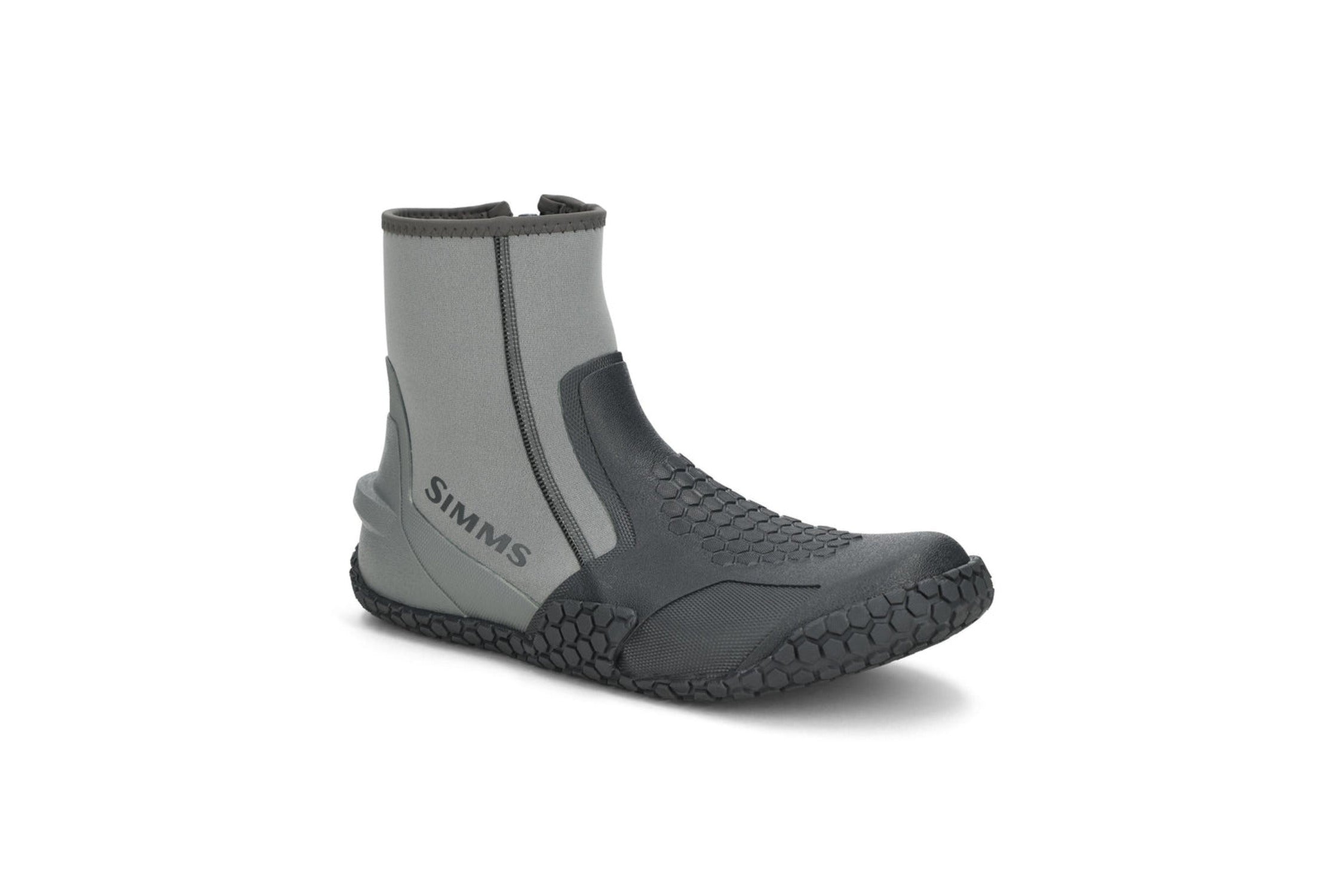
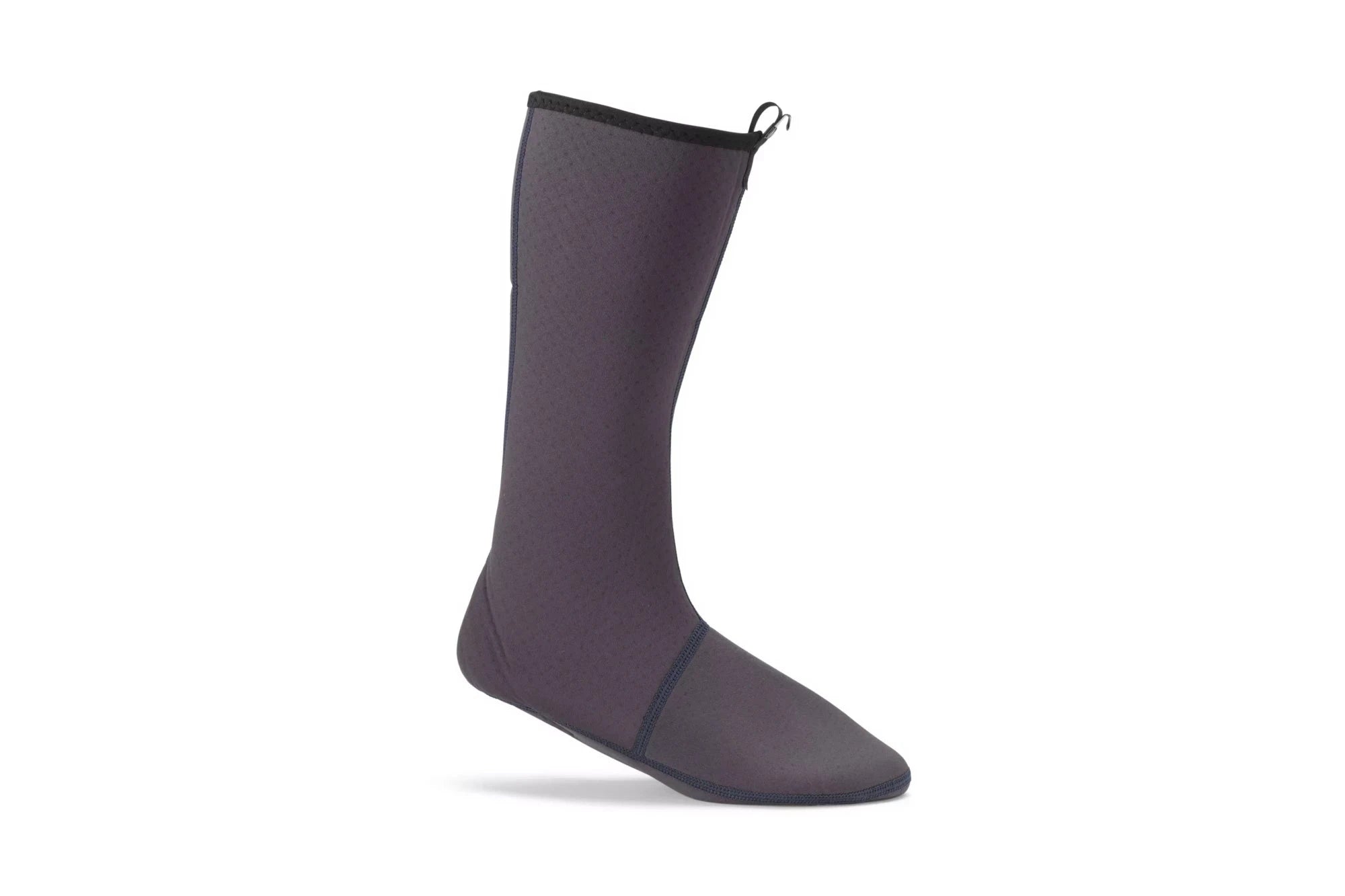
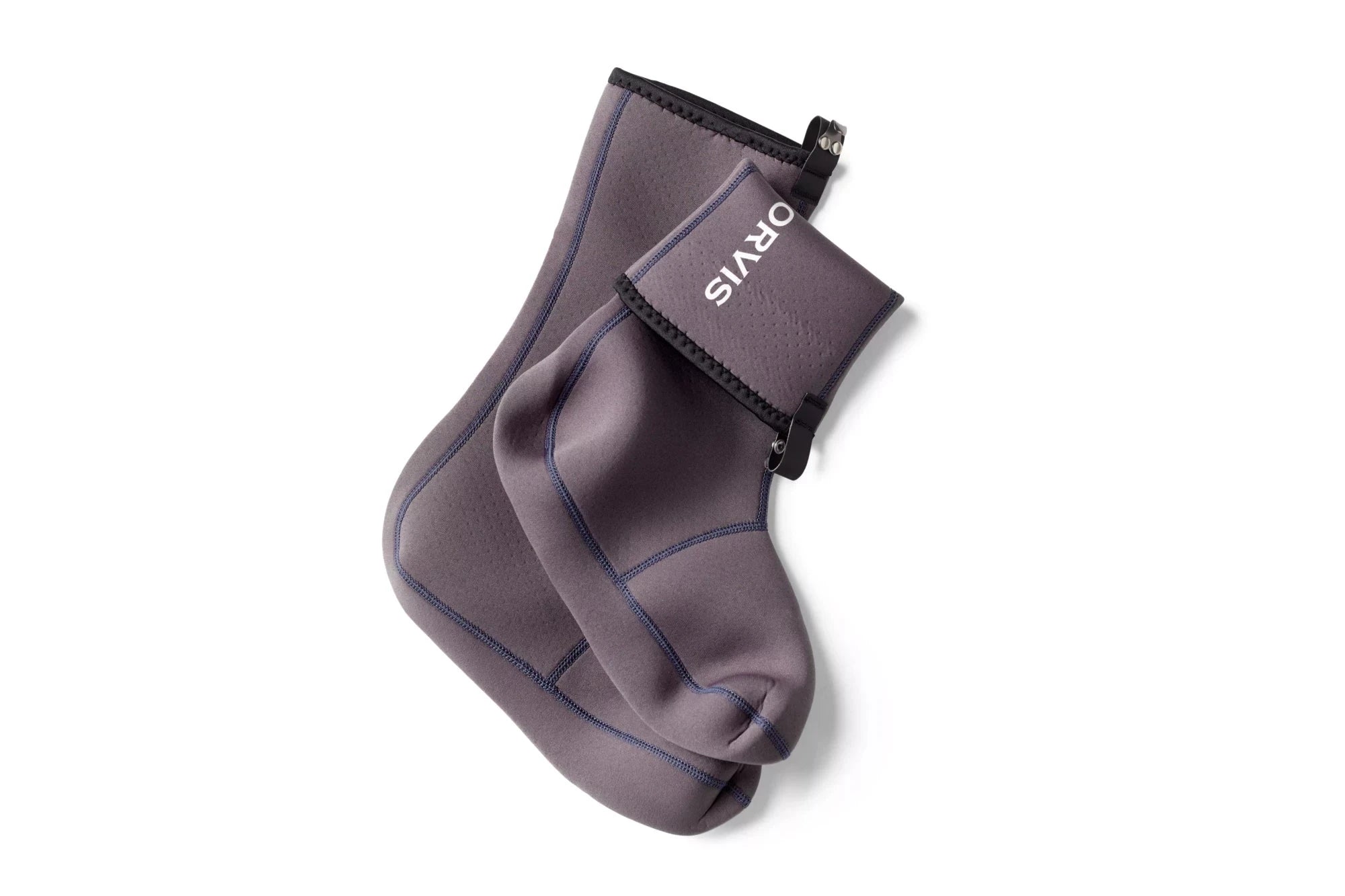
Best for Wet Wading: Simms Neoprene Wading Socks - Essential for warm days when you leave the waders at home. These socks fill out your boots to prevent blisters while keeping your feet warm in cold tailwaters.
Explore by Type
How to Choose Wading Accessories
Choosing the right accessories can turn a challenging day of wading into a comfortable and safe experience. From staying upright in heavy currents to organizing your gear, these tools are just as important as your rod and reel.
Wading Staffs
Folding vs. Fixed: Most modern wading staffs fold up into a holster on your belt, making them easy to carry when not in use. Look for models with a quick-deploy mechanism that snaps the sections together instantly. A good staff should be stiff enough to support your full weight in strong currents without flexing.
Wading Belts
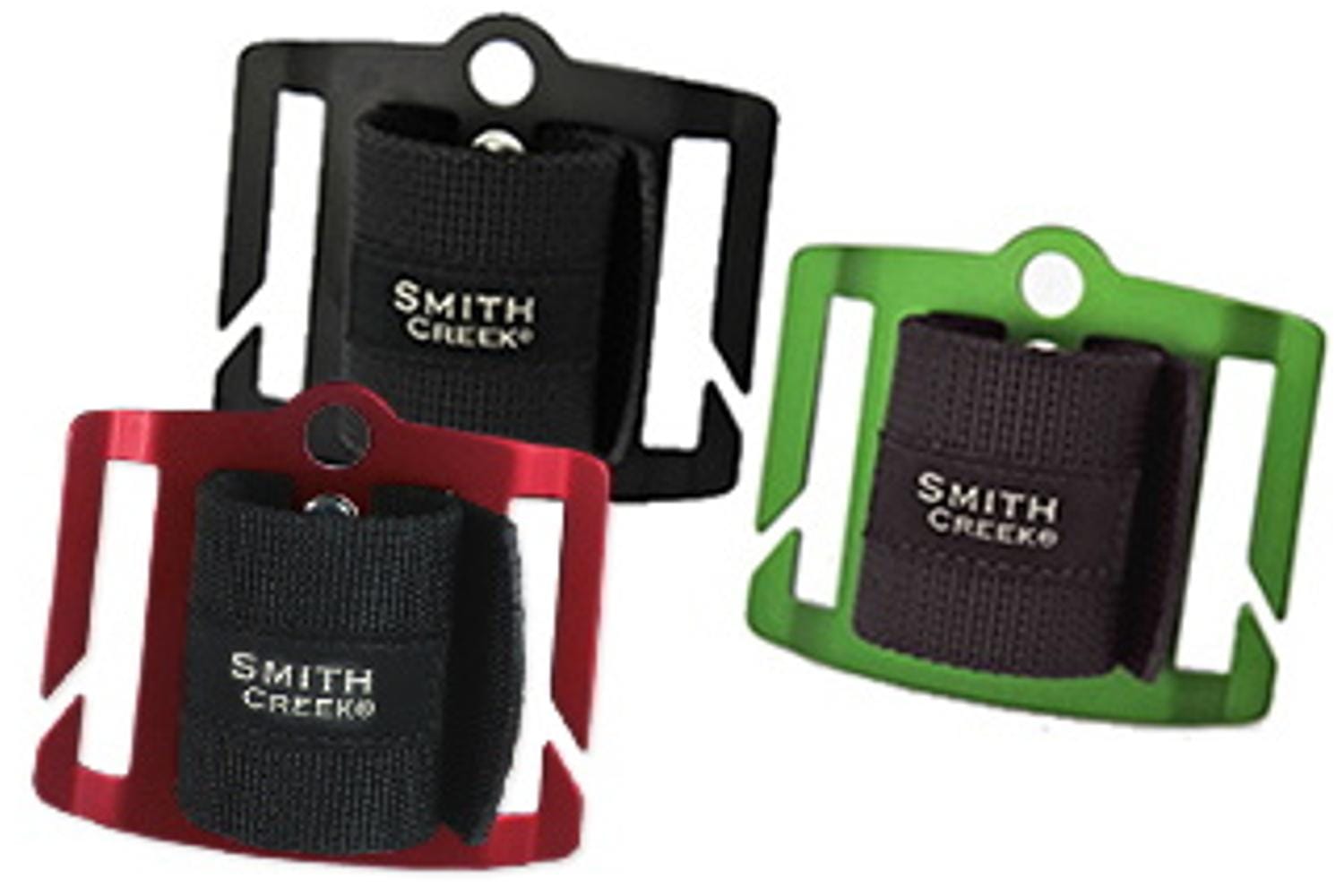
Safety First: A wading belt is critical for preventing water from filling your waders if you take a spill. Upgrade from the thin strap that came with your waders to a wide, padded belt. These offer better back support for long days and often include slots for nets, pliers, and staff holsters.
Boot Studs & Cleats
Traction: Rubber soles are great for hiking, but they can be slippery on algae-covered rocks. Screw-in studs made of tungsten carbide bite into the riverbed for secure footing. Aluminum bars or cleats are another option that molds to the rock surface for exceptional grip, though they wear down faster than carbide.
Care & Maintenance
Rinse Metal Parts: Wading staffs and locking mechanisms can corrode if stored wet. Rinse them with fresh water and let them dry completely, especially after saltwater use.
Check Your Studs: Inspect your boot studs periodically to ensure they haven't backed out. Re-tighten them if necessary or replace lost studs to maintain consistent traction.
Dry Neoprene: Turn neoprene wading socks inside out to dry thoroughly. This prevents odors and bacterial growth that can degrade the material over time.
Complete Your Setup
Related Gear
Waders - Pair your accessories with breathable, durable waders for any season.
Wading Boots - Find the perfect boots to match your new studs and socks.
Related Guides
Wading Accessories FAQs
Q: Do I really need a wading staff?
A: If you fish fast, deep, or murky water, a staff is a major safety asset. It provides a third point of contact to test depth and stability before you commit your weight to a step.
Q: Can I put studs in felt soles?
A: Yes, many studs are designed to work with both felt and rubber soles. Adding studs to felt gives you the ultimate combination of grip on slime (felt) and bite on hard rock (studs).
Q: What is wet wading?
A: Wet wading simply means fishing without waders, usually in warm weather. You wear quick-drying pants and wading boots with neoprene socks to protect your feet and fill the space normally taken by wader booties.
Q: How do I size a wading belt?
A: Most wading belts are adjustable to fit a wide range of waist sizes. However, check the product specs if you are layering heavily for winter fishing, as you may need extra length to go over thick jackets and waders.