


What's the BEST 20lb Tippet? We Tested Over 30 to Find Out!


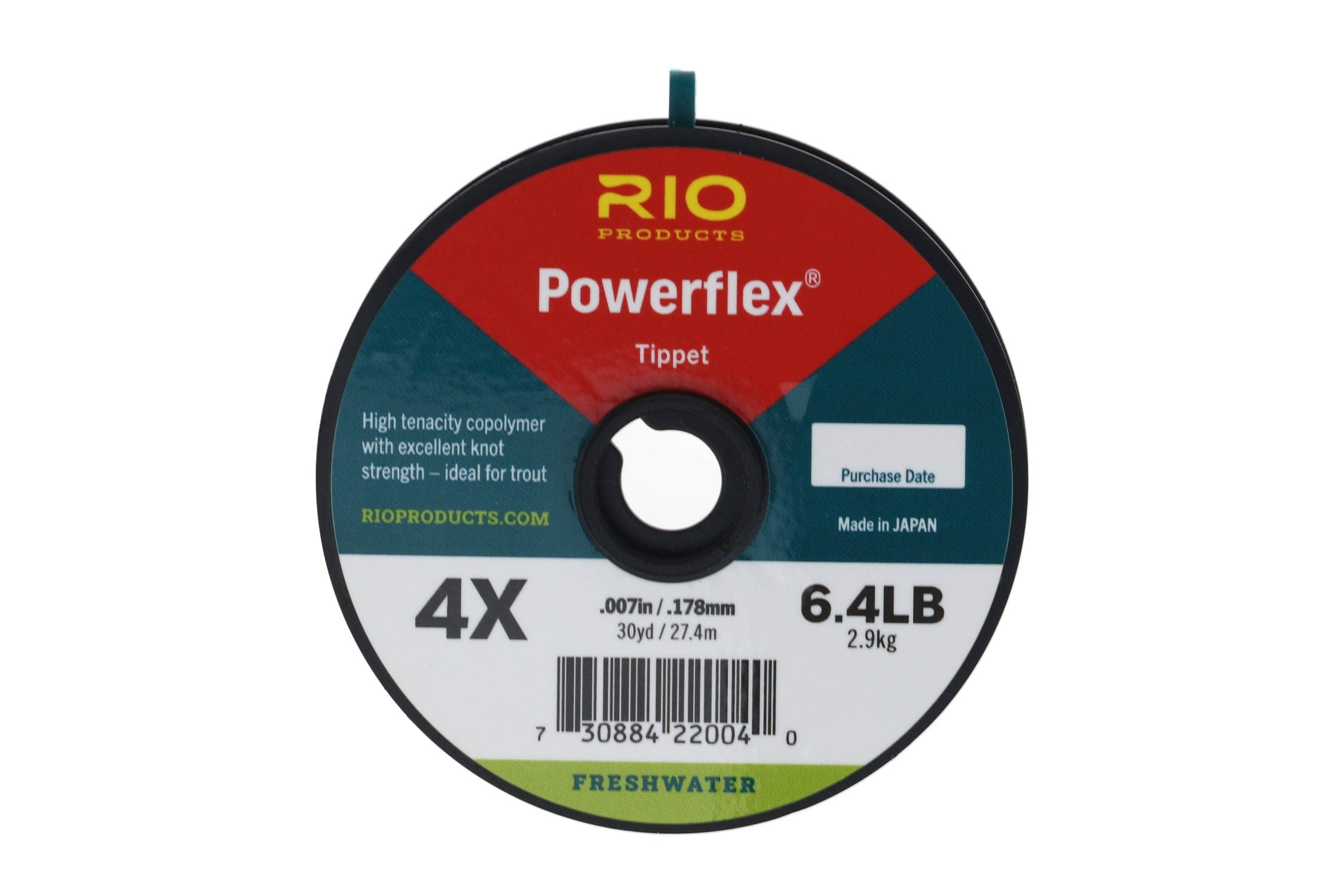

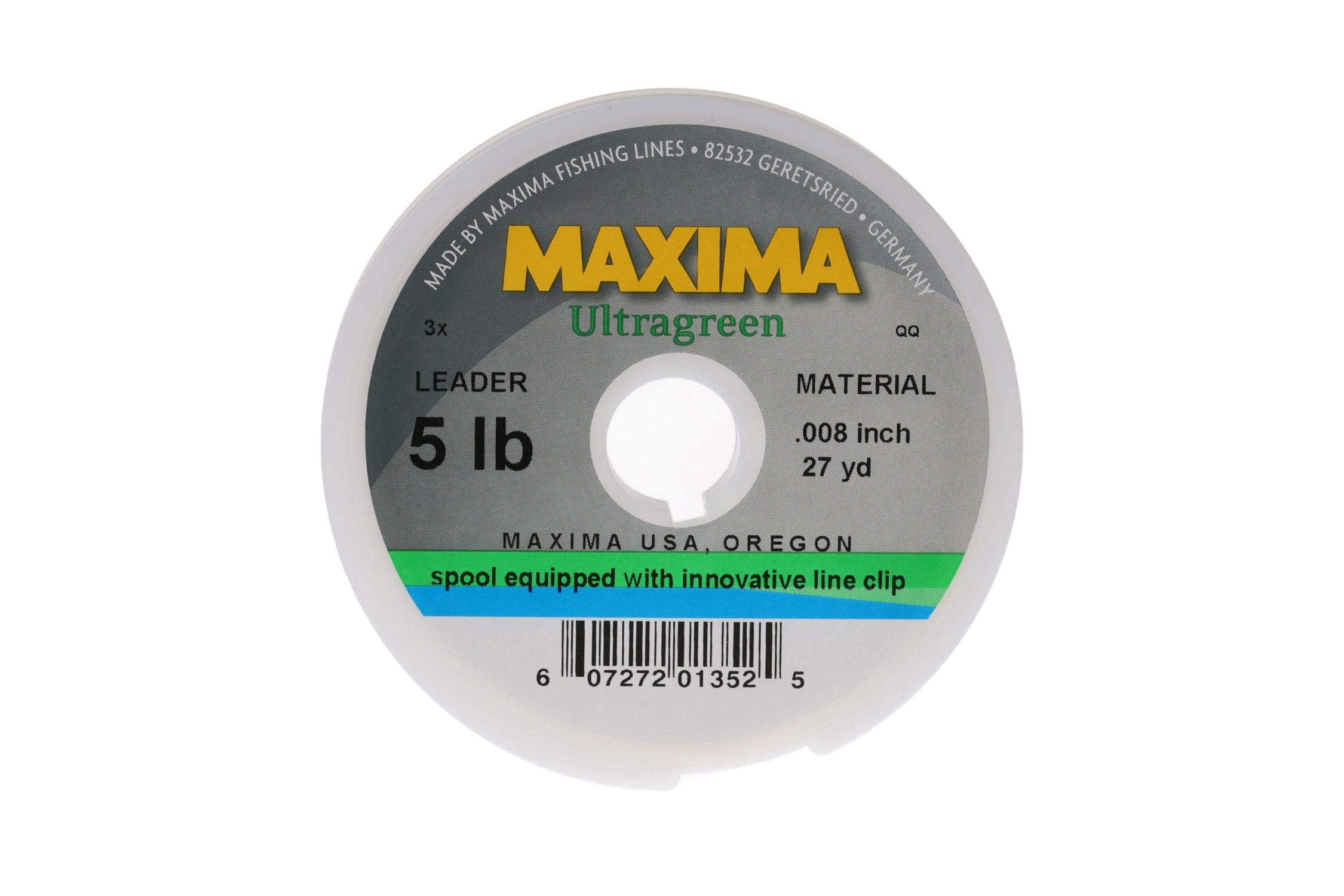
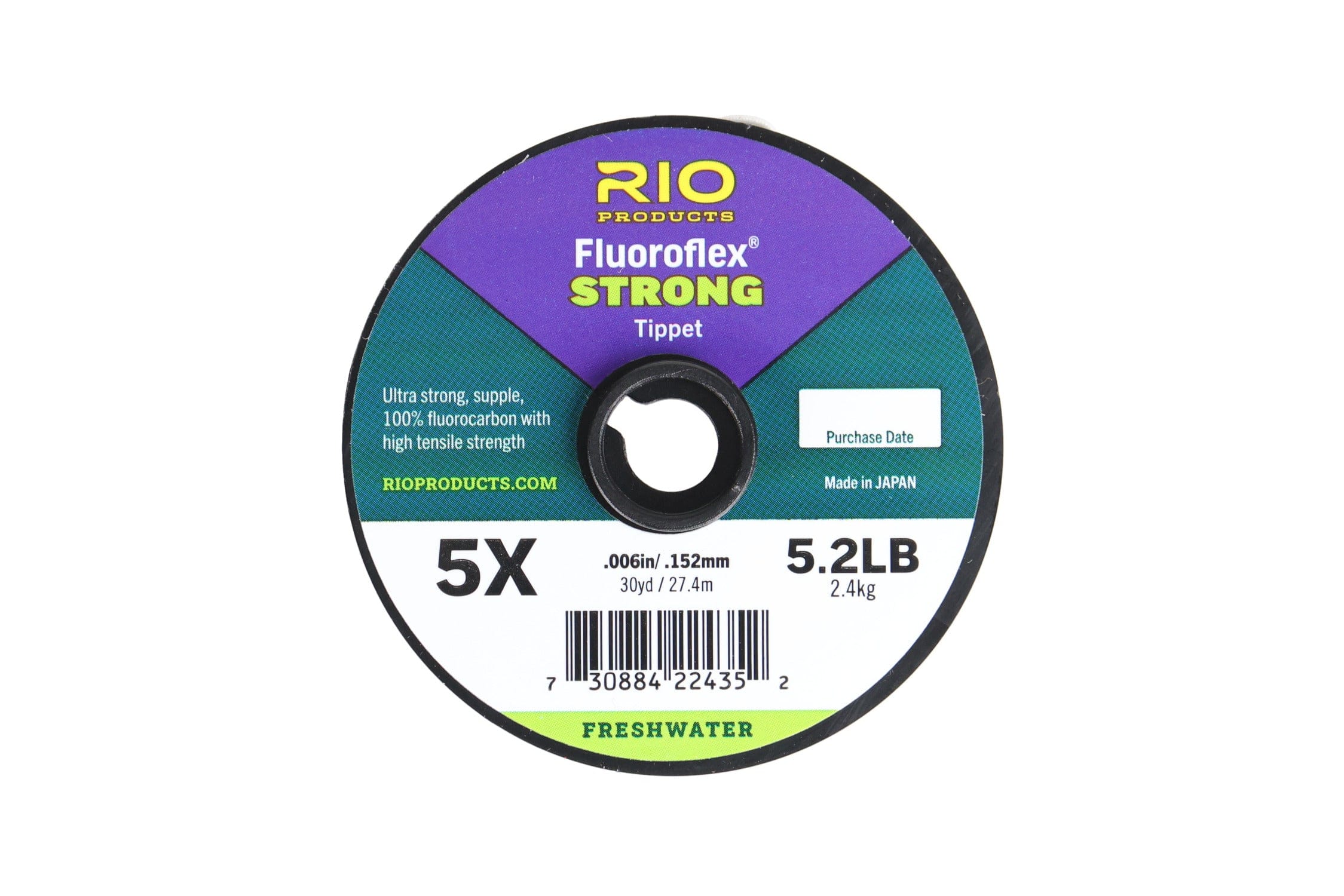
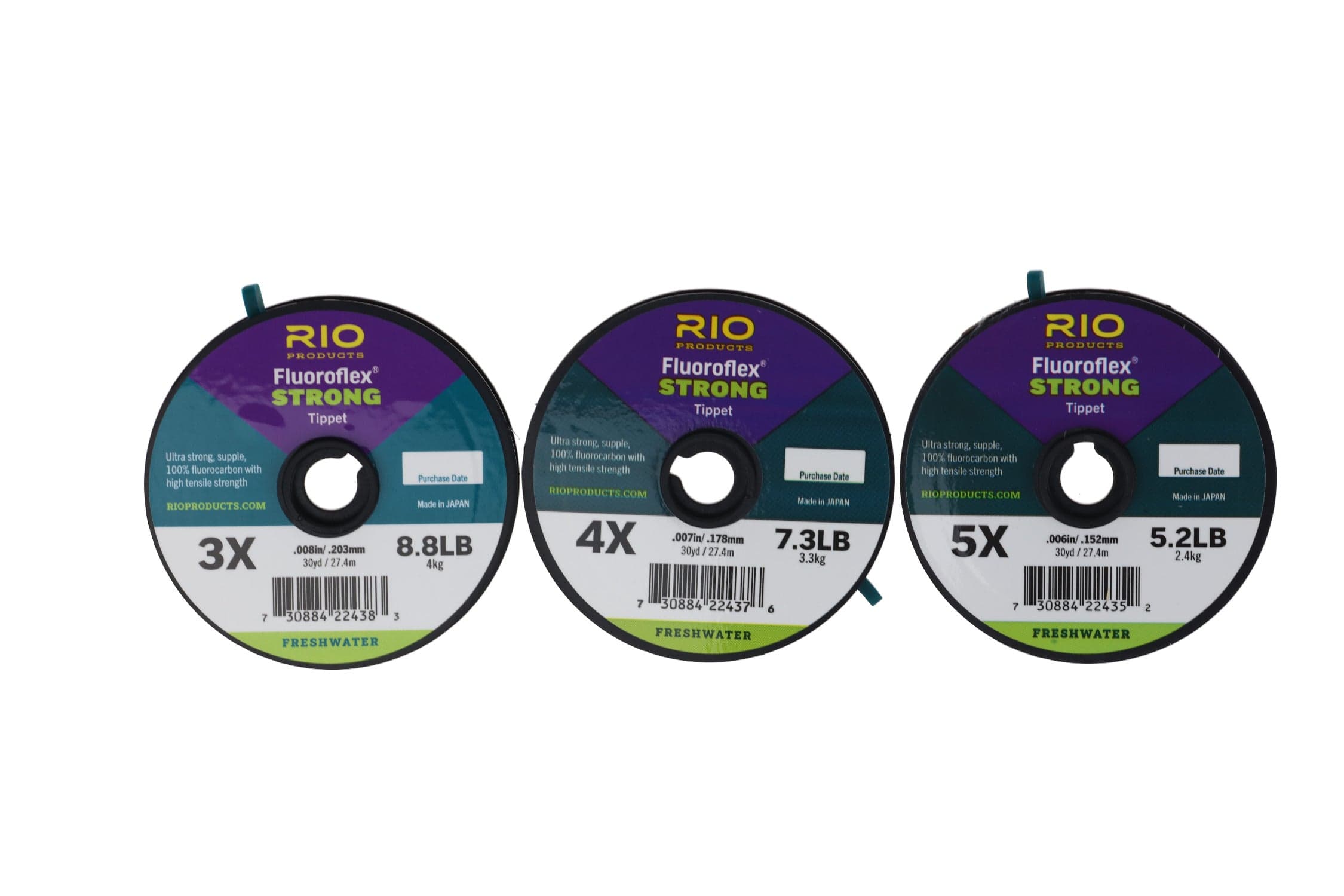
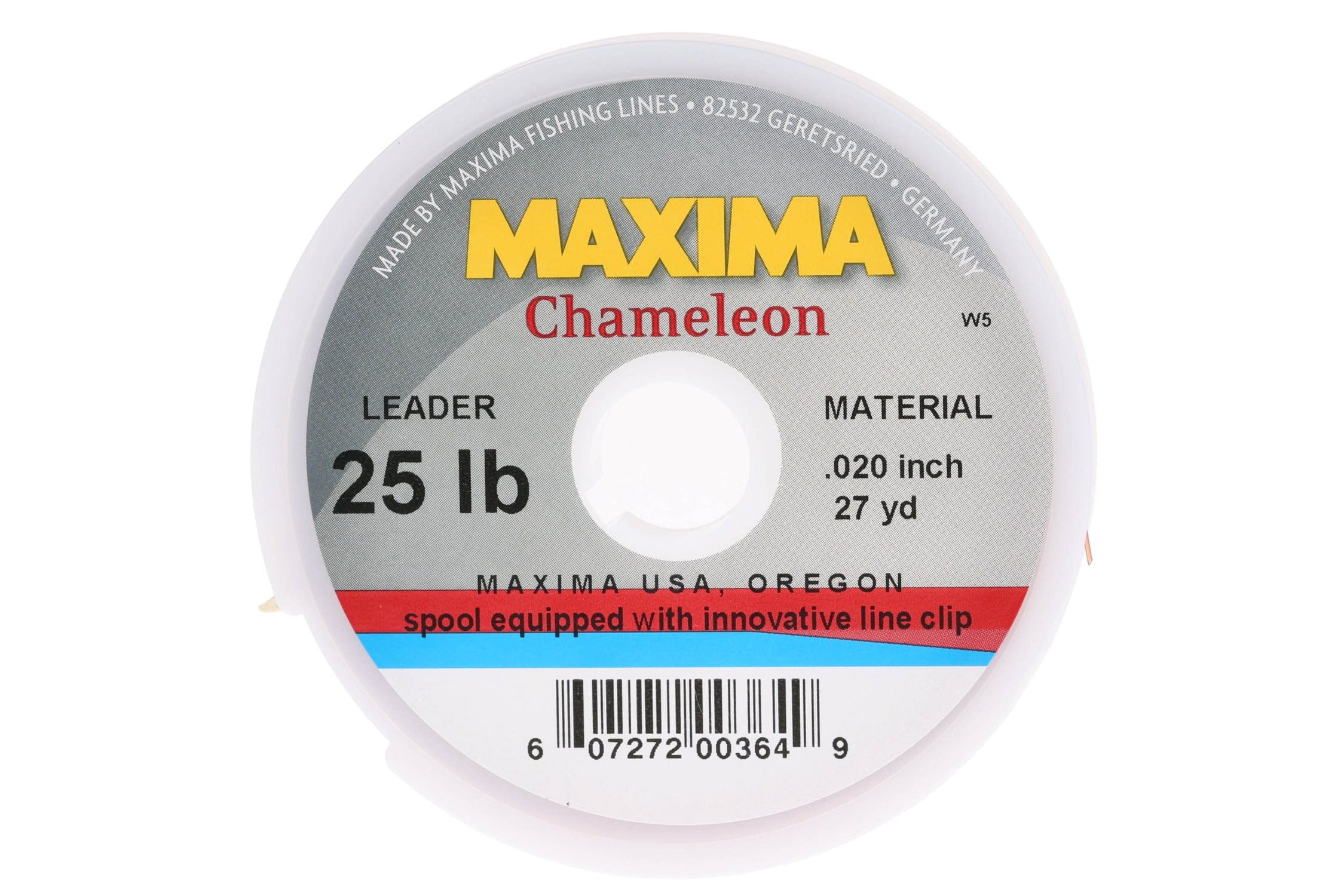
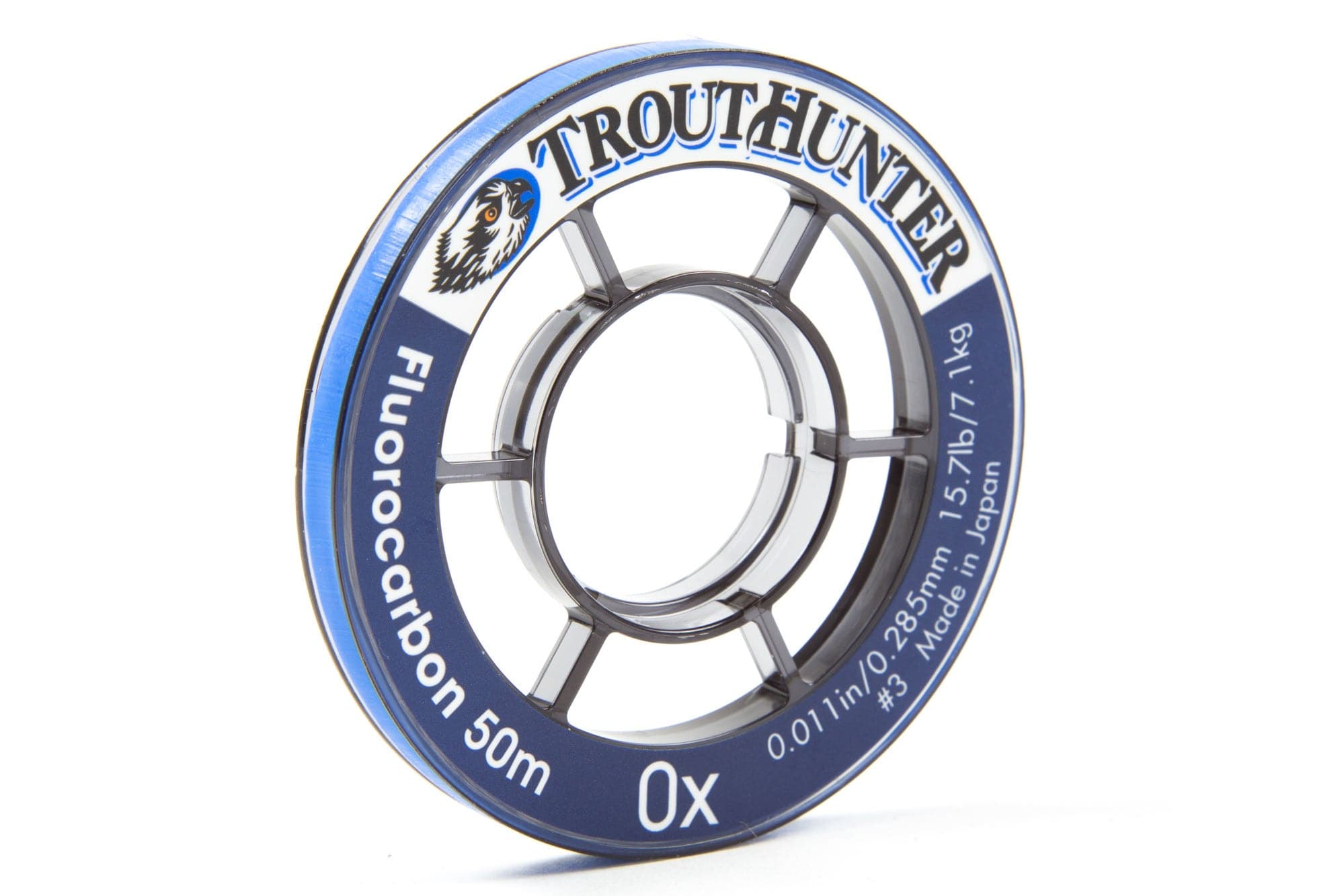


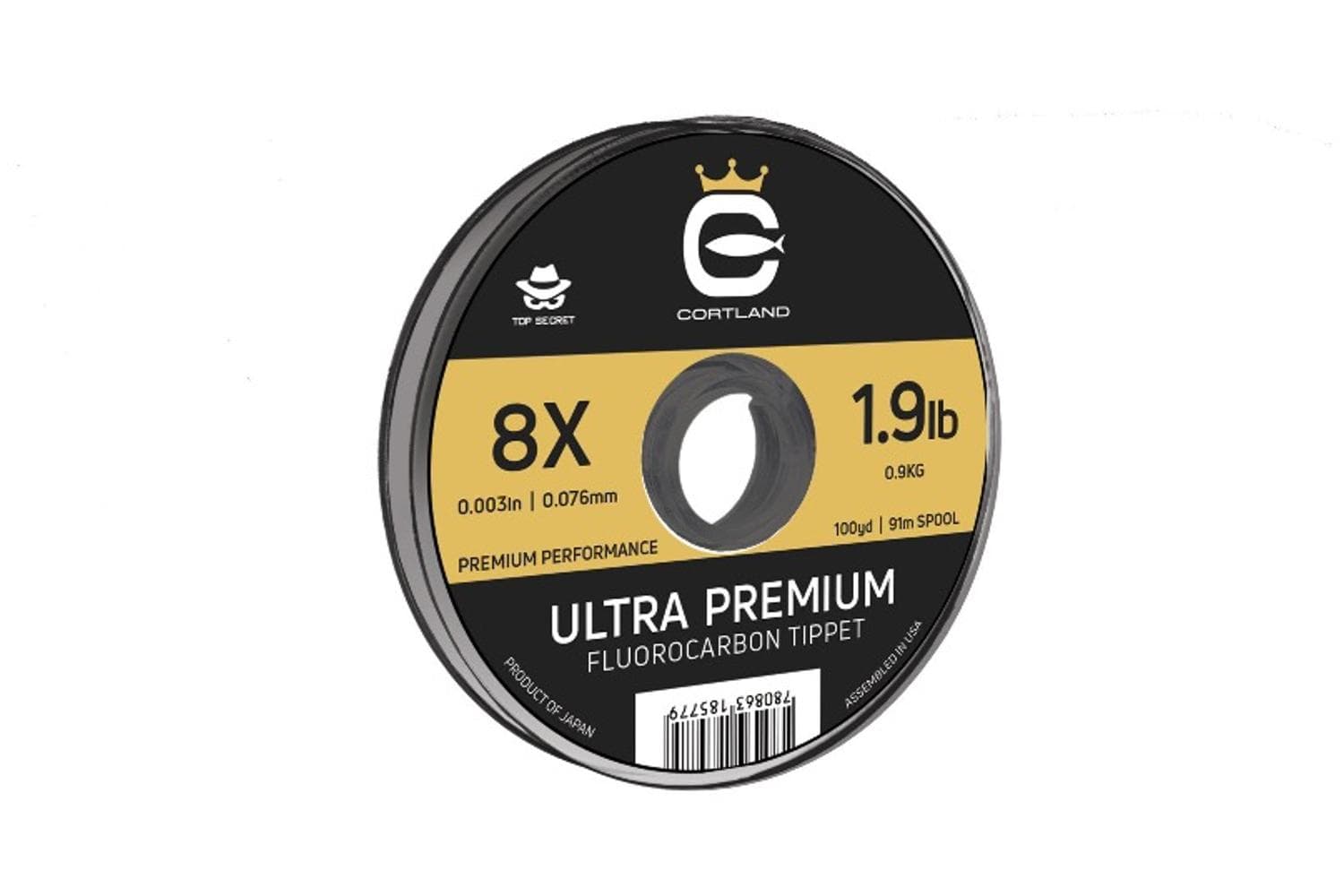


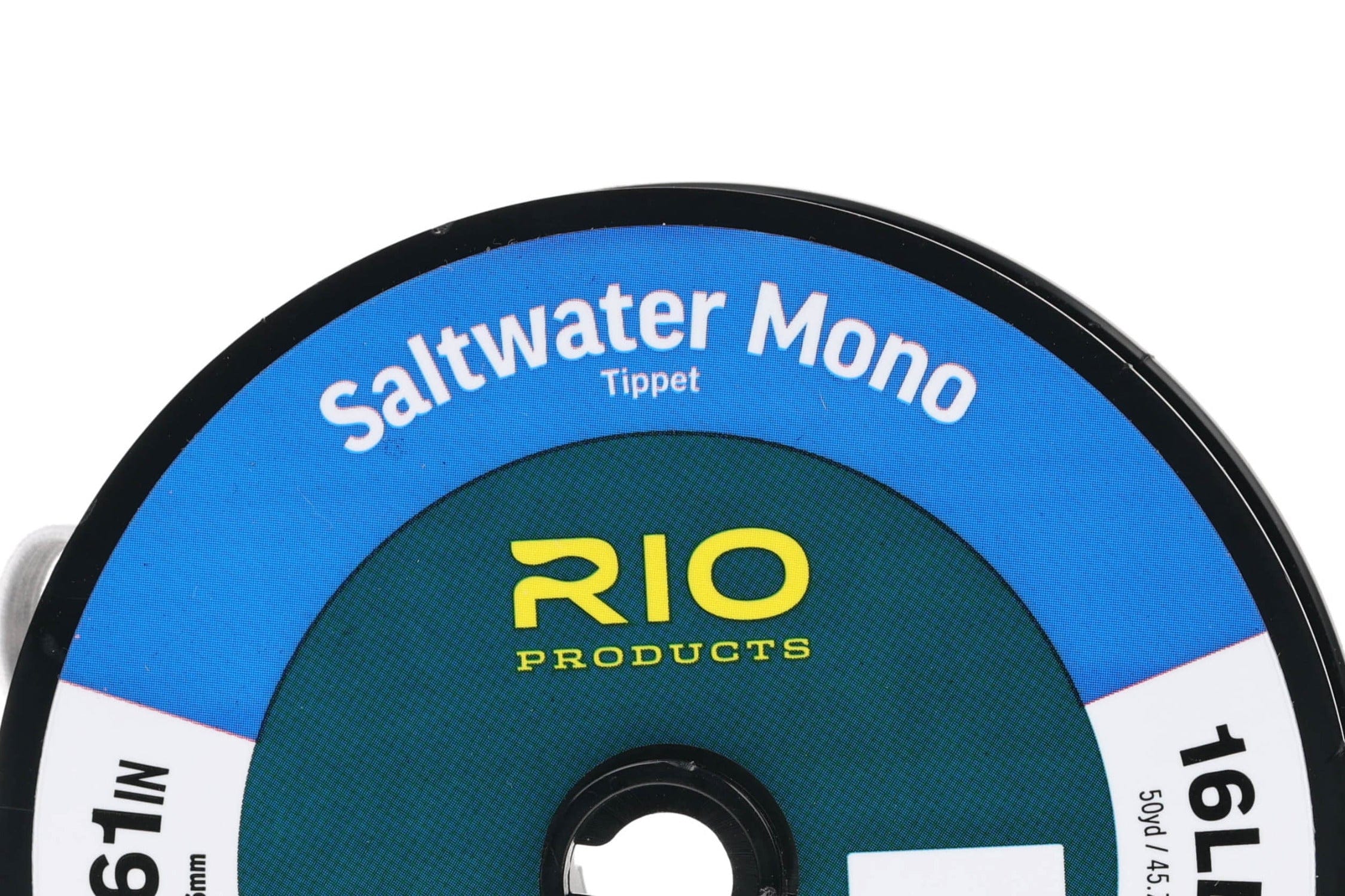


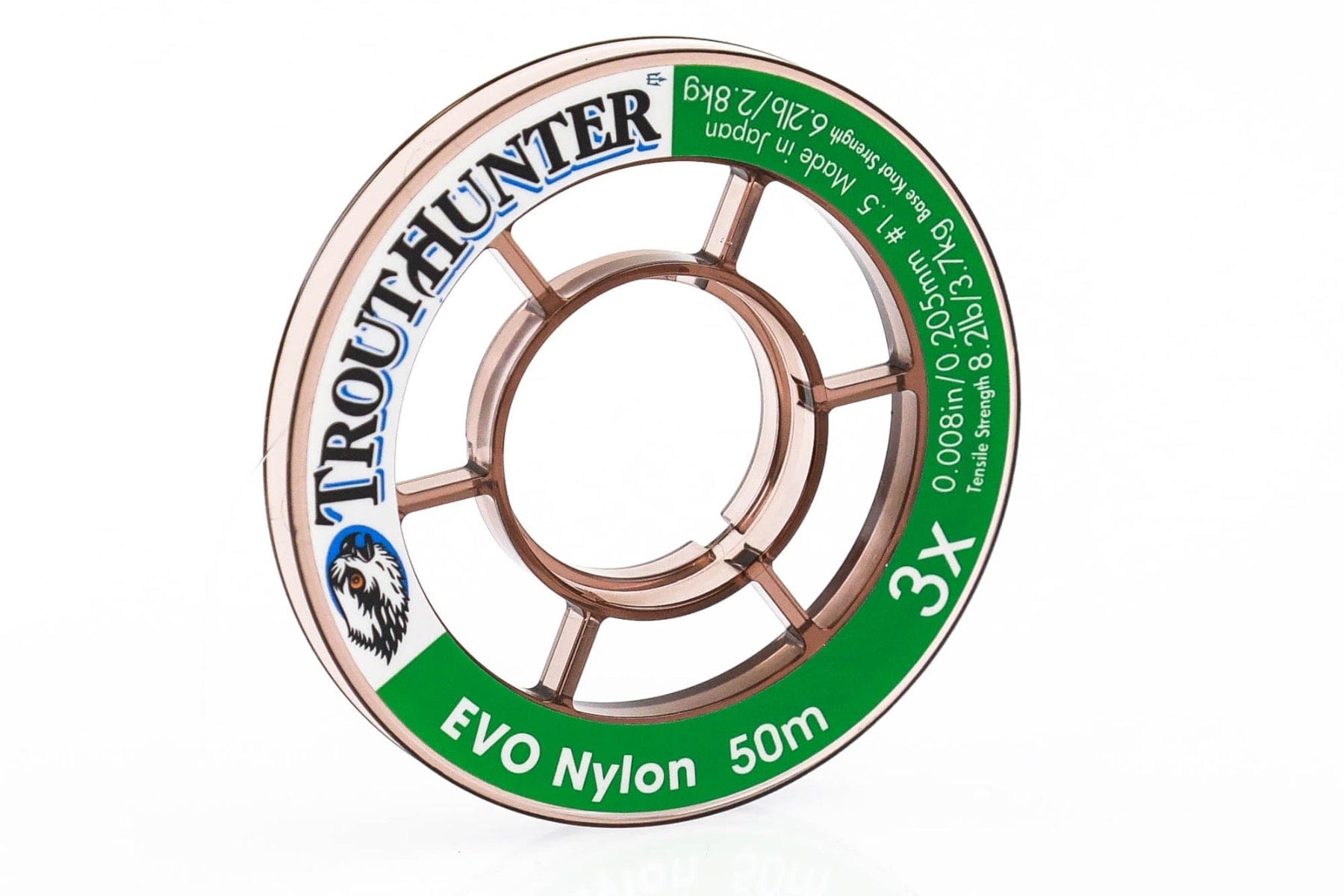




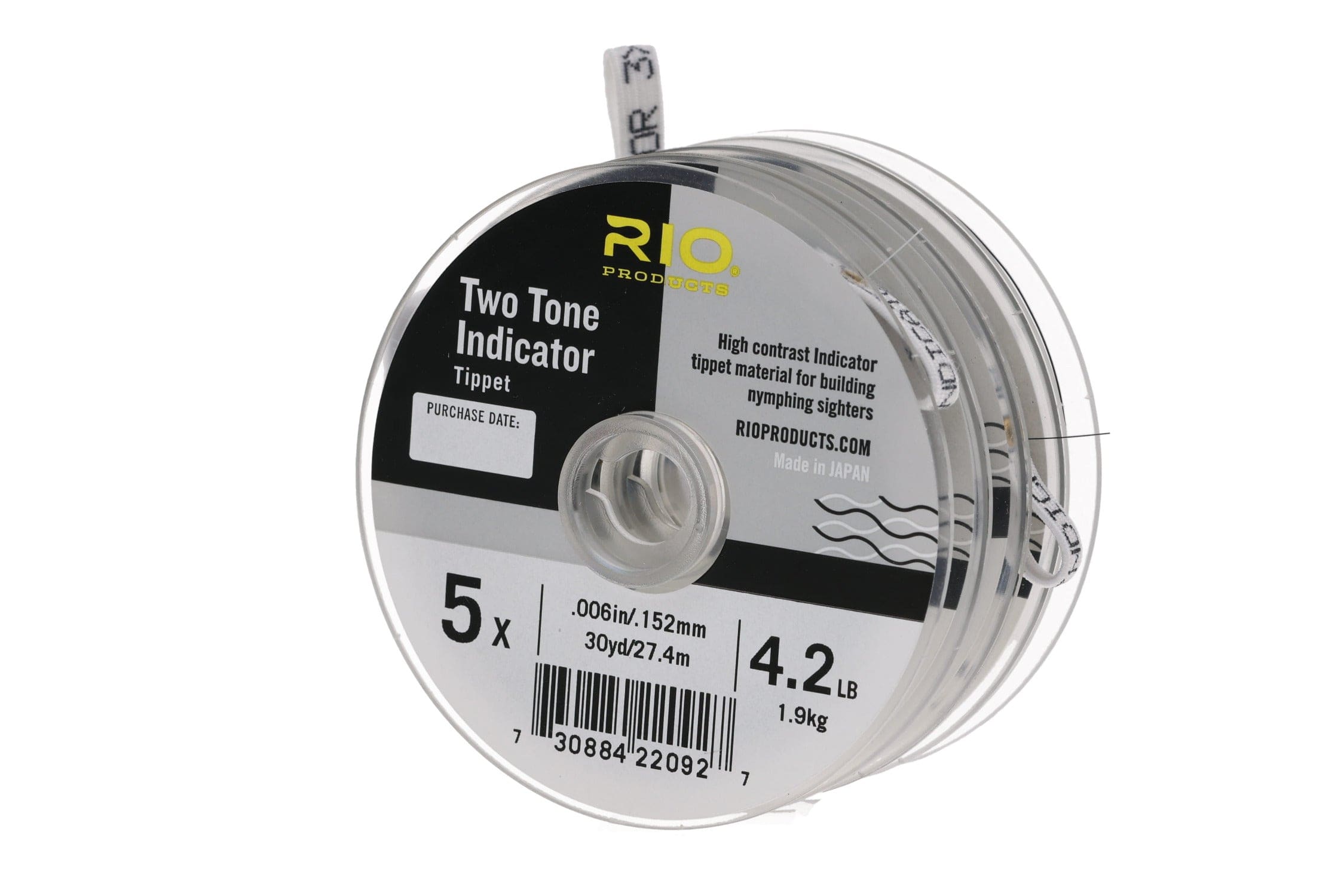
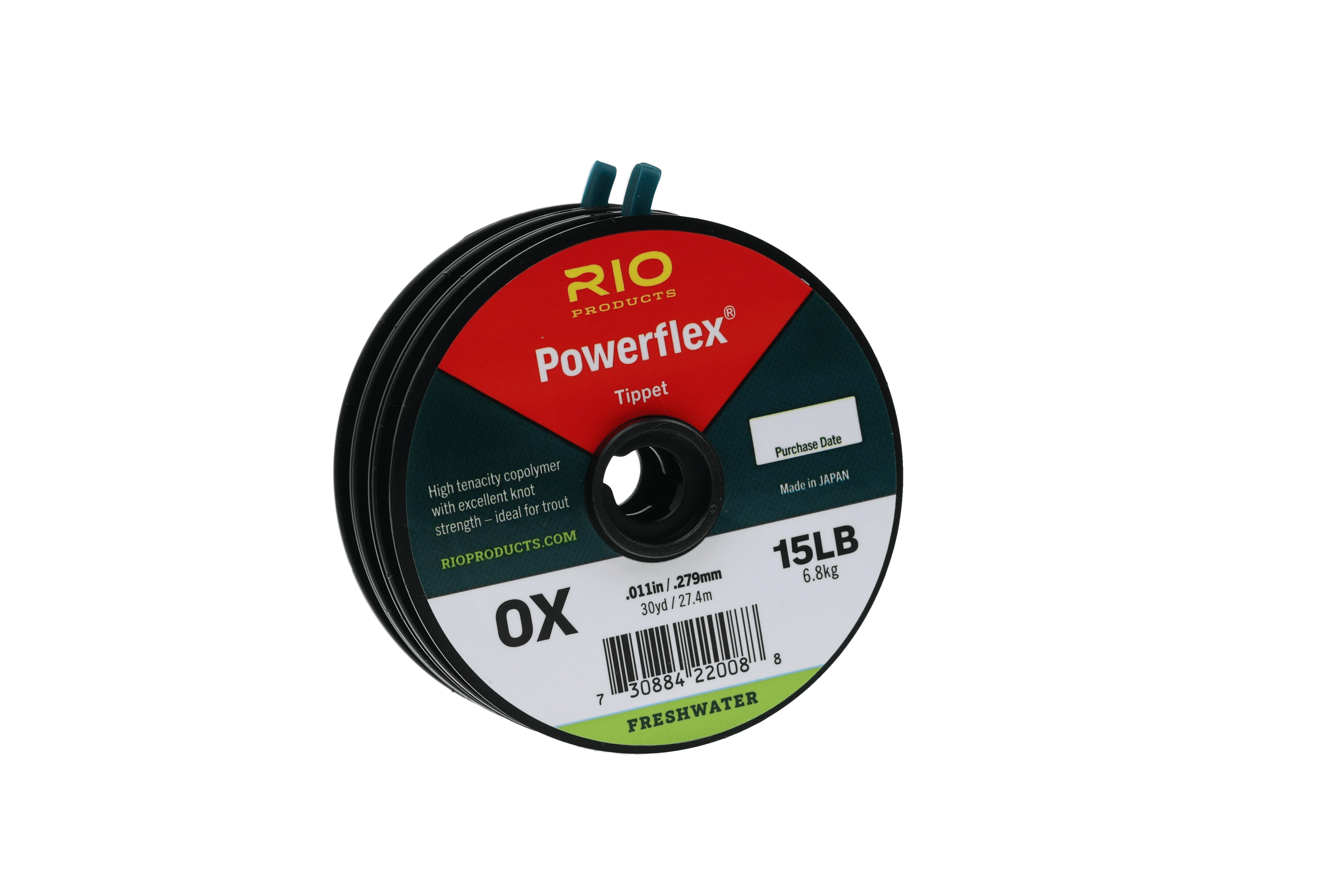
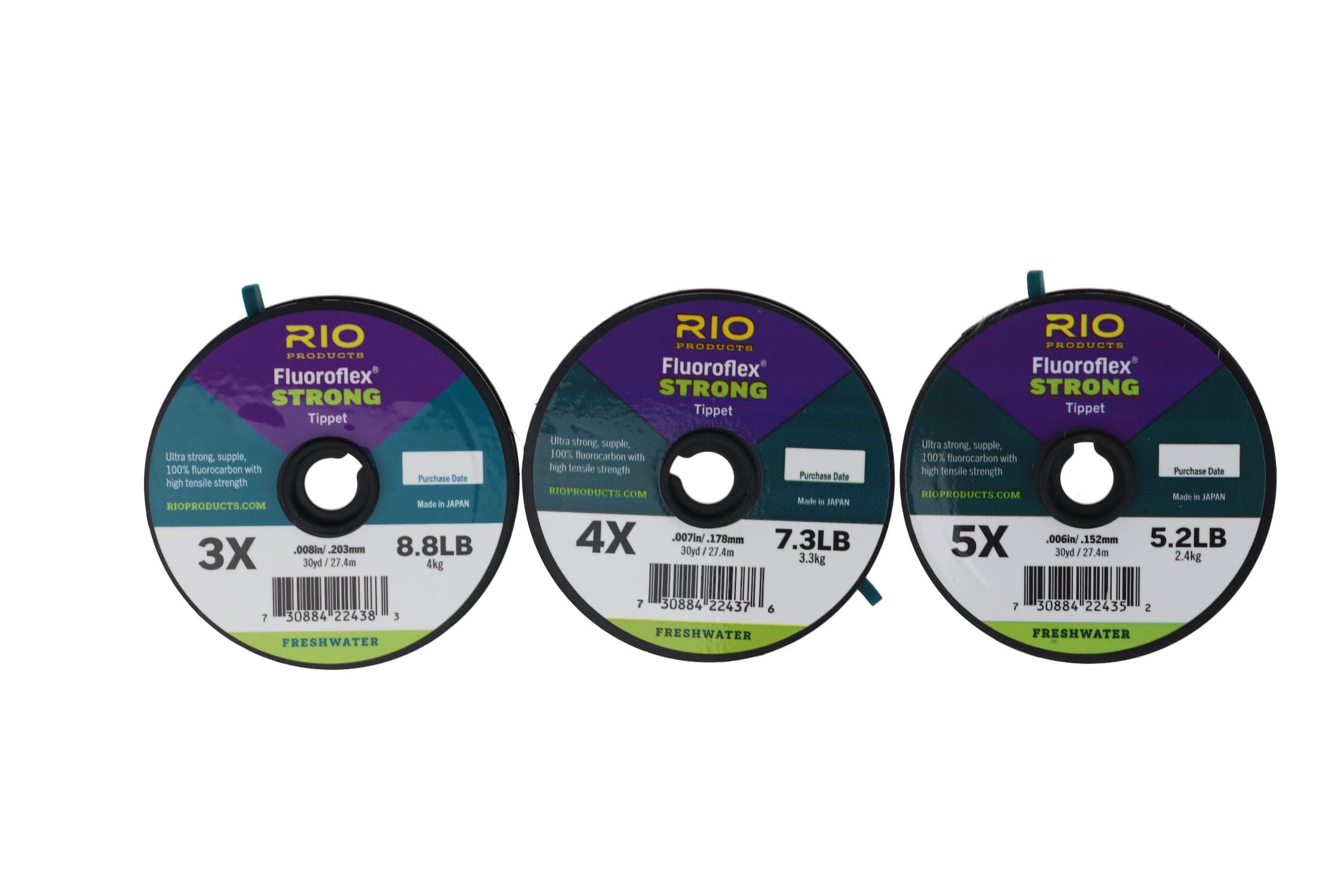


Tippet Quick Picks
Best Premium Fluorocarbon: TroutHunter Fluorocarbon Tippet - Designed for technical anglers who demand high abrasion resistance and near-invisibility. Its unique spool design and half-sizes allow for precise matching to any fishing scenario.
Best Value Nylon: Rio Powerflex Plus Tippet - Offers an impressive strength-to-diameter ratio, giving you extra confidence when fighting large fish on light line. This supple nylon is excellent for dry fly presentations and general trout fishing.
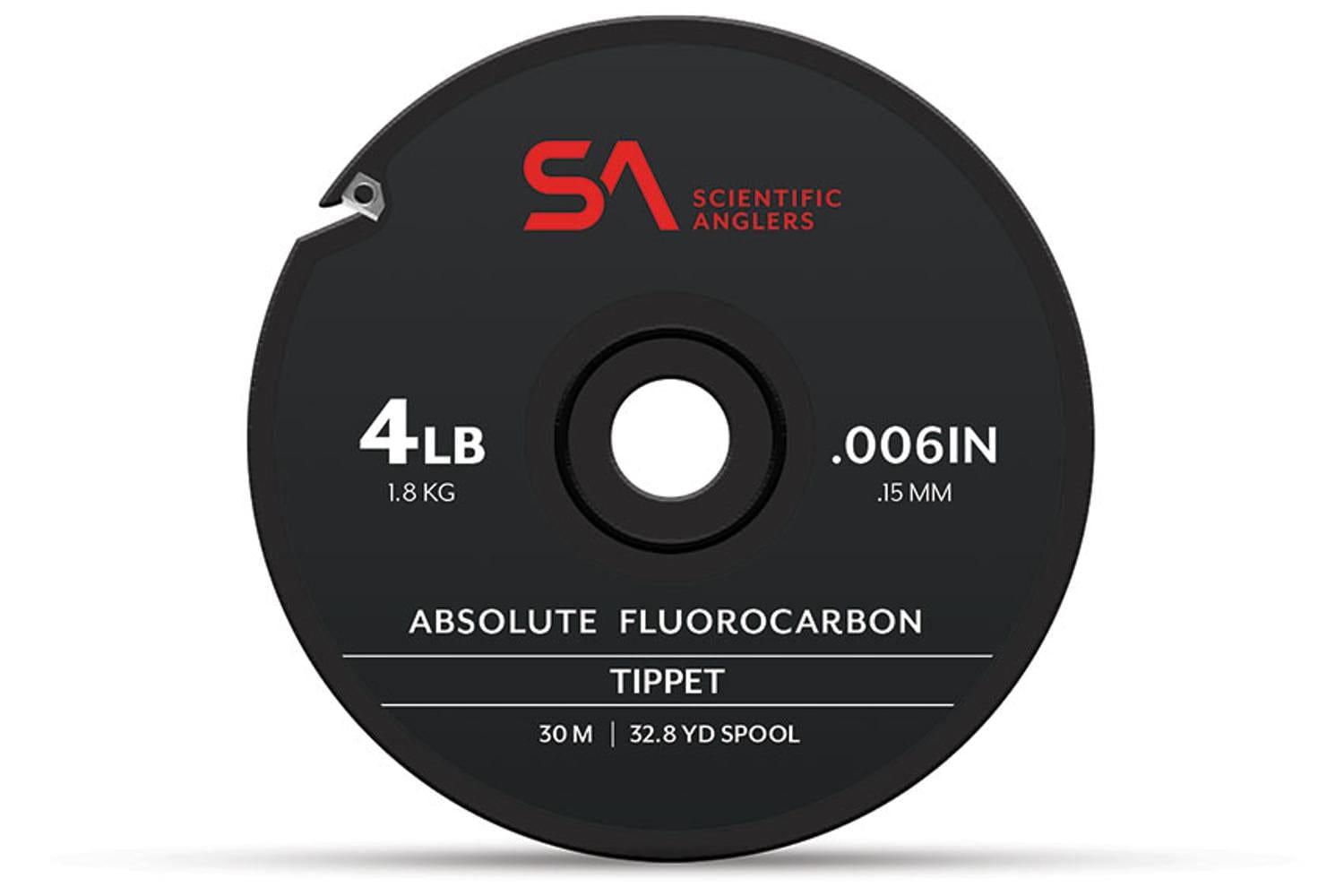
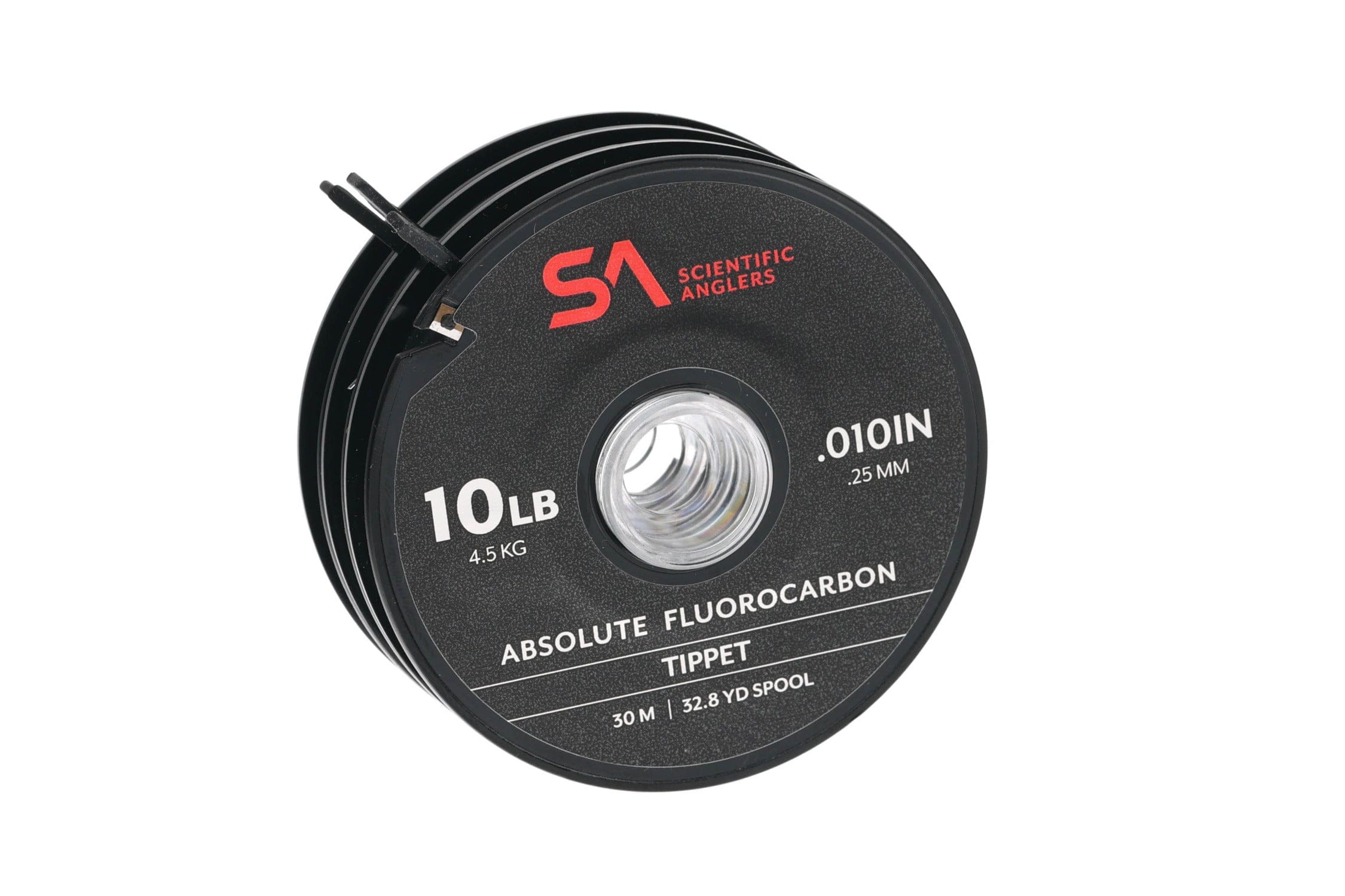
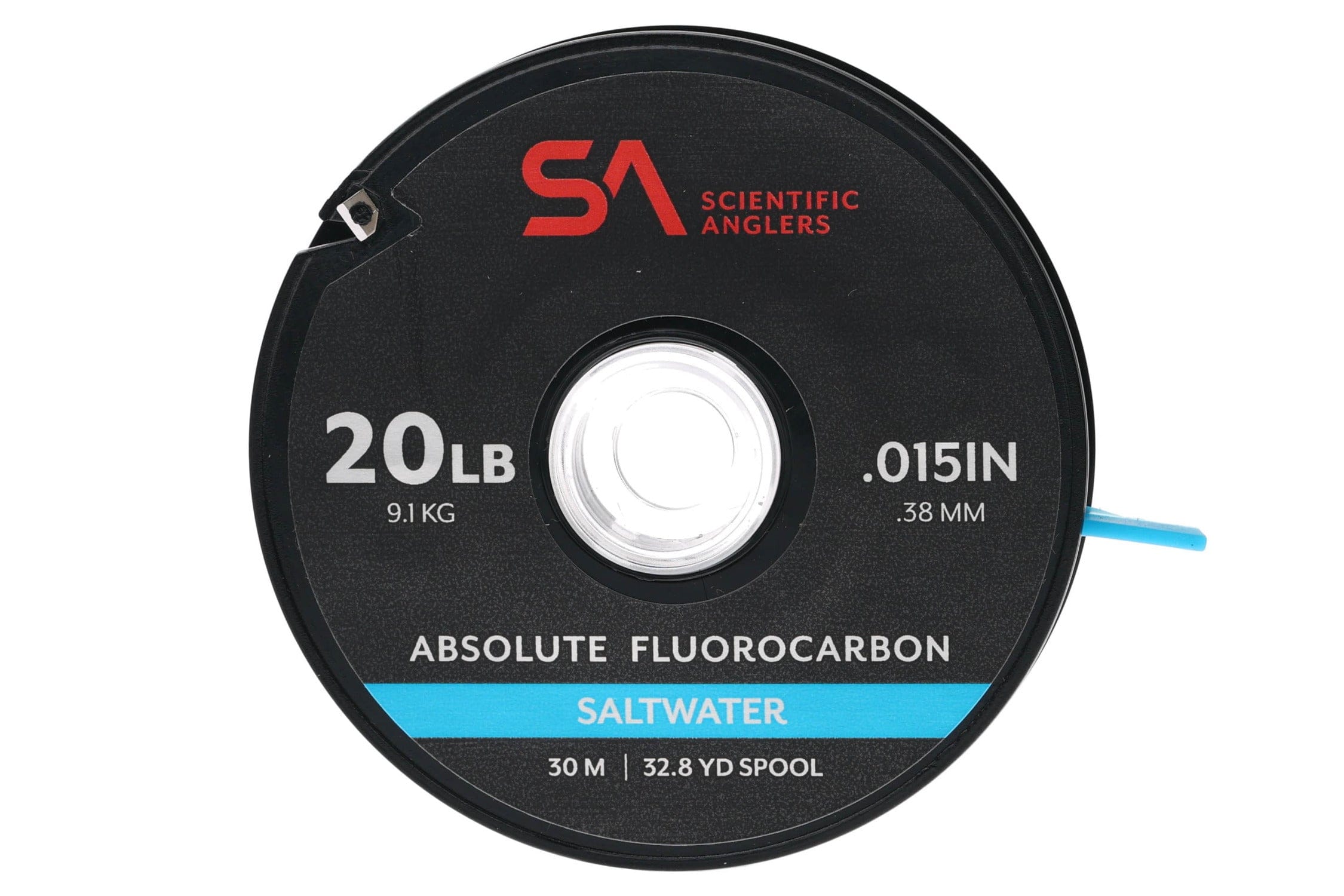
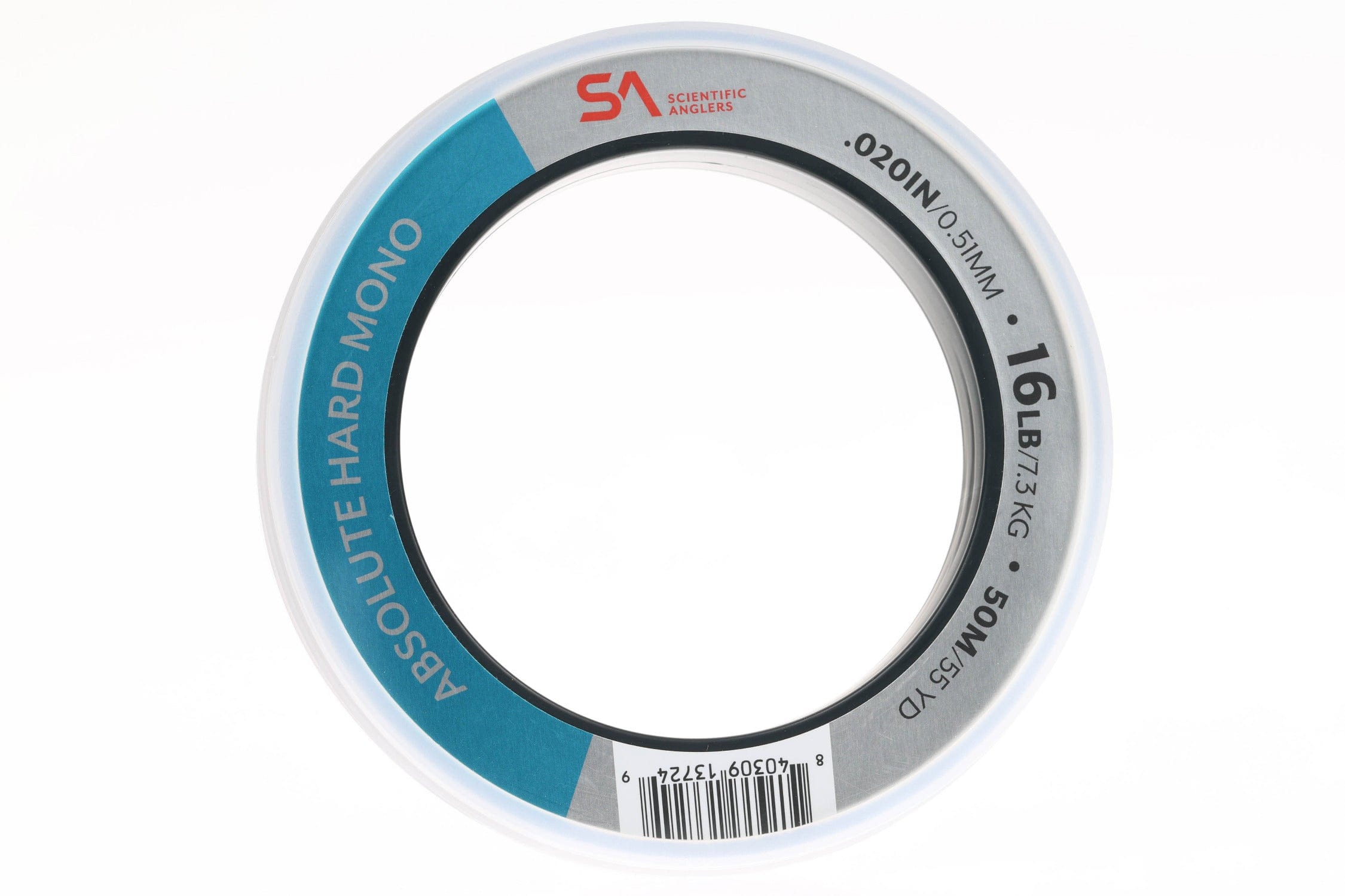
Best for Saltwater: Scientific Anglers Absolute Fluorocarbon Saltwater Tippet - Built to withstand the coral, rocks, and sharp teeth found in saltwater environments. This stiff material turns over large flies easily and sinks quickly to get your fly in the zone.
Best for Dry Flies: Scientific Anglers Absolute Trout Tippet - A supple copolymer nylon that allows for natural, drag-free drifts on the surface. Its knot strength and controlled stretch help cushion the take of aggressive trout.
Best Accessory: Rio Tippet Rings - These tiny, lightweight rings simplify rigging and extend the life of your tapered leaders. They create a permanent connection point that makes changing tippet fast and easy.
How to Choose Tippet
Material: Nylon vs. Fluorocarbon
The choice between nylon (monofilament) and fluorocarbon is the most common decision anglers face. Nylon is generally more supple, knots easily, and floats, making it the superior choice for dry fly fishing where a drag-free drift is paramount. It is also more affordable. Fluorocarbon is denser than water, meaning it sinks, which helps get nymphs and streamers down faster. It is also more abrasion-resistant and has a refractive index closer to water, making it nearly invisible to fish. Choose fluorocarbon for subsurface fishing, saltwater applications, or when targeting wary fish in clear water.
Understanding X-Ratings and Diameter
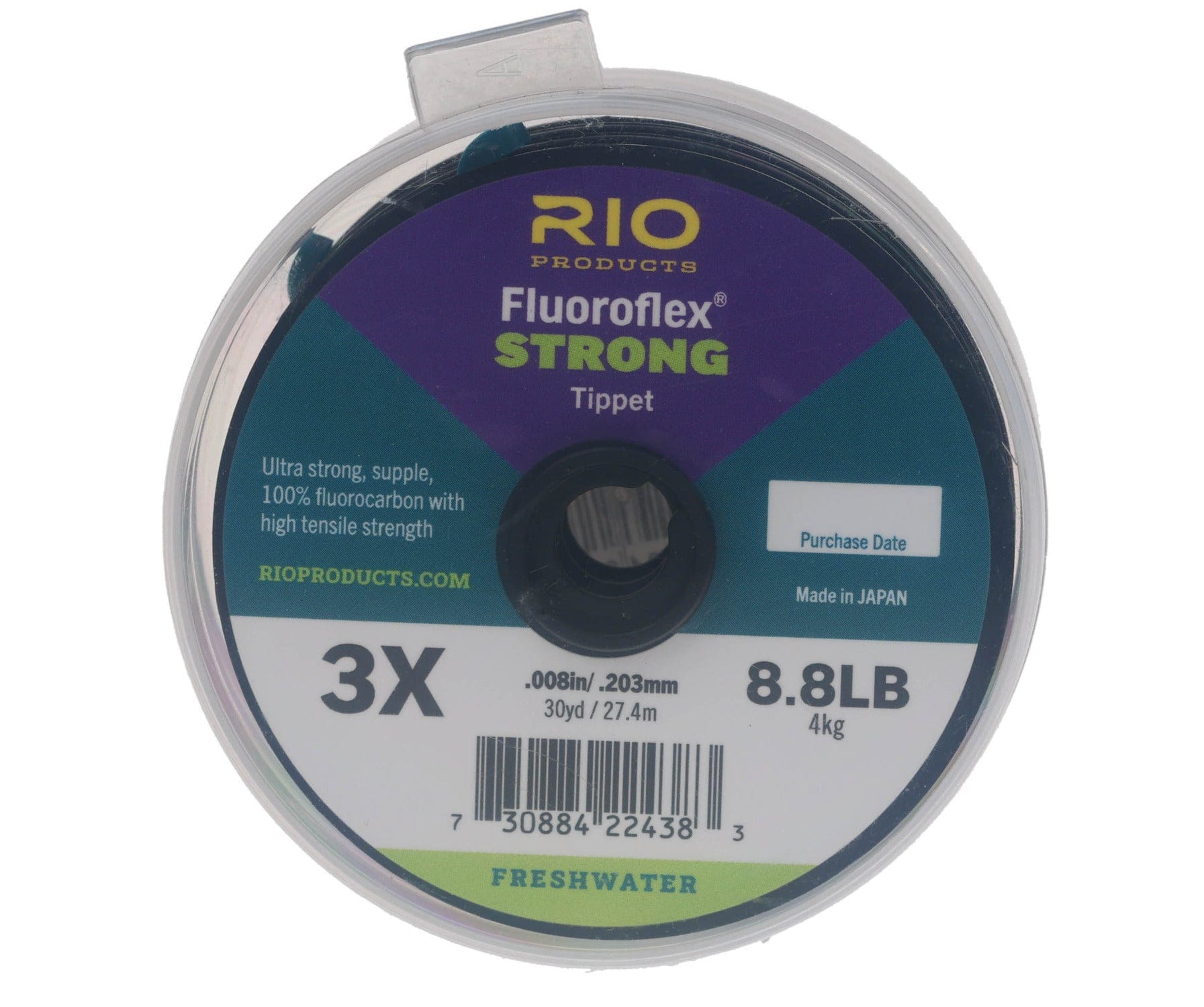
Tippet size is measured using the "X" system, which denotes the diameter of the material. The number before the "X" indicates the thickness: the higher the number, the thinner the line. For example, 6X is thinner than 3X. As a general rule, match your tippet size to your fly size. Small flies (size 18-22) require thin tippet (6X-7X) to fit through the hook eye and drift naturally. Large, heavy flies (size 4-8) need thicker tippet (0X-3X) to turn over the fly during the cast.
Suppleness vs. Stiffness
Supple tippet is ideal for drag-free drifts with small flies, as it allows the current to move the fly naturally without micro-drag. Stiff tippet is better for turning over heavy flies, casting into the wind, or fishing streamers where immediate contact with the fly is necessary. Saltwater tippets are typically stiffer to handle larger flies and abrasive conditions.
Compatibility
Matching Materials: While you can tie nylon tippet to a fluorocarbon leader (and vice versa), the harder fluorocarbon can sometimes cut into the softer nylon. Lubricate knots well or use a tippet ring for the most secure connection.
Leader Connection: Ensure your tippet diameter is not significantly thinner than the end of your leader. Stepping down more than 2 sizes (e.g., 3X leader to 6X tippet) can cause hinging and casting issues.
Shelf Life: Nylon monofilament can degrade over time when exposed to heat and UV light. Fluorocarbon is much more stable and has a significantly longer shelf life.
Complete Your Setup
Related Gear
Tapered Leaders - Pair your tippet with a high-quality tapered leader for optimal turnover.
Tippet Rings - Extend the life of your leaders and make rigging faster.
Related Guides
Tippet FAQs
Q: How long does tippet material last?
A: Nylon tippet typically lasts 1-2 years if stored in a cool, dark place, as it degrades with UV exposure and heat. Fluorocarbon is much more stable and can last many years without losing significant strength.
Q: What is the difference between 5X and 6X tippet?
A: 6X tippet is thinner (.005 inches) than 5X tippet (.006 inches). You would typically choose 6X for smaller flies and more delicate presentations, while 5X offers slightly more strength for general trout fishing.
Q: Can I use freshwater tippet in saltwater?
A: While you can, it is not recommended. Saltwater tippet is designed to be stiffer to turn over large flies in wind and is often more abrasion-resistant to handle coral, rocks, and toothy fish.
Q: Do I need a tippet ring?
A: While not strictly necessary, a tippet ring is highly recommended. It prevents your tapered leader from getting shorter every time you change tippet, saving you money and time on the water.

