

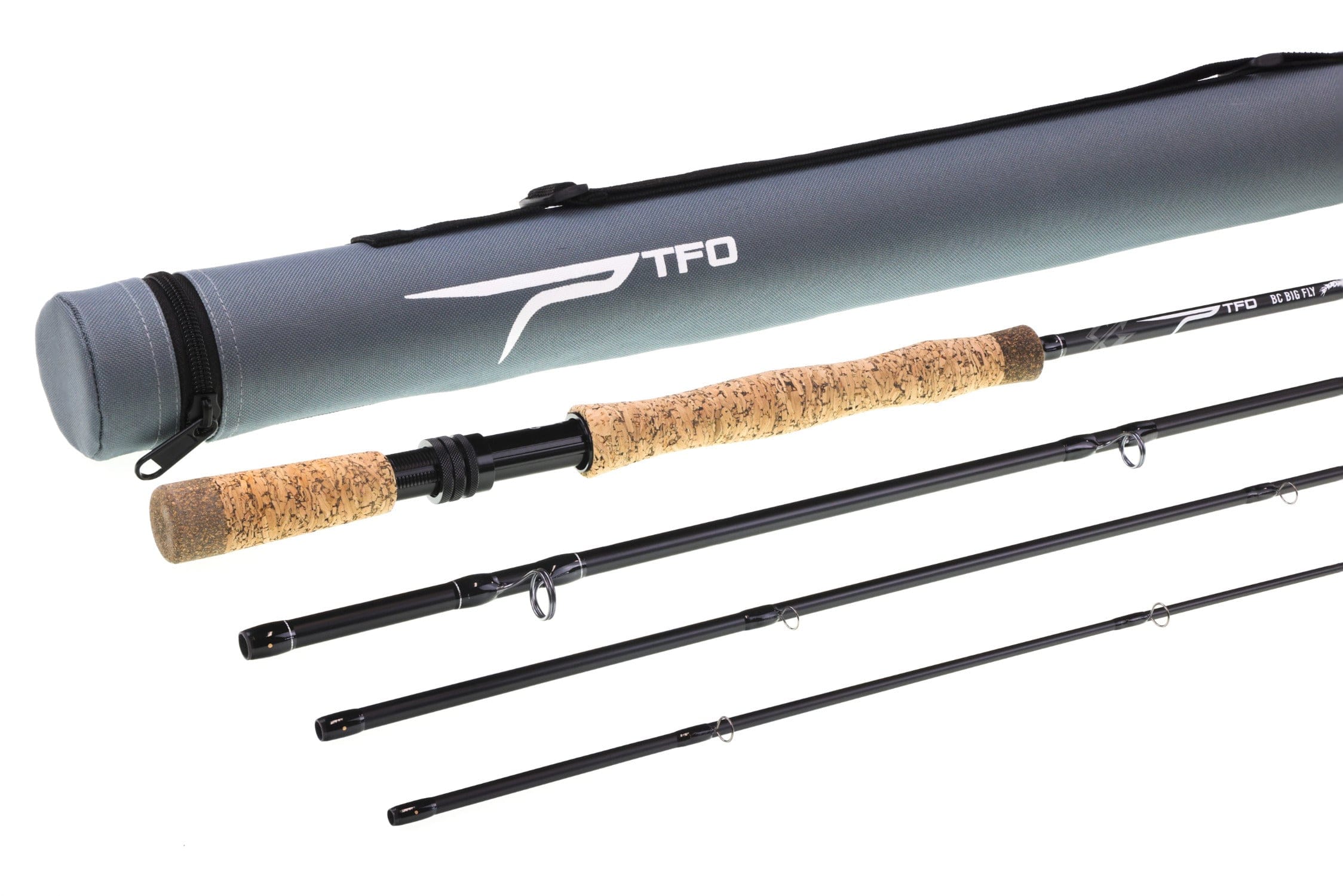
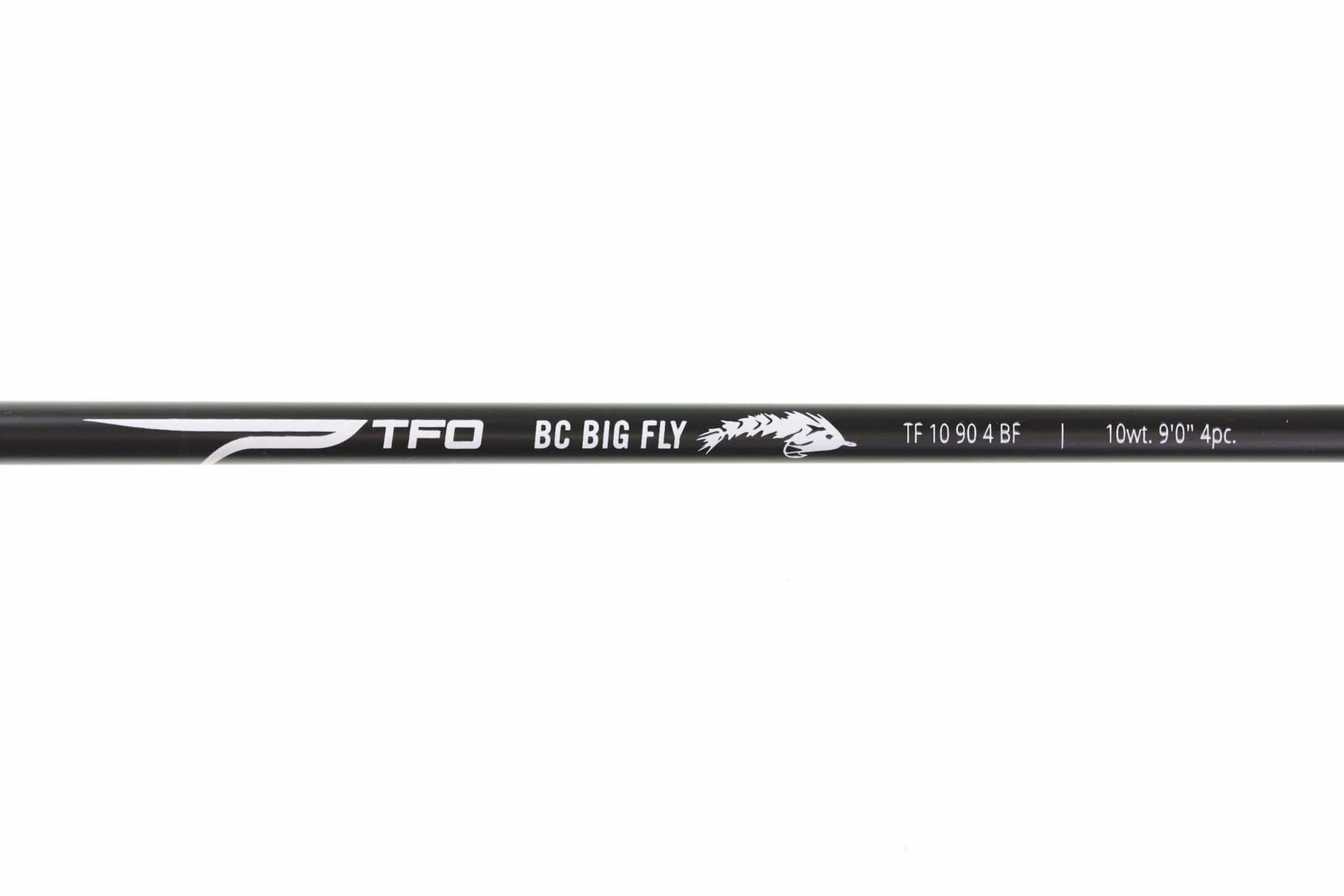

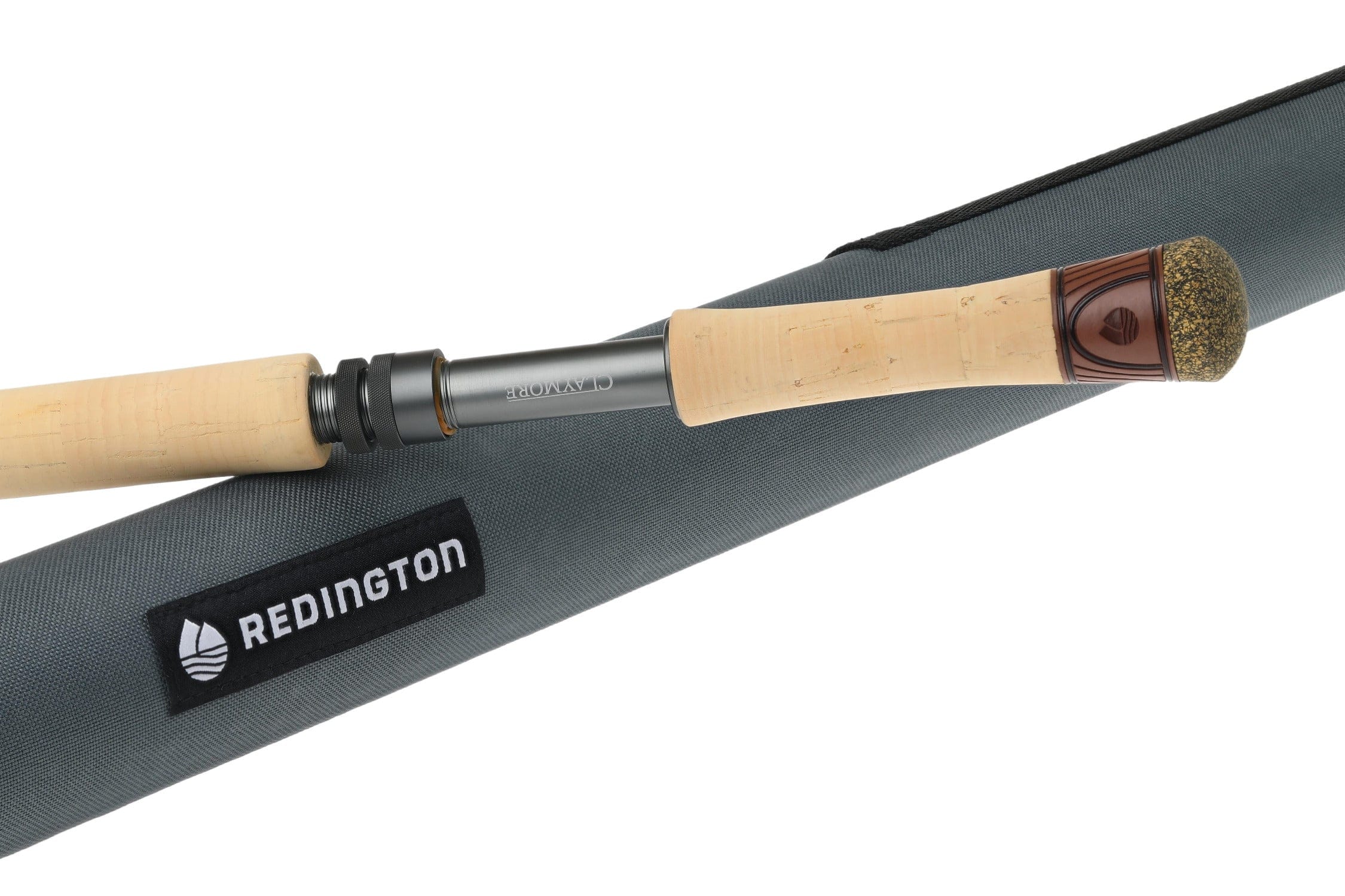
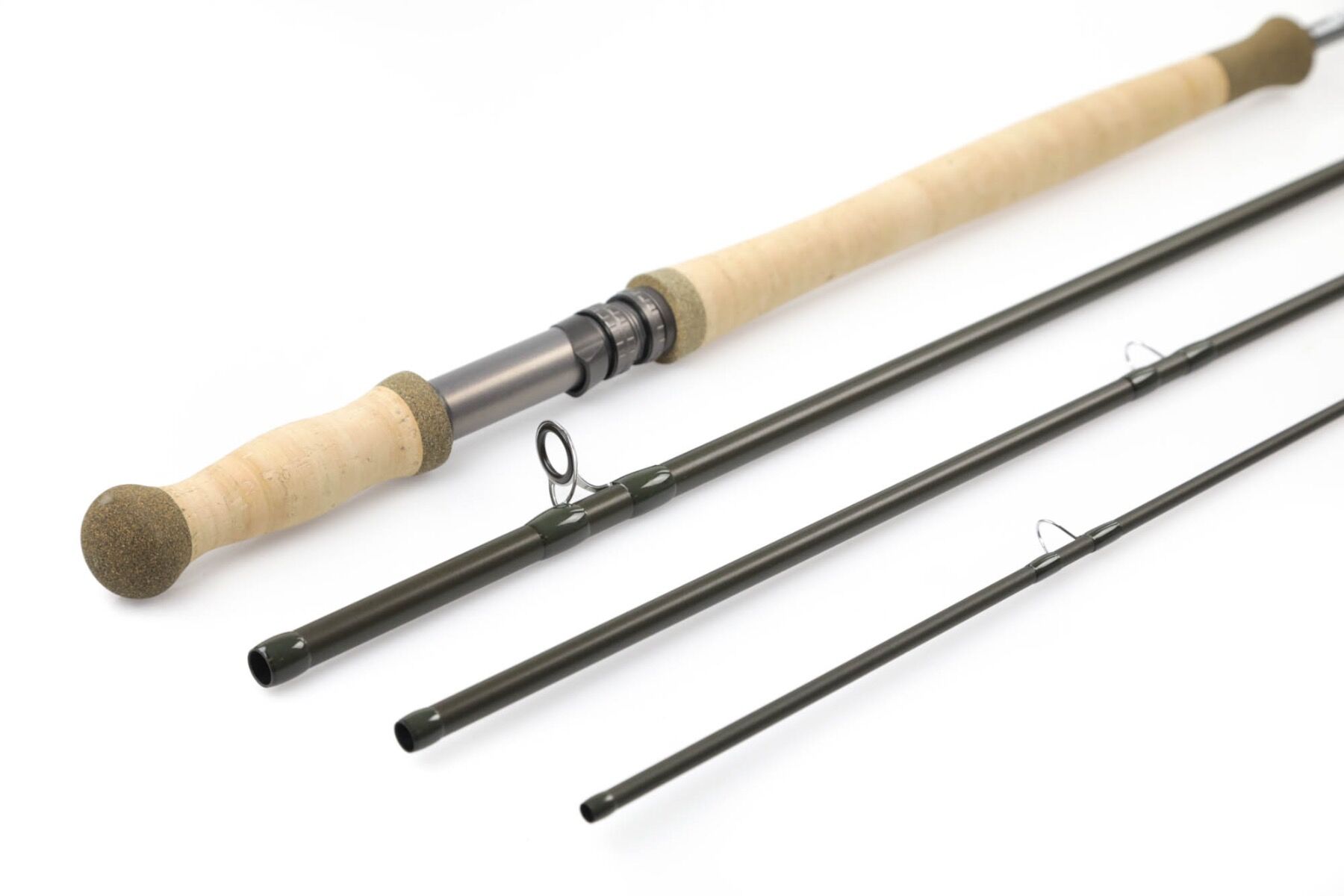


How to Choose Fly Rods
1) Start with the fishing you actually do most
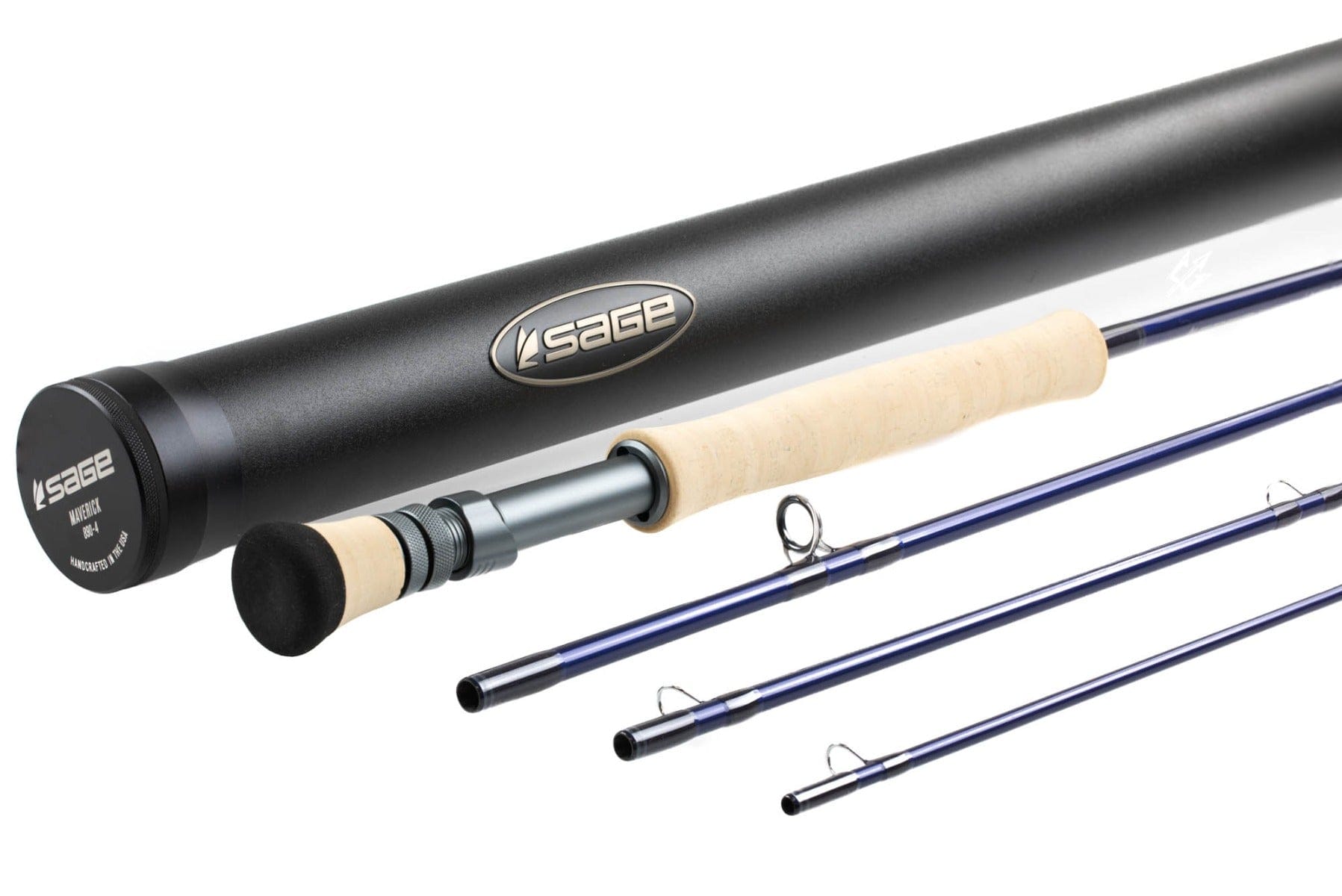
Action: Pick the technique first (dry fly, nymphing, streamers, saltwater, Spey), then choose the rod that matches it. Sale rods often include past-season tapers that still fish extremely well, but they can be more specialized than a one-rod quiver.
Best for: Shoppers who already know their home water and typical flies. Avoid if: You’re buying your first-ever rod and don’t yet know whether you’ll gravitate toward dries, bobbers, streamers, or tight-line.
2) Match line weight to the job (not just the fish)
Line weight is about flies, wind, and casting distance as much as fish size. Lighter weights excel at small flies and softer presentations, while heavier weights help turn over indicators, split shot, big streamers, and saltwater patterns.
3) Pay attention to length and format
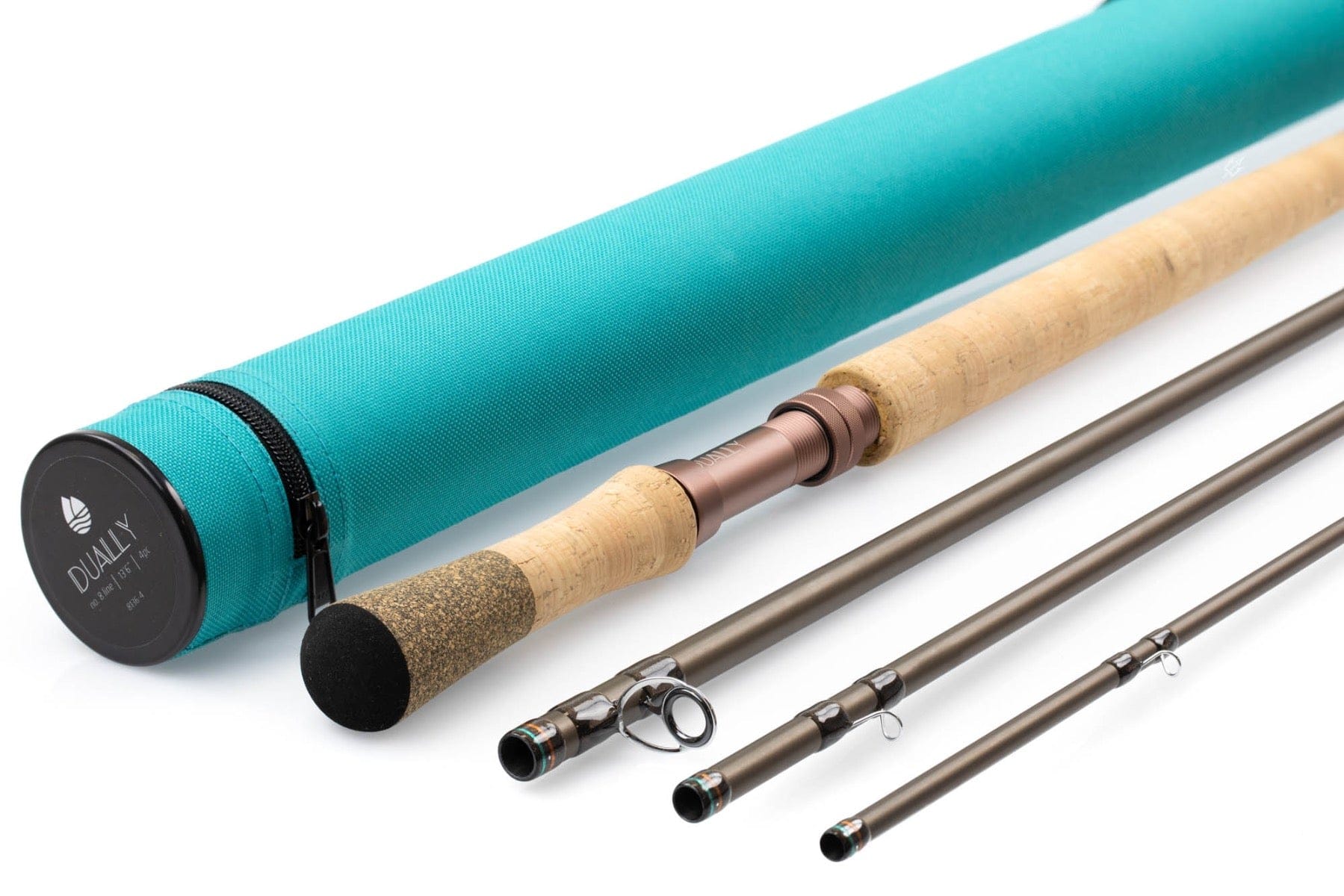
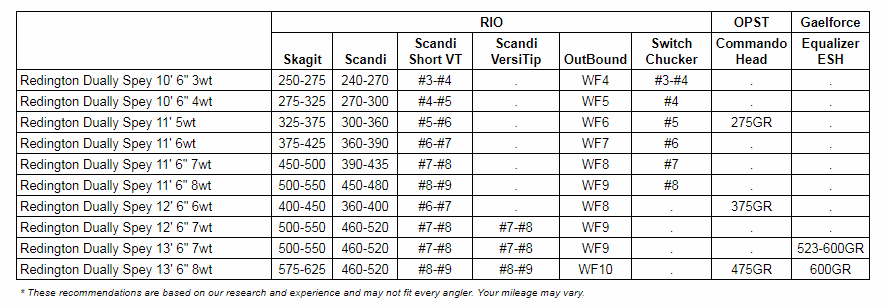
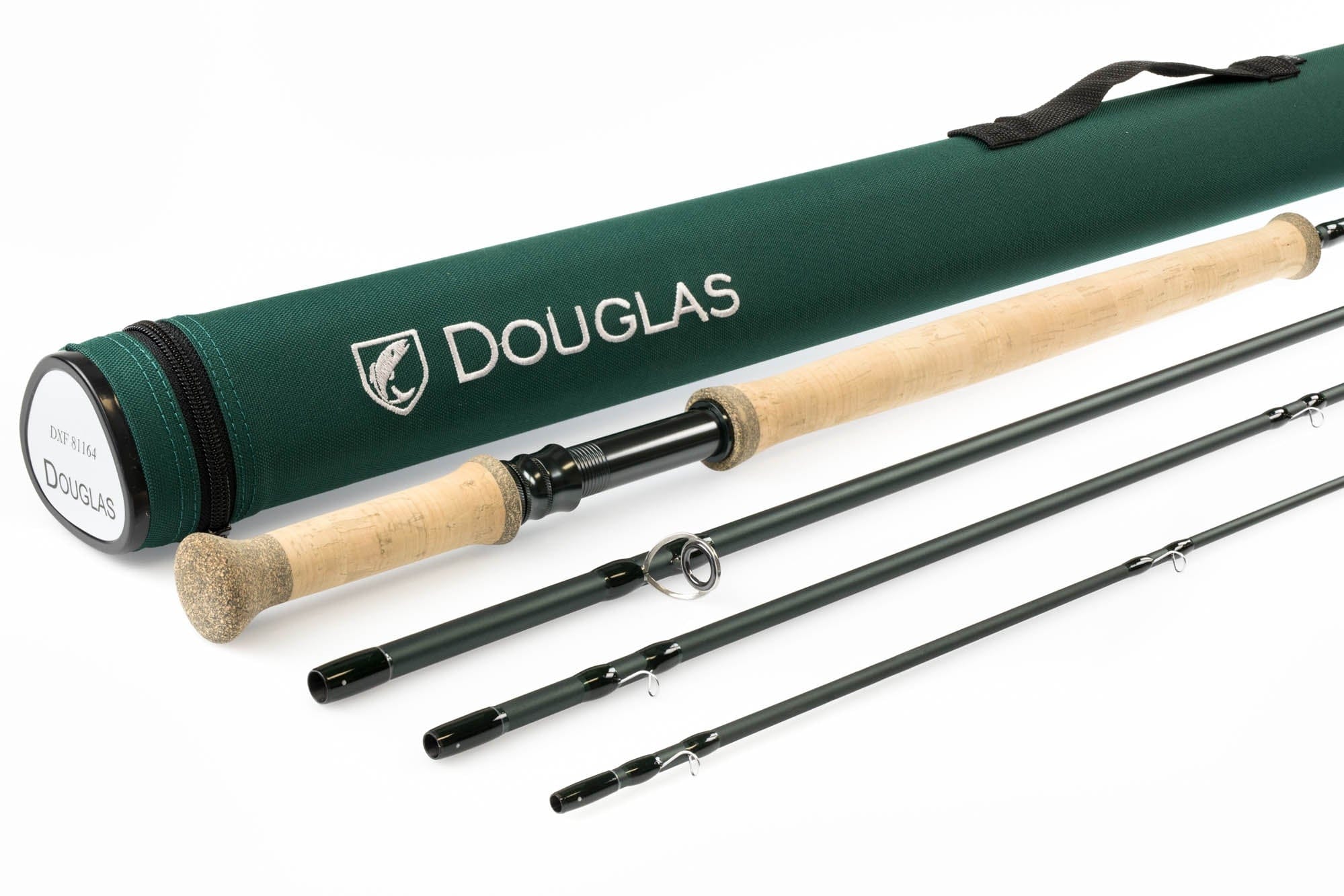
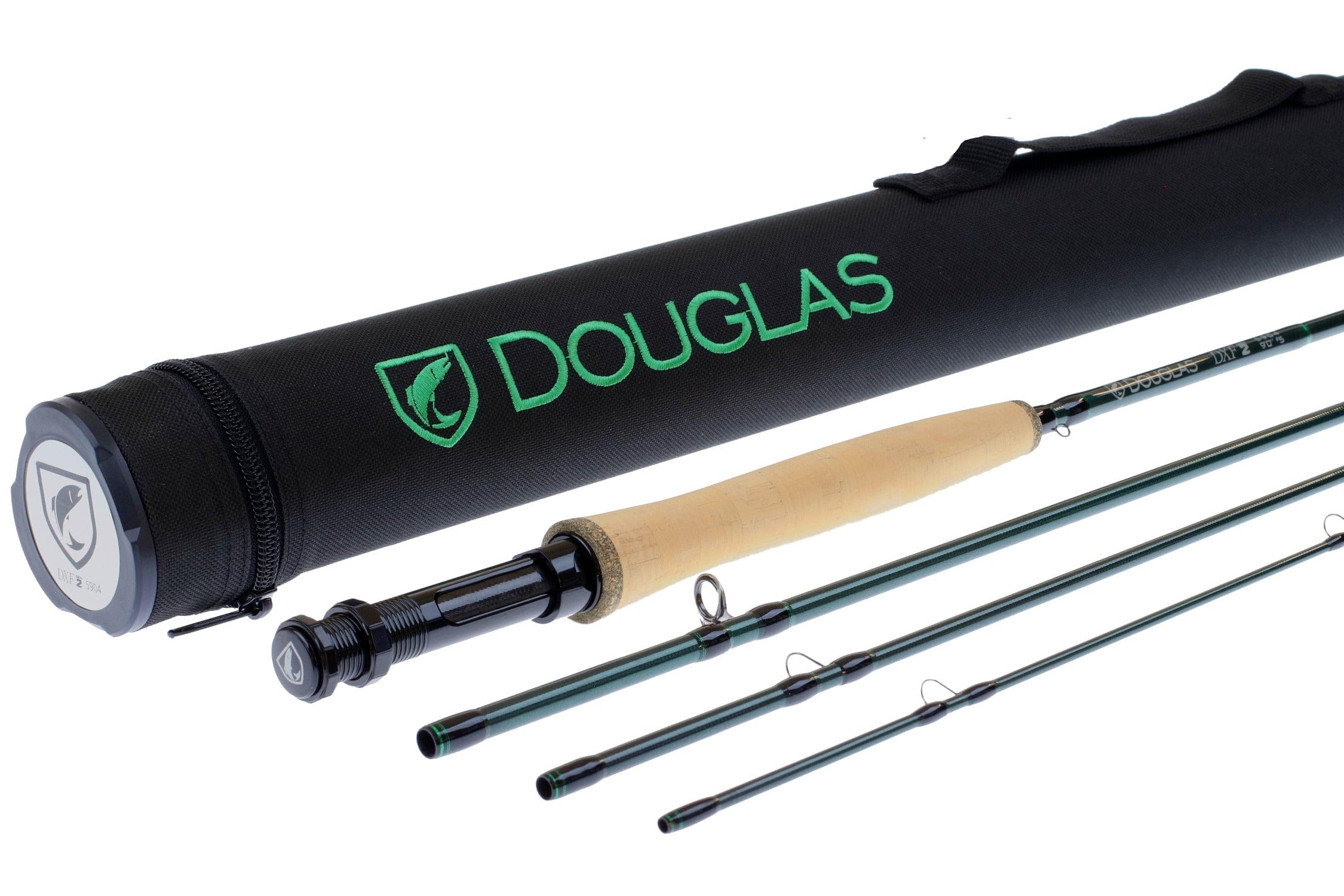
Most “do-it-all” single-handers live around 9', while longer rods improve mending and reach. Two-handed Spey and switch rods are a different category entirely, built for sustained-anchor casts and managing heavier heads and running lines.
4) Read the fine print on sale policies and availability
Sale inventory changes quickly by model and size. If you’re between line weights or lengths, it’s often better to buy for the water you fish most, not the occasional trip.
Care & Maintenance
After each outing: Break the rod down, wipe sections with a clean cloth, and let everything dry before sealing it in the tube.
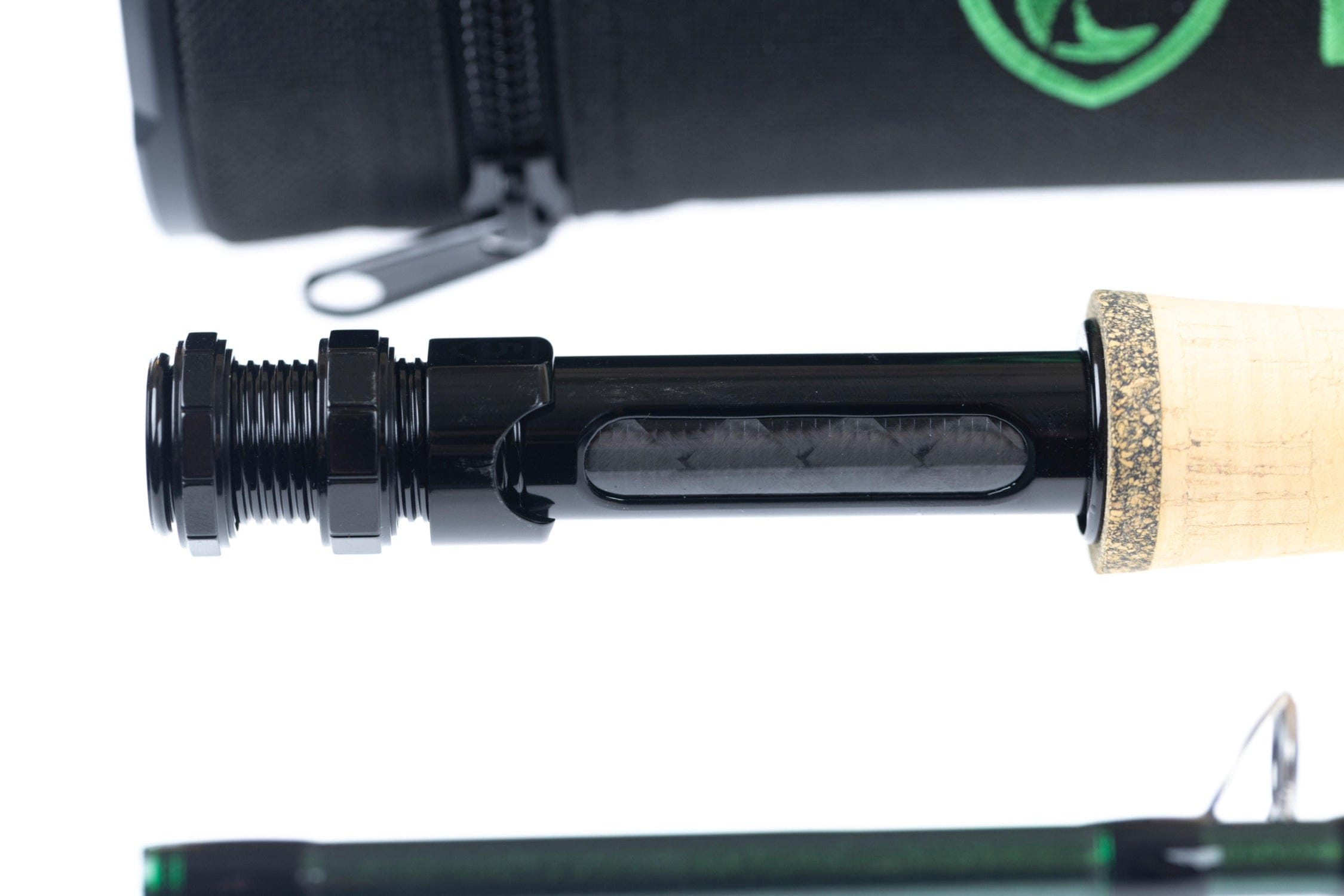
Ferrules: Seat ferrules firmly (without grinding) and check them periodically, especially on longer rods and two-handers.
Transport: Use a rod tube in vehicles and boats; most breakages happen during travel, not while fighting fish.
Cleaning: Rinse guides and blank after saltwater use, and occasionally clean the cork with mild soap and water.
Complete Your Setup
Related Gear
Sale Fly Lines - A fresh line is the quickest way to change how a rod loads, turns over, and fishes.
Sale Rod & Reel Outfits - Great if you want a balanced system and don’t want to guess on pairing.
Shop All Sale - Round out the kit with deals on reels, leaders, packs, and more.
Related Guides
Sale Fly Rods FAQs
Q: What are sale fly rods?
A: Sale fly rods are typically discounted models, closeouts, or past-season builds offered at reduced pricing. They’re still new rods and usually follow the same manufacturer warranty policies as non-sale inventory (brand-dependent).
Q: Are sale fly rods good for beginners?
A: They can be, especially if you choose a versatile, mid-priced rod in a common configuration (like a 9' general-purpose single-hander). The main challenge is that sizes and models can be limited, so it helps to know your target species and typical flies.
Q: How do I choose the right line weight in the sale section?
A: Think about the flies and rigs you cast most, small dries and light nymphs push you lighter, while indicators, split shot, big streamers, and saltwater flies push you heavier. When in doubt, pick the weight that matches your most frequent fishing, not the once-a-year trip.
Q: What’s the difference between a standard fly rod and a Euro nymphing rod?
A: Euro rods are typically longer and built for direct contact and strike detection with tight-line rigs. They’re great for nymphing drifts and light tippet, but they aren’t designed to feel like a typical overhead-casting trout rod.
Q: What’s the difference between Spey, switch, and single-hand rods?
A: Single-hand rods are the standard one-grip format for overhead casting. Switch and Spey rods are two-handed tools built to cast heavier heads and running lines with sustained-anchor techniques, often used for swinging flies on larger rivers.
Q: Do I need a special reel for Spey or switch rods?
A: Often, yes, two-handed lines are heavier and rods are longer, so you typically size reels differently than you would for single-hand setups. Balancing the rod and having enough backing/line capacity are the two biggest considerations.
Q: Can I use the same fly line I already own with a sale rod?
A: If the line weight and application match, sometimes yes. But line taper and temperature rating matter a lot, swapping to the right taper for your flies (or the right cold/tropical coating) can make a bigger difference than many anglers expect.