


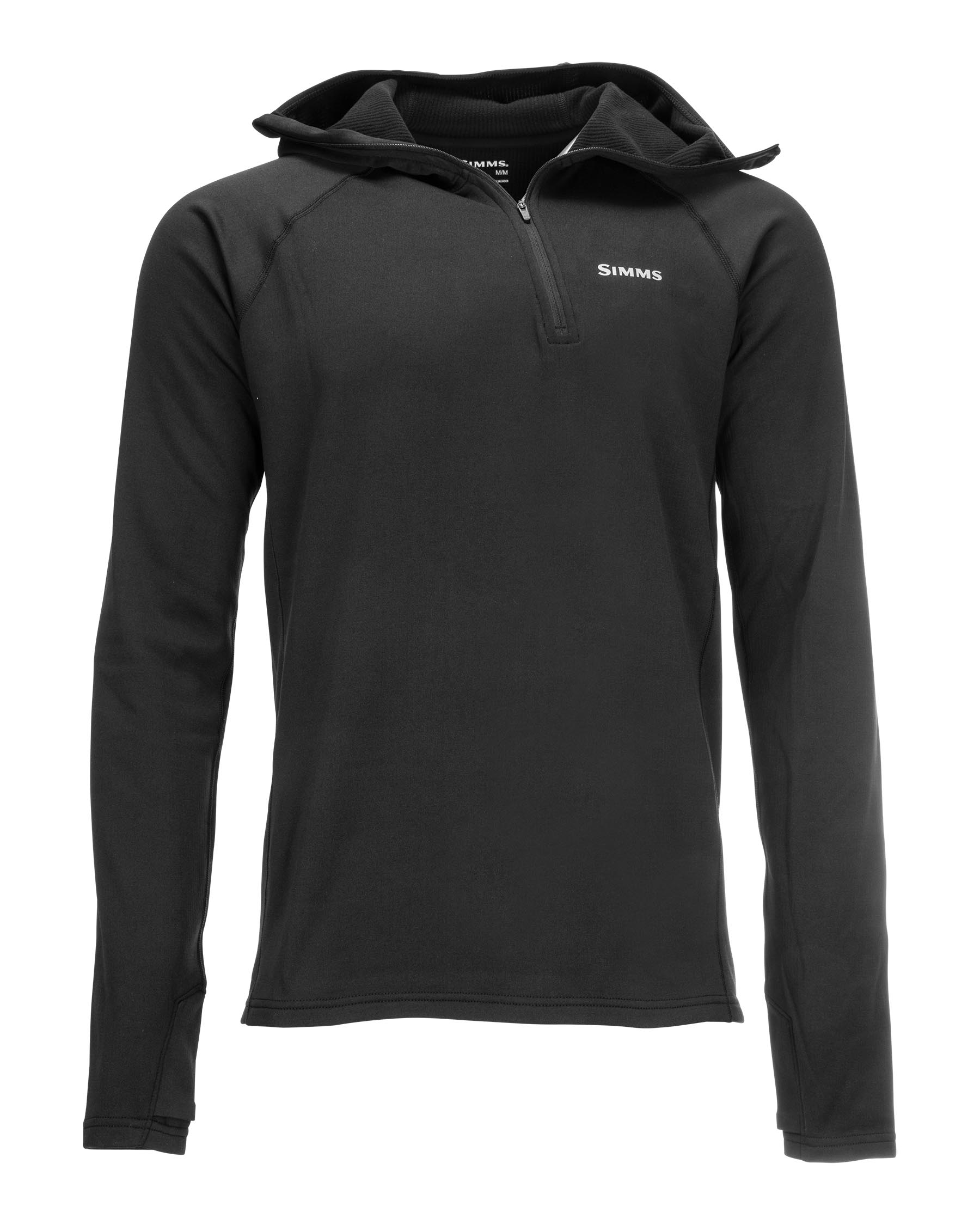
We found the BEST FISHING SHIRT. The Simms Bugstopper Hoody!
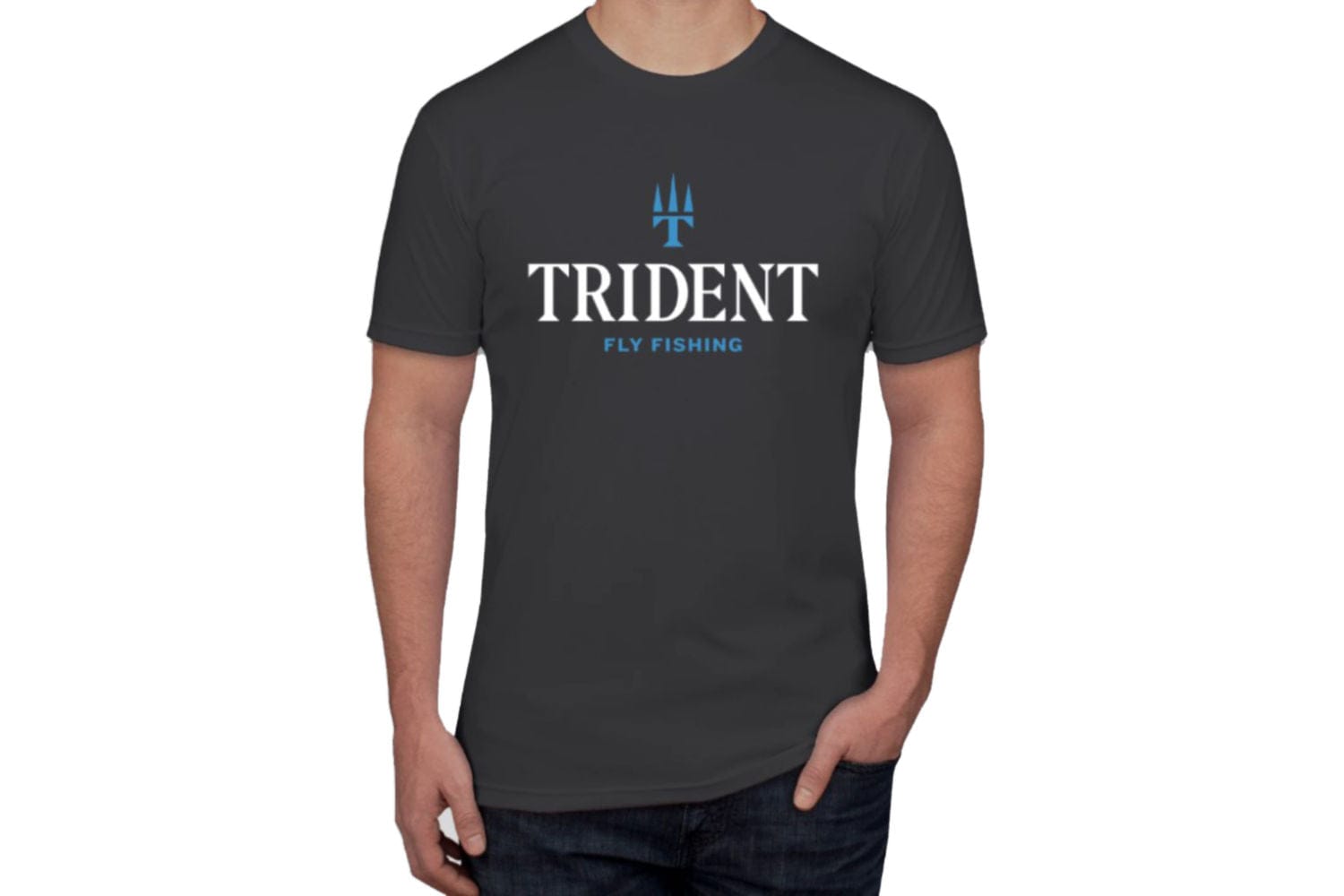
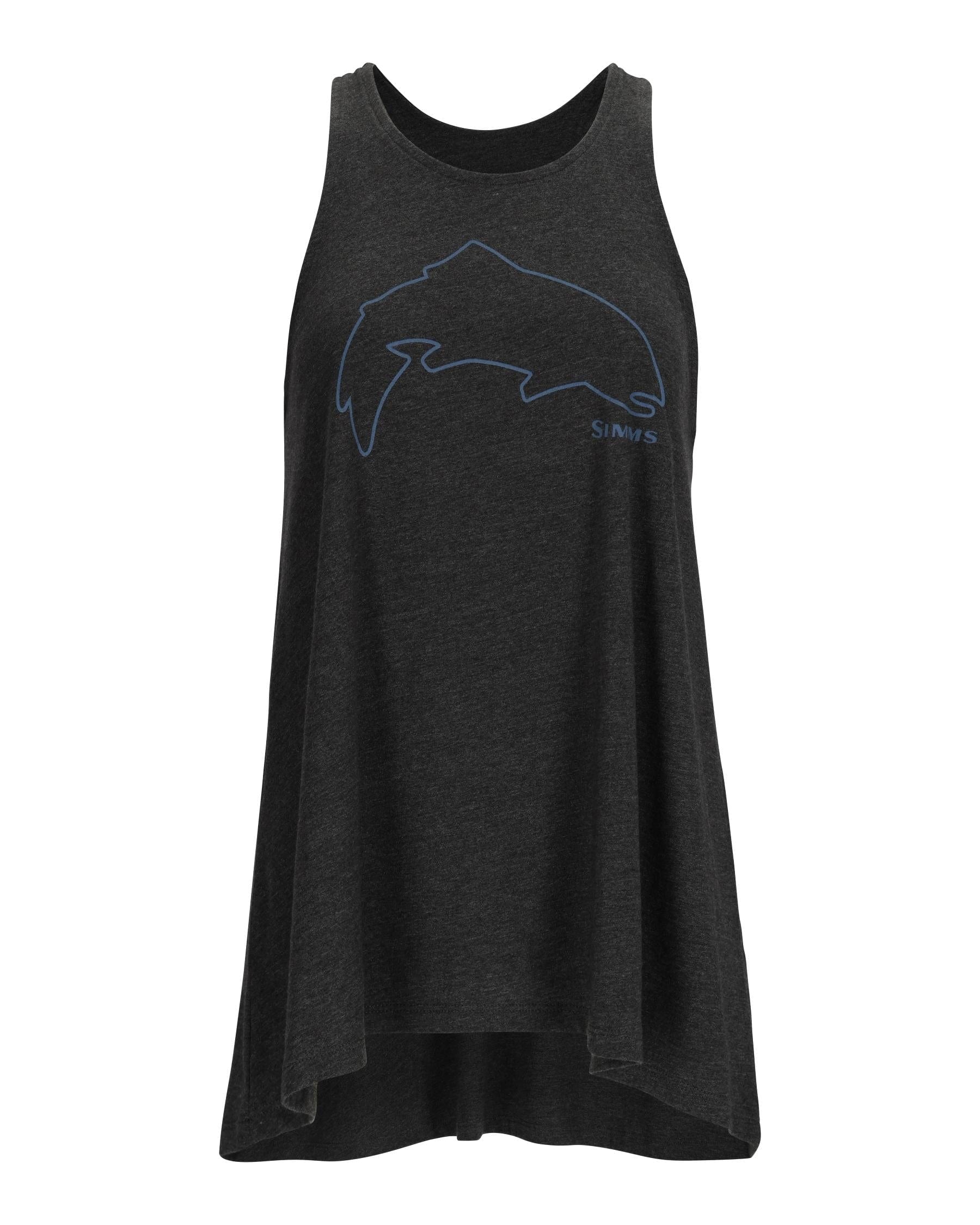

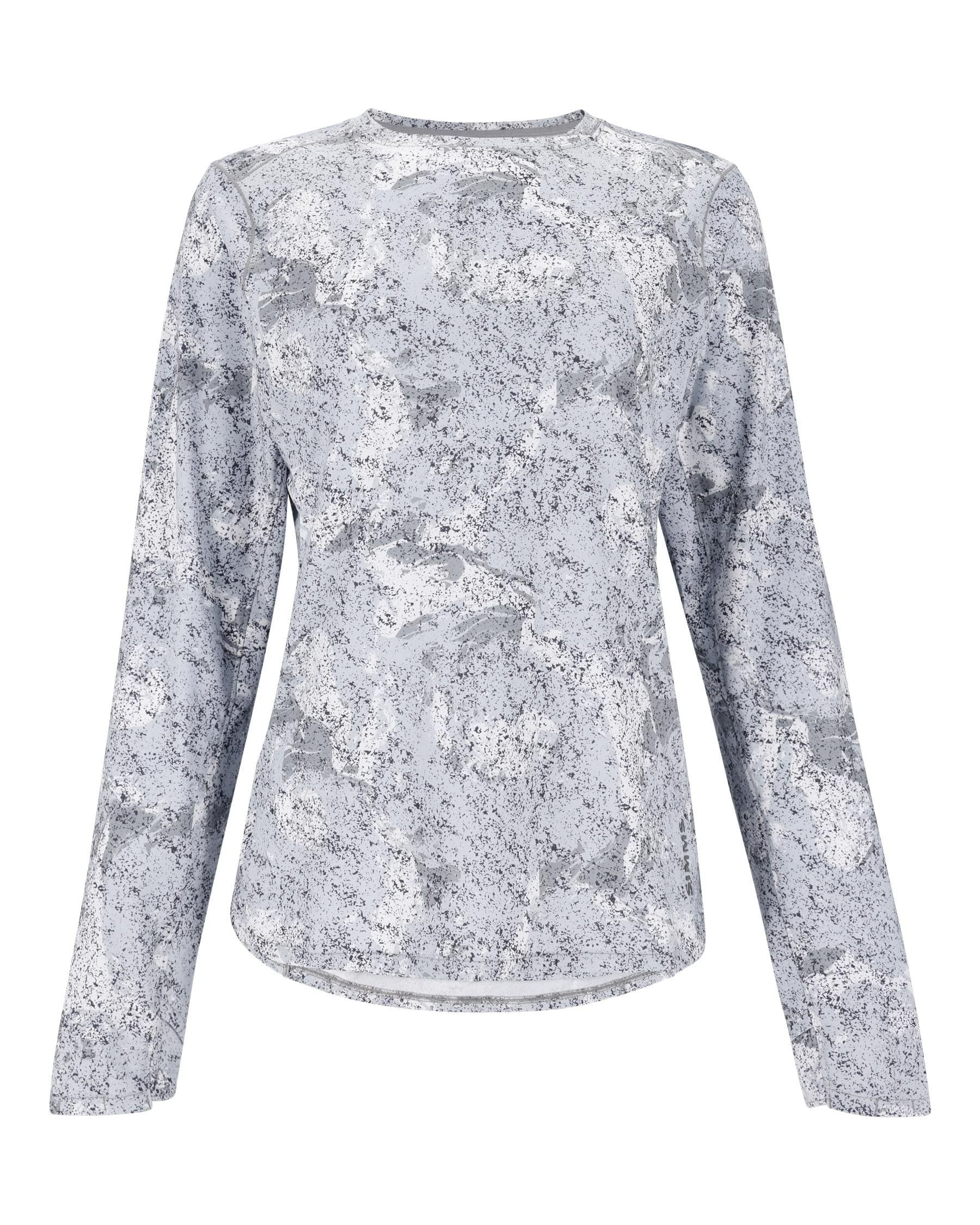

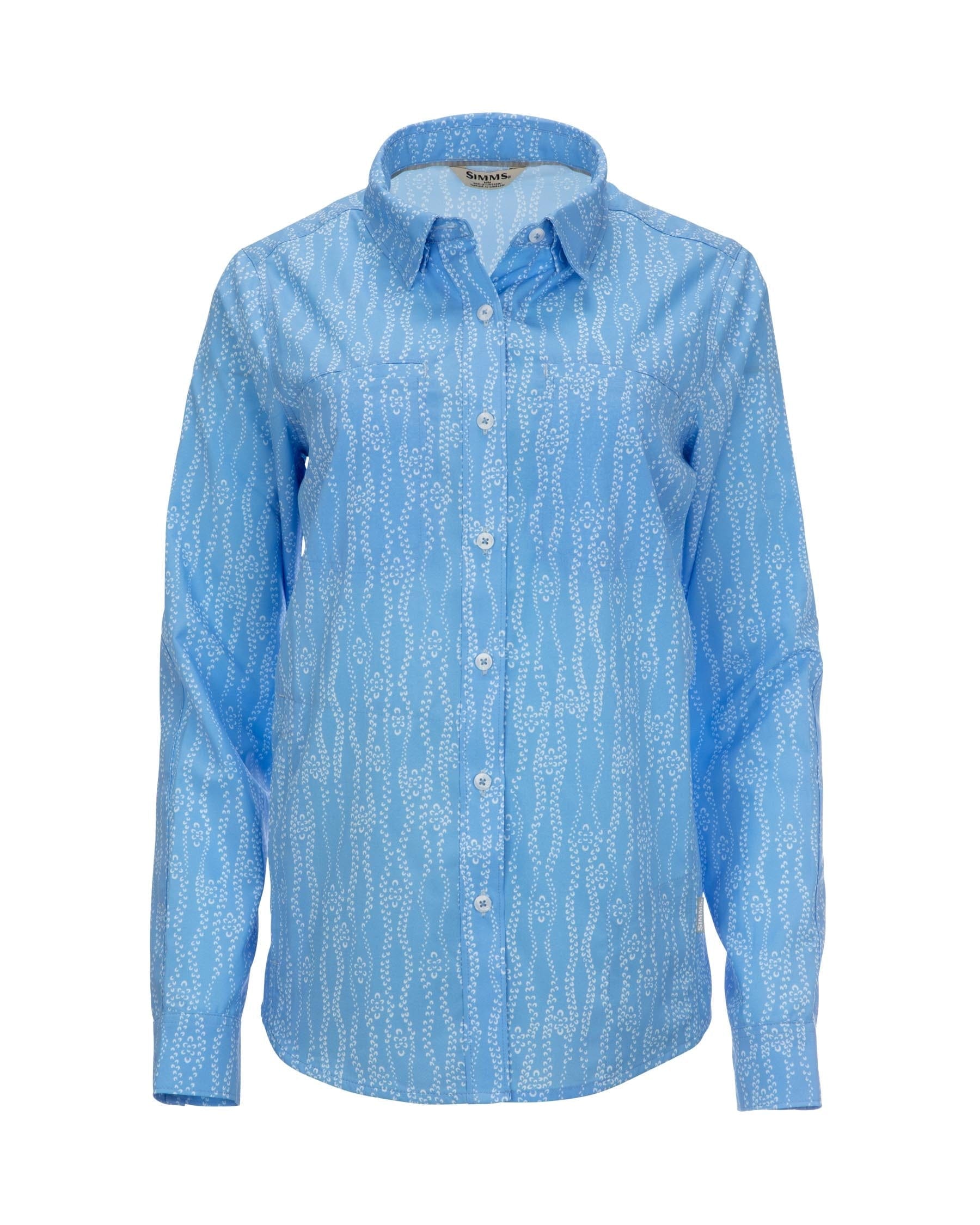

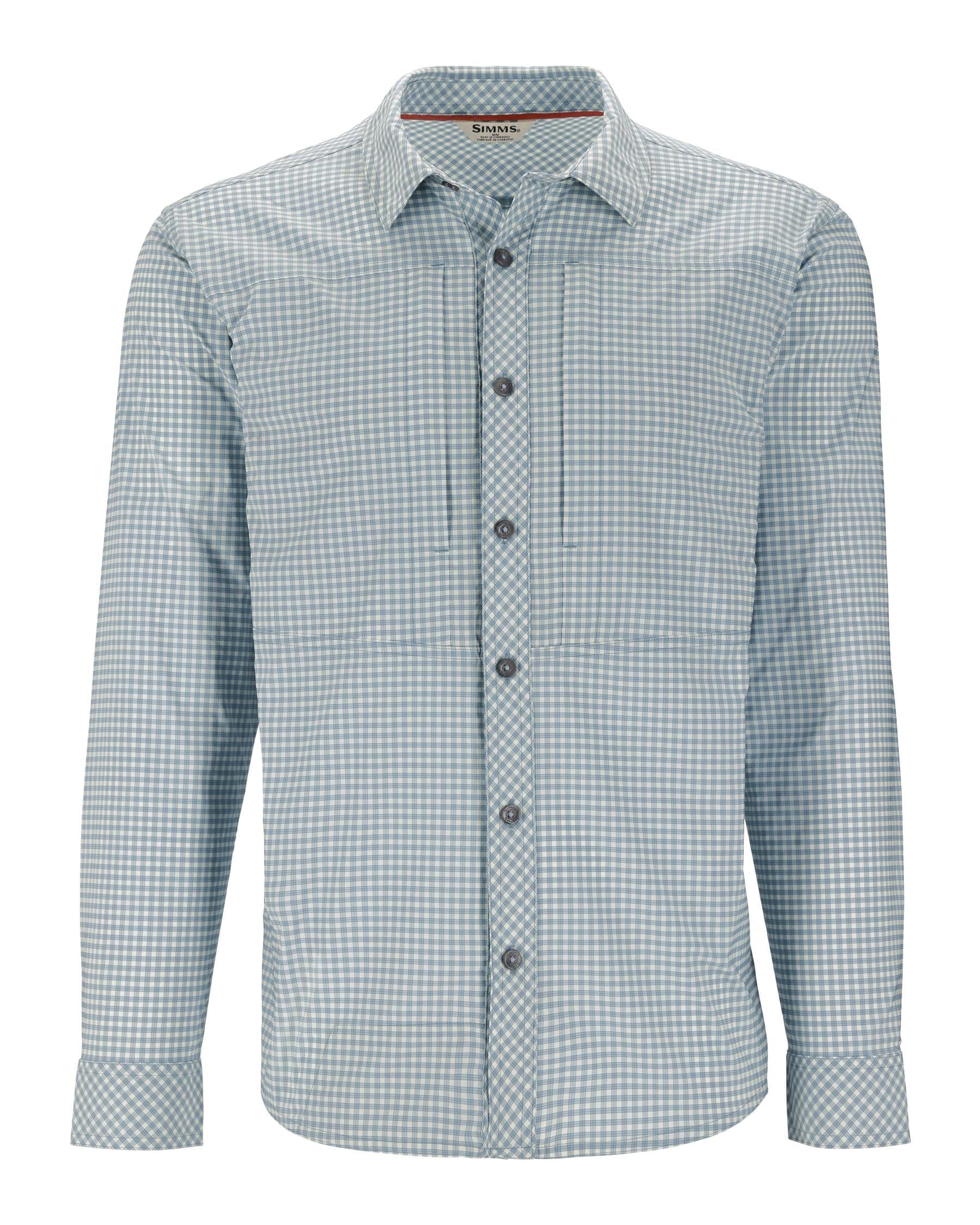
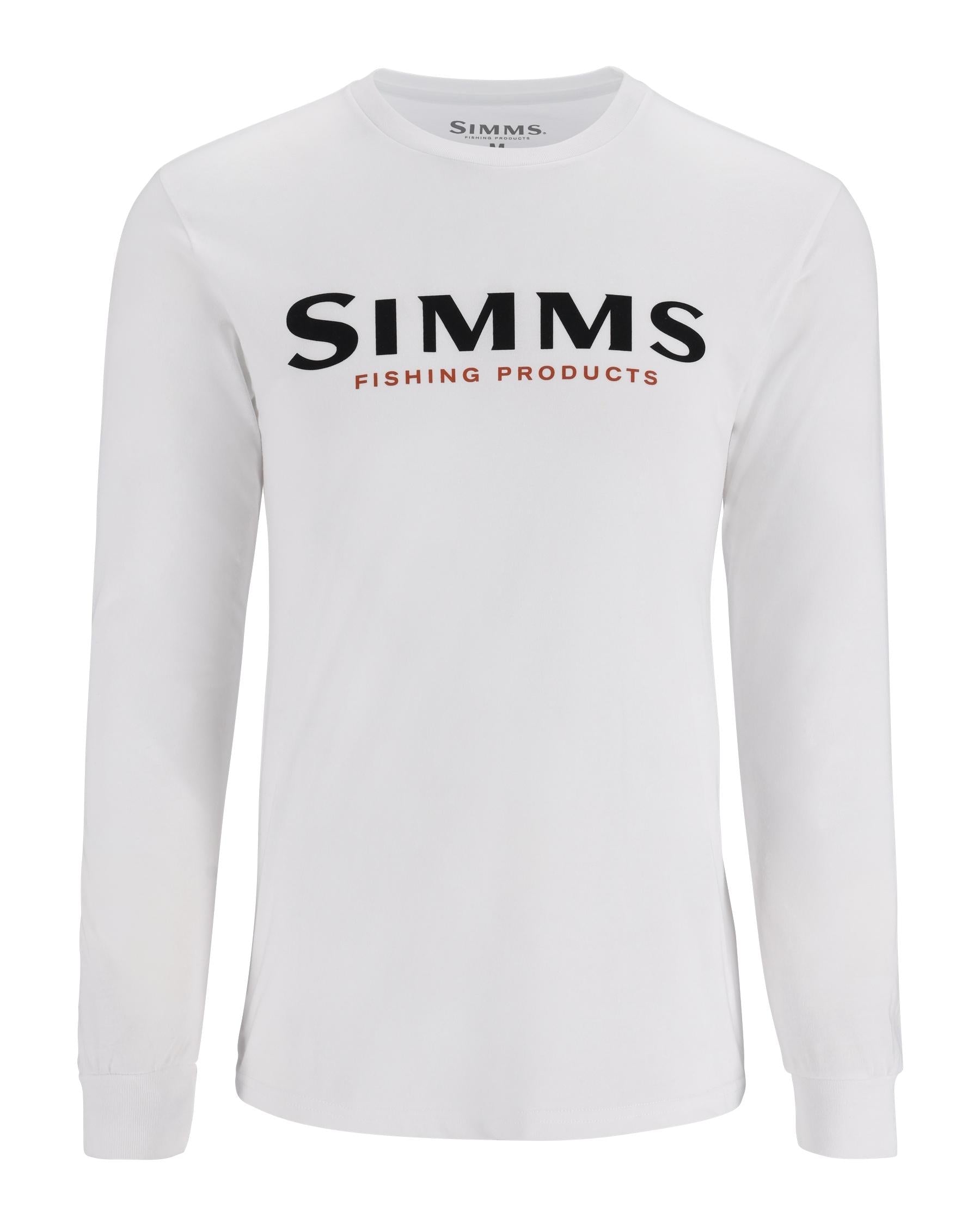
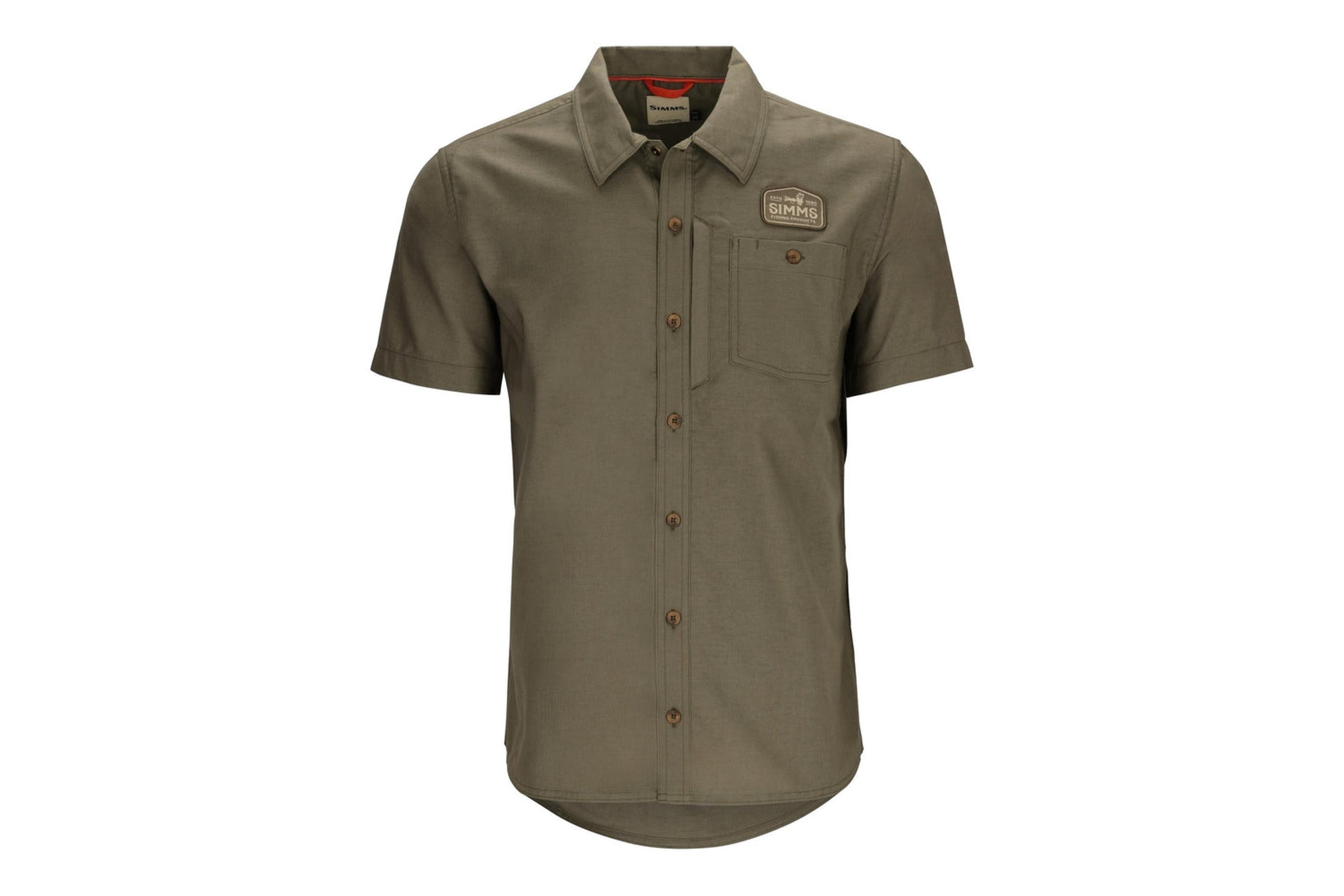
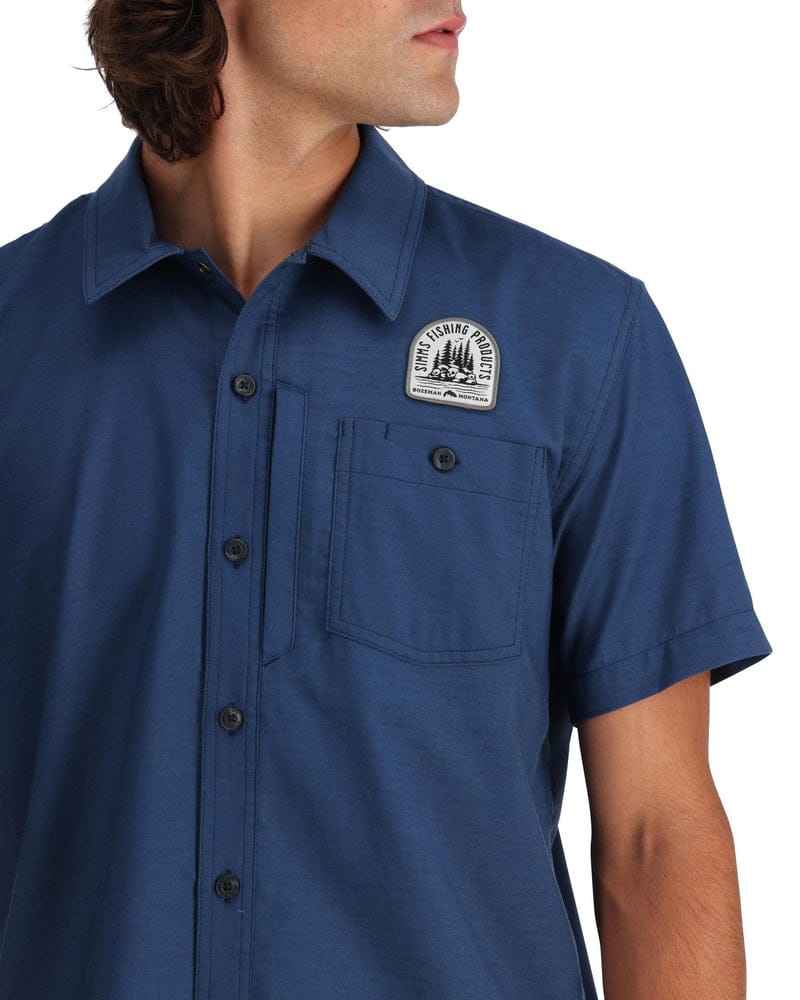
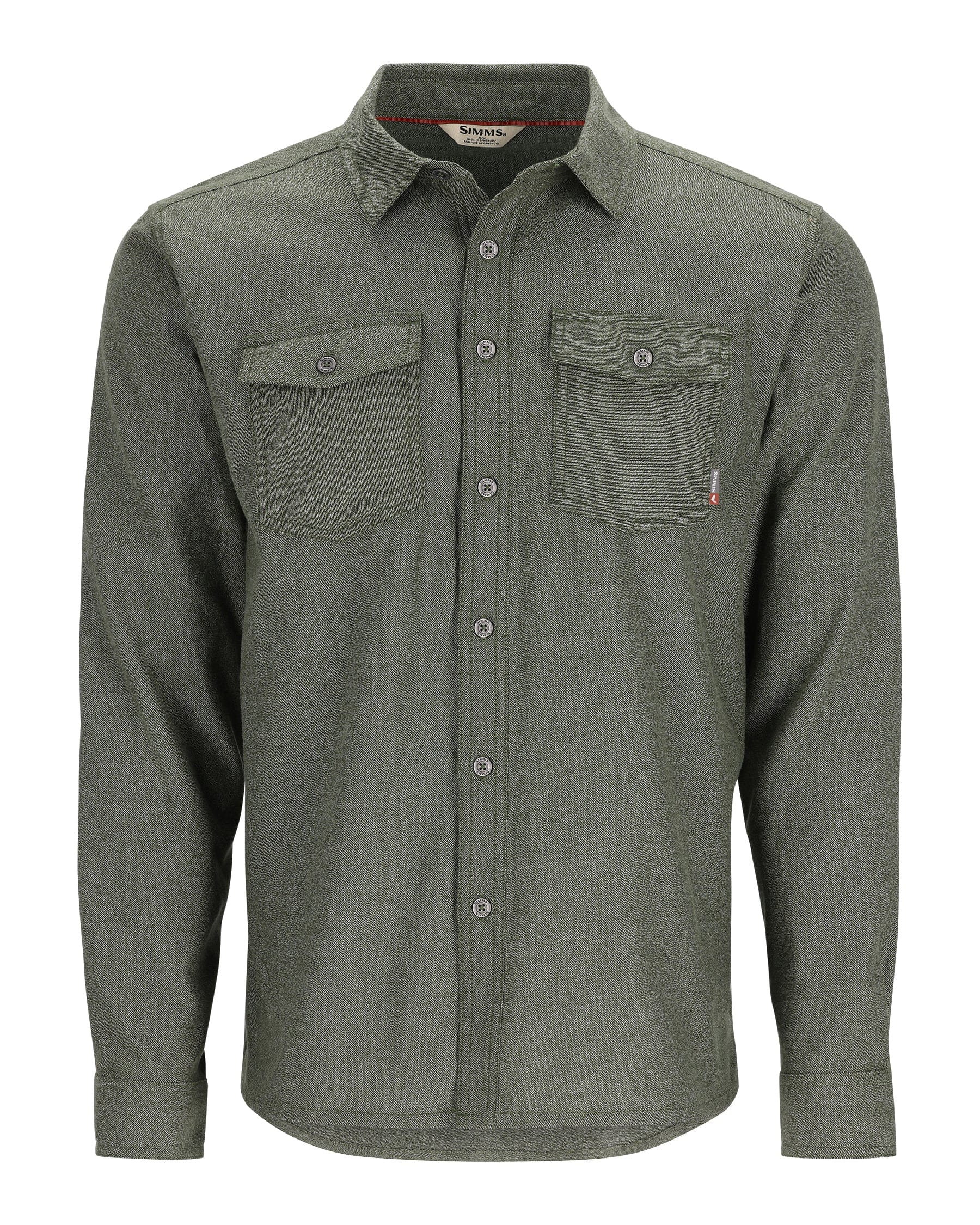
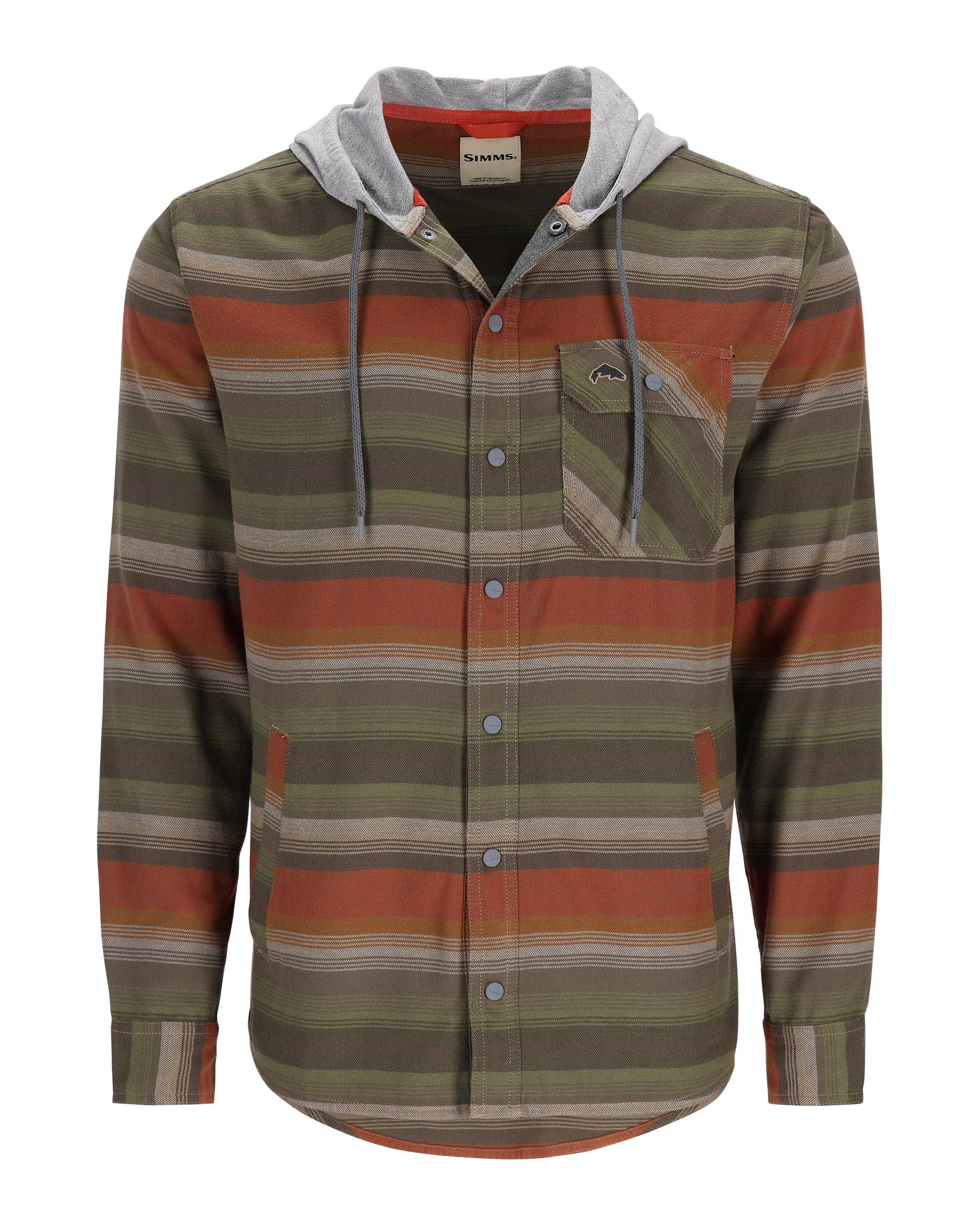
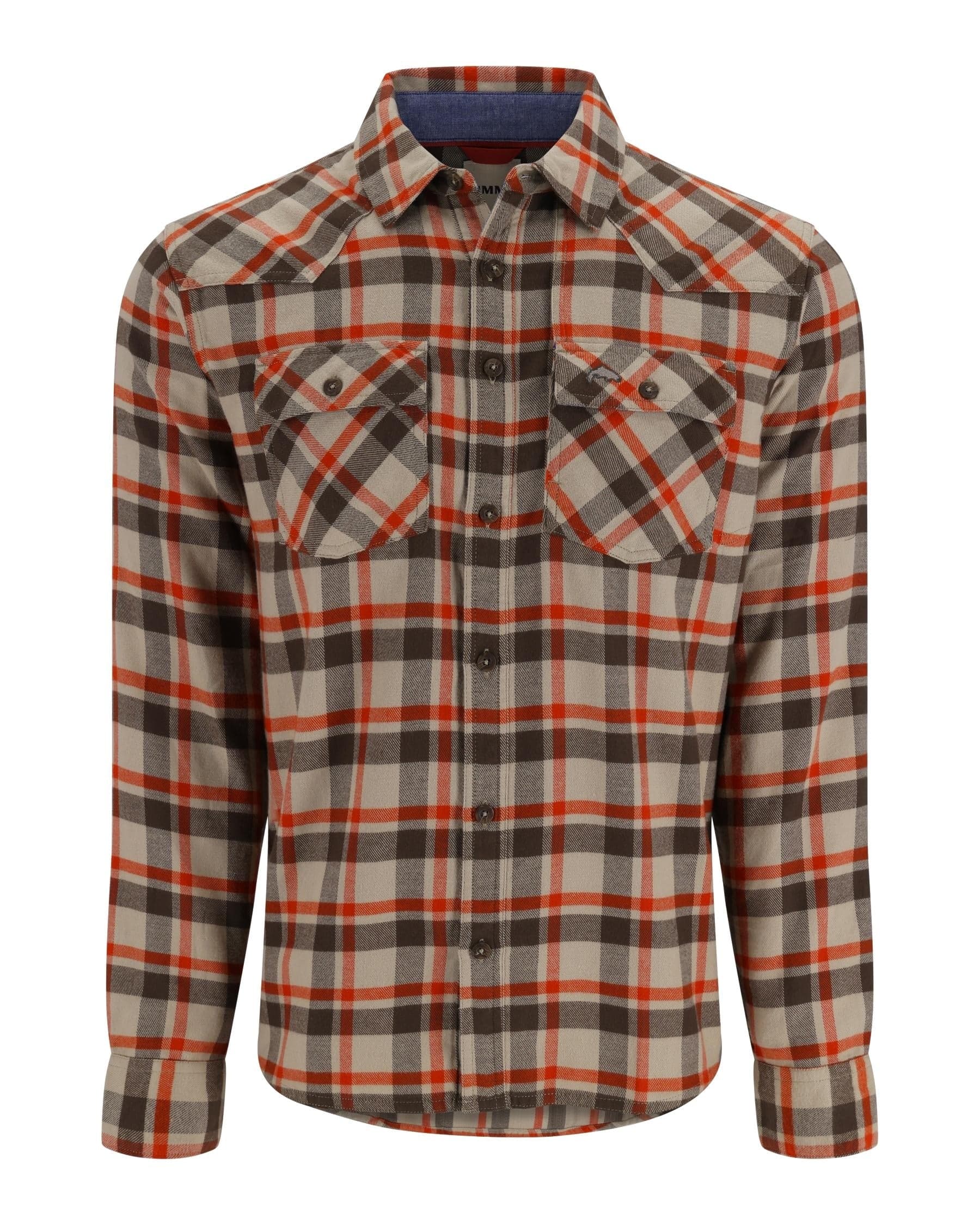
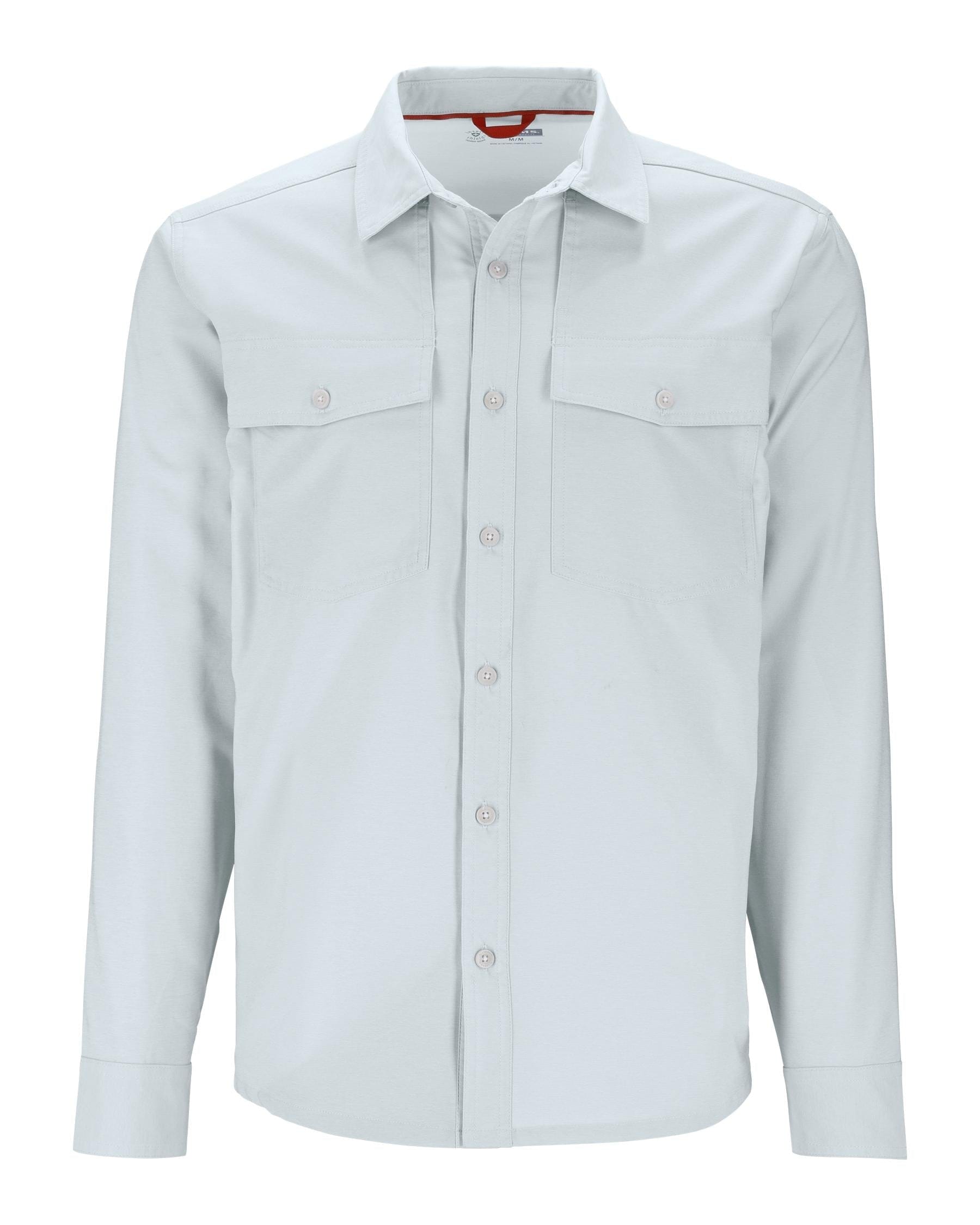

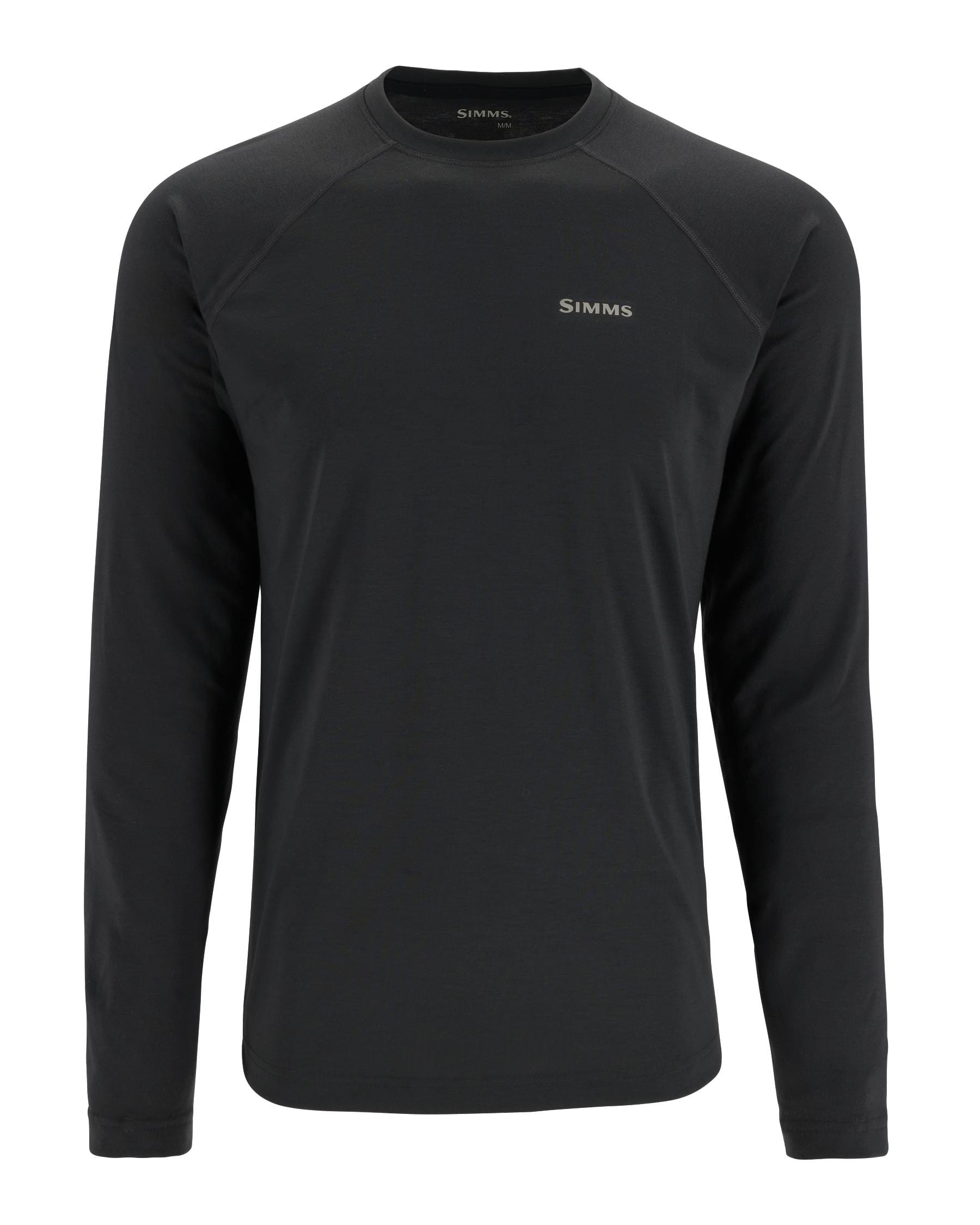
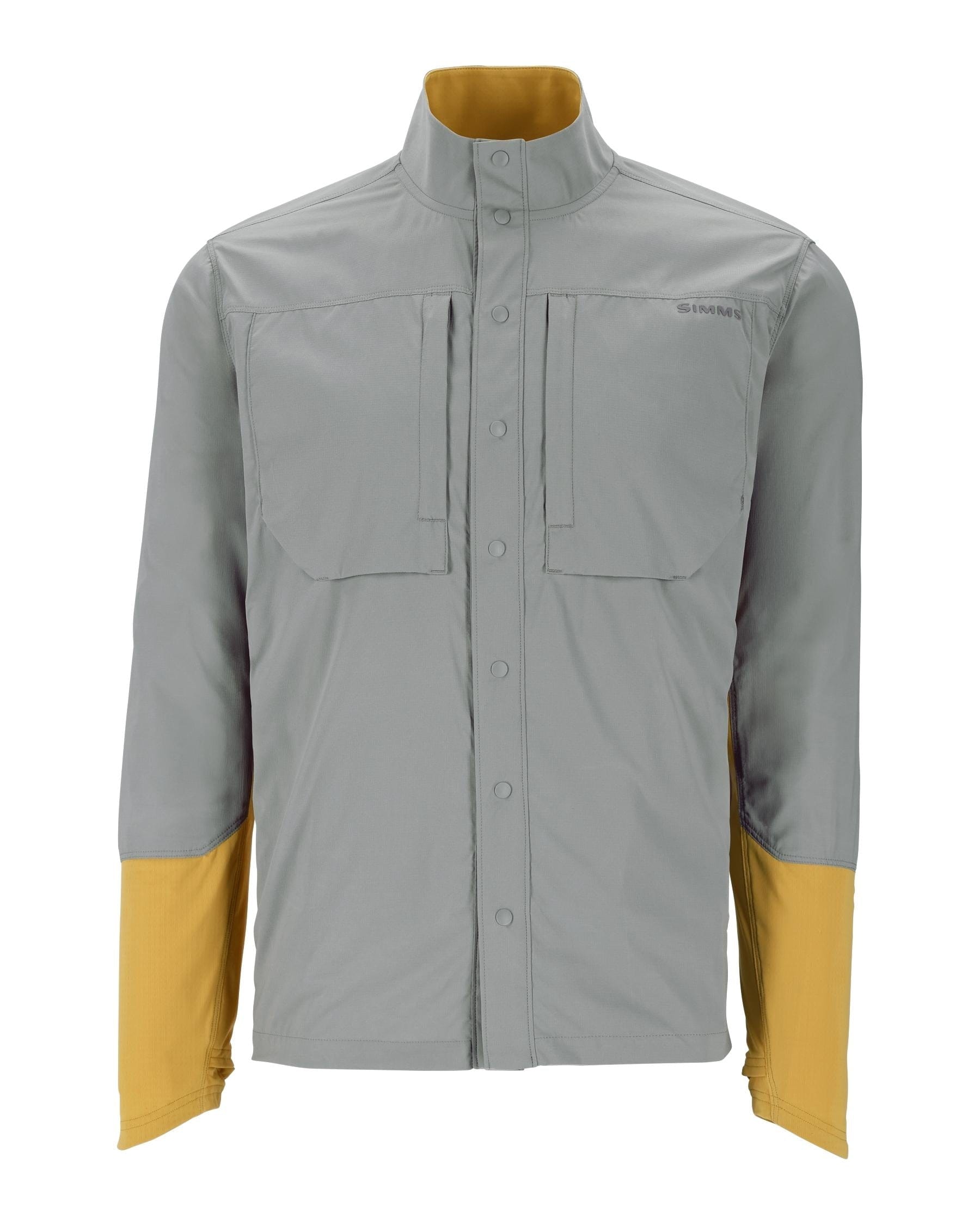
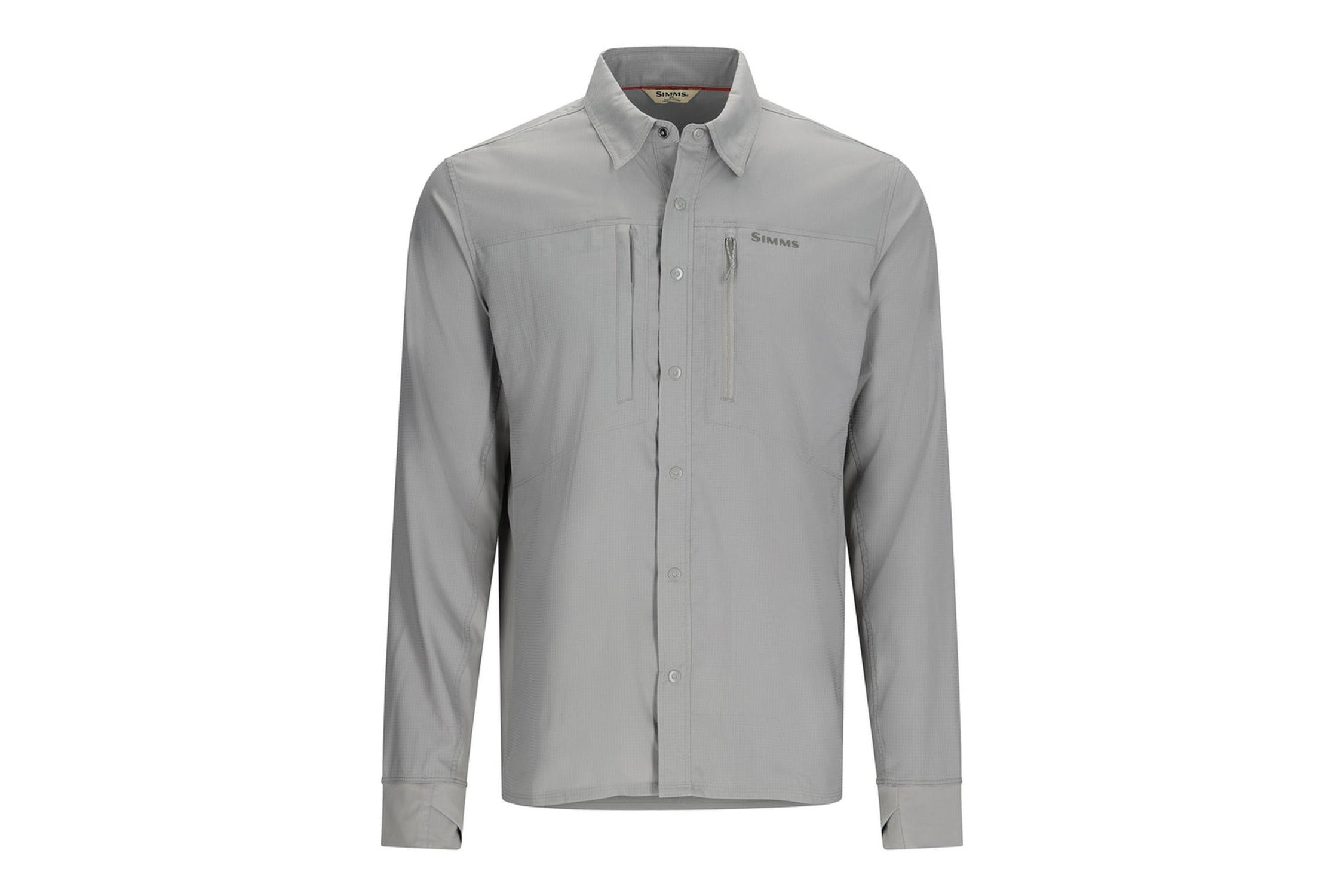
Shirts Quick Picks
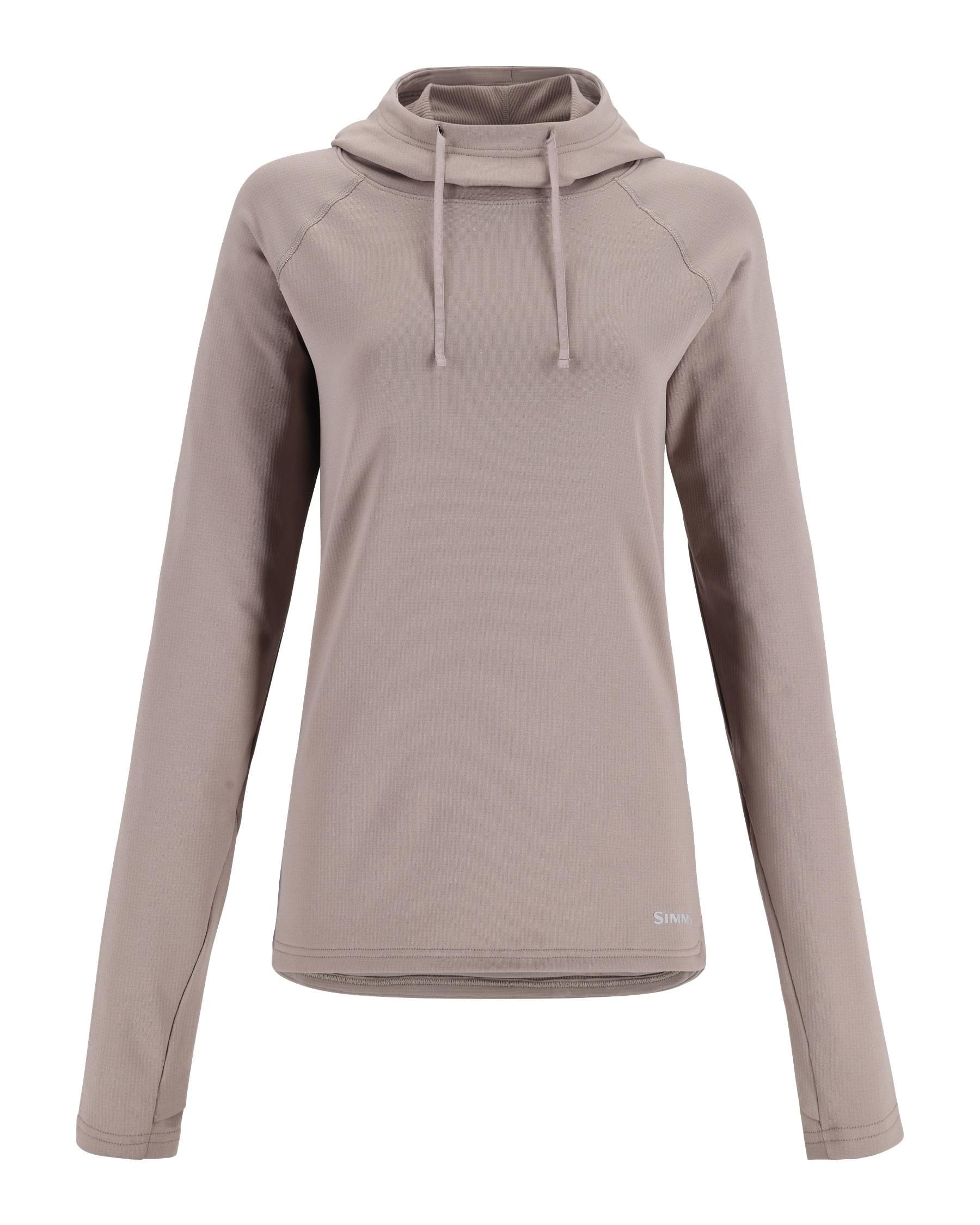
Best All-Around: Simms SolarFlex Crewneck Shirt - For anglers who want a simple, technical layer for full days in strong sun. UPF 50+ protection plus wicking/quick-dry performance makes it a dependable “wear it everywhere” fishing shirt.
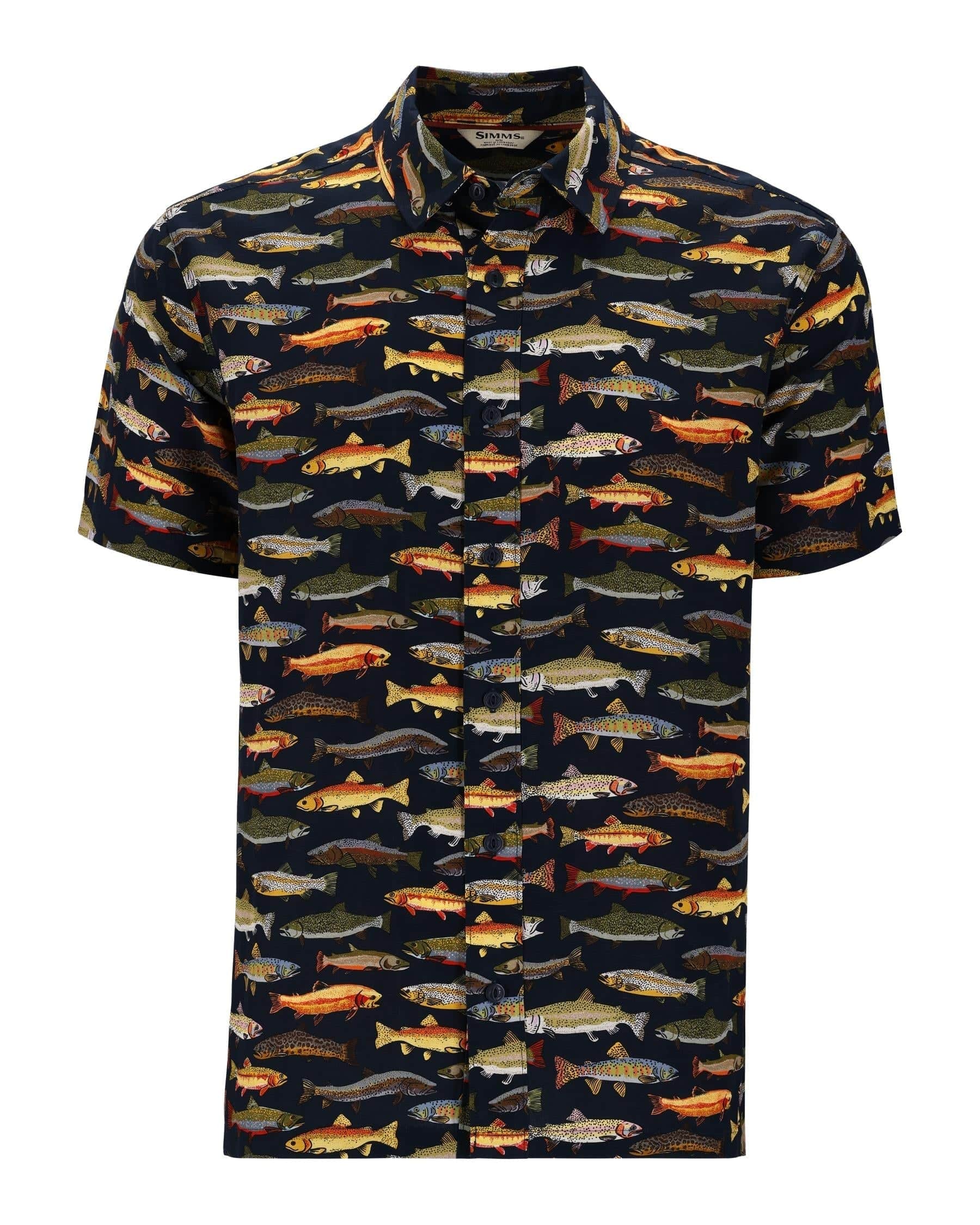
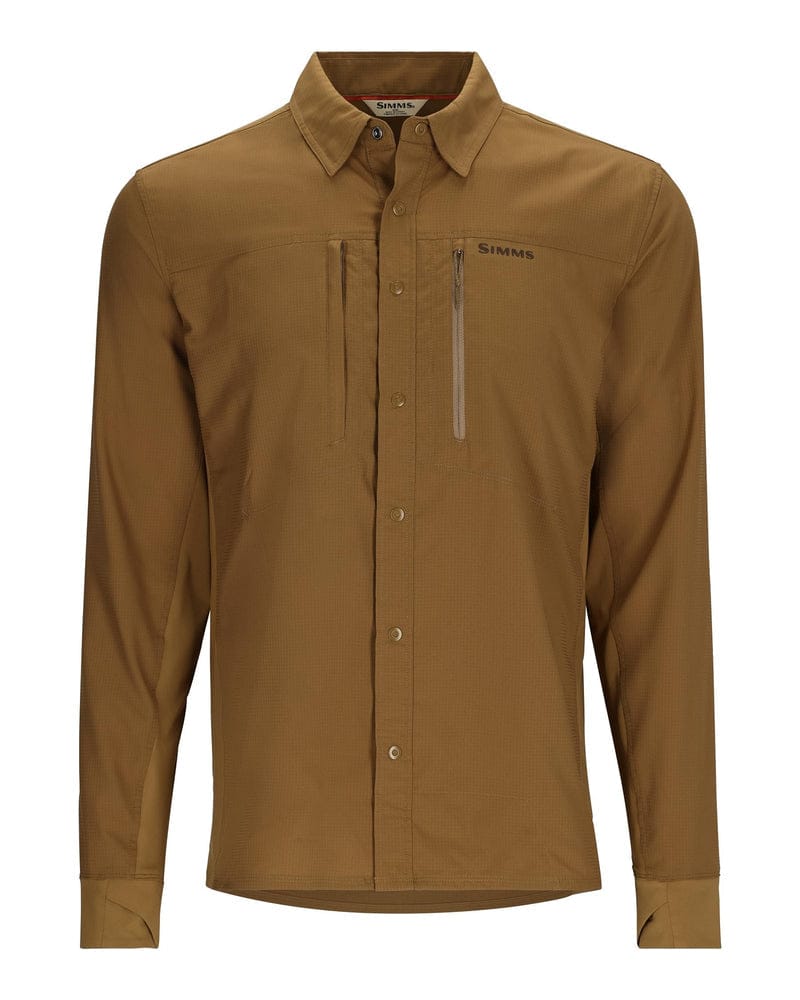
Best Hot-Weather Button-Up: Simms Stone Cold Long Sleeve Shirt - For boat days, flats trips, and midsummer heat when you still want coverage and pockets. It’s a stretch-woven, UPF 50+ button-up built to breathe while carrying essentials like a fly box in the chest pockets.
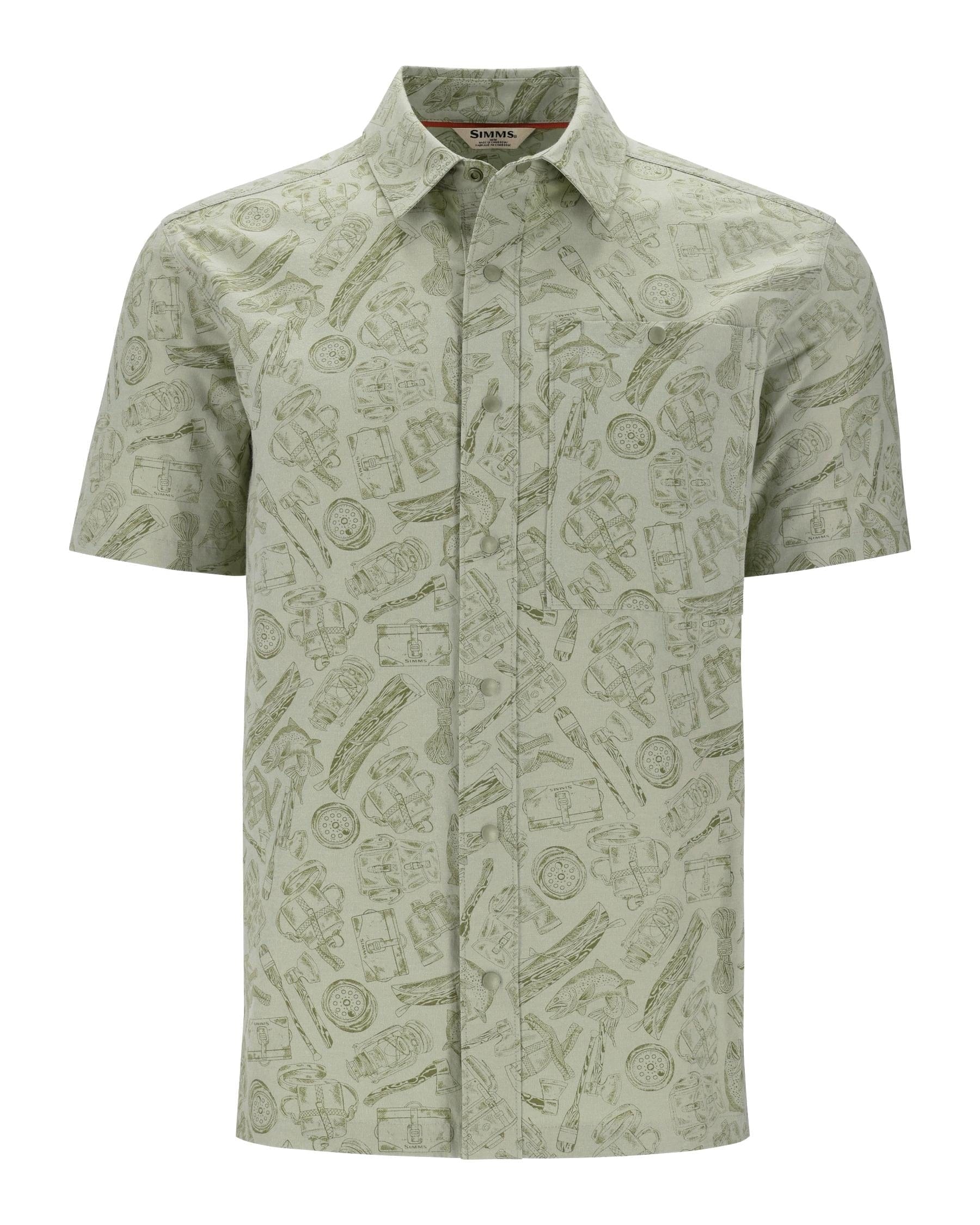
Best for Travel: Simms Flyover Shirt - For anglers who want one shirt that works from airport to rental car to boat ramp. Thoughtful stash pockets and easy-wearing, quick-dry fabric make it a strong “trip shirt” when you’re living out of a duffel.
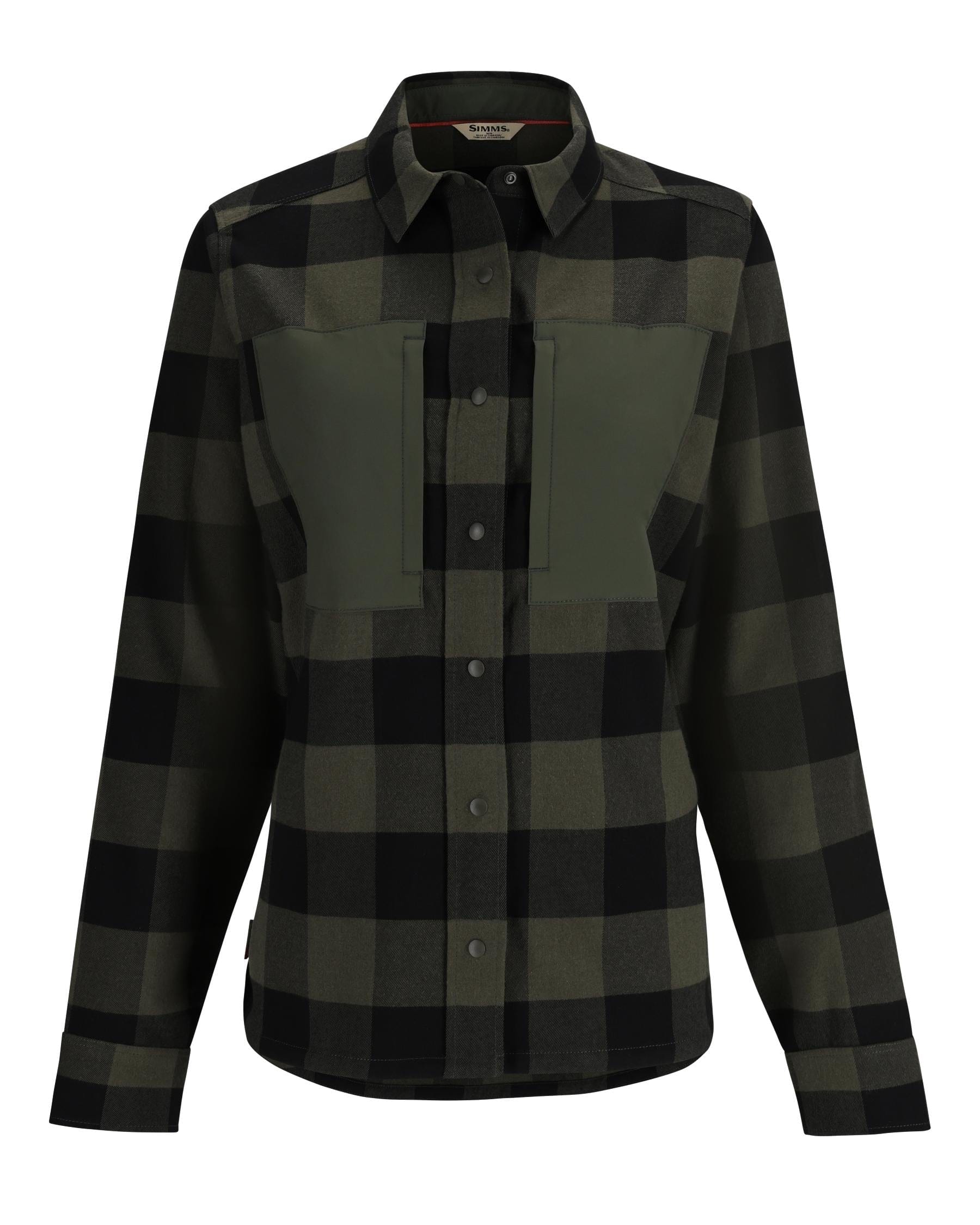
Best Lifestyle Flannel: Simms Shoal Flannel Shirt - For cool-weather layering, post-float dinners, and everyday wear. A classic flannel build with fishing-friendly mobility, so it doesn’t feel restrictive when you’re moving around.
Best Value: Trident Heritage Tee - For casual days, road trips, and easy layering under a hoodie or jacket. It’s a straightforward, comfortable tee that keeps your kit simple while repping fly fishing.
Explore by Type
How to Choose Shirts
Fly fishing shirts: sun shirts vs. woven button-ups
Action: Start by choosing the shirt style that matches how you fish most days.
Performance sun shirts (hoodies/crewnecks): Best when you’re casting constantly, rowing, or hiking between spots. Look for UPF ratings, smooth seams, and a fit that won’t bind in the shoulders.
Woven button-ups: Great when you want structure, ventilation, and pockets. They’re a favorite for guides, boat anglers, and anyone who likes a collar and easy-access storage.
What to look for in a true fly fishing shirt
UPF protection: If you’re on open water (flats, lakes, drift boats), prioritize a UPF-rated shirt for consistent coverage.
Moisture management: Wicking and quick-dry fabrics matter when it’s humid, you’re sweating, or you’re getting splashed while netting fish.
Breathability: Vents, lightweight weaves, and stretch panels help you stay comfortable during repetitive casting.
Pockets (when you actually need them): If you fish out of a sling/pack, you may not need chest pockets. If you guide, wade without a pack, or travel light, pockets can be a big advantage.
Fit and mobility (this is where most people miss)
Avoid if: The shirt feels tight across the upper back when you reach forward, on the water that turns into shoulder fatigue and annoying seam pressure.
Best for: A fit that lets you reach, row, and cast without the hem riding up. If you’re between sizes and plan to layer, sizing up often makes sense.
Materials & Durability
Wash smart: Rinse or wash shirts after sunscreen/salt exposure to reduce fabric breakdown and lingering odors.
Skip fabric softeners: They can reduce wicking performance over time on technical shirts.
Drying: Air dry when you can; low heat if you tumble dry to be gentler on stretch fabrics and finishes.
Snags happen: Keep velcro (glove tabs, pack straps) closed during washing to prevent pulls in lightweight knits.
Complete Your Setup
Related Gear
Hats - Adds practical sun coverage when you’re on open water or wading in bright conditions.
Sunglasses - Helps you read water, spot fish, and protect your eyes from hooks and glare.
Gloves & Socks - Sun gloves for long summer days, plus socks that keep wader comfort consistent.
Layering - Makes one good shirt work across a wider temperature range.
Related Guides
Shirts FAQs
Q: What is a fly fishing shirt?
A: Fly fishing shirts are built around sun protection, breathability, and mobility for casting. Many also add fishing-specific storage, venting, and quick-dry fabrics for long days on the water.
Q: Should I choose a sun hoodie/crewneck or a button-up fishing shirt?
A: Choose a sun hoodie/crewneck when you want maximum freedom of movement and simple, all-day UPF coverage. Choose a button-up when you want more structure, ventilation, and pockets for tools or fly boxes.
Q: What UPF rating should I look for in fly fishing shirts?
A: For consistent, all-day exposure (flats, drift boat, high sun), many anglers prefer UPF 50+. For mixed use, lower ratings can still be useful, but prioritize coverage and comfort so you actually keep it on.
Q: Do fly fishing shirts help in hot, humid weather?
A: Yes, technical fabrics that wick and dry fast can feel noticeably better than cotton when you’re sweating or getting splashed. Breathable weaves and venting also help regulate heat during repetitive casting.
Q: Are long-sleeve fly fishing shirts better than short sleeve?
A: Long sleeves are often preferred for sun protection and fewer bug bites, especially on open water. Short sleeves can be more comfortable in peak heat, but you may end up relying more on sunscreen and sun gloves.
Q: How should a fly fishing shirt fit?
A: You want full shoulder mobility without tightness across the upper back, plus enough length that it doesn’t ride up when you reach or row. If you’ll layer underneath or prefer a relaxed cut, consider sizing up.
Q: How do I wash technical fishing shirts without ruining performance?
A: Use mild detergent, avoid fabric softeners, and lean toward air drying or low heat. That helps preserve wicking finishes and reduces wear on stretch fabrics.