


Simms G3 Guide Fly Fishing Jacket | Insider Review



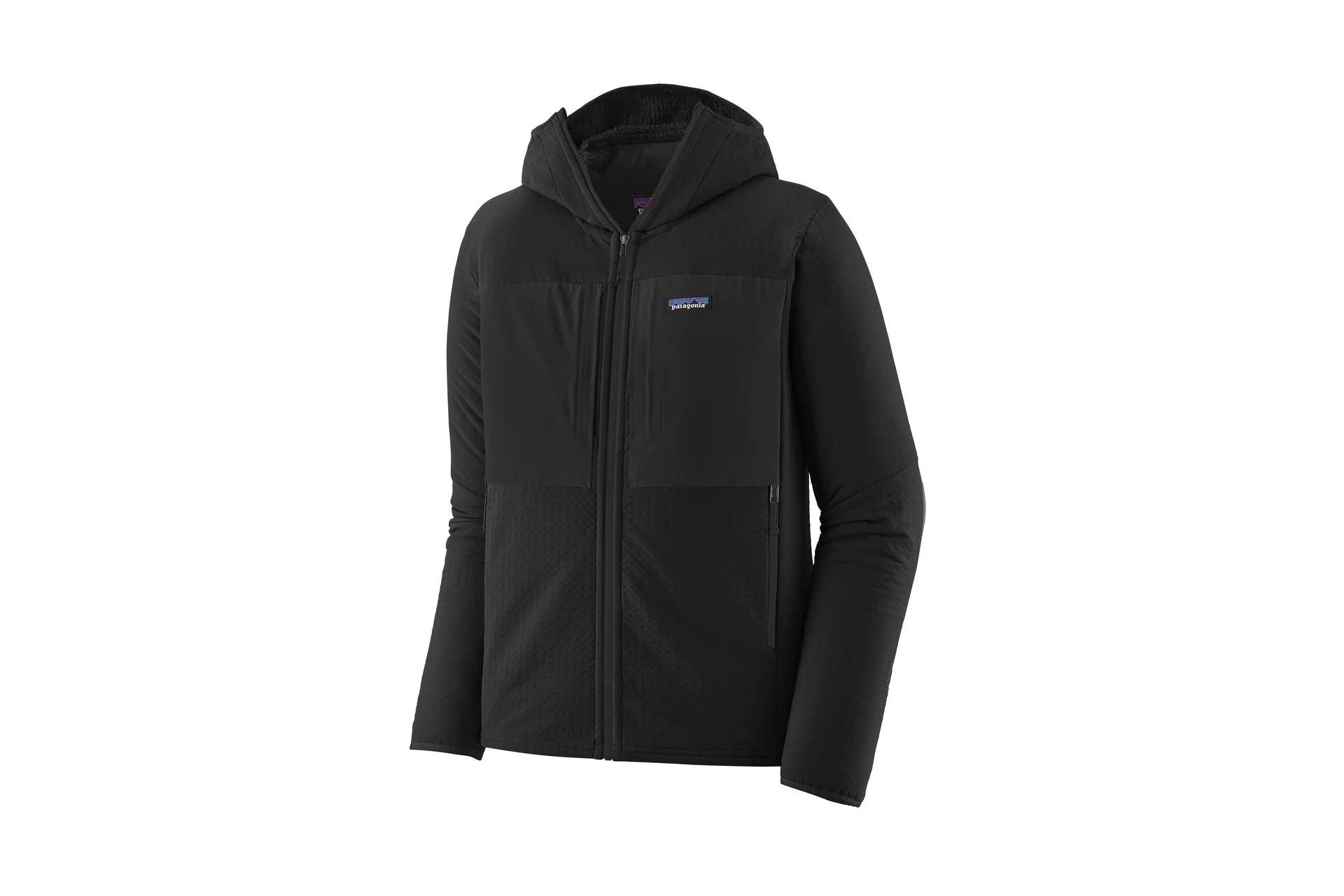
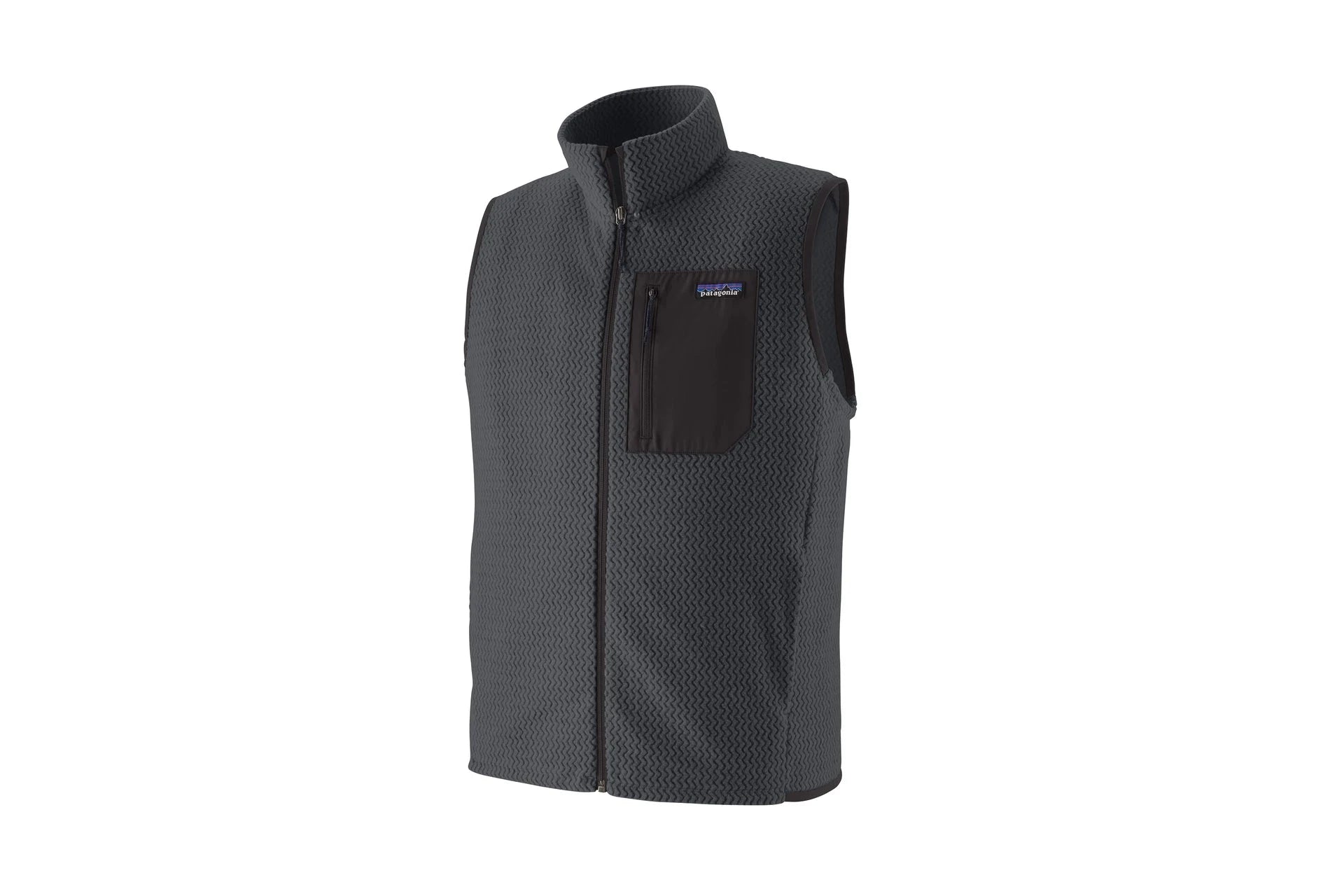

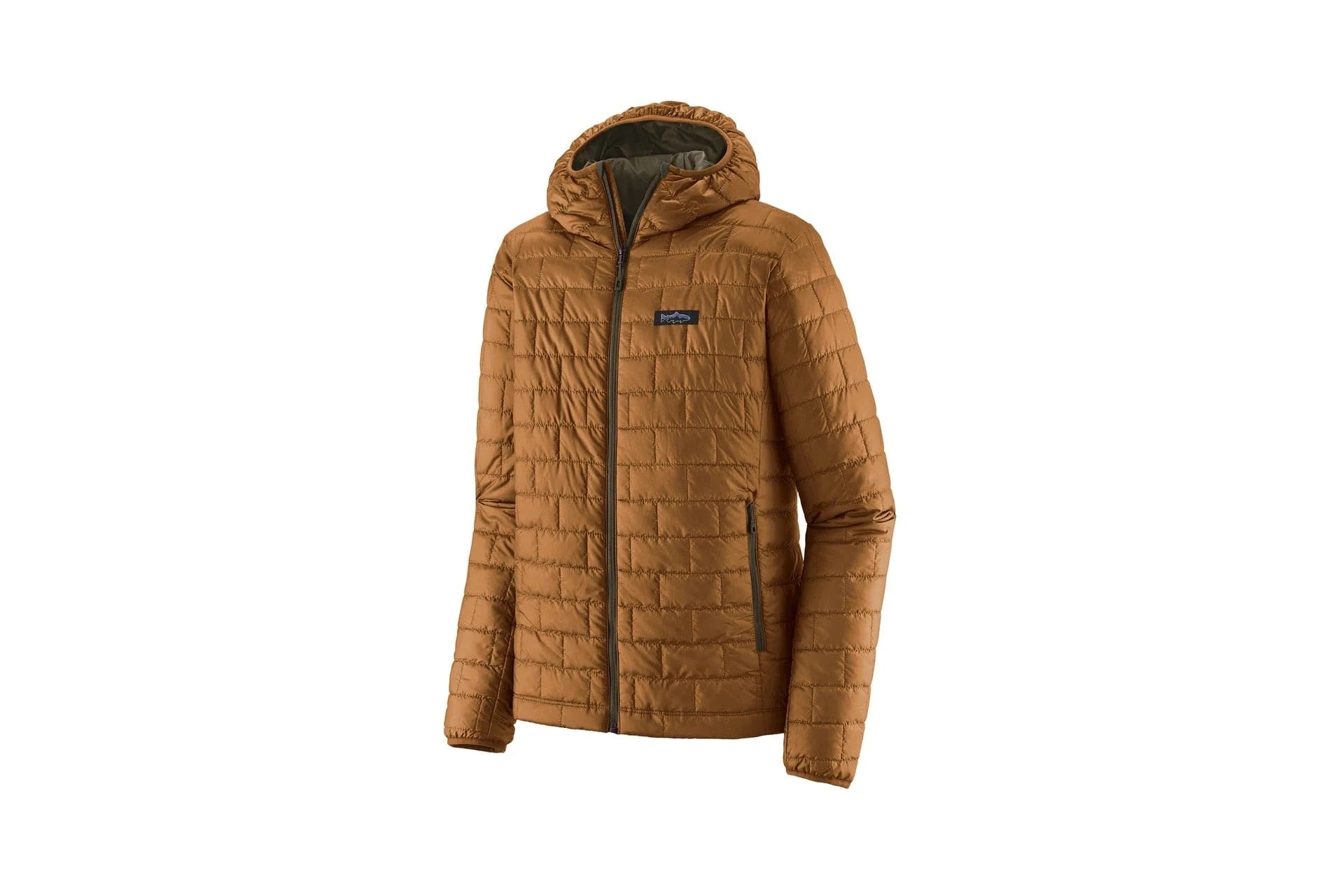
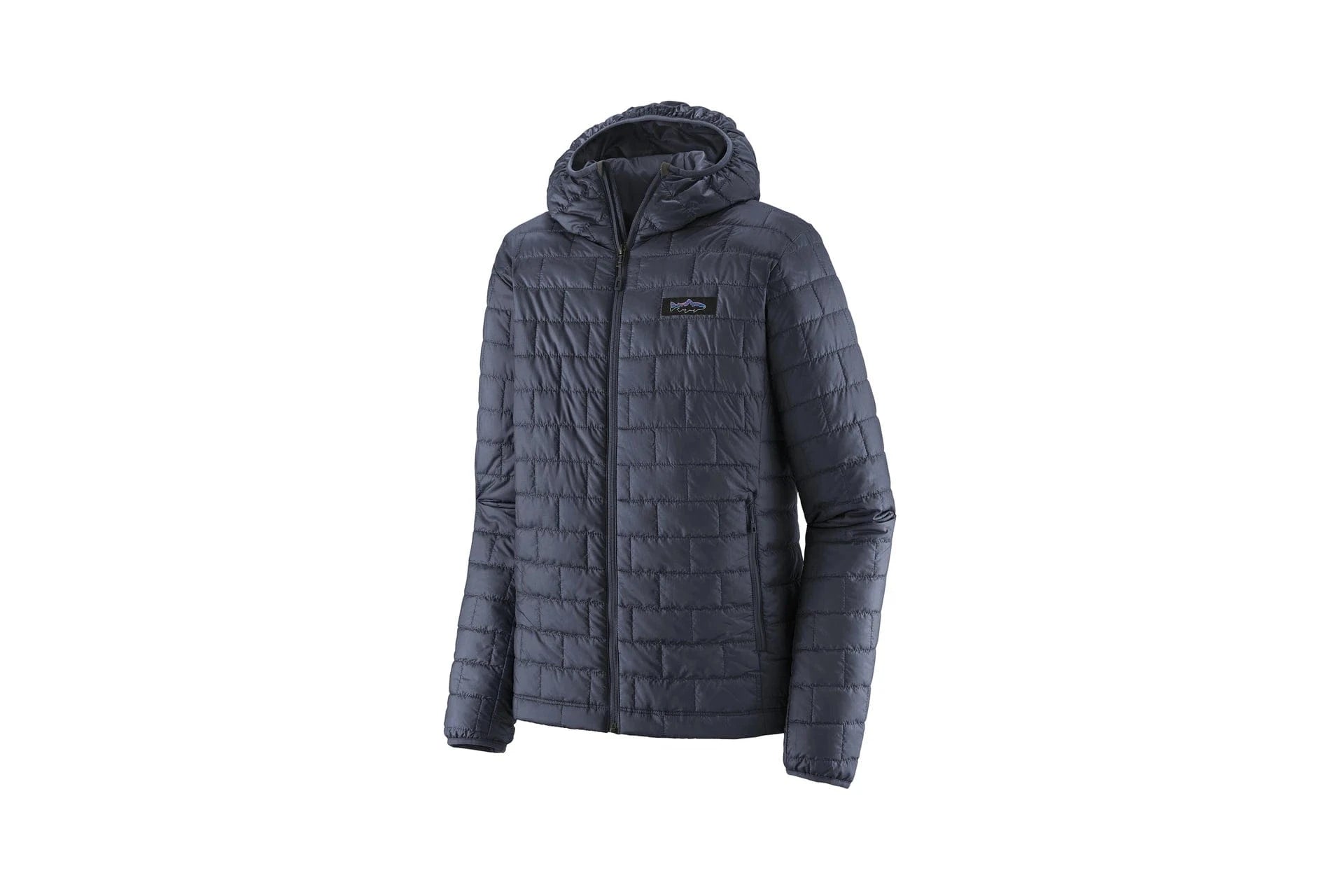

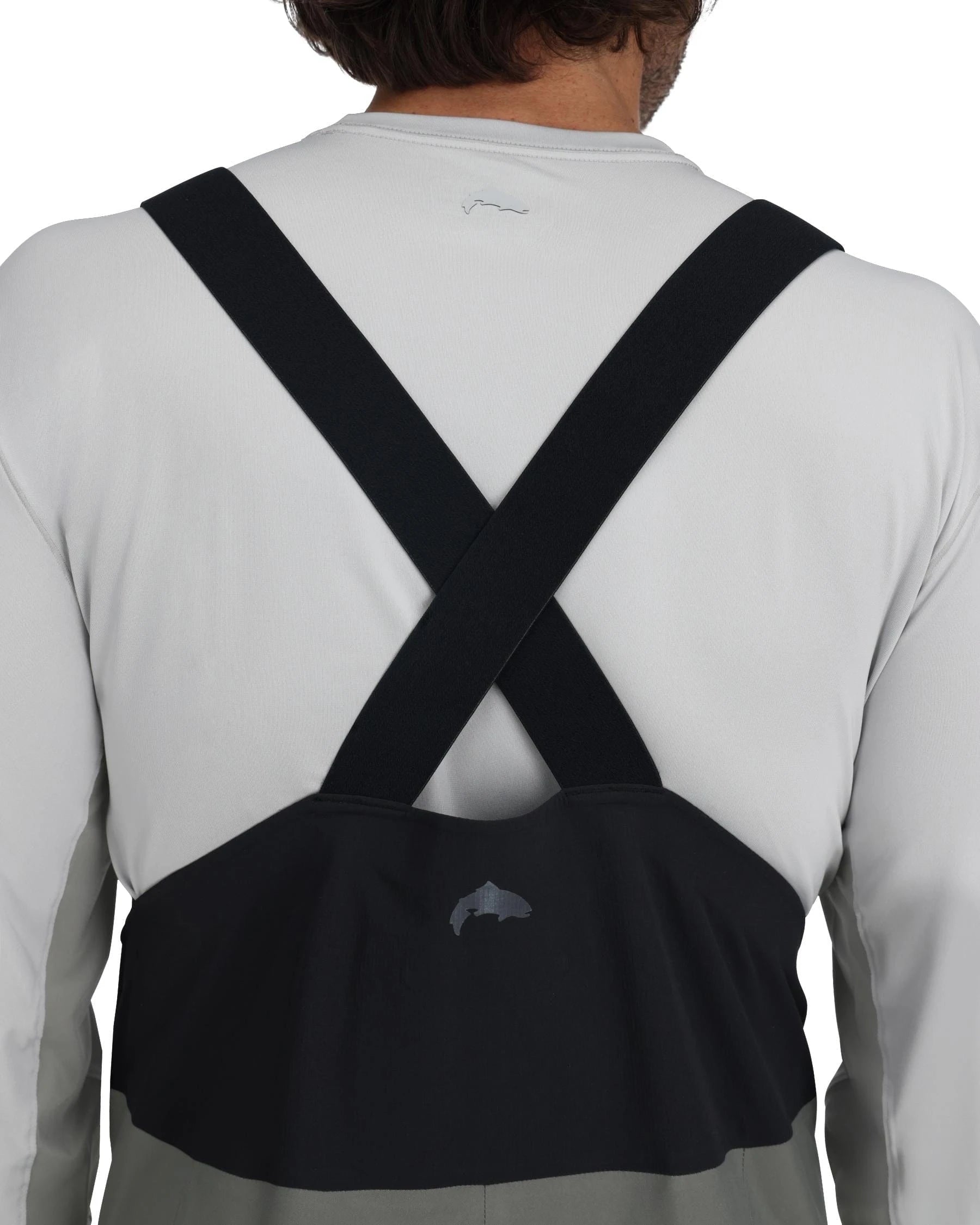

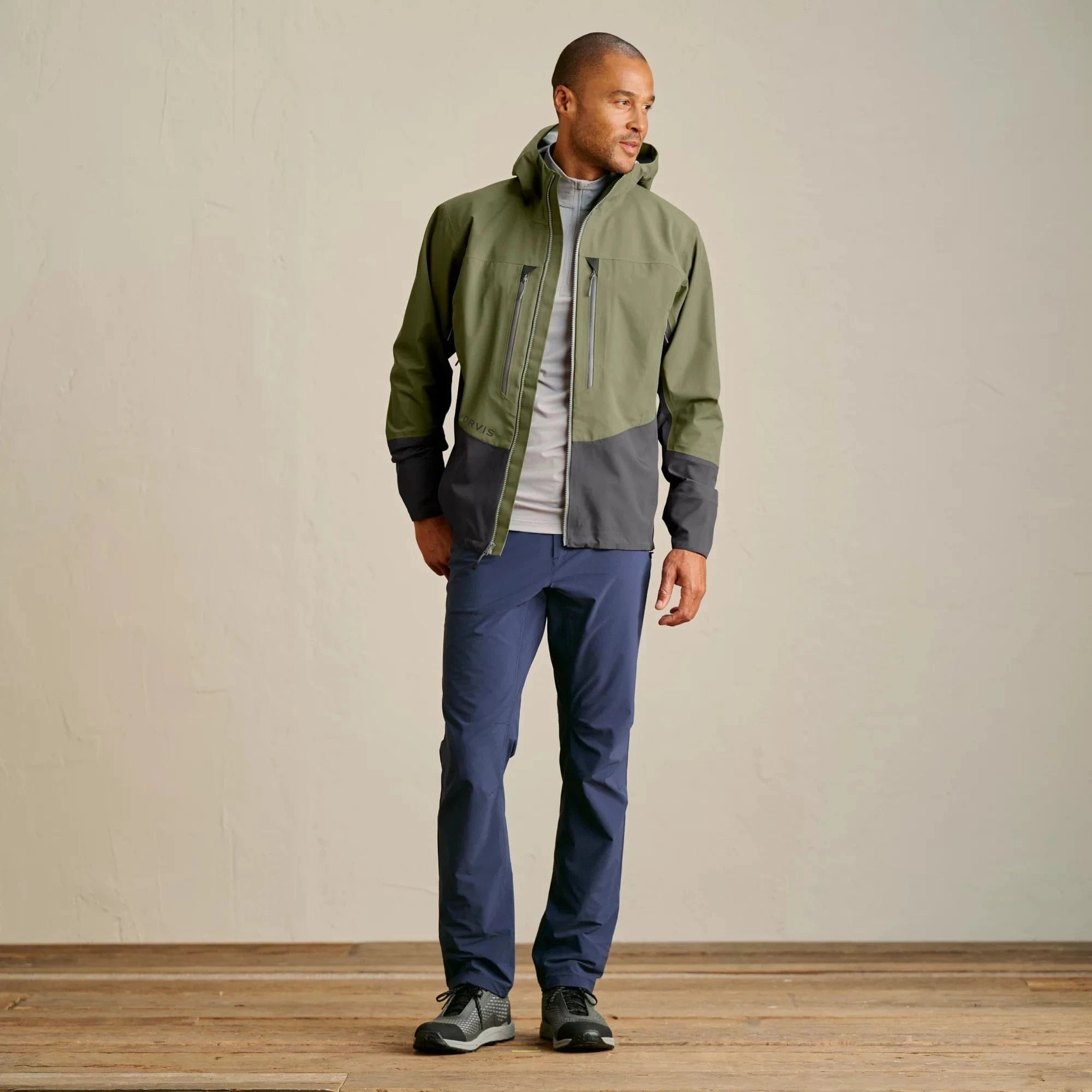
Outerwear Quick Picks
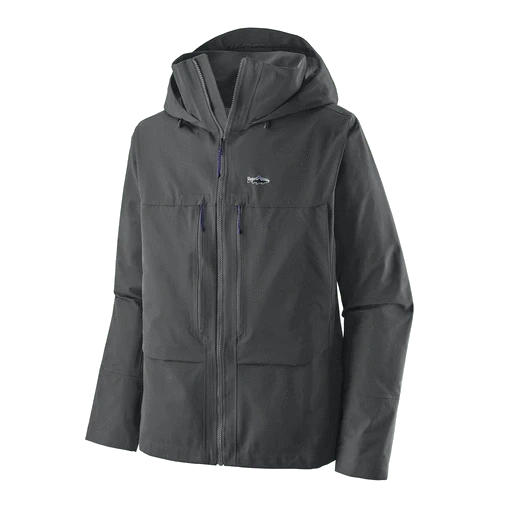
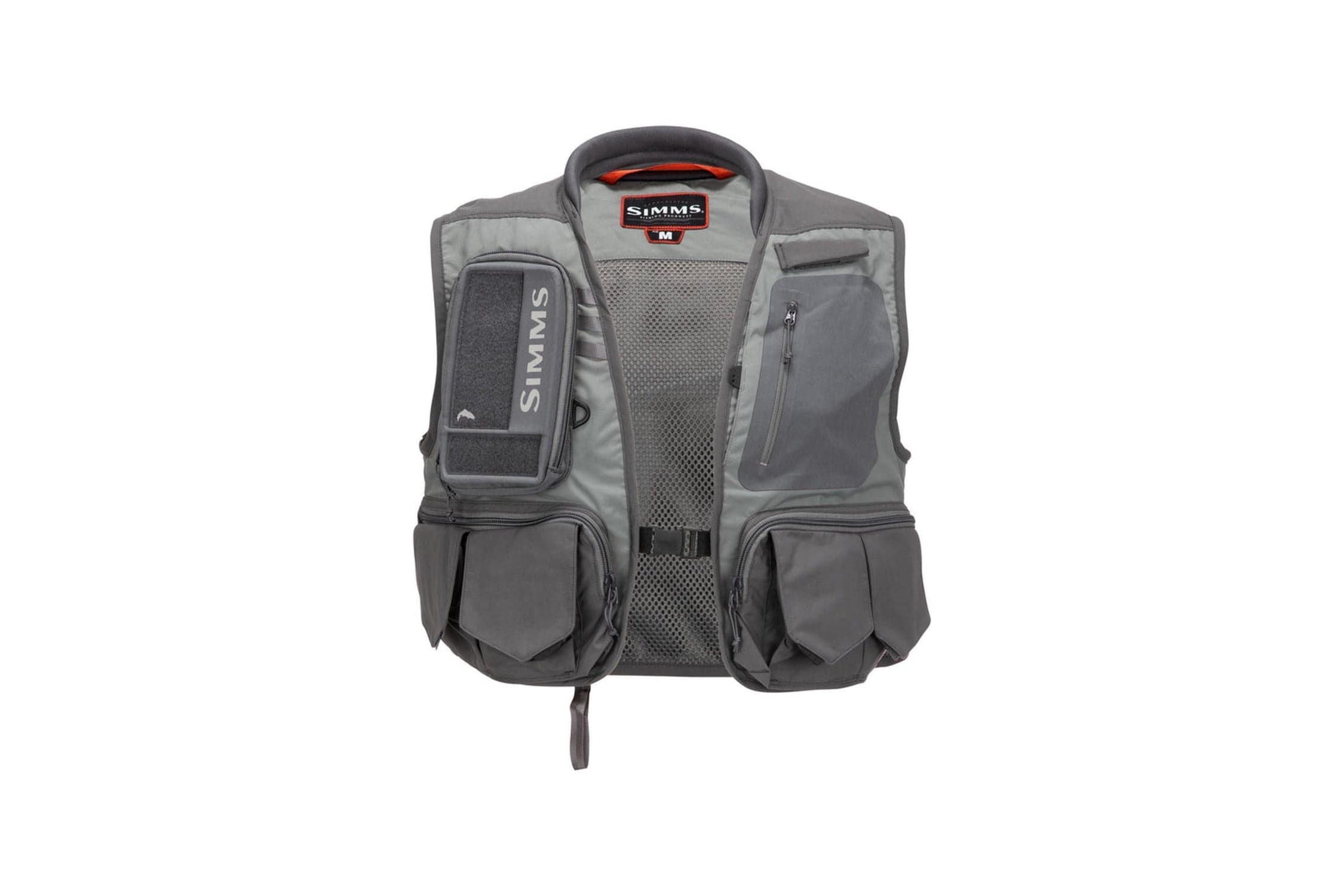
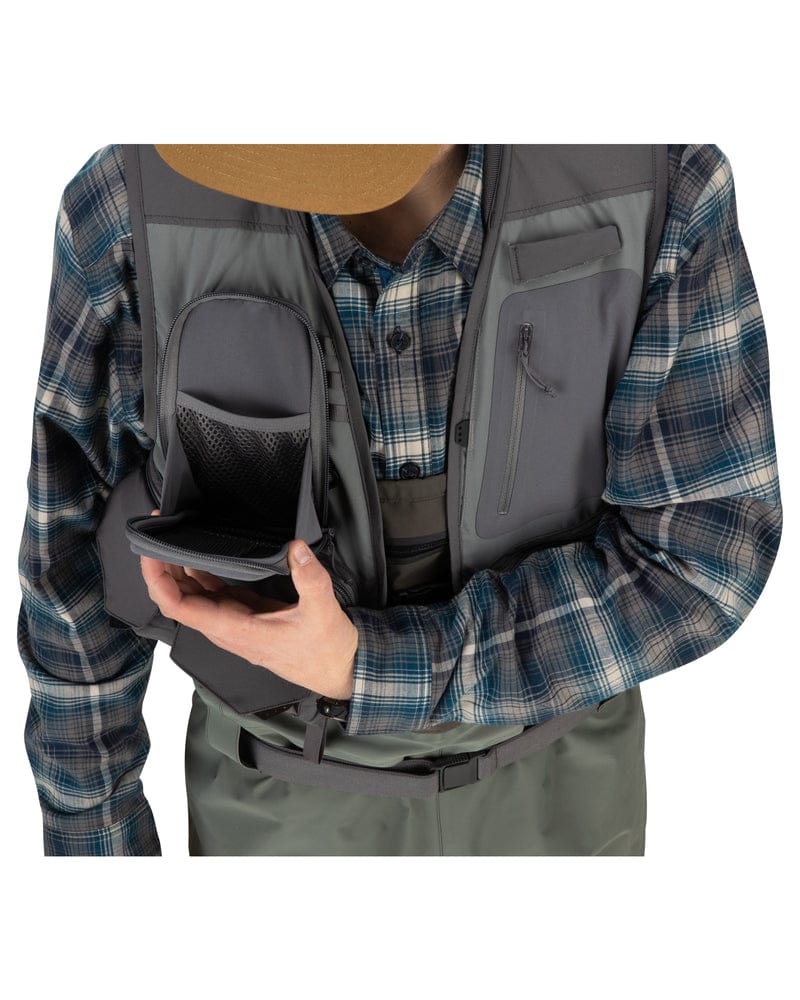
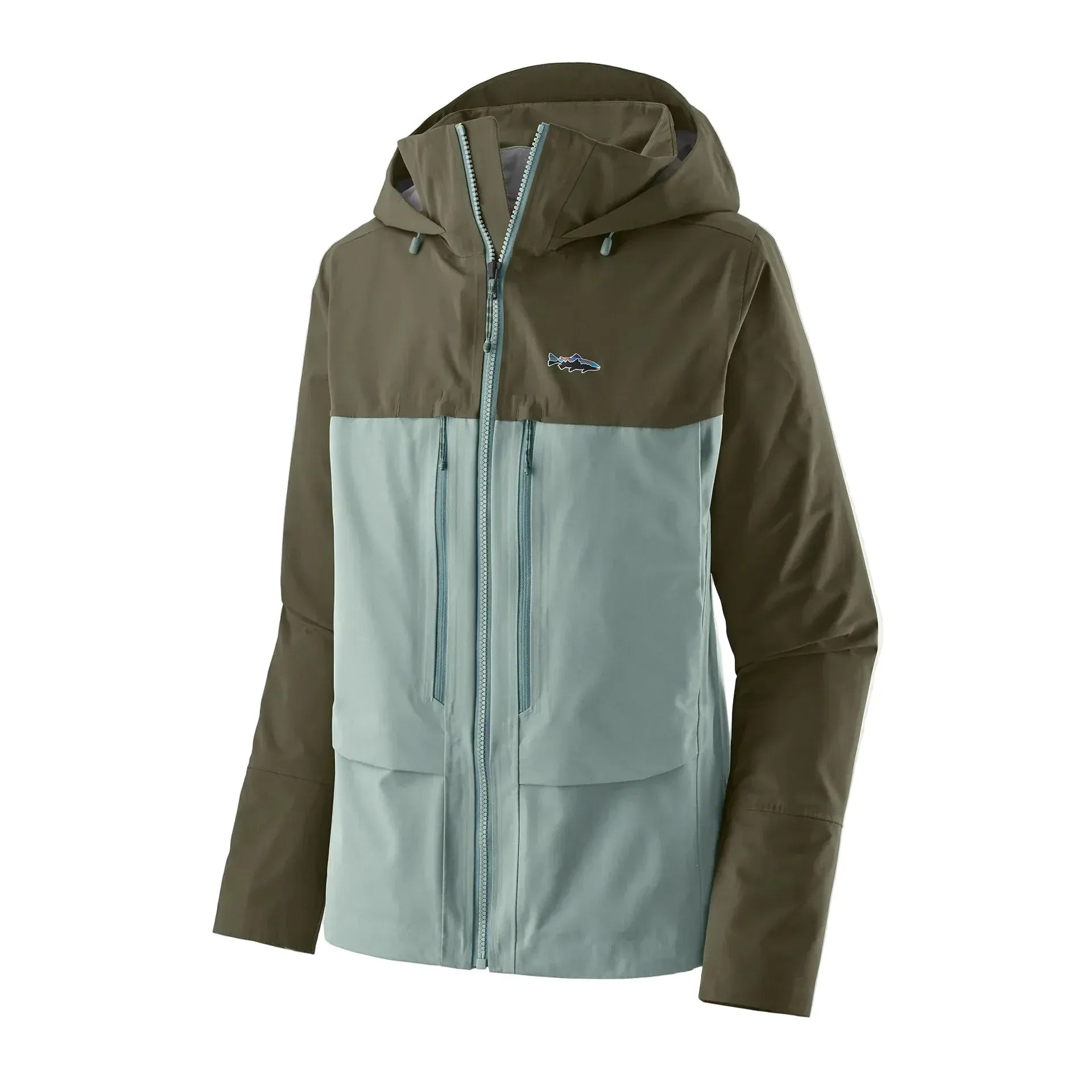
- Best Premium: Simms G4 Pro Wading Jacket - Built for anglers who fish hard in sustained rain, wind, and cold. It’s a feature-rich wading shell with a technical cut and storage designed around fly boxes and wader access.
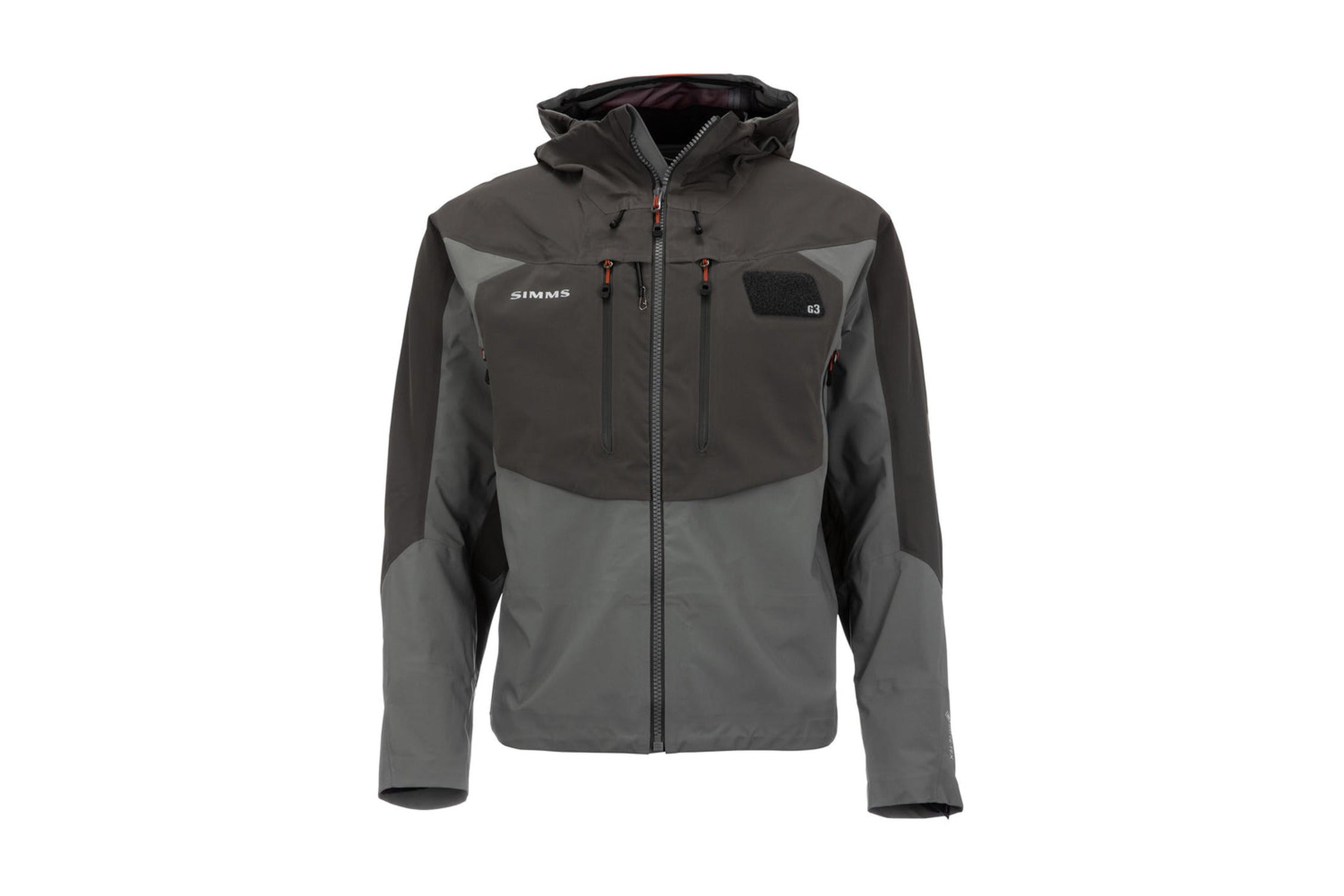
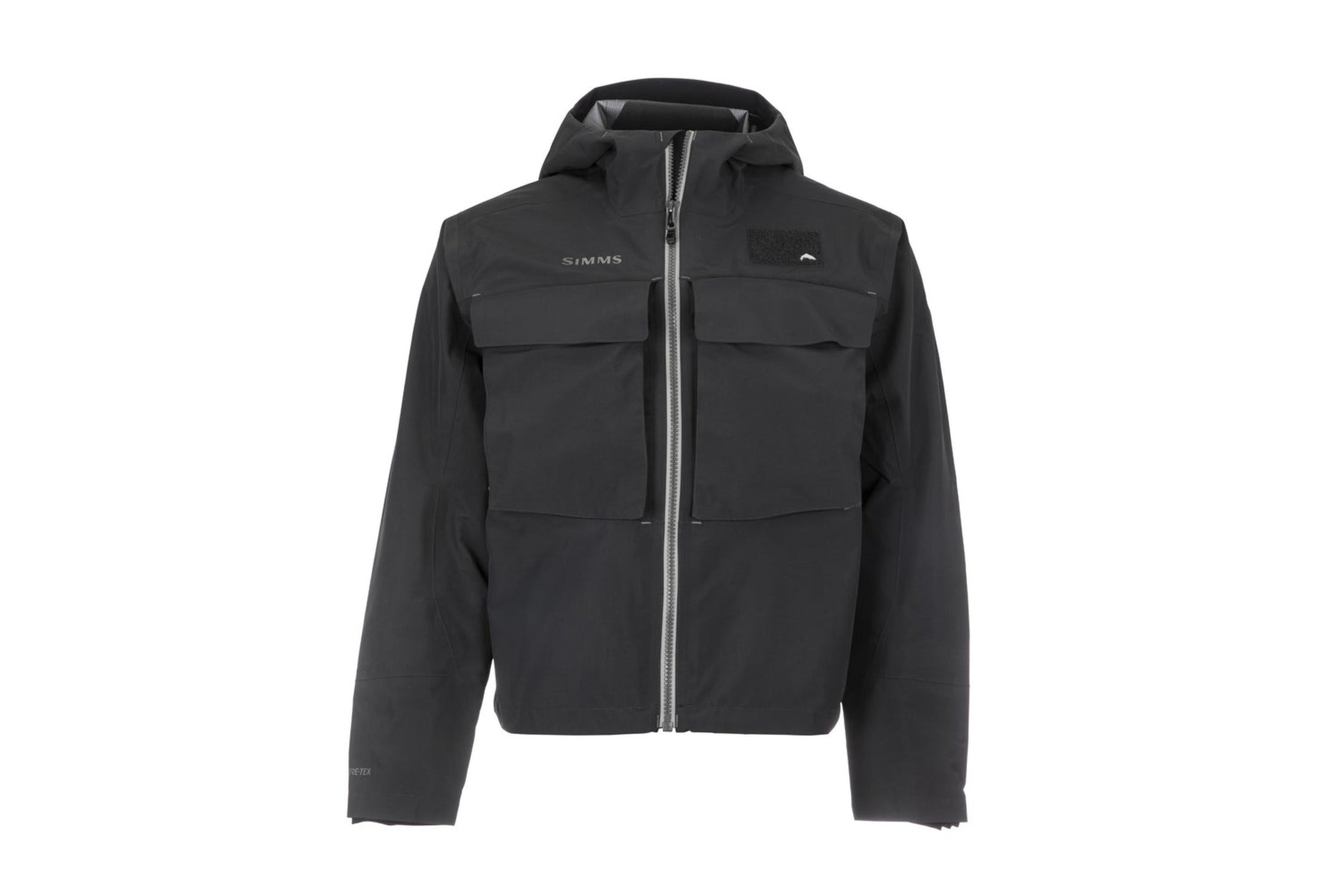
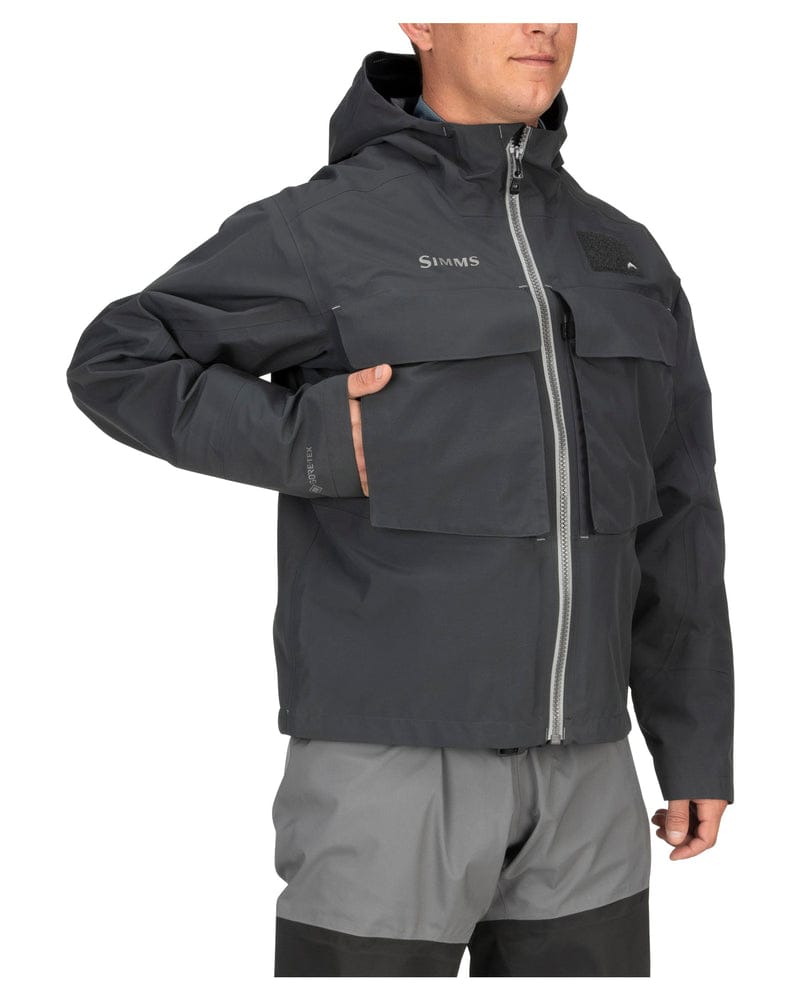
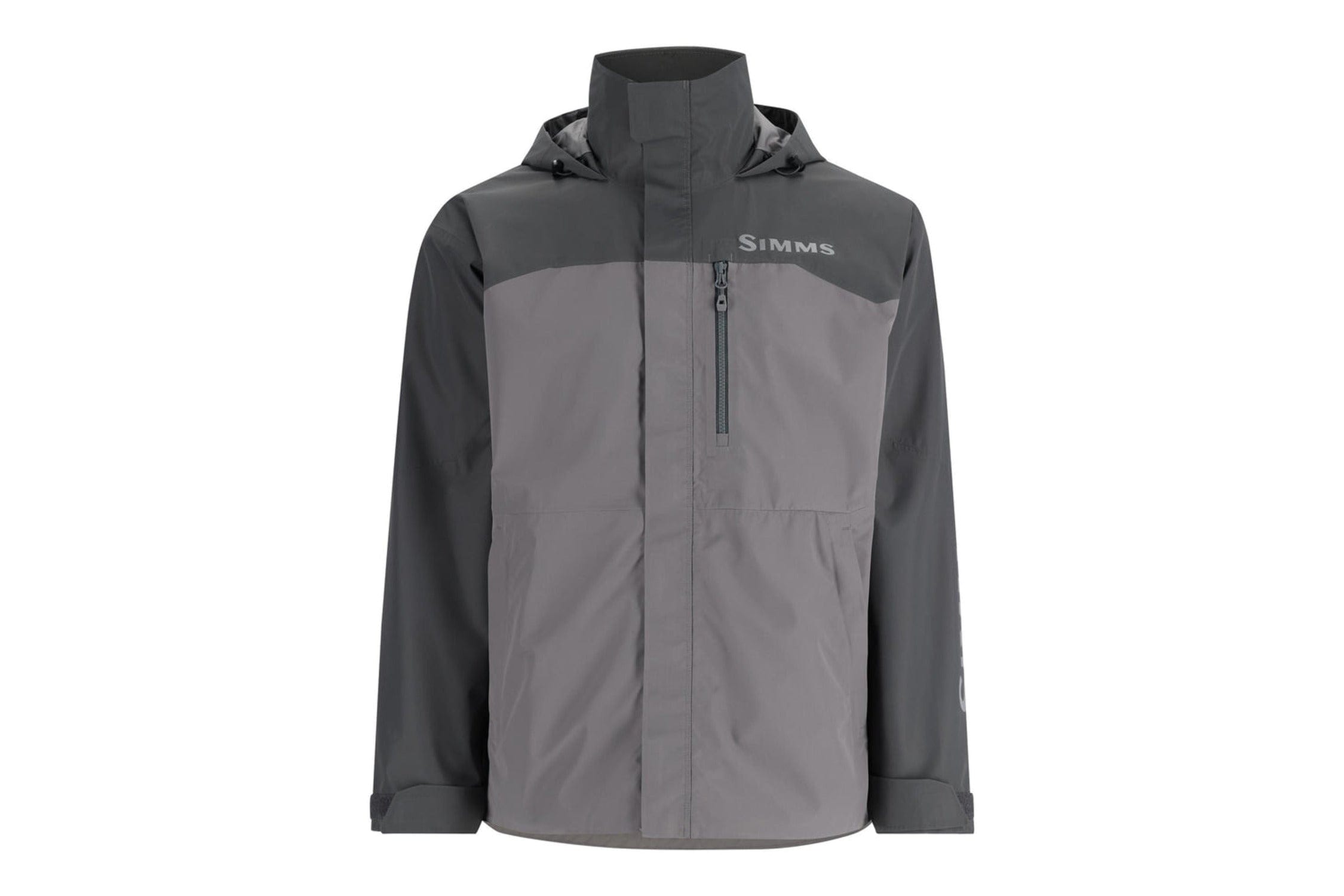
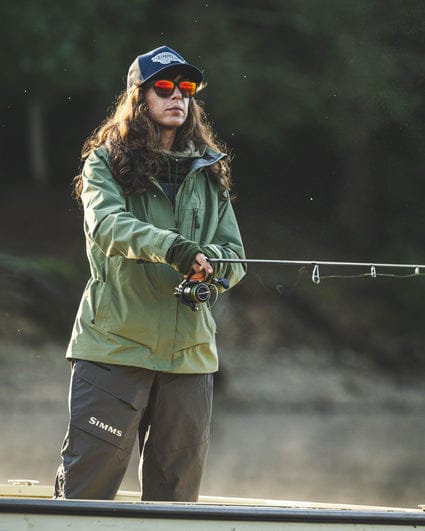
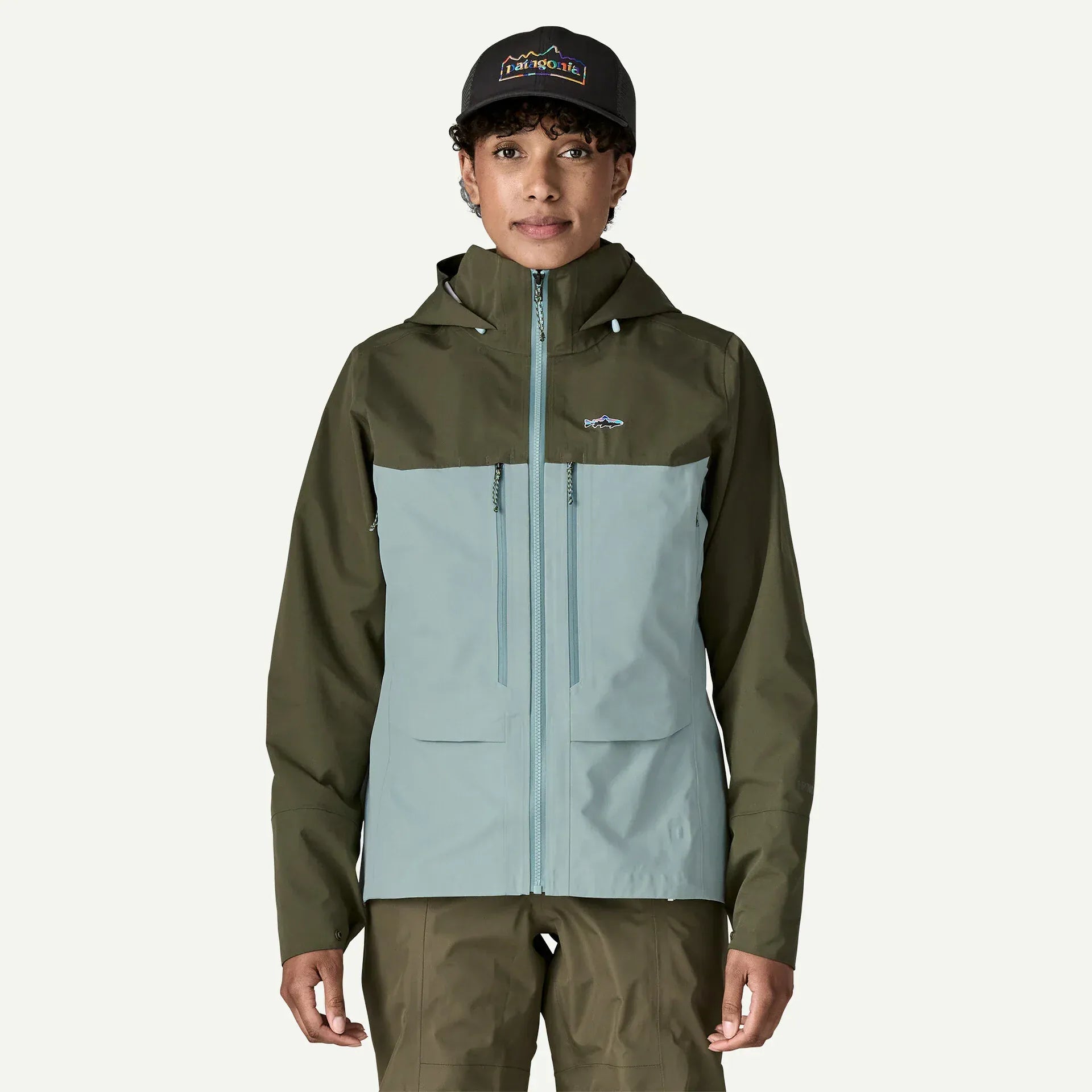
- Best All-Around: Simms G3 Guide Wading Jacket - A go-to choice for river days when the forecast can change fast. It balances weather protection with casting mobility and a fishing-first pocket layout.
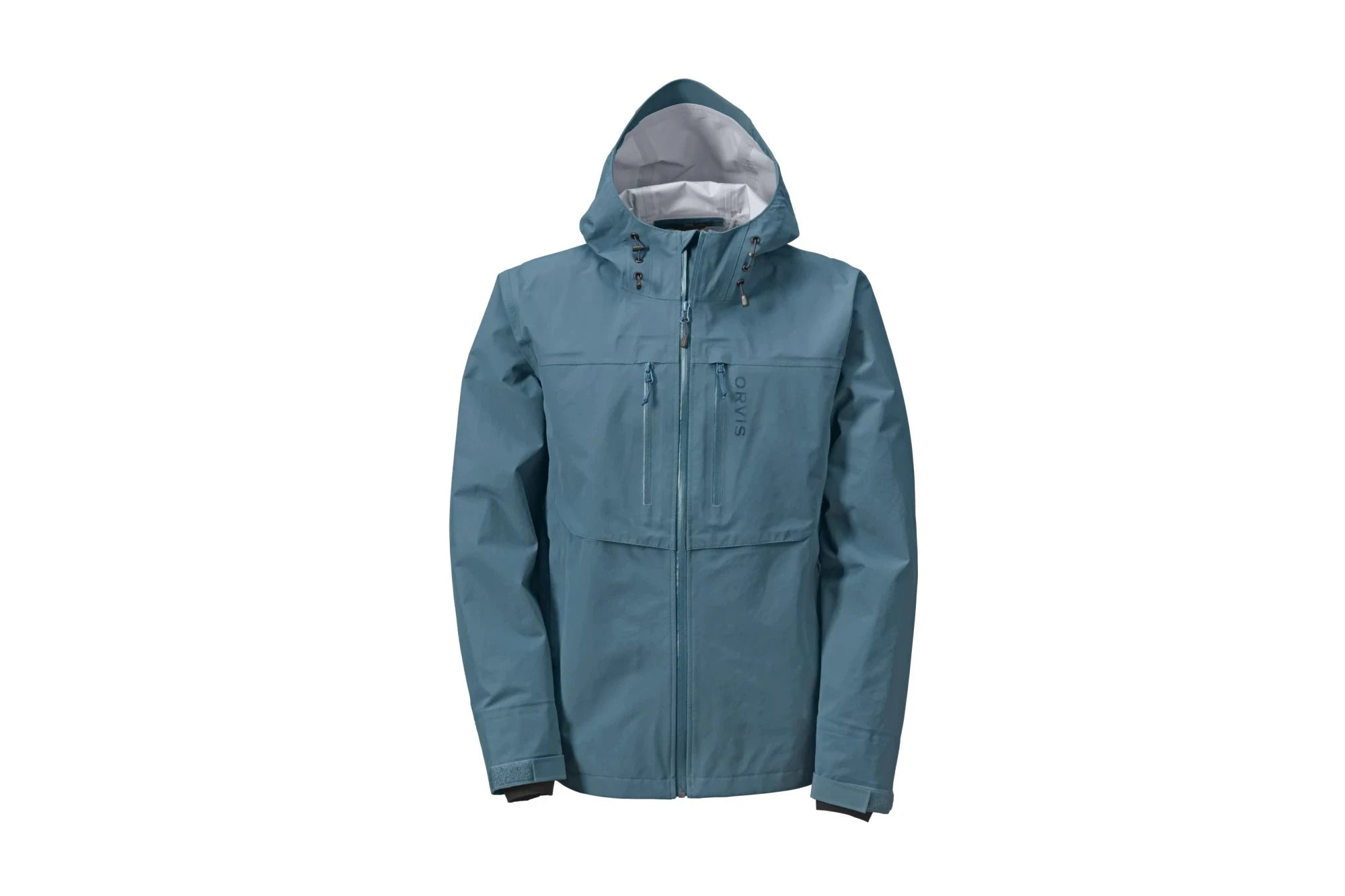
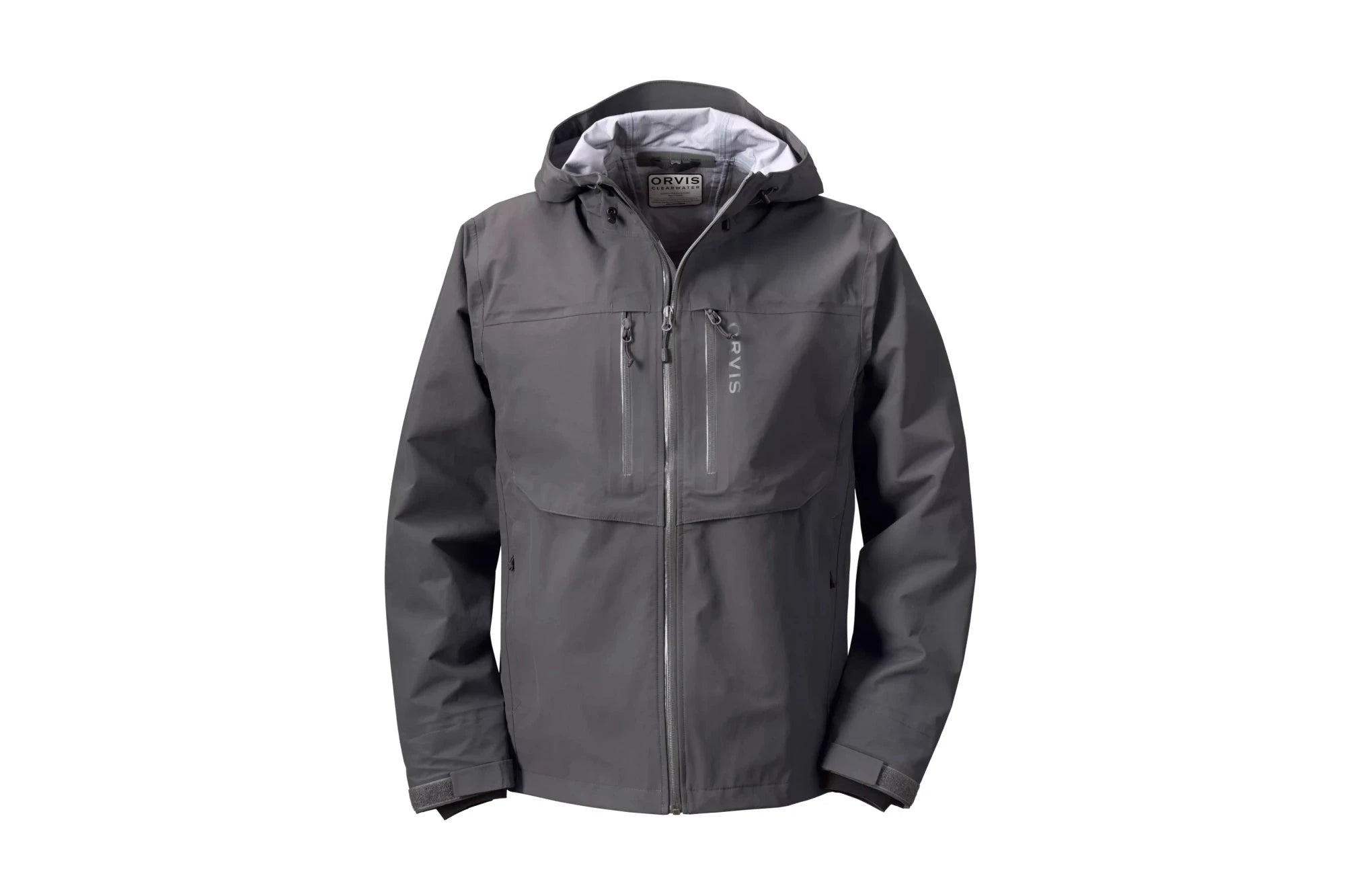
- Best Value: Orvis Clearwater Jacket - Ideal for anglers who want a real wading jacket without jumping to top-tier pricing. You still get core storm protection features like taped seams, a wading-length cut, and a hood built for driving rain.
- Best Travel: Orvis Mens Ultralight Wading Jacket - For anglers who need packable rain protection that actually fishes well. It’s easy to stash in a daypack and works well for shoulder-season trips where weather is a question mark.
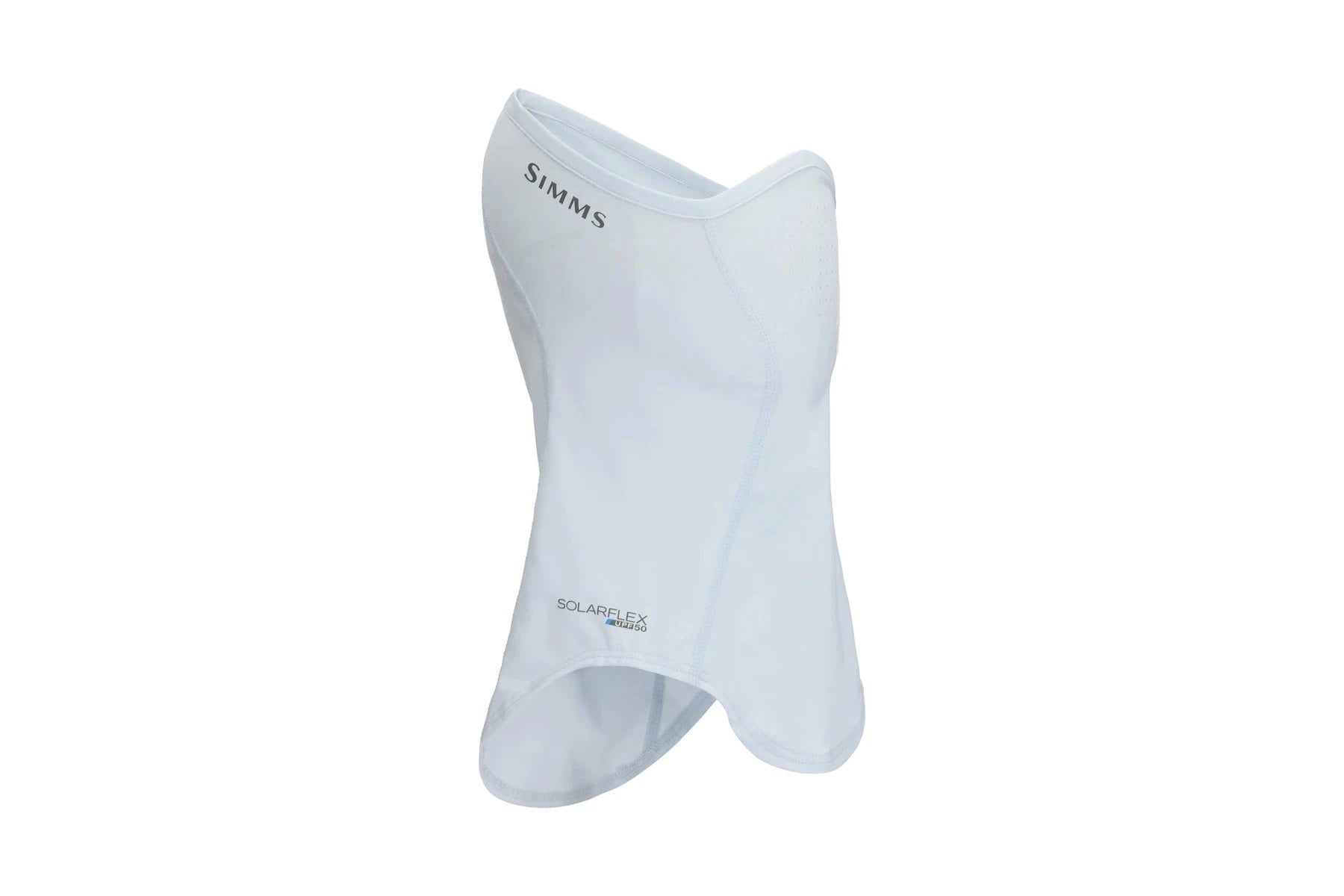
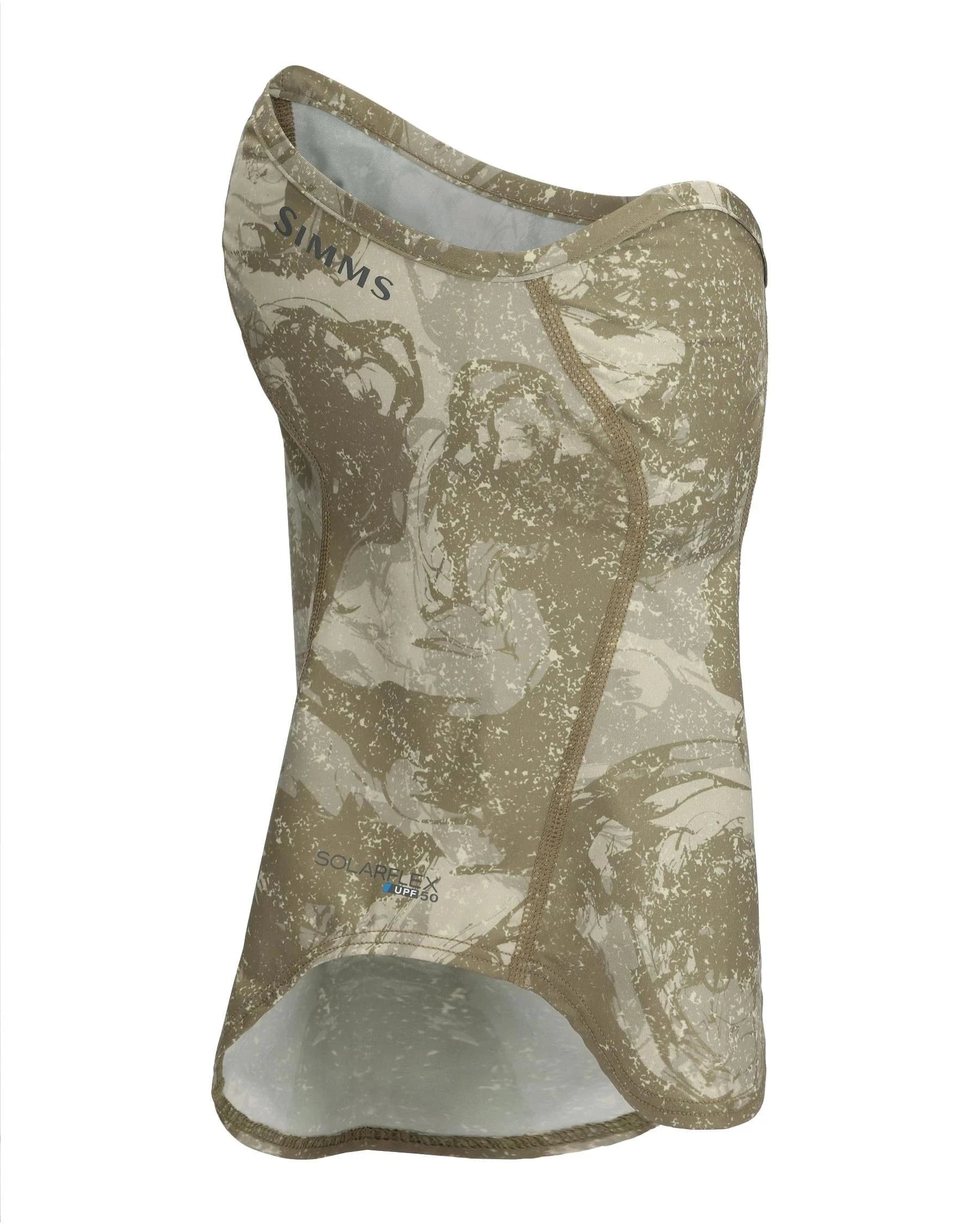
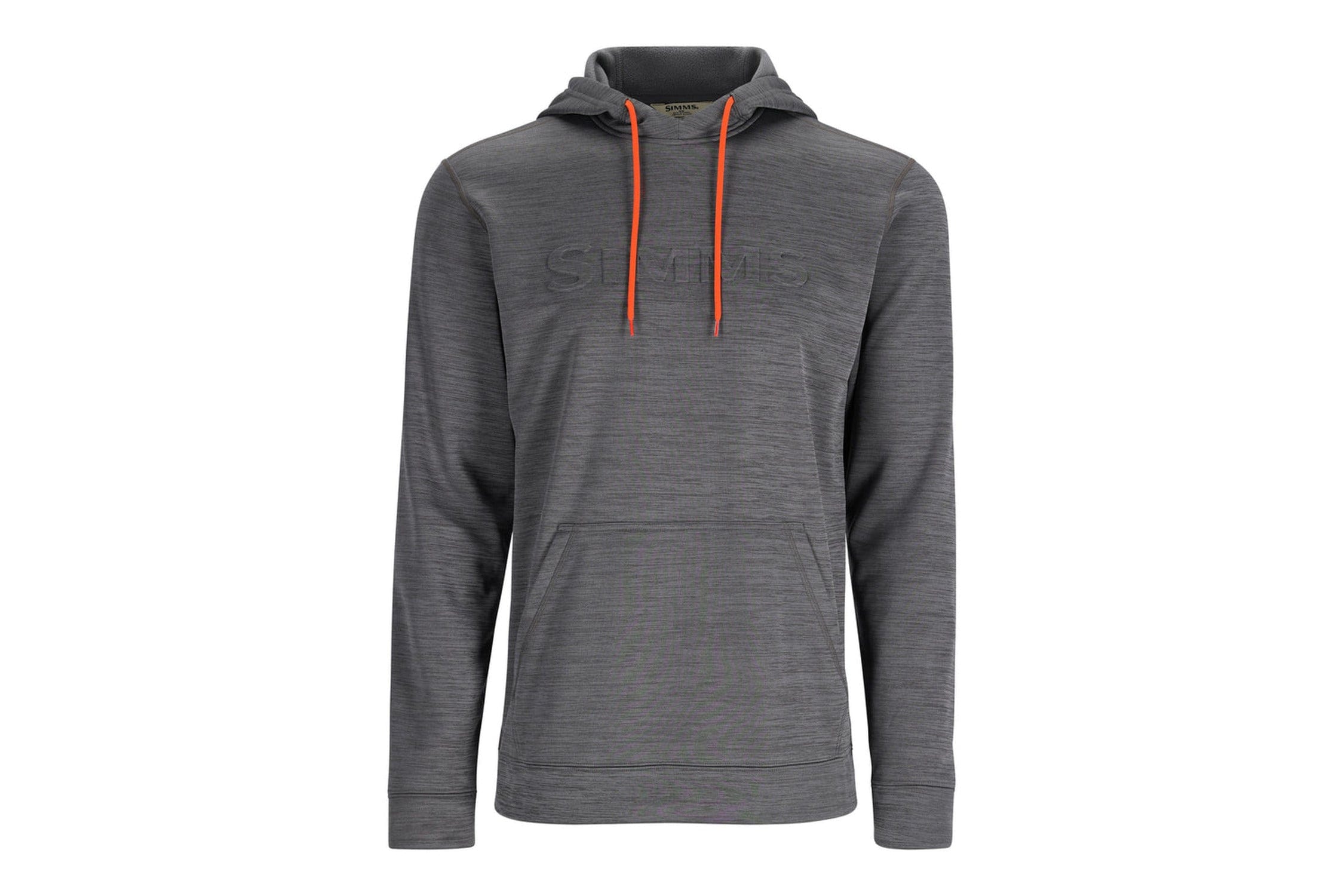
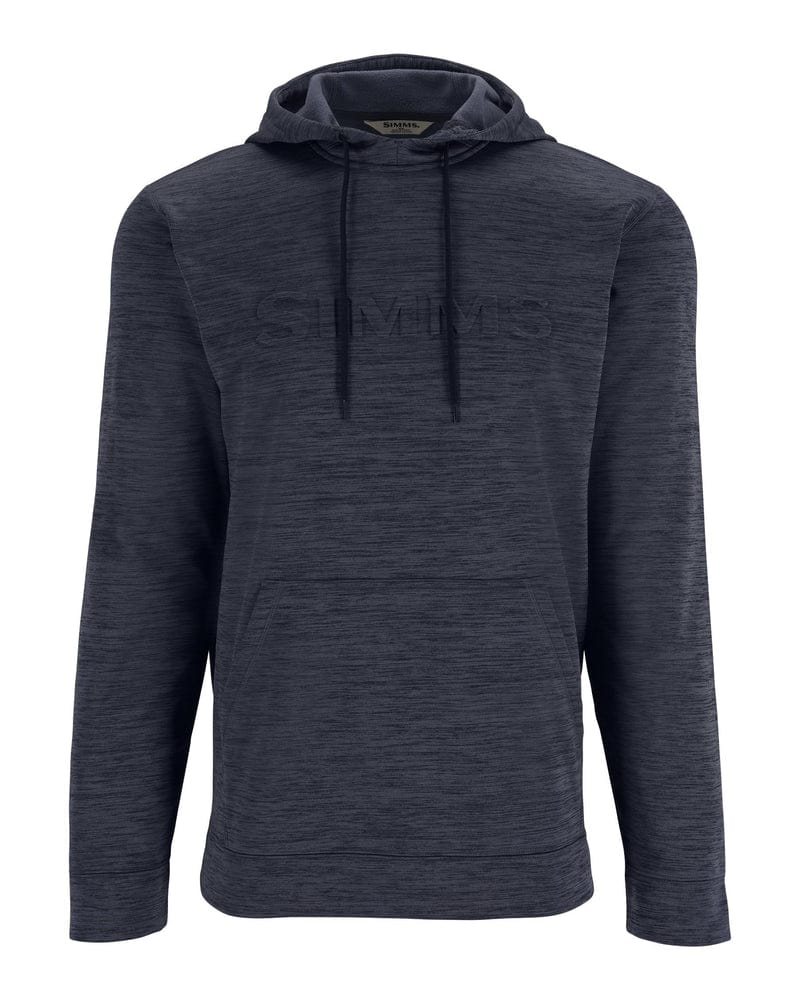
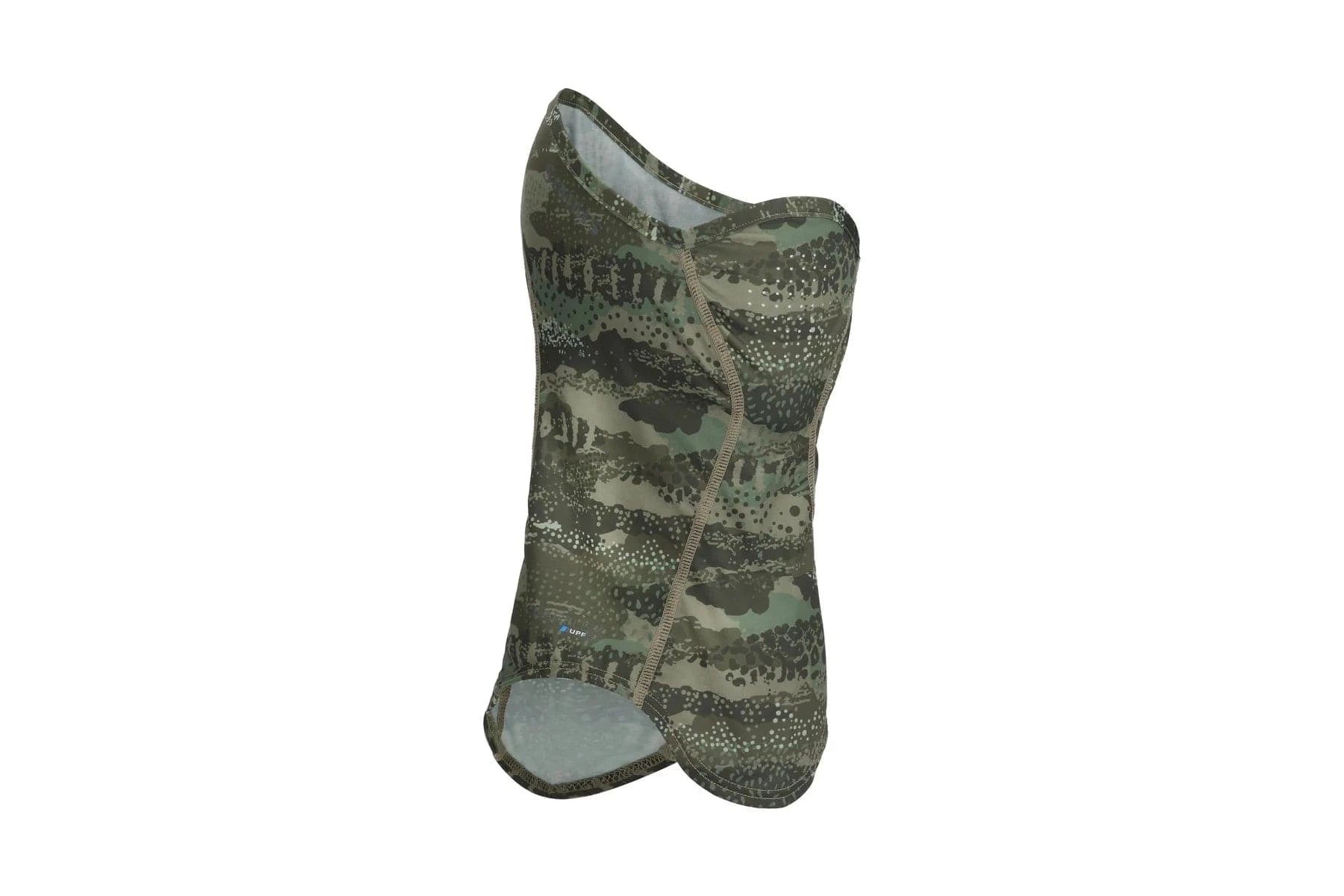
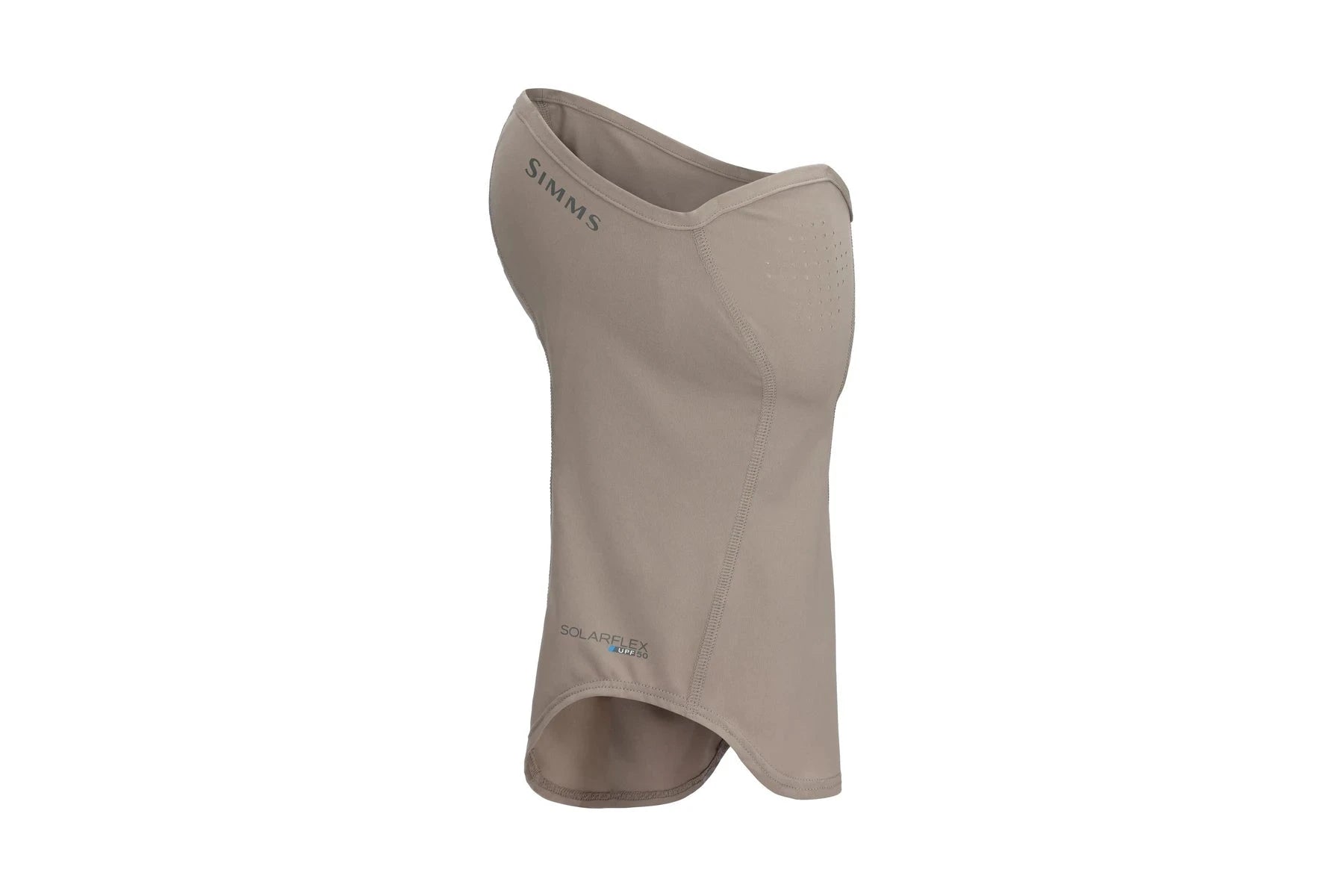
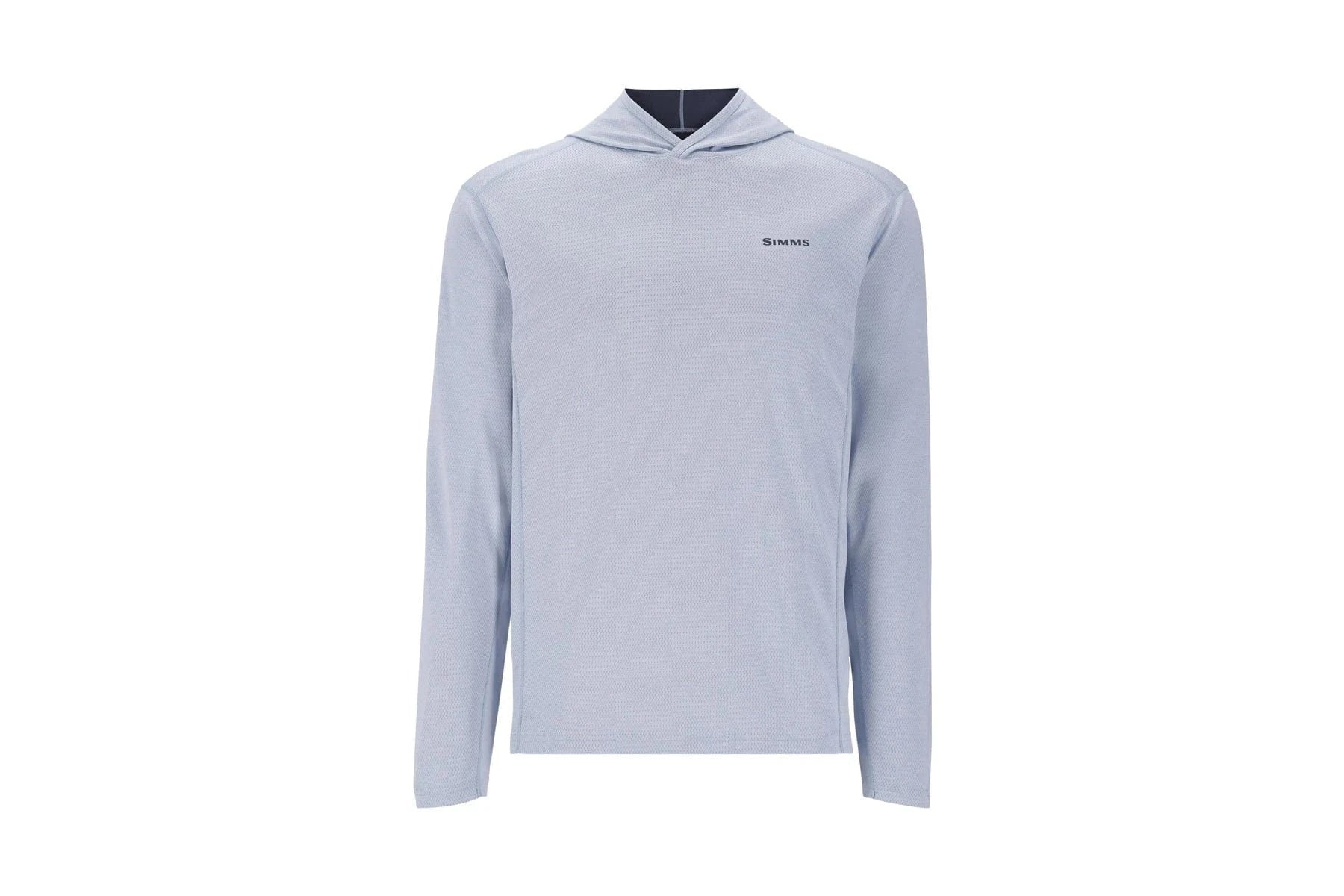
- Best Sun Protection: Simms SolarFlex Cooling Hoody - A smart pick for hot, bright days when “outerwear” means coverage, not insulation. It helps limit sun exposure while staying comfortable for hiking, wading, and long casting sessions.
How to Choose Outerwear
Start with the job: rain shell, insulation, or sun layer
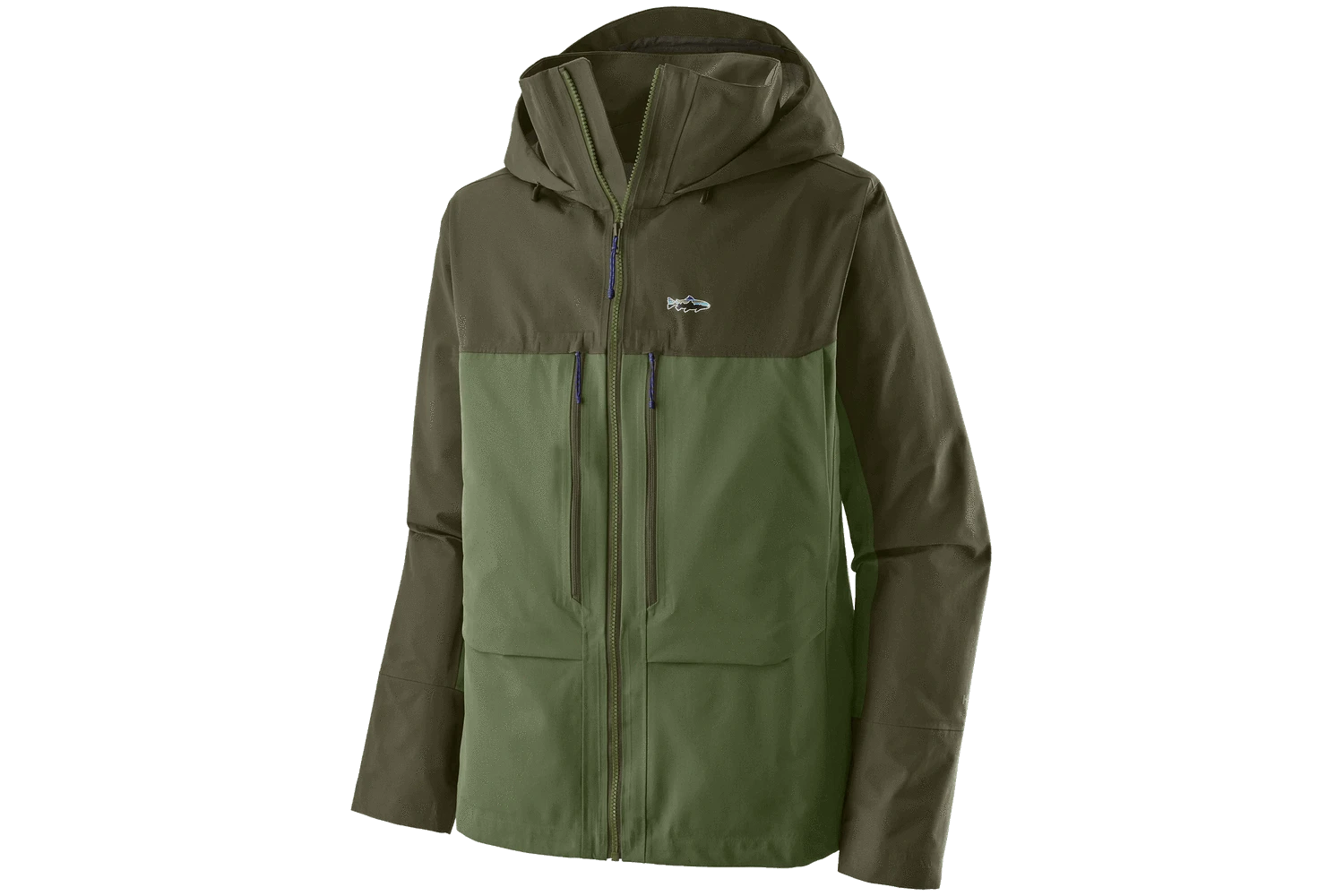
- Wading jackets: Designed with a shorter cut to clear your waders, plus high pockets and storm hoods for fishing in real weather.
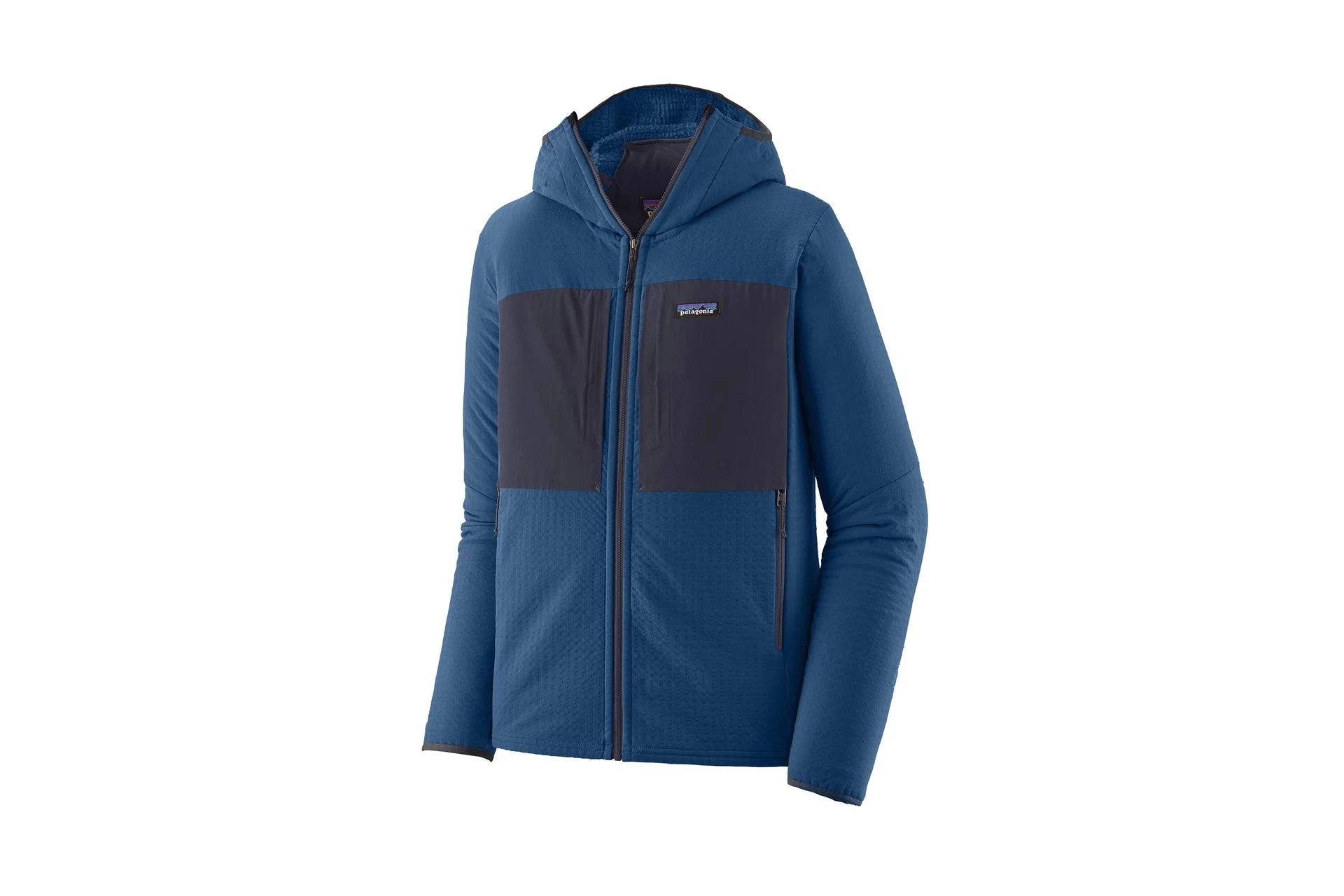
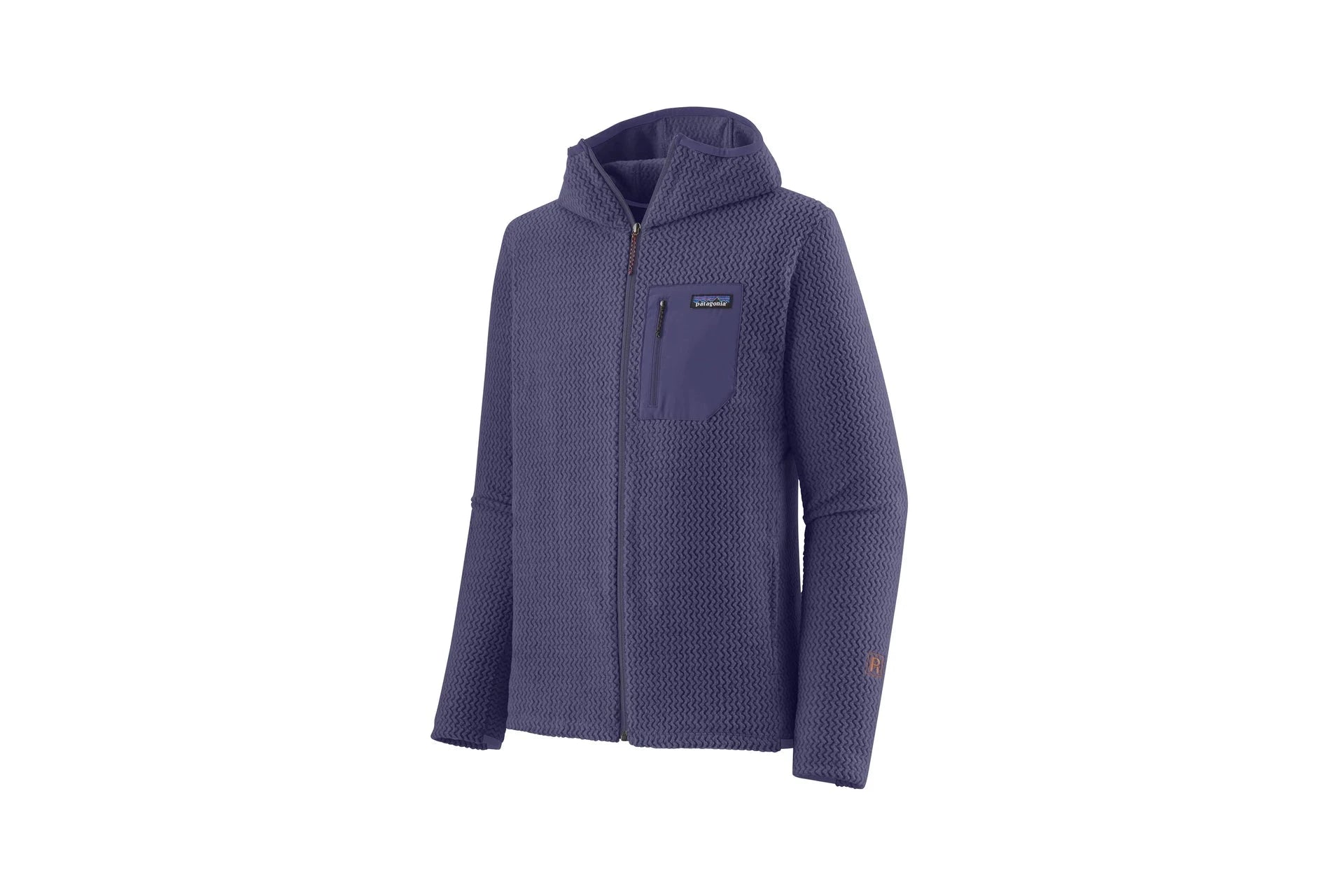
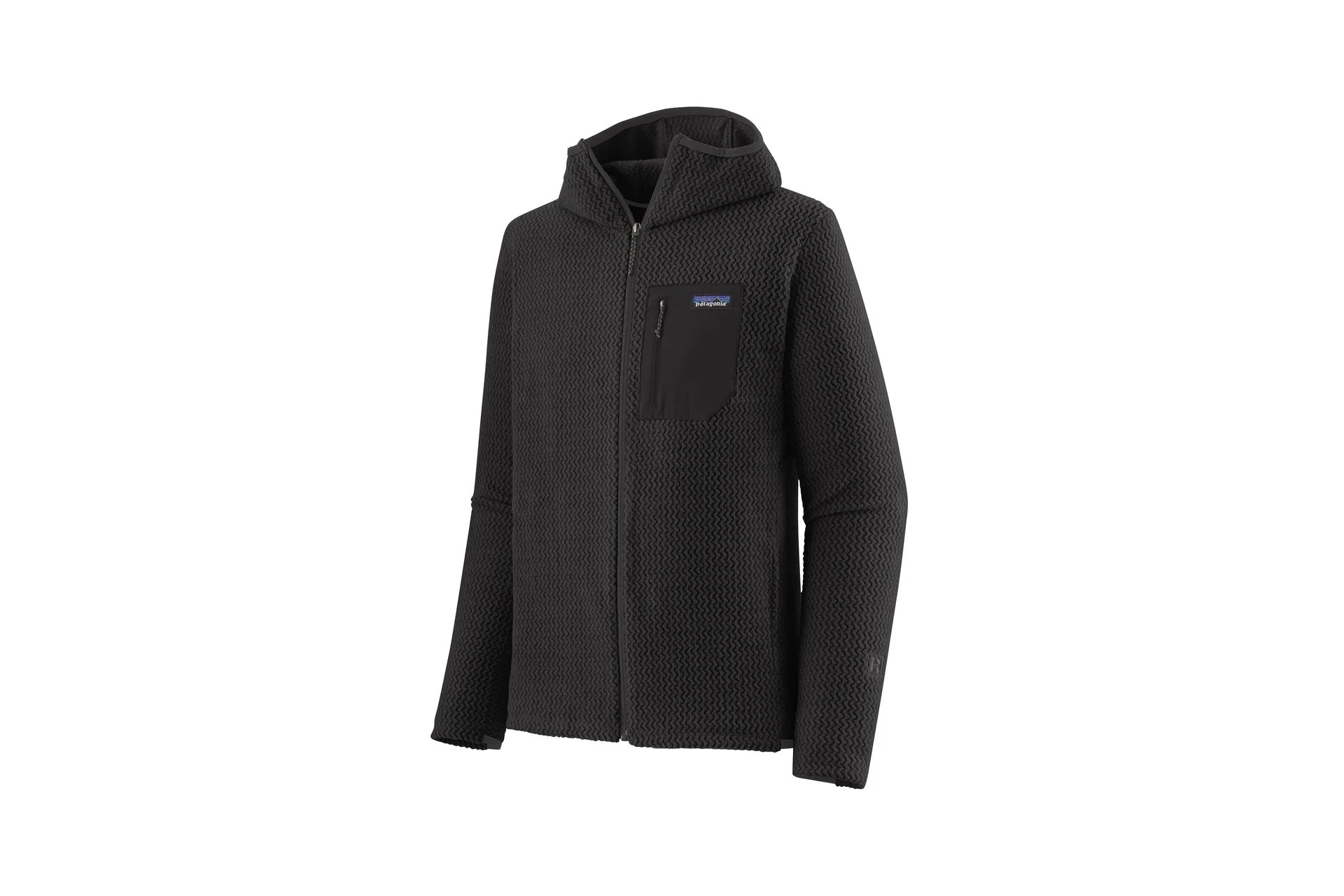
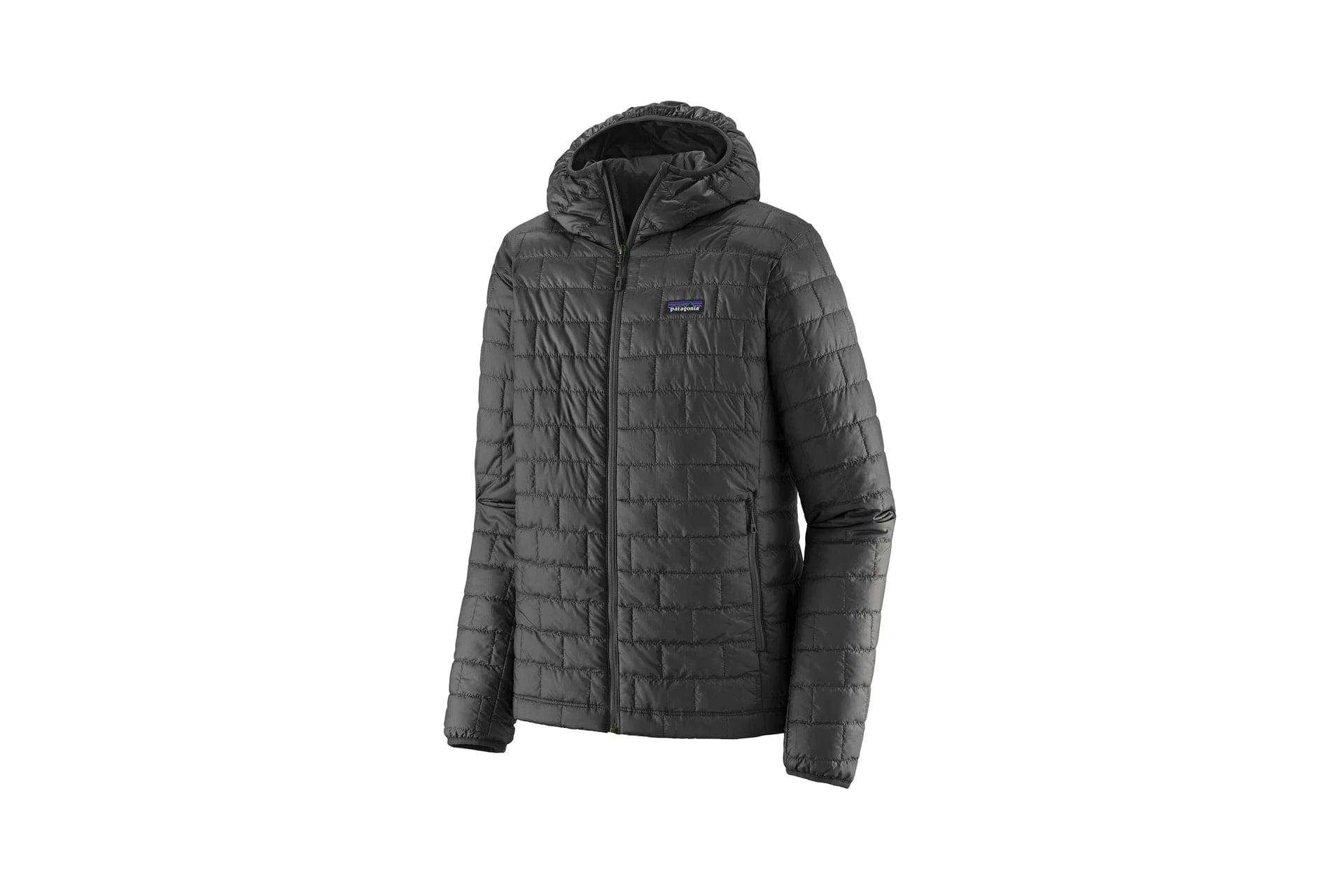
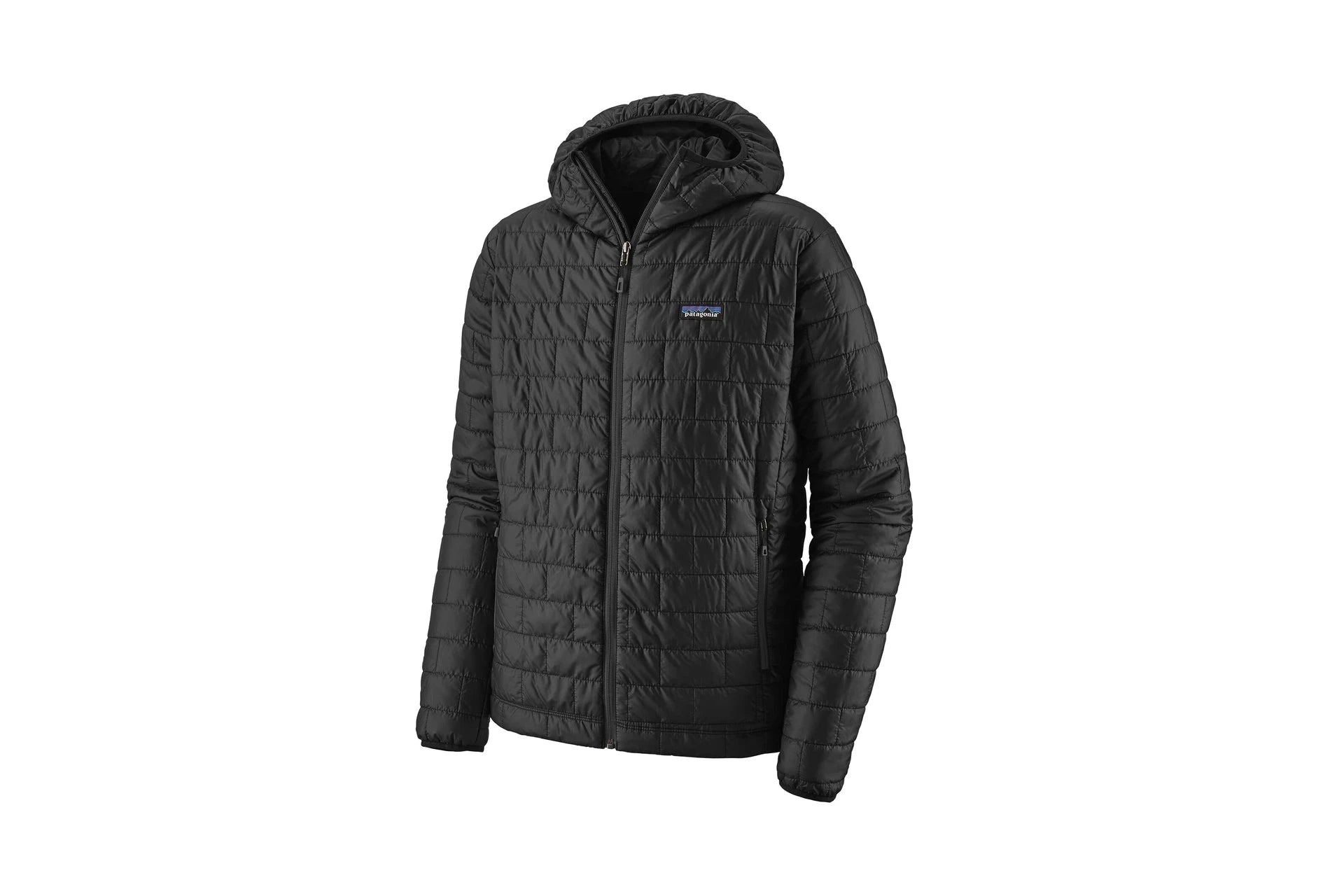
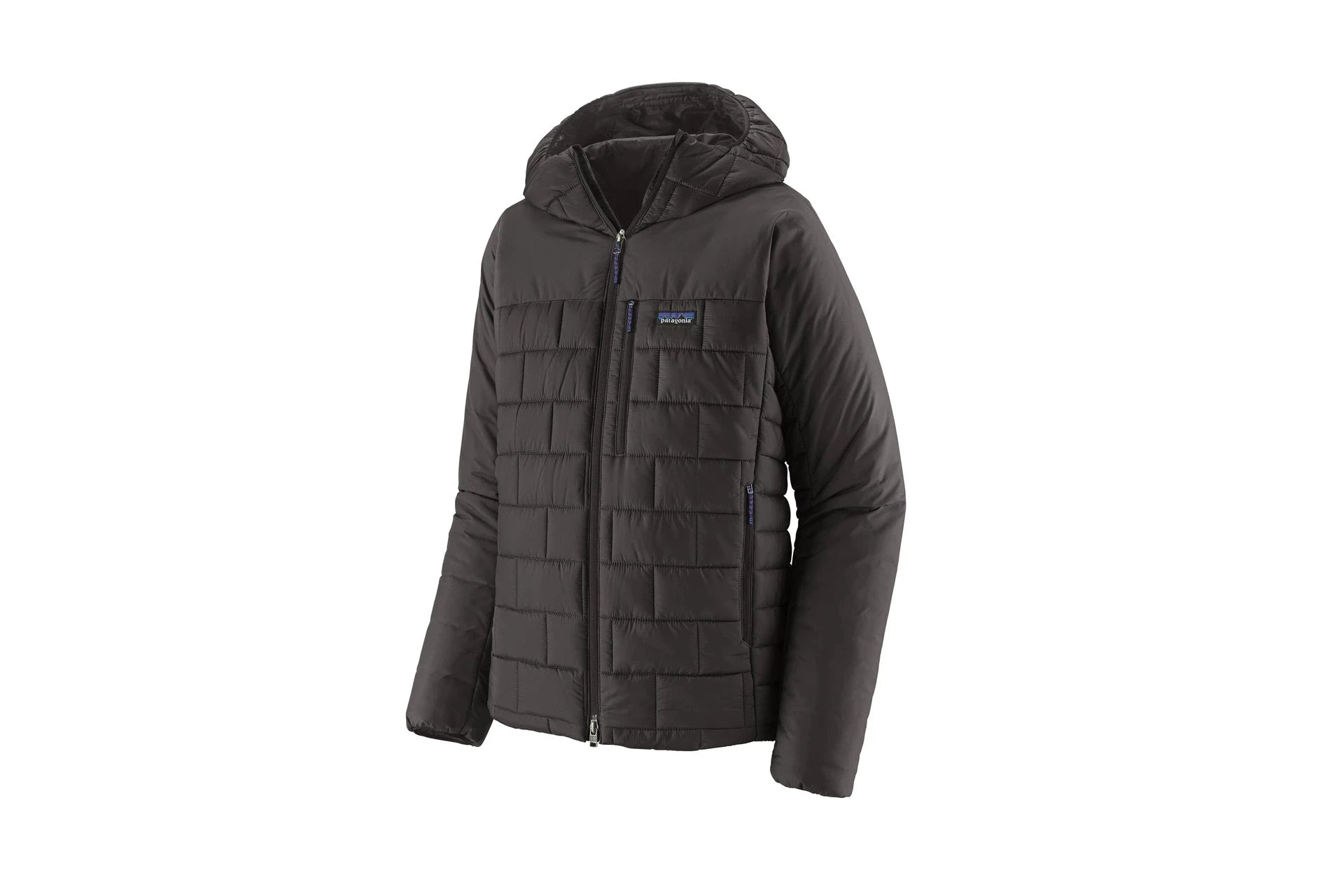
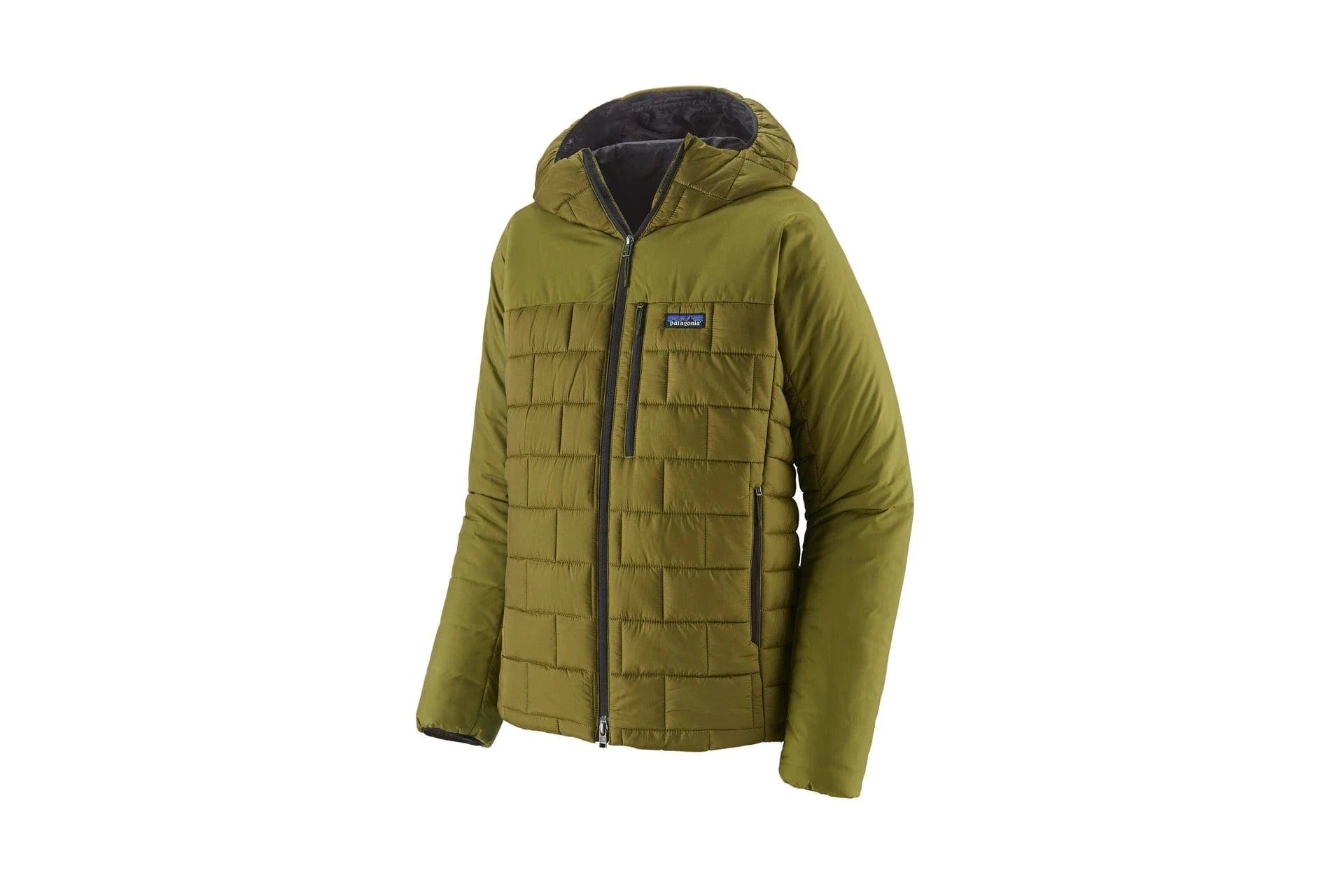
- Insulated pieces: Best for cold launches, steelhead weather, or long boat days. Many anglers wear these under a shell or as a standalone when it’s dry.
- Sun/bug coverage: Hoods, neck gaiters, and lightweight layers help prevent burns and reduce fatigue on full-day summer trips.
Fit & mobility (this matters more than most people expect)
Action: If you’re buying a wading jacket, check shoulder/arm articulation and room for layering. You should be able to reach overhead and across your body without the hem riding up or the cuffs pulling tight.
Avoid if: The jacket feels “good” standing still but binds when you simulate a cast. That’s a common reason shells end up living in the truck.
Pockets, cuffs, and hood details that actually affect fishing
- Pockets: Look for fly-box compatible chest pockets and hand pockets that sit high for deep wading.
- Cuffs: Tight, low-profile cuffs help keep water out and reduce line snag when stripping or casting.
- Hoods: A brimmed, adjustable storm hood is a big deal in sideways rain, especially if you wear a hat under it.
Pick the right “breathability level” for your fishing style
- High-output wading/hiking: Prioritize lighter, more breathable shells and minimalist features.
- Boat days and sustained storms: Prioritize weatherproofing, cuff seals, and durable face fabrics.
Sizing & Fit
- Layering plan: If you fish spring/fall, try your jacket over your typical midlayer (fleece or light insulation), not just a T-shirt.
- Wader compatibility: A true wading jacket should sit around the waist/upper-hip so it doesn’t soak when you wade deep.
- Reach test: Raise both arms like you’re casting and rowing; the cuffs shouldn’t ride past your wrists and the hem shouldn’t climb excessively.
- Hood fit: Make sure the hood cinches down over a hat and still lets you turn your head without blocking vision.
Complete Your Setup
Related Gear
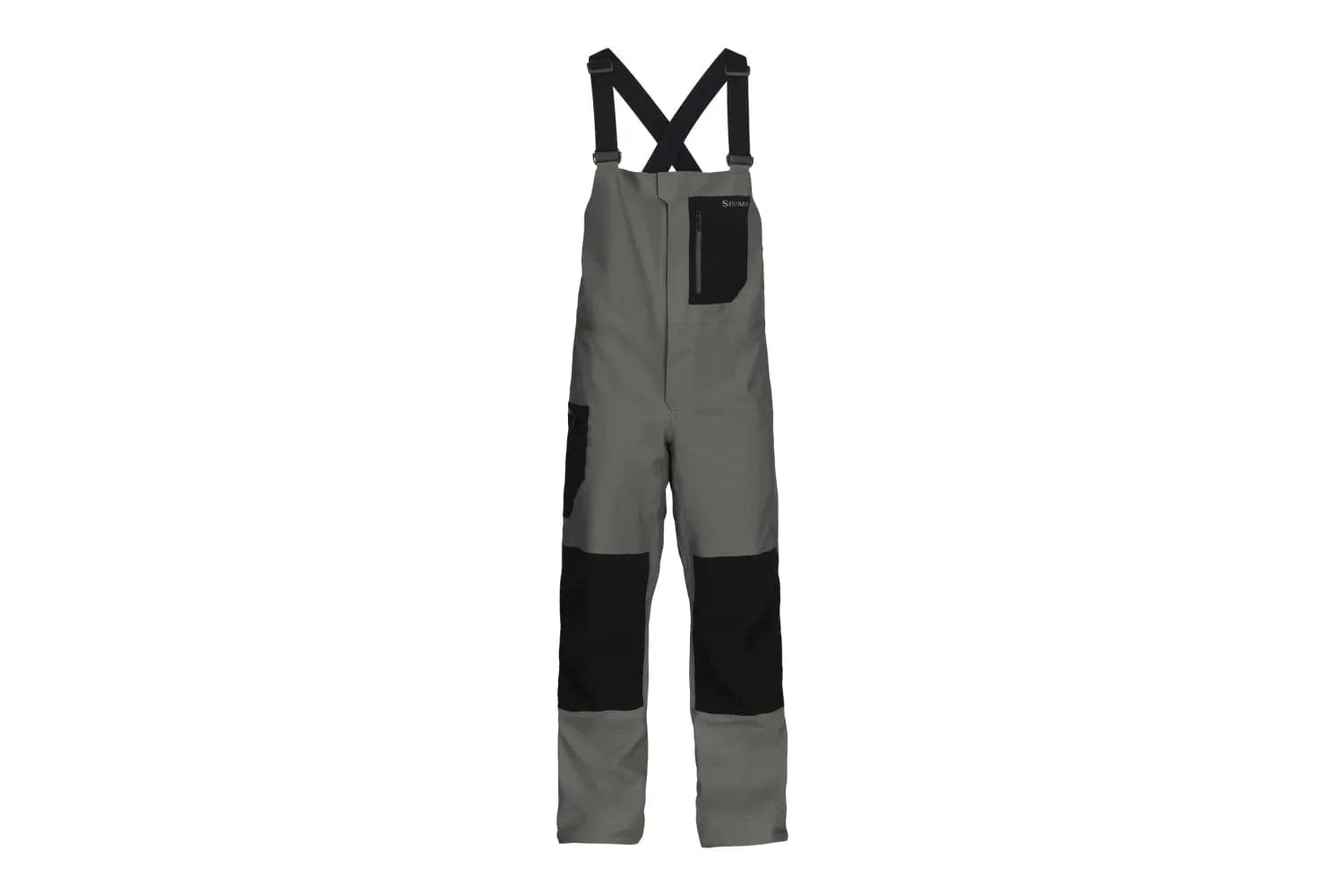
- Waders - Outerwear and waders work as a system; your jacket cut and pocket height should match how you wade.
- Wading Boots - Weather days often mean slick banks and cold feet; good traction and support keep you fishing longer.
- Insulation - Add warmth without losing mobility, especially under a shell in late-season conditions.
- Packs - Sling and backpack comfort improves a lot when your outerwear doesn’t bunch or snag.
Related Guides
- Fly Fishing for Beginners: A Gear List
- Summer Fly Fishing Gear You Never Knew You Needed
- Fly Fishing Holiday Gift Guide 2025
Outerwear FAQs
Q: What does fly fishing outerwear include?
A: In fly fishing, outerwear usually means wading jackets, rain shells, insulated layers, and sun/bug protection pieces. The best choice depends on whether you need waterproofing, warmth, or coverage from UV and wind.
Q: What’s the difference between a wading jacket and a regular rain jacket?
A: Wading jackets are typically cut shorter so they don’t drag in the water, and they place pockets higher for access while wearing waders. They also tend to have more fishing-specific features like cuff seals and fly-box pockets.
Q: How should a wading jacket fit over waders?
A: It should clear the top of your thigh when you step into the water and still allow a full casting motion. Plan for at least one insulating layer underneath if you fish spring or fall.
Q: Do I need insulated outerwear if I already have a shell?
A: A shell blocks wind and rain, but insulation is what helps you stay warm at rest and during slow fishing. Many anglers run a simple system: base layer + insulation + shell, adjusted to conditions.
Q: What outerwear is best for summer fly fishing?
A: In summer, focus on sun protection, breathability, and quick-dry comfort. Lightweight hoodies, gaiters, and technical shirts help reduce sunburn and keep you comfortable when hiking and wading.
Q: Is fly fishing outerwear worth it for beginners?
A: Yes, especially if you’ll fish in rain or cold. A reliable shell and a warm midlayer can extend your season significantly and make learning more enjoyable.